

Lesson 1252: Application of Social Rhythm Therapy (IPSRT) in Cyclic Mood Disorders
Duration:75 minutes
Topic Introduction:
Social Rhythm Therapy (IPSRT) emphasizes that "stable daily rhythm equals stable mood," which is particularly important for cyclothymic mood disorders where individuals are highly sensitive to rhythms and their emotions are easily swayed by external stimuli. This course helps you understand why seemingly minor changes in daily life, such as delayed sleep, irregular eating habits, excessive or sudden social interaction, can affect your mood curve and further amplify the risk of hypomania or depression. The core goal of IPSRT is not to force your mood to "improve," but to help you establish a stable framework that you can maintain long-term, keeping changes in your daily rhythm, social interactions, sleep, and daily tasks within a controllable range. You will learn how to identify your personal rhythm sensitivity points, how to develop a "rhythm protection plan," and how to adjust your social activities, workload, and sleep structure when experiencing mood swings. When you can bring your daily rhythm back to consistency, your emotions will gradually return to a predictable, tolerable, and manageable range.
○ The Four Core Structures of Social Rhythm Therapy
- Stable sleep - wake-up time:The first key to emotional stability.
- Regular daily activities:Such as eating, exercising, and work rhythm.
- Social rhythm monitoring:Observe whether the amount of interaction affects emotional fluctuations.
- Handling rhythm disturbances:Learn how to adapt quickly when change occurs.
▲ AI Interaction: Create Your "Daily Rhythm Map"“
Record your three most consistent behaviors throughout the day (such as waking up, first meal, and before bed).
Write down how your emotions will react when these behaviors change over time.
Ask AI to generate a "rhythm sensitivity list" for you to track and adjust over the long term.
○ Rhythm Stabilization · Music Therapy
Choose a steady, slow melody without jumps. Let the rhythm guide you into a more stable physiological rhythm.
Listening for 5 minutes at a fixed time each day can serve as a "rhythm anchor" for IPSRT.
Warm Milk & Golden Milk: Healing
Recommended reasons:For those with a sensitive circadian rhythm, stabilizing the mind and body before bed is especially crucial. Golden milk, with its warm and comforting properties and the stress-relieving properties of turmeric, helps you "reset your circadian rhythm" at night, improving the stability of your sleep cycles.
How to drink:As a fixed bedtime ritual, it helps to make rhythm training more sustainable.
○ Kosher Refreshing and Stabilizing Soups - Enhances Circadian Rhythm Consistency
Kosher diets emphasize "cleanliness, simplicity, and reducing the burden on the body," which is very friendly to rhythm training.
A mild soup made from carrots, celery, potatoes, and white meat protein can avoid excessive fluctuations in blood sugar, making it easier for you to maintain a stable emotional rhythm.
Non-irritating
Lighten physical and mental burden
Healing Recipes
/home2/lzxwhemy/public_html/arttao_org/wp-content/uploads/cookbook/kao-ji-xiong-rou-quan-mai-mian-bao.html(Please confirm that the following has been uploaded: kao-ji-xiong-rou-quan-mai-mian-bao.html)
Psychological Mandala
Psychological Healing: Psychological Mandala - Thoughts 07
IPSRT is like the ring structure of a mandala: the outer ring is complex and has many stimuli, but the center is always calm and stable.
When you look at a mandala, you will find that regularity, repetition, and order are gently catching you.
The core of cyclothymia is not suppressing emotions, but returning to the "center point of stable rhythm".
Simply watch, without thinking, and let the order of vision guide you to restore your inner rhythm.
Gaze three times, allowing the central structure to guide you back to stability.
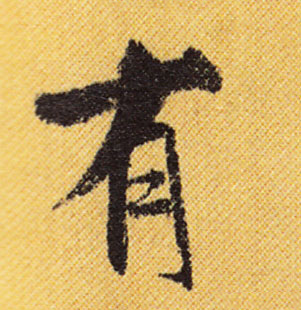
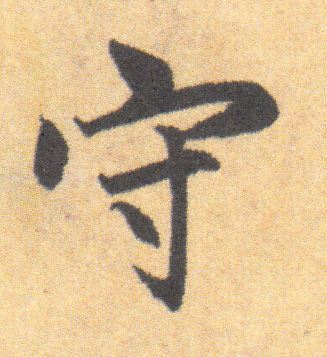
○ Medieval Gothic Script
The Gothic structure is stable and has a balanced density, making it very suitable as a "rhythmic stability exercise".
- Written words:Rhythm · Steady · Anchor
- Writing Tips:Write with even pressure, making your strokes a symbol of the rhythm of life.






○ Drawing Guidance: Your Rhythm Stabilization Map
Draw a stable concentric circle on a piece of paper, radiating outwards. Each circle represents "sleep, eating, social interaction, and activity level".
Mark your current unstable position in each cycle, such as shifting meal times, changing sleep times, and fluctuating social interactions.
Next, draw a more stable outer circle around the perimeter of the circle, symbolizing that IPSRT is helping you bring your rhythm back from chaos to consistency.
By observing the distance between the two circles, you will understand that rhythm adjustment is a gradual, trainable process, rather than a one-time change.
Please log in before submitting your drawings and feelings.
○ 1252. IPSRT · Log Booting Recommendations
① Write down the rhythmic event that caused your "earliest instability" today (e.g., something was delayed).
② Record how it affects your attention or mood.
③ Write down a rhythmic repair exercise that you would be willing to try tomorrow.
Please log in to use.
When your rhythm is well-managed, your emotions have a chance to stabilize. May IPSRT become a stable anchor point in your daily life, allowing your emotional fluctuations to gradually return to a predictable and manageable trajectory.