

Lesson 1253: The Relationship Between Life Events and Emotional Sensitivity
Duration:75 minutes
Topic Introduction:
In cyclothymic mood disorder, the sensitivity of emotions to life events often exhibits an "amplification effect": what others see as trivial matters may be interpreted as significant signals in your emotional system. An interrupted sleep, a disagreement, a last-minute change in schedule, a forced postponement of plans, subtle changes in social interactions, and even weather and lighting conditions can all become triggers for hypomania or depression. This course will help you understand why the "event-emotional response" chain in cyclothymic mood is so rapid, and how the brain amplifies or diminishes events at different levels during different rhythmic periods. You will learn how to identify hypersensitive phases, how to predict the impact of events on emotions, how to avoid overreacting during periods of fluctuation, and how to build an "event filter" to reduce the invasive impact of external changes on your internal system. When you can grasp the path by which events affect your emotions, you can begin to manage your reactions more steadily, rather than being led by them.
○ Five typical pathways through which life events influence emotional sensitivity
- Rhythm disturbance:The event altered sleep, eating, and social rhythms, leading to amplified mood swings.
- Amplified sense of threat:The brain tends to overinterpret risks during periods of volatility.
- Too rapid cognitive association:An event triggers multiple negative inferences.
- The body's reaction threshold is lowered:Tension, palpitations, and anxiety are more easily activated.
- Fluctuations in self-evaluation:The incident was quickly absorbed as evidence of "I am bad/good".
▲ AI Interaction: Your "Event-Emotional Response Curve"“
Write down three recent life events that have elicited a strong reaction from you.
Mark your different reaction patterns to these events during the hypochondriac, neutral, and depressed periods.
Ask AI to create an "event sensitivity line graph" to analyze which circadian rhythms make you particularly vulnerable.
○ Emotional Stabilization · Music Therapy
Choose a piece of music with a stable rhythm and gentle harmony to help your nervous system return to a stable state more quickly after an event.
Use music as an "emotional buffer," giving yourself a few minutes to recover after an event.
Warm Milk & Golden Milk: Healing
Recommended reasons:The impact of life events on people with cyclical mood is mostly related to the overactivation of the nervous system. Golden milk can lower the "stress baseline" through its warmth and turmeric components, reducing the emotional shock caused by the event.
How to drink:It is used as a "nighttime stabilization ritual" on a day with many events or unstable rhythms.
○ Kosher's refreshing and low-calorie soups help buffer stress.
Kosher's "clean-simple-low-stimulation" diet principles are very suitable for periods of emotional sensitivity.
During periods of frequent life events, choosing a bowl of clear soup made with carrots, onions, celery, and a small amount of egg white can effectively prevent secondary fluctuations in blood sugar and mood, providing gentle support for a fluctuating brain.
Restore steady state
Nervous system friendly
Healing Recipes
/home2/lzxwhemy/public_html/arttao_org/wp-content/uploads/cookbook/kao-ji-xiong-rou-quan-mai-mian-bao.html(Please confirm that the following has been uploaded: kao-ji-xiong-rou-quan-mai-mian-bao.html)
Psychological Mandala
Psychological Healing: Psychological Mandala - Thoughts 07
Life events affect your emotions like the outer lines of a mandala, while the center of the mandala reminds you:
The event itself does not determine your emotions; what determines your emotions is "how you return to the center."
Viewing a mandala is about allowing the tension of events to gradually dissipate within a visual order, allowing the stability of the center to become your foothold again.
Watch it three times and feel the event being put back in its original place.
○ Medieval Gothic Script
The stable structure of Gothic objects is naturally suitable as a "post-event stability exercise".
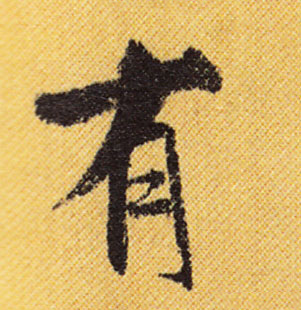
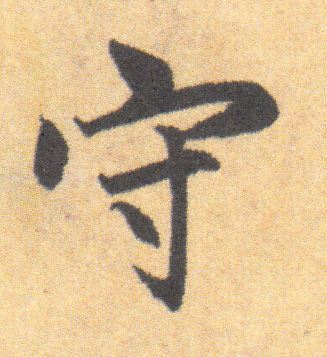
- Written words:Steady · Grounded · Inner Space
- Writing Tips:Use even downward pressure to make the vertical lines of the letter symbolize your pillar of stability.






○ Drawing Guide: Event Impact Map
Draw an "event fluctuation chart" on paper, with a wavy line drawn from left to right to represent the changes in your life events throughout the week.
Write down your emotions and physical reactions at the peak of the event, and mark your recovery methods at the trough.
Finally, draw a stable straight line at the bottom of the graph to symbolize the "event filtering layer" you are learning about.
It reminds you that events can be big and urgent, but you can keep your focus steady, calm, and clear.
Please log in before submitting your drawings and feelings.
○ 1253. Event Sensitivity & Log Guidance Suggestions
① Write down the events that affected your mood today and estimate the "level of fluctuation".
② Describe your first reaction and the feelings that followed.
③ Write down a more stable way of reacting that you would be willing to try next time the event occurs.
Please log in to use.
When you understand how events affect you, you are better able to regain control of your emotions. May you find a clearer and more solid place for yourself amidst the fluctuations.