

Lesson 1260: Course Summary: Living with Emotional Fluctuations, Not Eliminating Them
Duration:75 minutes
Topic Introduction:
The core of cyclothymia is not "to completely eliminate mood swings," but rather learning how to maintain a structured life and move towards long-term goals even when these swings exist. This lesson, as the conclusion of the unit, will help you understand why mood swings are not failures, but part of your body's rhythm; why stability doesn't come from emotions ceasing, but from your ability to predict, understand, regulate, and accept these changes. As you gradually master rhythm management, sleep and daily structured strategies, and the sensitive identification of signs of hypomania and depression, you begin to possess a new life skill: not fighting against swings, but coexisting with them—like a navigator understanding the tides, knowing when to lower the sails, when to accelerate, and when to pause, rather than trying to stop the ocean. This lesson will help you integrate all the previous training into a long-term "rhythm map" that allows you to truly move forward in your future life, not being led astray by swings, but navigating them.
○ Three core elements for long-term stability of cyclic mood disorder
- Understanding the mechanisms of fluctuations:It's not a personality issue, but a natural pattern of emotional rhythms; once you understand the mechanism, you will no longer fear fluctuations.
- Establish predictable daily structures:Sleep, eating, and social rhythms are "external anchors" that help you maintain direction amidst change.
- Cultivating long-term self-awareness:Learn to recognize warning signs, adjust your rhythm, and conserve your energy, transforming you from a passive reactant to an active navigator.
▲ AI Interaction: Write down your "Emotional Rhythm Coexistence Strategy"“
Please tell the AI: Where did your most feared emotional fluctuations come from in the past? Was it the expansion of mild agitation? Or the detachment of depression?
Write down: What changes would occur in your life if you allowed yourself to "fluctuate imperfectly"?
AI will help you develop a "30-day rhythm stabilization plan".
○ Integration of Emotional Rhythms: Music Therapy
Choose a piece of music with a steady melody and a gently swaying rhythm, and practice a new attitude within the "fluctuations" of the music: do not follow the upward trend, nor be dragged down by the downward trend.
Please record your physical reactions during music playback: whether your breathing, shoulders, neck, and limbs feel tense or relaxed.
You don't need to "suppress" your emotions; you just need to practice finding your own rhythm within them.
○ Golden Milk Healing: A Nightly Ritual to Finish Off Your Mood
Recommended reasons:Golden Milk, based on turmeric, milk, cinnamon, and black pepper, is warm, calming, and soothing, making it an ideal choice for "nighttime rhythm slowing" in patients with cyclothymic disorder. It helps to calm down during hypomanic phases and soothe during depressive phases.
Drinking suggestions:As a fixed ritual at the end of the day, synchronized with deep breathing, it helps the body transition from the daytime rhythm to the nighttime resting rhythm.
○ Kosher's therapeutic soup: Warm vegetable and lentil soup
Lentils, carrots, onions, and celery are cooked in the Kosher style, creating a light yet supportive source of energy.
In the long-term regulation of mood fluctuations, these clean, low-calorie, high-fiber, and moderate-protein foods help maintain stable blood sugar levels, and stable blood sugar levels significantly help stabilize mood rhythms.
This soup can be combined with a weekly mood review to create a sense of connection between diet and rhythm management.
emotional stability
Low burden
Healing Recipes
/home2/lzxwhemy/public_html/arttao_org/wp-content/uploads/cookbook/kao-ji-xiong-rou-quan-mai-mian-bao.html(Please confirm that the following has been uploaded: kao-ji-xiong-rou-quan-mai-mian-bao.html)
Psychological Mandala
Psychological Healing: Psychological Mandala - Thoughts 07
Imagine a large, slowly rotating mandala, each rotation accompanied by a subtle rhythm: not uniform, nor chaotic, but a vibrant, living pulse like breathing.
You stop in front of it and find that it does not require you to "stay perfectly centered," but rather invites you to find a place where you are willing to stay amidst the fluctuations.
Through observation, you understand that stability is not about suppressing fluctuations, but about learning to stand firm amidst them.
Please gaze at this symbol and practice with it "maintaining coherence amidst change".
Please watch the mandala three times to allow your mind to settle down.
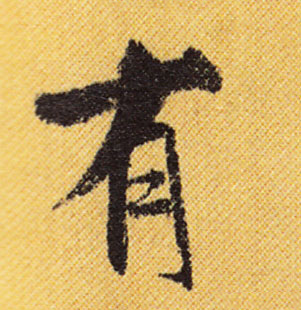
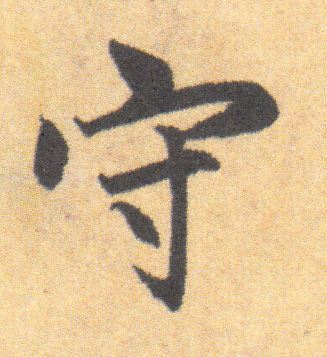
○ Medieval Gothic Script
Gothic architecture is characterized by its solid vertical lines and compact structure, symbolizing "direction, order, and continuity".
In this lesson, it represents your commitment to future rhythms: even if fluctuations exist, structures can still be continuously written, maintained, and extended.
- Written words:“"Rhythm · Presence · Continuity"”
- Writing Tips:Keep the pressure consistent for each vertical line, reminding yourself that stability comes from accumulating consistent small movements.






○ Drawing Guide: Integration of Waves and Roads
Draw a curved road in the center of the paper, making it rise and fall, to symbolize your emotional fluctuations.
Then draw a straight, thin but stable line below the road to represent your "long-term life direction".
Next, fill in the blank space between the two lines with the support strategies you've learned in the past—sleep, rhythm, diet, pacing, warning sign recognition, and energy conservation.
Finally, draw a gentle point of light at the end of the road, symbolizing that you are moving towards a "lifestyle of living in harmony with fluctuations".
Once finished, please look at the entire image for one minute and let yourself feel: the fluctuations will not destroy the road; as long as the direction is still there, you will continue to move forward.
Please log in before submitting your drawings and feelings.
○ 1260. Living with Volatility: Log-Guided Suggestions
① Write down your most genuine feelings about "emotional fluctuations that won't disappear".
② Record three moments in the past month when you successfully managed fluctuations.
③ Write a "rhythmic commitment" that you are willing to carry into the future.
Please log in to use.
You don't need to conquer volatility; you just need to become someone who can walk alongside it.
This signifies maturity and stability, and also marks a new beginning for your future life.