

Lesson 1278: Emotion Naming and Intensity Scale (0–10)
Duration:75 minutes
Topic Introduction:
In cyclothymic mood disorder, emotions come quickly, are intense, and change rapidly, making many experiences blurry—as if "everything is mixed together." The goal of this course is to help you see your emotions more precisely: name them, rate their intensity, and mark the rhythm of their changes. When you can say, "My current panic is a 7," or "My current anger is a 4 but it's rising," you step back from the vortex of emotions to the position of observer, rather than being pushed around.
We will use simple and practical exercises on a 0–10 intensity scale, combined with event recording, physical reactions, and trigger point analysis, to help you gradually build an "emotional map." You will learn to use de-escalation techniques in advance during high-intensity phases (7–10 points), practice framing changes during medium-intensity phases (4–6 points), and cultivate resilience during low-intensity phases (0–3 points). As emotions become more visible and less chaotic, you are better able to anticipate them rather than be led astray by them.
Why use "emotion naming"?
- From chaos to clarity:Naming makes emotions more concrete, making it easier for you to understand what is happening to you right now.
- Reduce the extremism explanation:When you say "This is anxiety, not panic" or "This is anger, not breakdown," the intensity of your emotions naturally decreases.
- Facilitate communication:Clear naming makes it easier for others to understand your needs, reducing misunderstandings and tension.
How to use the 0–10 intensity scale?
- 0–3 points:Mild fluctuations, suitable for self-awareness, breathing adjustments, and journaling.
- 4–6 points:Moderate intensity, requiring frame switching, reality testing, and body stabilization exercises.
- 7–10 points:During the high-intensity phase, the focus shifts to degrading techniques, safety plans, and external support.
○ Common emotional patterns in cyclothymic mood
- Hypo-agitated stage:It's easy for a player to jump from 2-3 points to 7-8 points suddenly, with a fast pace and rapid changes.
- Low point phase:Those who consistently score between 4 and 7 are particularly sensitive to criticism or rejection.
- Quick Change Mode:The price fluctuates repeatedly from low to high and then back down within a single day, making it difficult to pinpoint a "stable point."
▲ AI Interaction: Record your current emotional scale
Tell the AI: What emotion are you feeling right now? What is the intensity (0-10)?
You can also describe:
- The most recent event that caused a sudden rise or fall in mood;
- Signals from the body (heartbeat, neck and shoulders, stomach, breathing, etc.);
- What do you think are the reasons for the intensity change?
AI will help you organize this data into an "emotion curve" and provide coping strategies suitable for your current level.
○ Emotional Intensity Balance · Music Therapy
When emotions rise too quickly, music can provide a "stabilizing rhythm," acting as a buffer for the nervous system. It is recommended to choose pieces with a regular rhythm, a steady melody, and primarily featuring piano or acoustic guitar, to help reduce emotions from a 9 to a 6-7, or from a 6 to a 3-4, within a short period.
Practice method:
- When playing music, place one hand on your chest and the other hand on your abdomen;
- Exhale deeply and slowly in time with the music;
- With each exhale, re-score your emotions—you'll find the number slowly decreasing.
○ Eastern Healing Tea: Tangerine Peel Pu-erh Tea for Calming and Soothing
Recommended reasons:Dried tangerine peel promotes qi circulation, while Pu-erh tea warms the body, making it suitable for drinking when emotions suddenly surge, the body feels tense, or there is a blockage in the chest. It can relieve inner urgency and help emotions return from chaos to a controllable range.
usage:Steep 3g of Pu-erh tea and 1 small piece of dried tangerine peel in hot water for 10 minutes. When drinking, focus on the temperature and aroma, letting the "sensory anchors" bring you back to the present moment, gradually decreasing the intensity from the high-end to the mid-range.
○ Yam and Lily Bulb Soup for Calming the Heart
With yam to invigorate the spleen and lily to calm the nerves, plus a small amount of goji berries and red dates to regulate mood swings, this drink is perfect for those experiencing "high emotional intensity, physical tension, and poor sleep."
When your mood score is between 6 and 9, this type of soup can provide warm and stable energy in a short period of time, making you feel capable of handling your emotions rather than being overwhelmed by them.
Nourishes the lungs and calms the mind
Soup therapy
Healing Recipes
/home2/lzxwhemy/public_html/arttao_org/wp-content/uploads/cookbook/hong-zao-gui-yuan-ge-zi-tang.html(Please confirm that the file has been uploaded: hong-zao-gui-yuan-ge-zi-tang.html)
Psychological Mandala
Psychological Healing: Psychological Mandala - Thoughts 23
A mandala is not about drawing something, but about observing it.
Imagine concentric circles ranging from light to dark, with each circle representing an emotional intensity: the center is a soft spot of light with an intensity of 0–2 points, and the outer circle is a dark ripple with an intensity of 8–10 points.
Please slowly bring your gaze back to the center from the outer circle. Don't rush; just let your eyes move between "high intensity" and "low intensity".
As you watch, you'll find that while your emotions may rise to the outer edges, you have the ability to bring your attention back to the center.
The practice is: I can see the intensity and choose to stop in a more stable place.
It is recommended to watch it 1–2 times when the emotional score is above 7 to help the nervous system de-escalate.
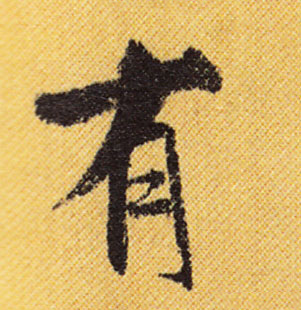
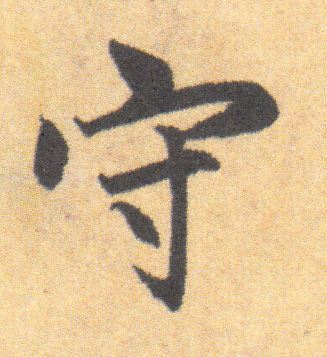
○ Chinese Calligraphy - Running Script
The rhythm of running script naturally aligns with "emotional scale practice": it has fast and slow, light and heavy, ups and downs, yet it always maintains a sense of fluidity.
When the intensity of emotions is between 6 and 9, writing in running script can help the body return from a rapid state to a "tunable range," reducing intense psychological fluctuations.
- Written words:“"Gradual", "Stable", "Tolerable".
- Writing Tips:Each stroke is synchronized with your breathing rhythm, making the lines your "rhythmic anchor".
- Additional practice:When the intensity drops to 3–4 points, write another line saying “I’m back” to help your body remember this turning point.






“`
○ Drawing Guide: My Mood Scale
Draw a horizontal line on a piece of paper from left to right, and divide it into scales of 0–10.
Rate your mood at different times of the day on a scale, for example, "10 a.m.: Irritable 6 points", "3 p.m.: Depressed 4 points", "Evening: Calm 3 points".
Then write down the triggering event or physical reaction next to each tick mark, making this chart your "emotional diary".
After completion, do not evaluate, but only observe the rhythm of emotional fluctuations: they are not random, but can be understood, recorded, and tamed.
Please log in before submitting your drawings and feelings.
“`
○ 1278. Emotion Naming and Intensity Scale: Journaling Guidance Suggestions
① Write down three emotions you experienced today and assign each one an intensity rating of 0–10.
② Record the strongest fluctuation: What was the event? What signals did your body send?
③ Write a sentence that you would like to remind yourself when you achieve a score of 7 or higher next time.
Please log in to use.
The more emotions are seen, the more they can be regulated. When numbers appear, you've already stepped back from the storm of emotions and returned to the helm.