

Lesson 1279: Identifying and Proactively Responding to Provoking Situations
Duration:75 minutes
Topic Introduction:
In the emotional rhythms of cyclothymia, many fluctuations don't occur out of thin air, but are driven by specific "triggered situations"—minor cues, relationship interactions, changes in physical condition, or stress factors can all cause emotions to suddenly escalate from a stable zone to an unstable zone. This lesson will help you systematically identify these triggering factors: Which events are most likely to induce hypomania? Which situations make you particularly prone to depression? Which interpersonal scenarios evoke intense sensitivity or self-doubt?
By organizing the chain of "warning signs - triggering event - emotional change," you can anticipate risks before emotions spiral out of control and develop robust "proactive coping strategies": adjusting your pace, changing your environment, reducing stimuli, and activating your support system. The goal is not to avoid all triggers, but to ensure that when a trigger occurs, you are no longer driven by your emotions, but instead have a clear and proactive space for action.
○ Common triggering situations
- Relationship-related triggers:Information delays, changes in tone, disputes, misunderstandings, or being ignored.
- Physical triggers:Insufficient sleep, excessive fatigue, irregular eating habits, and hormonal changes.
- Stress-related triggers:Task backlog, approaching deadlines, chaotic environment, unexpected life events.
How to identify your own triggering chain?
- Premonitory signals:Breathing becomes shallow, heart rate increases, and thoughts suddenly become faster or slower.
- Key events:A single sentence, a scene, a moment of silence, a rejection.
- Mood changes:A jump from 3 points to 6 points, a sudden shift from calm to sensitivity or excitement.
○ Preemptive Coping
- Context adjustment:Reduce stimulation, minimize confrontational situations, and clarify boundaries in advance.
- Rhythm regulation:Use your breathing, the feeling of your body landing, and short rests to slow your ascent.
- Supported Systems:In the event of a high-risk incident, communicate with someone who is familiar with your emotional rhythm.
▲ AI Interaction: Find Your "Trigger Pattern"“
Tell the AI: What was the last event that caused you to suddenly feel a surge or a sudden drop in mood?
describe:
- What happened? (The incident)
- What rapid changes are occurring in your body? (Early warning signs)
- From what score did the emotional intensity jump to what score? (Scale change)
AI will help you analyze the triggering chain and generate a "preemptive response script" tailored to your needs.
○ Pre-trigger calming rhythms: Music therapy
When you notice any warning signs (such as tension, increased speed, or tightness in the chest), play slow-paced music to help your nervous system shift from "entering alert" to "remaining under control."
Practice method:
- While listening, lightly touch the table or your thigh with your hand, maintaining a rhythm of once per second.
- Exhale slightly longer than inhale, allowing your body to slowly slide back from the activated zone to the stable zone.
- Imagine your emotional scale slowly decreasing from 7 to 4-5.
○ Oriental Healing Tea: Osmanthus and Tangerine Peel Soothing Tea
Recommended reasons:Osmanthus flowers soothe emotions, while dried tangerine peel regulates Qi, making it suitable for drinking when premonitions of an impending crisis appear. When you feel anxious, have a tightness in your chest, or your thoughts are racing, the aroma of tea can help relax the sympathetic nervous system and slow down the escalation of your emotions.
usage:Add a small amount of osmanthus flowers and a small piece of dried tangerine peel to hot water and steep for 6–8 minutes. When drinking, focus on the aroma and temperature, and let your senses bring you back to the present moment.
○ Lotus Seed and Lily Bulb Soup
Lotus seeds soothe the nerves, lilies nourish the heart, and adding red dates and a small amount of goji berries can stabilize anxiety, urgency, and sensitivity caused by triggering situations.
Drinking it during high-intensity periods (such as periods of accumulated stress, strained relationships, or disrupted rhythms) can help maintain an "inner sense of grounding," preventing you from being led astray by your emotions.
Balanced rhythm
Soup therapy
Healing Recipes
/home2/lzxwhemy/public_html/arttao_org/wp-content/uploads/cookbook/hua-sheng-zhu-nao-tang.html(Please confirm that the file hua-sheng-zhu-nao-tang.html has been uploaded)
Psychological Mandala
Psychological Healing: Psychological Mandala Imagery 24
A mandala is not about drawing something, but about observing it.
Imagine a constantly rotating outer ring, symbolizing "the internal disturbances brought about by the inducing situation";
At the center is a stable, quiet spot of light.
Please shift your gaze between the rotating outer ring and the center, and feel that no matter how fast the outer ring moves, it cannot shake the existence of the center.
The key point of the exercise is: triggers may occur, but you can always choose to return to the center.
The process of watching trains the brain's ability to return from the emotionally activated area to the moderating area.
It is recommended to watch the video once when "early warning signs" appear to help slow down the video in advance.
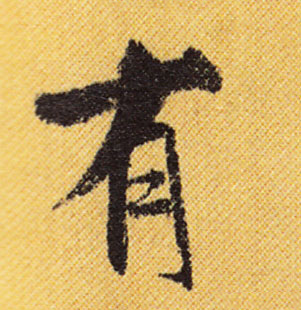
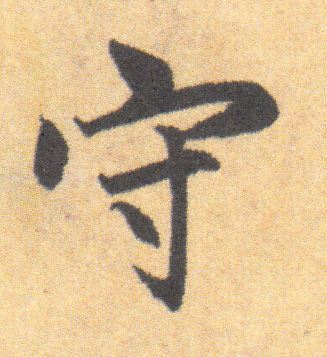
○ Chinese Calligraphy - Running Script
The fluidity of running script is very suitable for conditioning exercises before inducing a reaction.
When you notice that your pace has quickened, your emotions have risen, and your body is tense, writing in cursive script can pull your rhythm back from the outside world to your inner self.
- Written words:“"Take it slow" and "stabilize the situation first."
- Writing Tips:Make each stroke a little slower than you expect, creating a new inner rhythm.
- Additional practice:After completing this, write a sentence: "I see the trigger, and I also see myself."“






“`
○ Drawing Guidance: My Trigger Map
Draw a large circle (the stable zone) on a piece of paper, and draw several small dots around the outer edge to represent your past triggering situations: being ignored, stress, arguments, fatigue, poor sleep, unfamiliar scenes, etc.
Then draw a line from each trigger point back to the central stable area, and write down the advance strategies you can use at the connection points: deep breathing, pausing, drinking tea, perspective-taking, seeking support, leaving the trigger zone.
Once finished, look at the whole picture and realize that the clearer the trigger points are, the less likely you are to be led astray by them.
Please log in before submitting your drawings and feelings.
“`
○ 1279. Contextual Recognition and Log-Guided Suggestions
① Write down one trigger that happened to you today.
② Describe how it made your mood jump from one point to another.
③ Write down the "preemptive response strategies" you want to use in the future.
Please log in to use.
Identifying triggers is the first step to regaining control of your emotional rhythm. When you can prepare in advance, emotions can no longer easily defeat you.