

Lesson 1280: Overview of the Four Key DBT Skills: Mindfulness, Pain Tolerance, Emotion Regulation, and Interpersonal Effectiveness
Duration:75 minutes
Topic Introduction:
Dialectical Behavior Therapy (DBT) is one of the most commonly used and effective skill sets for cyclothymic disorders. It helps you find an "operable stability point" between intense mood swings, impulsive behavior, relationship tension, and self-doubt. This course will guide you to quickly master the four core competencies of DBT:
Mindfulness allows you to step back from your emotions and remain aware without being swept away;
Pain tolerance teaches you to stay safe during moments of intense emotion and avoid doing things that make the situation worse;
Emotion regulation helps you understand the mechanisms by which emotions are generated and restore emotional stability through rhythm, reframing, and physical regulation.
Interpersonal effectiveness enables you to express your needs, protect your boundaries, and maintain connections in relationships.
When these four skills work together, you gradually become able to maintain direction in emotional storms and remain stable amidst relationship fluctuations.
▲ AI Interaction: Which DBT skill do you need most today?
Tell the AI: What are your emotions today? (Hyperactivity/Depression/Sensitivity/Impulsiveness/Fatigue, etc.)
AI will match you with the most suitable "ready-to-use strategy" from the four DBT skills.
○ DBT Rhythm Support & Music Therapy
DBT emphasizes "rhythm and awareness," making music a natural aid. Choosing music with a stable rhythm and high repetition helps your nervous system recover from disorder to a more manageable state.
Suggested practice:
- After playing music, close your eyes and observe your breathing for 1 minute (mindfulness).
- When emotions are heightened, use the rhythm of music to do "stabilizing rhythm exercises".
- Listen for 2 minutes before a stressful relationship situation as a "preparatory adjustment".
○ Eastern Healing Tea: Red Date and Longan Soothing Tea
Recommended reasons:Red dates replenish qi, while longan calms the mind, making them suitable for consumption after learning DBT skills, allowing the newly acquired stability experience to more easily "land in the body." Especially after pain tolerance training, it can help restore from tension to a supple state.
usage:Soak 2-3 red dates and 2 longans in hot water for 8 minutes. Observe the temperature, aroma and soothing sensation in the throat when drinking.
○ Lily and Lotus Seed Nourishing Soup
During DBT training, stable physical energy is crucial for maintaining emotional regulation. Lily bulbs soothe the mind, lotus seeds calm the nerves, and red dates replenish energy, helping you maintain a basic state of "physical stability and mental composure" during complex emotional exercises.
It is especially suitable for consumption after practicing pain tolerance and emotional regulation, allowing the body to enter a new rhythm that is easier to learn.
Support for emotional training
Soup therapy
Healing Recipes
/home2/lzxwhemy/public_html/arttao_org/wp-content/uploads/cookbook/jiang-huang-feng-mi-wen-shui.html(Please confirm that the following has been uploaded: jiang-huang-feng-mi-wen-shui.html)
Psychological Mandala
Psychological Healing: Psychological Mandala - 25 Thoughts
A mandala is not about drawing something, but about observing it.
Imagine a four-petaled halo, each petal representing a DBT skill: mindfulness, pain tolerance, emotion regulation, and interpersonal efficacy.
The light lobes expand and retract continuously in a breathing-like manner, symbolizing the four abilities circulating and working in synergy within you.
While watching, let your eyes move slowly between the four petals, feeling yourself no longer being dragged away by emotions alone, but being supported in a complete system.
The goal of this exercise is to be able to think of at least one skill when emotions are fluctuating, rather than getting stuck in the present moment.
You can watch it once before relationship stress or heightened emotions to remind yourself that "the skills are here".
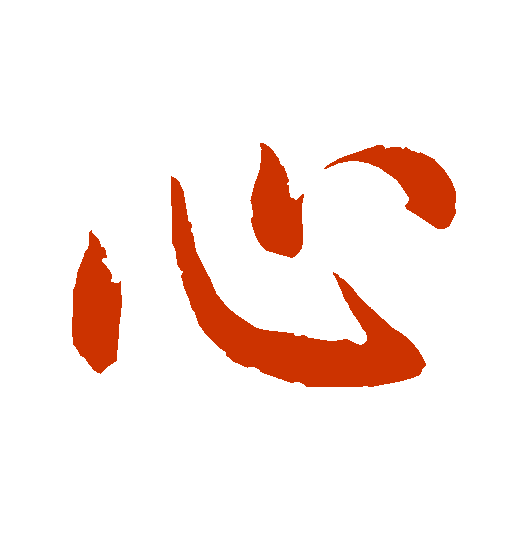
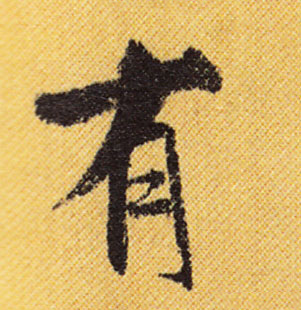
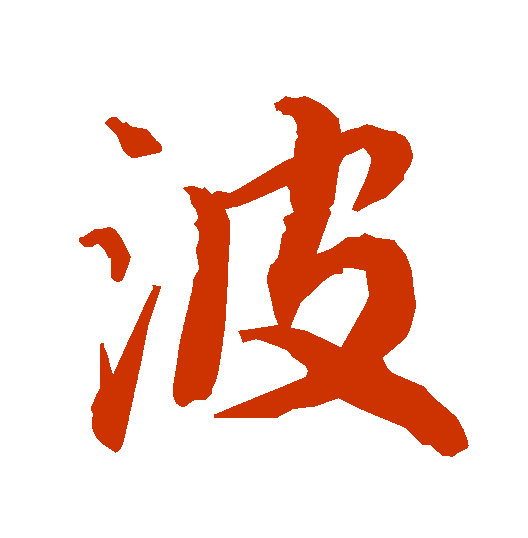
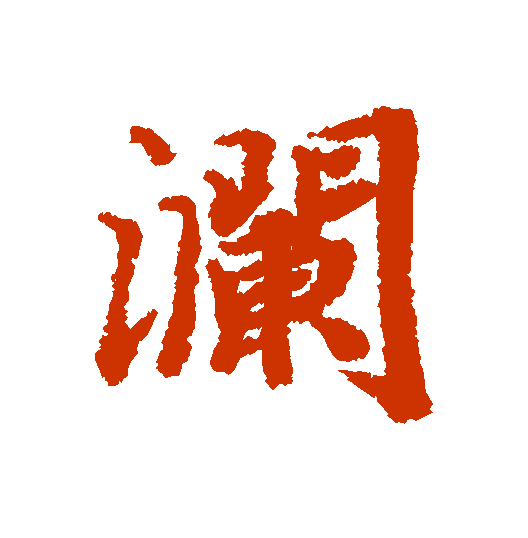
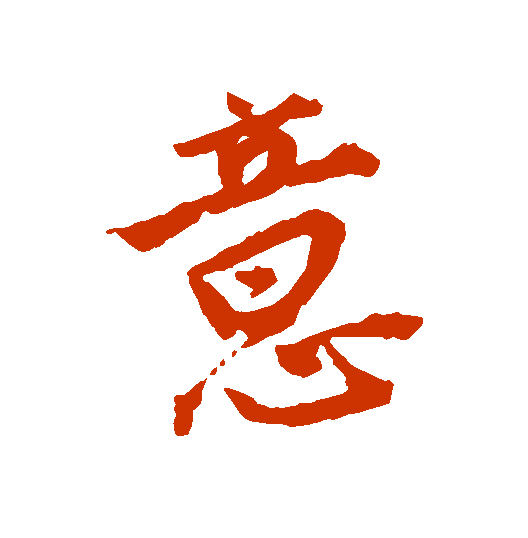
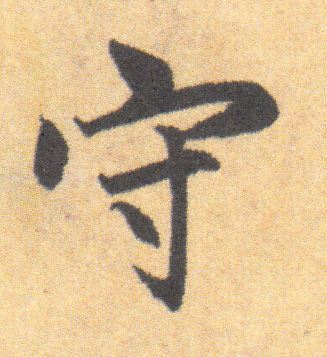
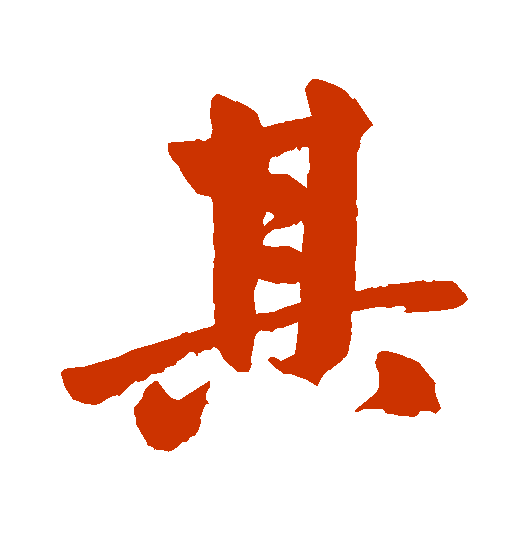
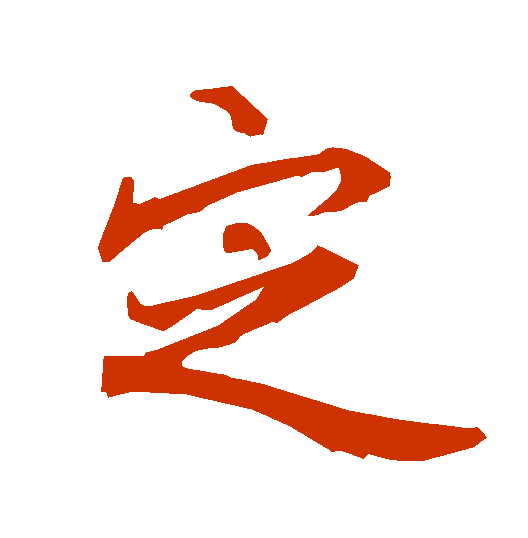
○ Chinese Calligraphy - Running Script
The flowing, breathing-like rhythm of cursive script aligns perfectly with the rhythms of the four skills of DBT. Through writing, one can train the internal rhythm of "slowing down—awareness—expression," making the skills easier to internalize.
- Written words:“"Stability, clarity, gentleness, and insight".
- Writing Tips:Each stroke is coordinated with your breath, focusing your attention on the moment of transition in the brushstroke.
- Practice suggestions:Writing after practicing pain tolerance or interpersonal efficacy helps integrate the experience.
“`
○ Drawing Guide: My DBT Four Quadrant Chart
Draw a large square on a piece of paper and divide it into four quadrants: mindfulness, pain tolerance, emotion regulation, and interpersonal efficacy.
Write down the skills you use most often or need to improve most in each quadrant, such as "Mindfulness: Three-second pause", "Pain tolerance: Clenching and releasing fist", "Emotion regulation: Number labeling", and "Interpersonal effectiveness: Clear expression".
After completion, please view the entire image to help your brain build a clear "skill map" so that you can quickly access your skills when an emotional storm arises.
Please log in before submitting your drawings and feelings.
“`
○ 1280. DBT Four Key Skills: Log Guidance Suggestions
① Write down the one DBT skill you need most today and explain why.
② Record your process of using this skill: What are its advantages? What are the difficulties?
③ Write a reminder that you would like to continue carrying with you tomorrow.
Please log in to use.
DBT is not a technique, but a set of skills that allow you to regain control over your rhythms, relationships, and emotions. When these four skills come together, you possess a truly stable system.