

Lesson 1287: Action Tendencies and Opposite Actions
Duration:75 minutes
Topic Introduction:
This lesson will introduce the crucial "Action Urge" and "Opposite Action" techniques in DBT, helping you regain control of your emotions when driven by intense feelings. When emotions run high, the body often reacts in the fastest and most instinctive ways, such as running away, arguing, blocking others, remaining silent, binge eating, or self-harm; these behaviors provide temporary relief but often lead to more chaos afterward.
The opposite action is not about denying emotions, but rather choosing the opposite behavior to the impulse when you recognize that the emotion is "real but not entirely reliable," thus realigning your nervous system with the environment. For example: if you want to escape, stop; if you want to shout, slow down; if you want to isolate yourself, stay in the scene for a minute.
This course will guide you to identify your behavioral tendencies, determine whether your emotions accurately reflect reality, and design "executable countermeasures" so that you can maintain a stable path even when you most want to lose control.
▲ AI Interaction: Find your "Emotional Impulse Button" and the Opposite Action
Please write down the most recent situation in which an emotional impulse almost controlled you: What happened? What did you most want to do immediately? Escape? Smash? Cry? Disappear? Seek revenge?
Next, write down a corresponding "opposite action" for each impulse. For example: want to escape → stay for 60 seconds; want to yell → exhale for 8 seconds; want to isolate yourself → send a simple message.
Write down your biggest fears about the consequences of taking the opposite action, and honestly confront these fears.
Finally, choose two opposite actions from all the options that you can actually do today and make a "1287 Opposite Actions List".
In conclusion: taking the opposite action is not about rebelling against yourself, but about freeing yourself from being led by your emotions.
Click the button below to create your own "Action Tendency - Opposite Action Immediate Response Chart" with AI.
○ Opposite Actions: Music Therapy
When impulses arise, play a piece of music with a steady rhythm and clear melody, letting it act as a metronome to "turn around and do the opposite."
If you want to escape, focus on your breathing for the first 30 seconds of the music; if you want to explode, move slowly to the melody; if you want to sink, gently sway your body to the beat.
Let music be a soft shield between you and your impulses, rather than fuel that ignites them.
Aromatherapy Drink: Lemon Balm Soothing Drink
Recommended reasons:Lemon balm has a soft citrus note, combined with a mild calming effect, which helps to loosen the tension in your body when your emotions are pushing you to "do something." Drinking it is like pressing a "buffer button" on a strong urge to act.
usage:Take 3 grams of lemon balm and steep it in 90℃ hot water for 4–5 minutes. Before drinking, take three deep breaths of the aroma to bring your attention back from "rushing out" to "stabilizing first".
○ Simple Whole Grain Warming Bowl (Christian Fasting Style)
It mainly uses oats, quinoa, and root vegetables, with minimal seasoning, emphasizing stability, simplicity, and grounding.
Borderline mood swings are often accompanied by extreme eating habits: binge eating, complete fasting, or sugar cravings. Fasting provides "non-stimulating, stable energy," helping the body regain its rhythm and making it easier for the brain to perform the "opposite action."
This food is not a punishment, but a way to return to the center, to bring the heart back from chaos to peace.
Gentle and burden-free
Reduce impulses
Healing Recipes
/home2/lzxwhemy/public_html/arttao_org/wp-content/uploads/cookbook/sakamushi-asari.html(Please confirm that sakamushi-asari.html has been uploaded)
Psychological Mandala
Psychological Healing: Psychological Mandala Imagery 37
No need to draw, just watch.
Focusing on the center of the mandala is like focusing on "the point where the impulse arises".
Let your gaze slowly expand outwards, and you'll see patterns, structures, and order—these lines remind you that there's more than one option for action.
If you feel your body lurching forward, stop at a certain line and let your breath catch up with you, as if gently saying to the impulse, "Wait a minute."“
The circle of the mandala tells you: you can temporarily stop rushing outwards, but return to the center and then decide on the next step.
I viewed the mandala three times, each time silently telling myself, "I'll stop for a moment; I have other options."“

○ Italian Renaissance · Humanist Script
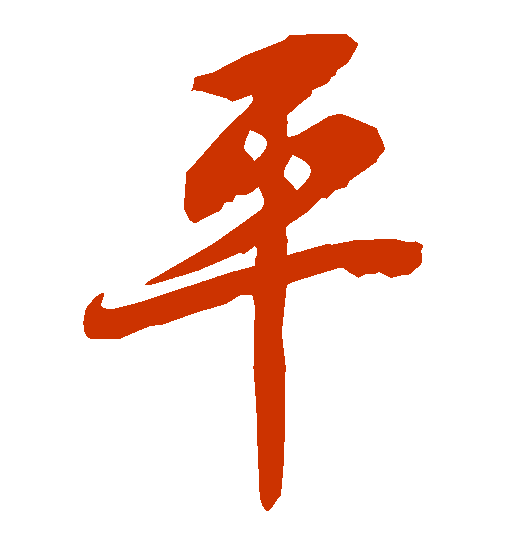
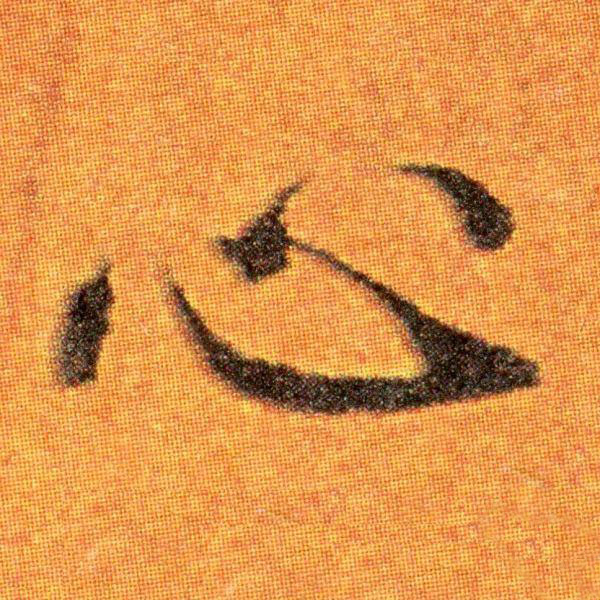
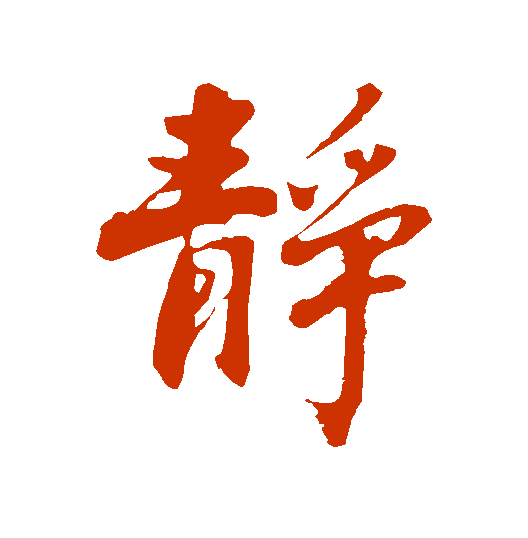
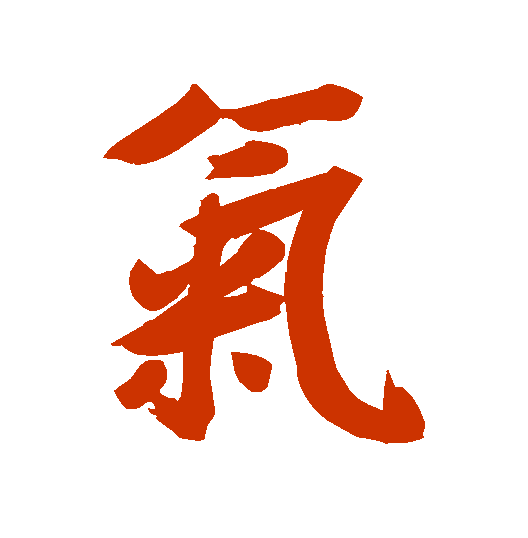
The balanced structure of the Humanist Script symbolizes "I can avoid being dragged along by my emotions." Writing before and after practicing opposite actions can rearrange inner chaos into a rhythm.
The equal spacing between letters allows you to experience "I can distance myself from impulses" when writing.
- Sentence writing:
- I can choose a different action.
- I can choose different actions.
- Writing Tips:
-
Please write the sentence stroke by stroke, keeping the height and width of each character stable, as if you are rebuilding your internal order.
When you most want to "do something powerfully," make writing the opposite action: slow, clear, and controlled.
○ Opposite Actions: Guiding Suggestions for Art Therapy
This course transforms the internal conflict of "action tendency - opposite action" into images, allowing you to visually understand how you move from "being pushed by emotions" to "I can choose".
Painting is not for aesthetic purposes, but to show you that there is actually a gap between impulse and choice where you can stand firm.
I. Two-Path Diagram: Impulse vs. Opposite Action
- Draw two paths that split from the same point: one is winding and rapid, and the other is smooth and long.
- Write "Inclination of Action" on the left and "Opposite Action" on the right.
- For each path, mark the behaviors you frequently perform and the behaviors you aspire to perform.
II. Emotion Button Chart
- Draw three "buttons": the fear button, the anger button, and the shame button.
- Label each button with its corresponding impulsive action and the feasible opposite action.
- After completion, observe: Which button is the easiest to press?
If you experience emotional fluctuations while painting, please stop, drink some water, and remind yourself: you are learning a new "direction of action," which is courage, not failure.
Please log in before submitting your drawings and feelings.
○ 1287. Action Tendencies and Opposite Actions: Journal-Guided Suggestions
① Write down your most obvious behavioral tendency today (escape, shout, hide, cut off contact, impulsive charge, etc.).
② Describe the trigger points and physical reactions that caused it.
③ Write down an “opposite action” for this impulse and explain why it would help you.
④ Try the opposite action once and record the process: difficulties, emotional changes, and physical changes.
Please log in to use.
Conversely, taking action allows you to reclaim your freedom, which is just a step away, when you are most tempted to be led astray by your emotions.