

Lesson 1318: When I draw my emotions, I can finally see myself.
Duration:75 minutes
Topic Introduction:
In the experience of disruptive mood disorder (DMDD), emotions often come quickly and intensely: you only know that you "exploded," "bombed," and "couldn't hold back," but it's hard to explain exactly what happened; sometimes even you don't understand—am I angry at the other person, or angry at myself? Am I sad, scared, or just too tired?
This course focuses on a gentle yet powerful turning point: when you stop relying solely on language or control to deal with your emotions, and instead try to draw them—using color, lines, and shapes to give your emotions a place to be seen and placed. Together, we will practice: how to distinguish the textures of different emotions on paper, how to draw "my current state," rather than "how I should be"; and, when you look at the drawing you've created, how to gradually acknowledge: I've always been here, but no one has taught me to see myself this way before. The course will combine the soothing effects of aromatherapy drinks, the symbolism of Christian fasting—"reducing external noise and returning to inner truth"—the slow writing rhythm of Humanist script, and the contemplative exercise that "mandalas are not about drawing something, but about observing," to guide you through a quiet and honest path of self-discovery amidst chaotic emotions.
[arttao_Healing_Course_tts_group1318_1322]
▲ AI Interaction: Write a "Narration Card for an Emotional Painting"“
Imagine you're drawing a picture that represents "your most recent self." It doesn't need to be beautiful, just honest. First, decide in your mind: what is the dominant color tone of the emotion in this picture? Gray, black, red, blue, chaos, blank space?
Next, please write a "commentary card" for this painting, including three parts: ① The name of the emotion that this painting wants to express (there can be multiple); ② What these emotions want to say to you; ③ Your current response to this painting, that is, to yourself.
You don't necessarily have to draw it right away, but you can pave the way for the image with words first, so that your future self has the opportunity to truly meet yourself on paper.
Click the button below to write the first description card for your emotional artwork with the help of AI, allowing the "unclear self" to gradually emerge.
○ Before putting emotions on paper: Music therapy
Before you start drawing, choose a piece of music with a steady rhythm and no strong highs and lows, so that it can serve as a buffer zone between you and the drawing paper.
When listening, don't rush to decide what to draw. Just let the music help you "thaw" your emotions today: allow yourself to feel sore, blocked, numb, or uncomfortable without explanation or justification.
When you feel your body is ready to move a little, pick up your pen and let the first line fall with the music—at that moment, you're not taking an exam, but giving your emotions an outlet.
○ Aromatherapy Drink: Orange Blossom, Chamomile, and Lavender Mindful Painting Drink
Recommended reasons:To express emotions through art, you need a state of being "both clear-headed and not overly tense." Orange blossom brings a feeling of being gently seen, chamomile soothes tension, and lavender helps you take a step back from excessive excitement or high pressure, allowing you to have space to observe and feel rather than just control or outburst in front of the paper.
usage:Steep 1.5g of orange blossom, 2g of chamomile, and 1g of lavender for 4–5 minutes. Take a few sips before or after painting, and tell yourself, "I'm not finishing a work; I'm just giving my emotions a place to rest." Let the aroma be a gentle transition between you and the canvas.
○ Simple Grain and Root Vegetable Bowl (Christian Fasting Style)
When emotions accumulate for too long, it's easy to fill yourself up with various external stimuli: scrolling through your phone, watching TV series continuously, or binge-eating junk food, trying to "cover up" those unspeakable feelings.
The symbolism of fasting is to press the pause button on these excessive stimuli—to shift attention from the ever-flowing desires back to the core question, "What do I really need?"
Cook a simple meal with a small amount of whole grains, root vegetables, and mild seasonings, and while eating, ask yourself: "If I didn't need to show anyone today, what would my true feelings be like right now?"“
This simple meal isn't meant to make you "aloof," but rather to help you detach from the overwhelming external input, giving you some space to honestly face the self that's about to be drawn on paper.
Return to your inner self
Be honest with yourself
Healing Recipes
/home2/lzxwhemy/public_html/arttao_org/wp-content/uploads/cookbook/lotus-soup.html(Please confirm that lotus-soup.html has been uploaded)
Psychological Mandala (Viewing)
Psychological Healing: Psychological Mandala Imagery 65
Before you start drawing your emotions, you can practice a lighter way of "seeing".
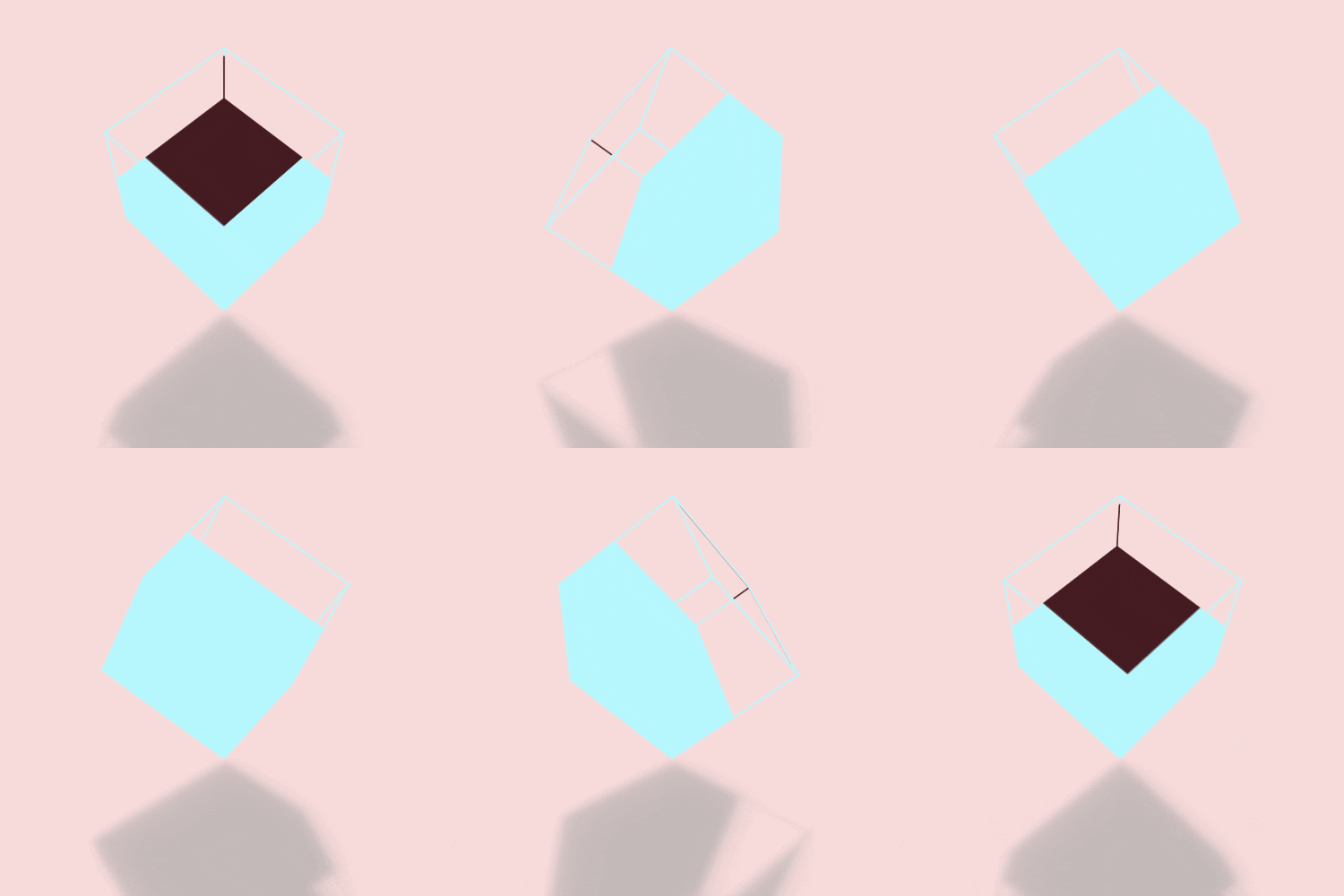
A mandala is not about drawing something, but about observing it—when you gaze at the center of the mandala, imagine it as a blank canvas reserved for "yourself today".
The regular or flowing lines on the outer ring symbolize the various norms, evaluations, and gazes of others that you have experienced in your life, while the central area represents your true state: chaos, emptiness, fragmentation, or heaviness are all acceptable.
While watching, whisper to yourself, "I'm willing to try to see myself today, not the version others expect me to be."“
Move your gaze back and forth between the center and the outer edge, as if reminding yourself: I can first see the real me in my mind, and then decide whether and how to draw it on paper.
○ Italian Renaissance · Humanist Script
When you're used to judging everything by "how good it looks," "how realistic it is," or "how well it's drawn," it will feel very strange to switch to "only drawing yourself in the present moment."
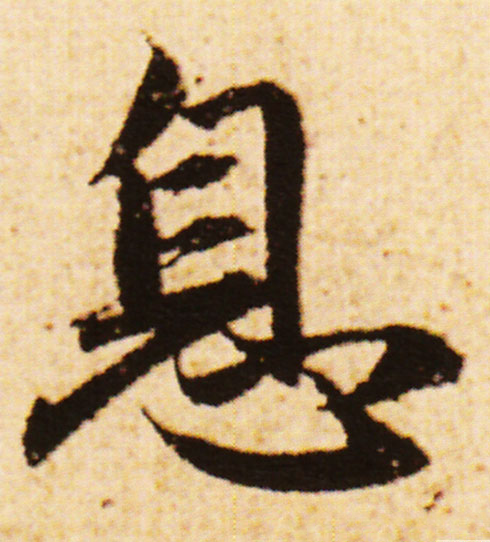
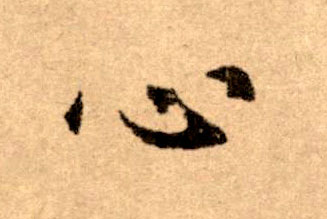
Humanist Script is even, clear, and imbued with human warmth, making it a vehicle for practicing another attitude: I'm not taking an exam, but practicing honestly facing myself.
- Sentence writing:
- When I draw my feelings, I can finally see myself.
- Only when I drew my emotions did I finally see myself.
- Writing Tips:
- Write these two sentences stroke by stroke, keeping the spacing between each letter stable, without rushing or being impatient, just as you are reserving a fixed space for "seeing yourself".
You can write this sentence before you start drawing, as a permission for yourself: What I am about to draw is not what others consider good or bad, but what is truly in my heart.






○ Draw your emotions: Guidance on art therapy
The focus of this lesson is not on whether the drawing is good or bad, but on bringing your emotions from your body onto the paper, allowing you to confront yourself for the first time by "seeing" rather than just "bearing" them.
I. Today's Mood Weather Map
- Draw a sky on a piece of paper; it can be sunny, cloudy, rainy, or have chaotic clouds, whatever you feel.
- Use colors, lines, shadows, and blank spaces to draw your "mood weather" for today: where it's stuffy, where it's thundering, and where there's a little bit of light.
- Write a caption in the corner of the image: "This is the weather I'm experiencing today." No comment, just a record.
II. The House of Emotions: Giving Each Feeling a Room
- Draw a simple "house of emotions," divided into several small rooms: anger, sadness, fear, resentment, exhaustion, numbness, peace of mind, hope, etc. You can name them yourself.
- In each room, use colors, lines, or symbols to represent "the frequency and intensity of this type of emotion that has recently occurred".
- Finally, observe the whole house: Which room is crammed full? Which room is almost empty? Say to yourself, "So this is me recently." Don't rush to tidy up, just focus on what you see.
Please log in before submitting your drawings and feelings.
○ 1318. Draw your emotions – Journal guidance suggestions
① Write down your most common thoughts about “drawing” in the past (e.g., I draw badly, it’s a waste of time, it’s useless), and how they prevent you from expressing your emotions.
② Record what colors, lines, and shapes you would choose to draw your current state today. Simply describe it in words.
③ Write a sentence for that "painting that hasn't been painted yet": What do you hope it will express that you've always been unable to say?
④ Complete the sentence: "When I drew my emotions, I finally began to see the... within myself, and this made me feel a little..."“
Please log in to use.
May this lesson be a beginning: when emotions are put on paper, you finally have the opportunity, gently and truthfully, to see yourself striving to live.