

Lesson 1340: Summary of Disruptive Mood Disorders
Duration:75 minutes
Topic Introduction:
Reaching Lesson 1340 in your journey of learning about Disruptive Mood Disorder (DMDD) doesn't mean the end, but rather that it helps you integrate all your past understanding, practice, reflection, setbacks, and growth into a long-term care strategy that you can truly apply to your life. This lesson will guide you through a re-examination of the core mechanisms of DMDD: oversensitivity of the emotional system, difficulty in neuromodulation, low frustration tolerance, the cumulative damage from social misunderstandings, outburst patterns under mental and physical overload, and how the family and school environment jointly influence your rhythm. You will see how the skills practiced in previous lessons are strung together into a "repeatable path": recognizing bodily signals, marking pre-outburst warning signs, creating a 5-minute safe haven, using emotion quantification methods, practicing pausing for 1–3 seconds, learning to reflect instead of blaming yourself, and how to slowly rebuild relationships after conflict. This course integrates 24 types of Eastern healing teas and 40 kinds of Chinese food therapy soups, symbolizing daily care, the steady brushstrokes of Chinese calligraphy (clerical script), and the calming gaze of "a mandala is not about drawing something, but about observing," to help you confirm that you are not defined by your emotions, and that you are learning a sense of power that you can carry throughout your life.
▲ AI Interaction: Create Your Own "Lifelong Care Strategy Map"“
The final course of DMDD doesn't stop at theory, but helps you combine all the content into a "map that I can rely on in the future".
- ① Write down your three most frequent emotional storm patterns (e.g., outburst, withdrawal, freeze).
- ② Write down the “effective steps” you have learned for each pattern: for example, pause for 3 seconds, walk to a safe corner, express your emotions with numbers, and ask for brief companionship.
- ③ Write down the long-term strategy you most want to stick to (e.g., exercise at a fixed time, "relationship review" once a week, maintain a daily rhythm).
- ④ Write a sentence of your "Lifelong Care Declaration":
“"I won't be perfect, but I will keep practicing."”
Work with AI to rewrite this sentence in a way that better reflects your own personality.
Click below to help AI organize your DMDD maintenance map and give you a better sense of direction for the future.
○ The Return of a Stable Rhythm: Music Therapy
Choose a song that you can listen to repeatedly and find peace of mind; it doesn't need to have dramatic ups and downs, but rather a feeling of returning to your own rhythm.
During the first 20–30 seconds of listening, whisper to yourself:
“I can take it slow; I’m getting back into my rhythm.”
Music will be one of your important tools for regulating your emotions in the future; let it be a "soothing button" that you can activate at any time.
○ Eastern Healing Tea: Astragalus and Longan Warming Tea
Recommended reasons:Astragalus replenishes Qi and longan calms the mind, symbolizing "stabilizing the core and replenishing inner strength." It is very suitable for use in the review, reflection, or recovery phase after a storm, making you feel "I still have the strength to keep going."
usage:Soak 2 slices of astragalus root and 2-3 longans in hot water for 8 minutes.
With each bite, I reminded myself: "Recovery is not regression, but a part of growth."“
○ Yam and Lily Bulb Soup for Stability (Chinese Dietary Therapy - Soup)
Yam symbolizes long-term care, while lily is considered a "soothing agent," suitable for helping the body return to a stable state after prolonged emotional fluctuations.
This soup reminds you that stability is not a one-time goal, but a journey that can be accumulated over time.
When drinking soup, please say to yourself:
“"I am building up my resilience for my future self."”
Make every bite an integral part of maintaining your long-term emotional health.
Stable Emotional System
Suitable for daily care
Healing Recipes
/home2/lzxwhemy/public_html/arttao_org/wp-content/uploads/cookbook/black-bean-veg-stew.html(Please confirm that black-bean-veg-stew.html has been uploaded)
Psychological Mandala (Viewing)
Psychological Healing: Psychological Mandala - 91 Thoughts
A mandala is not about drawing something, but about observing it.
Imagine the center of the mandala as the "core stability point," representing your strength that always exists amidst the storm.
Each line on the outer ring symbolizes the skills you learned in lessons 1321-1340: pausing, quantification, reflection, relationship support, safe space, body language, emotional language, and rhythm management.
While gazing at the center, say to yourself:
“"All my practice is gradually forming a more stable version of myself."”
Then let your gaze slide along the outer ring, imagining these 20 lines gradually weaving into an "emotional container" to protect you.
You don't have to become a perfect person, but rather learn to find the center of the storm.

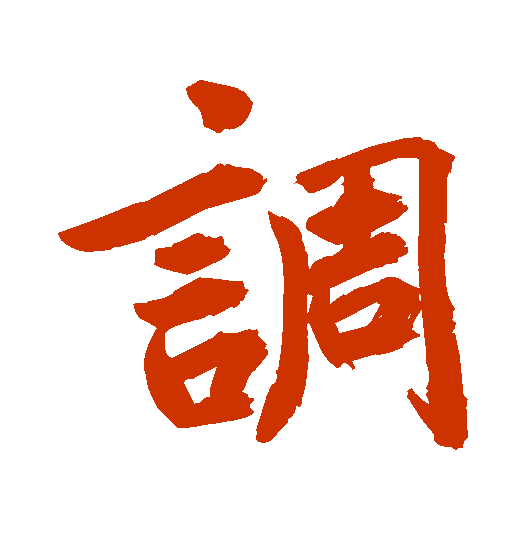
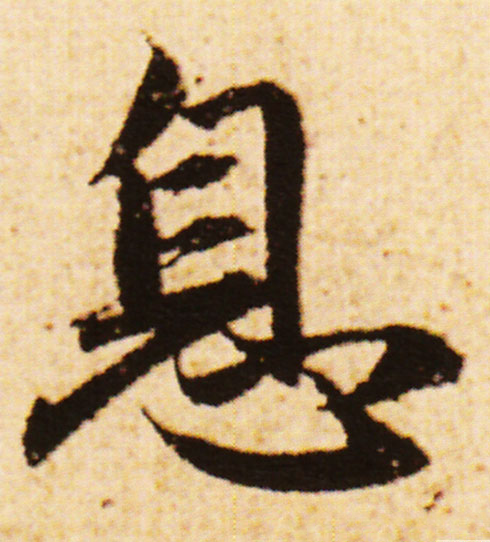
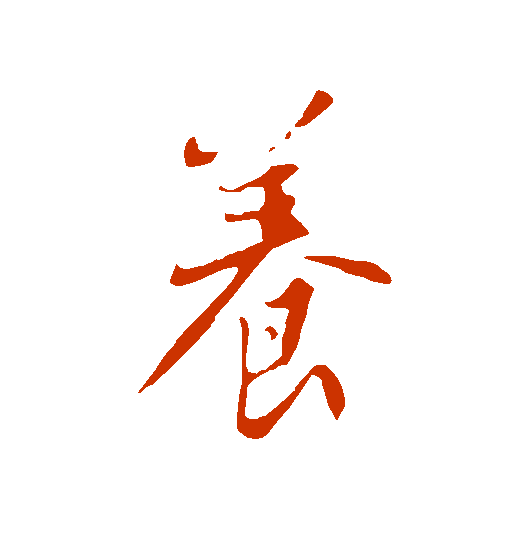
○ Chinese Calligraphy - Clerical Script (Write down your long-term maintenance message)
In the summary lesson, you should write down a "solid sentence for the future." The solid structure and slow rhythm of the clerical script symbolize that your steady practice is transforming into energy.
- Sentence writing:
- I will continue to practice so that I can become more stable, clearer, and more powerful in the future.
- I will keep practicing, becoming steadier and stronger over time.
- Writing Tips:
- I deliberately slowed down when writing, making each stroke feel like a promise to the future.
After writing it, stare at the sentence for 10 seconds and say to yourself:
“"This is not the end, but the beginning of my long-term care journey."”





○ Integrating Skills and Future Pathways: Art Therapy Practice
In the final lesson, images are used to integrate all the skills you've practiced into a "stable map of the future," allowing you to find your way again when you're lost.
I. My Emotional Skills Tree
- Draw a big tree, and write down the "basic skills" you learned in lessons 1321-1340 on the roots: pausing, tea ceremony, body awareness, quantifying emotions, etc.
- The tree trunk is inscribed with "The abilities I am developing": reviewing, expressing, adjusting rhythm, and finding support.
- The tree canopy is inscribed with "The Power I Will Possess in the Future": stability, clarity, resilience, and autonomy.
II. Future Roadmap
- Draw a winding path from the "present" to the "future".
- Mark the habits you want to maintain in the future on your path: weekly review, fixed routine, regular exercise, communication with important people, maintaining a support system, etc.
- Write a sentence at the end of the path: "My future self will be more stable because of the practice I'm doing now."“
Please log in before submitting your drawings and feelings.
○ 1340. Final Lesson Integration: Log Guidance Suggestions
① Write down your three most important takeaways from lessons 1321-1340.
② Write down the two emotional exercises you most want to stick to in the future.
③ Describe a scenario that you hope will be handled more smoothly in the future.
④ Write a powerful message for your future self: "When I am lost, please remind me—I have already learned a lot."“
Please log in to use.
You have reached lesson 1340.
This is not the end, but the beginning of a more stable, clearer, and more powerful path.
May you carry all the skills you've honed and continue to extend into the future.