

Lesson 1365: Sleep Disorders Related to Physical Illness
Duration:60 minutes
Topic Introduction:This lesson focuses on "sleep disorders related to physical illness," which refers to sleep disturbances that occur when insomnia is not an isolated event but is closely intertwined with chronic pain, cardiopulmonary disease, endocrine imbalance, neurological problems, or long-term medication use. Many people suffer from the discomfort of the illness itself while also experiencing difficulty falling asleep, frequent awakenings, or difficulty recovering energy after waking due to nighttime breathing difficulties, increased pain, frequent nighttime awakenings, coughing, or palpitations. This lesson will help you identify in simple terms which insomnia symptoms might be related to your physical condition and which are intertwined with anxiety, worry, and catastrophic imagination. It will also guide you through recording a symptom timeline and distinguishing between the impact of the "illness itself" and the impact of "worrying about the illness," laying the foundation for subsequent communication with your doctor, lifestyle adjustments, and the development of stable sleep care. This will allow you to gradually earn rest and recovery time even while you are ill.
○ Common experiences of sleep disorders related to physical illness
- Symptoms are amplified at night:Coughing, chest tightness, difficulty breathing, pain, or itchy skin worsen significantly at night, causing frequent awakenings or difficulty falling asleep.
- Frequent nighttime awakenings disrupt sleep:Increased nighttime urination, frequent sleep interruptions, and persistent fatigue in the morning can be caused by urinary system problems, medication side effects, or endocrine changes.
- Worry about the illness aggravates lucidity:If you feel an abnormal heartbeat, difficulty breathing, or tingling in your body, you immediately associate it with the worst-case scenario and find it difficult to fall back asleep in fear.
- Chronic diseases and circadian rhythm disorders:Long-term pain or chronic diseases can lead to excessive bed rest and reduced activity during the day, resulting in difficulty falling asleep at night and further disruption of the circadian rhythm.
- Medication timing and sleep are intertwined:Some medications have side effects such as stimulation or drowsiness. If the timing of taking them is not coordinated with your sleep rhythm, it can easily delay drowsiness or lead to daytime fatigue.
▲ AI Interaction: Distinguishing Between "the Disease Itself" and "The Fear of the Disease"“
When sleep and physical ailments become intertwined, it's difficult to distinguish whether the symptoms themselves are causing the disturbance, or whether the worry about those symptoms is keeping the brain alert. The two often amplify each other, leaving you both physically tormented and heightenedly alert by fear at night.
Please describe the three most recent experiences of being woken up or having difficulty falling asleep due to physical discomfort: What specific symptoms did you experience at the time (such as the location of the pain, breathing sensations, changes in heart rate, etc.)? How long did they usually last? Were there any moments of relief?
Write down the three strongest thoughts that were on your mind at that moment: were you worried about your condition worsening, afraid that you wouldn't make it through the night, or worried about your function and work tomorrow? Of these thoughts, how many were risks that the doctor had clearly warned you about, and how many were just your own exaggerated imagination?
In conclusion, distinguishing between "real discomfort" and "amplified fear" is not about denying the illness, but about helping you gradually separate the manageable parts from the chaos.
Click the button below to work with AI to understand the relationship between your physical symptoms and sleep problems, providing clearer clues for future communication with your doctor and adjustments to your sleep strategy.
○ Sleep Disorders Related to Physical Illnesses - Music Therapy
When physical ailments cause persistent discomfort, the goal of music therapy is not to "immediately relieve pain" or "fall asleep immediately," but rather to reduce tension and feelings of isolation, preventing the pain from amplifying on its own. Especially when waking up in the middle of the night, in a quiet environment, and when symptoms are amplified, a stable and gentle sound can serve as a bridge between you and the night.
Exercise 1: Prepare a "nighttime backup playlist" with slow-paced, simple melodies and no lyrics or only soft vocals. When you are woken up by symptoms in the middle of the night, allow yourself to listen for 3-5 minutes instead of immediately blaming yourself for "waking up again."
Exercise 2: Do a "body scan" to the music—from your toes, knees, abdomen, chest to your shoulders and neck, gently ask each area, "How does it feel here?" This is not a judgment, nor is it forcing relaxation; it is simply acknowledging that it is working hard.
Exercise 3: Schedule a short music break during the day, so that "lying down" is no longer reserved only for the worst symptoms, but also for the option of "active rest," allowing the body to learn to be soothed over more periods of time.
In conclusion, music cannot replace medical treatment, but it can provide a small, neutral space between illness and insomnia where you can "let go a little."
○ Chinese Black Tea Healing Drink
Recommended drinks:Mellow Aged Black Tea Blend
Recommended reasons:Aged or fully roasted black teas tend to be milder, with a smooth and less irritating taste. For those recovering from chronic illnesses or surgery, a cup of warm, not-too-strong black tea can provide a sense of warmth and comfort without adding extra burden to the body, helping to shift the body from "tensely fighting disease" to "being gently supported." The key is not how "powerful" the tea's effects are, but rather establishing a comforting daily ritual.
usage:Take about 2 grams of aged black tea and brew it with hot water at 85–90℃. Steep the first infusion for about 20 seconds, aiming for a clear amber color. Drink it slowly in the evening (at least 1.5 hours before bedtime), gently patting your abdomen or chest while taking a few soothing breaths, telling yourself, "My body has worked so hard; I'm accompanying it through this difficult time." If you have any special medical conditions or dietary restrictions, please consult your doctor beforehand.
○ Nourishing Soup with White Fungus and Lotus Seeds
This soup, made by simmering white fungus, lotus seeds, a small amount of lily bulbs, and red dates over low heat, is a traditional remedy that nourishes the lungs, replenishes yin, and calms the mind. It is suitable for people who experience light sleep or are easily awakened due to chronic cough, weakness, or post-operative recovery. It helps to provide a gentle, non-greasy feeling of fullness and comfort in the evening, reducing tension caused by physical discomfort.
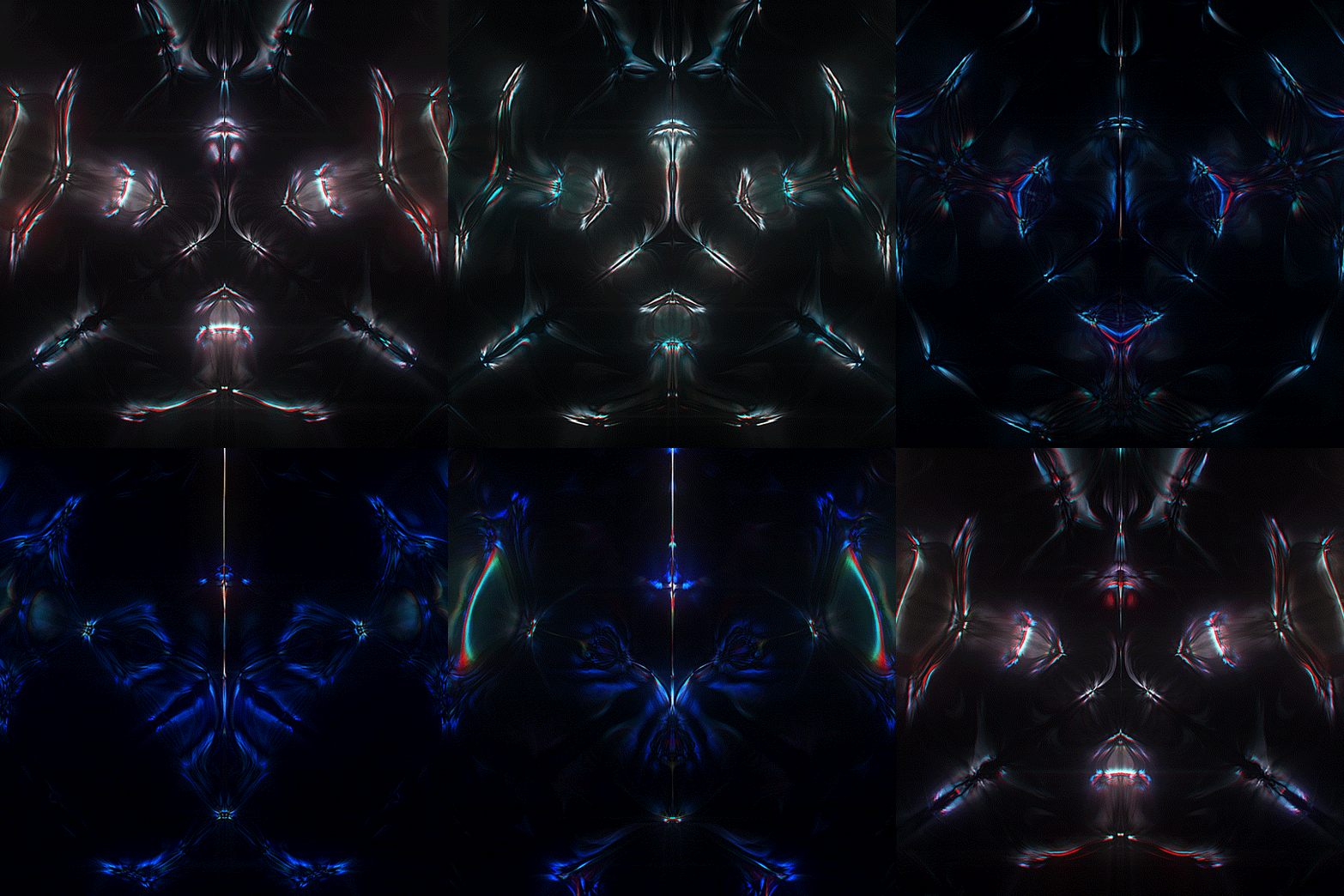
🎨 Theme Mandala - Viewing Guide
The theme mandala of this lesson is "a stable core in illness": the center is a slightly cracked but still stable shape, symbolizing the body struggling to hold on despite illness; the outward pattern gradually transitions from slightly messy lines to regular rings, representing your attempt to establish a new rhythm and care order in an unstable body.
Please justWatchFirst, focus your gaze on the cracked area in the center and allow yourself to acknowledge that your body is experiencing some vulnerability and damage. Then, slowly look outwards, noticing the repetitive, regular, and gradually stabilizing lines. Imagine these as the self-care actions you've gradually built up: taking medication regularly, having regular checkups, adjusting your sleep schedule, allowing yourself to rest... You don't need to force yourself to feel "optimistic." Just see that even in illness, there is still some order that can be organized.
Applicable issues:Insomnia, nighttime awakenings, and unstable sleep caused or aggravated by chronic diseases, postoperative recovery, breathing problems, pain, or other physical symptoms.
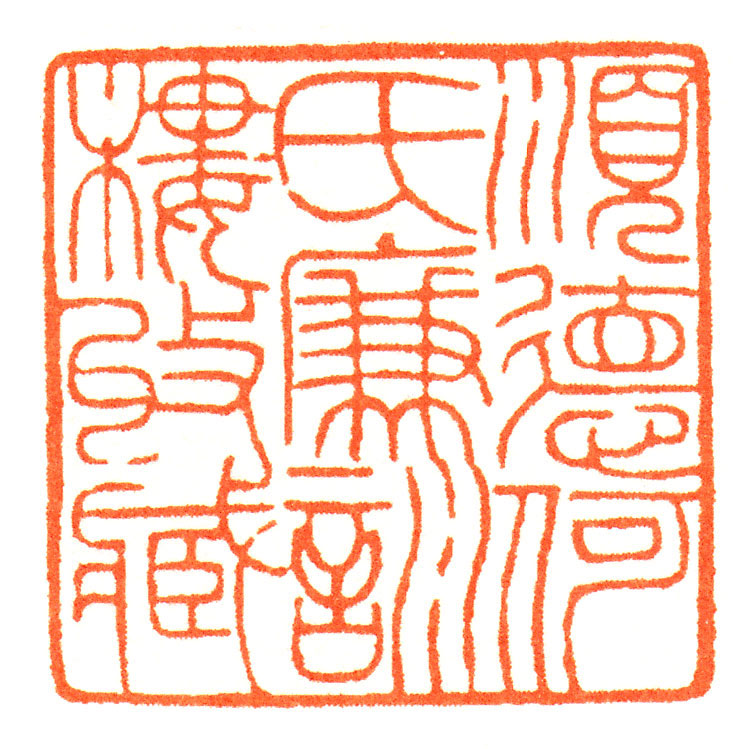
○ Chinese Calligraphy and Seal Carving Imagery Practice
The characters in seal carving often appear weighty, concise, and powerful, carrying the spirit of "though flawed, it can still stand firm" within a small space. For those struggling with physical ailments, copying or contemplating such seal characters is a way to practice finding a sense of support within an imperfect body.
Practice sentences:
“Even those who are ill deserve a good night's sleep.”
Even with illness, I still deserve rest.
You can draw a small seal border, break the Chinese phrase down into several characters, and slowly write them down, repeating the meaning in your mind with each stroke. You don't need to write perfectly; just make each stroke slightly more stable than the last, gradually shifting your hand movements, breathing rhythm, and inner attitude towards yourself from criticism to support. If possible, you can also admire real seal carving works, imagining yourself having obtained a small stone base to lean on amidst that ancient and profound atmosphere.
○ Sleep disorders related to physical illness: Guided suggestions for art therapy
This page uses creative illustrations to depict the intricate relationship between physical illness and sleep disorders. Many people, during the course of illness, tend to focus only on lab reports and imaging findings, rarely stopping to consider: how the body struggles at night? How the heart trembles in the darkness? Through drawing, you can outline these invisible hardships, allowing yourself to move beyond passively enduring them and instead offer more understanding and compassion.
1. Draw your "bed while sick" scene.
- Draw a simple picture of a bed and yourself lying on it on a piece of paper. It can be just an outline, without any details.
- Use different small symbols above or around your body to represent the symptoms that bother you, such as wavy lines for pain, star shapes for tingling, and arcs for difficulty breathing.
- Draw one or two objects for companionship by your bedside—a water glass, a medicine box, a book, a notebook, or a lamp—and write down the "supportive force" they each represent.
II. Dialogue between Symptoms and Care
- Draw a "symptom block" on one side of the screen and write down the elements that bother you, such as "nighttime cough," "worse pain," "palpitations," and "getting up at night."
- On the other side, draw a "care block" and write down real-world support such as "take medication on time," "doctor has assessed," "family support," and "allow yourself to rest."
- Connect the symptoms with lines to remind yourself that you are not fighting your body alone, but walking slowly within a support network.
A gentle reminder: If you feel particularly aggrieved, angry, or sad while drawing, this is a natural reaction to your body's long-term suffering being seen. You can stop, take a few gentle breaths, or talk to someone you trust or a professional. Drawing is not a tool for assessing a medical condition, but rather a way to place your own feelings on equal footing.
Please log in before submitting your drawings and feelings.
○ 1365. Sleep Disorders Related to Physical Illness: Journal-Based Guidance Suggestions
① Symptom timeline: Record the time period each night during the past week when you are most likely to be disturbed by physical discomfort (such as cough, pain, breathing discomfort, palpitations), and how long it lasts.
② The relationship between medical treatment and sleep: Write down the main treatments or medications you are currently receiving, and think about and record how they may affect your sleepiness, frequency of waking up at night, or daytime mental state.
③ Fear and Reality: List three of your worst-case scenarios related to illness that you fear most at night, and reflect on them: Has a doctor ever given a similar warning? Has it actually happened in the past? Write a more realistic version for each one.
④ Support System Inventory: Write down the support you can currently rely on—doctors, nurses, family, friends, online support groups, etc., and add one form of support you would like to add in the future.
Please log in to use.
Within limited conditions, you can gradually earn more restorative and supportive sleep fragments for yourself, so that the night is no longer just a battle, but also contains a little possibility of being comforted.