

Lesson 1415: Autonomic Nervous System Tension and Amplification of Physical Symptoms
Duration:60 minutes
Topic Introduction: This lesson focuses on how "autonomic nervous system tension" becomes a core factor amplifying physical symptoms. The autonomic nervous system is responsible for heartbeat, breathing, digestion, vasoconstriction, and body temperature regulation, and it responds sensitively to emotions and stress. When under anxiety, worry, tension, or chronic stress, the autonomic nervous system remains in "fight-or-flight mode," leading to a significant increase in various symptoms such as palpitations, chest tightness, dizziness, stomach discomfort, weakness in the limbs, and shallow, rapid breathing. These symptoms themselves are not dangerous, but rather signals of "nervous system overload." However, many people mistake these natural reactions for worsening illness, further increasing their vigilance and monitoring, making their bodies even more unstable. This lesson will help you understand how autonomic nervous system tension amplifies bodily sensations and will also teach you how to use rhythm, breathing, rest, and stable cognition to return the nervous system to "recovery mode," reducing the impact of symptoms on you.
○ Autonomic nervous system tension: key mechanisms
- Overscanning:The more stressed you are, the more likely you are to amplify subtle changes in your body.
- Threat Analysis:The brain tends to view normal fluctuations as "problems".
- Body-Emotion Cycle:Anxiety amplifies symptoms, and symptoms, in turn, amplify anxiety.
- Increased fatigue:Tension causes energy to be consumed quickly, leading to drowsiness and decreased concentration.
[arttao_Healing_Course_tts_group1411_1415]
▲ AI Interaction: What is my physical discomfort telling me?
Write down a physical ailment that you have been focusing on recently.
Write down three non-disease explanations: circadian rhythm disorder, accumulated stress, and lack of sleep.
He wrote down a statement to support himself: "It's because my alert system is too tight, not because there's something wrong with my body."“
○ Autonomic nervous system relaxation and music sedation method
Exercise 1: When symptoms appear, play a piece of music with a steady rhythm to stop your body from "internal monitoring".
Exercise 2: Shift your attention from your body to the rise and fall of the melody.
Exercise 3: Observe the natural and quiet changes in your body after listening to music.
○ Herbal tea healing drink
Recommended drinks:Chamomile & Lemon Balm Stabilizing Tea
Recommended reasons:It supports the parasympathetic nervous system, preventing the body from being in a "tense scanning mode".
usage:It is suitable to drink when you feel "something is wrong with your body" to stabilize your alert system.
○ Christian Fasting and Dietary Therapy: Resetting Body and Mind Rhythms
A minimalist, fasting diet allows the body to return to a calm rhythm from a state of "high load," reducing excessive activation of the autonomic nervous system. The lighter and more stable the diet, the less the body interprets every small change as "abnormal," and the more naturally it can restore daytime alertness and nighttime sleepiness.
Reduce symptoms and amplify
Restore rhythm
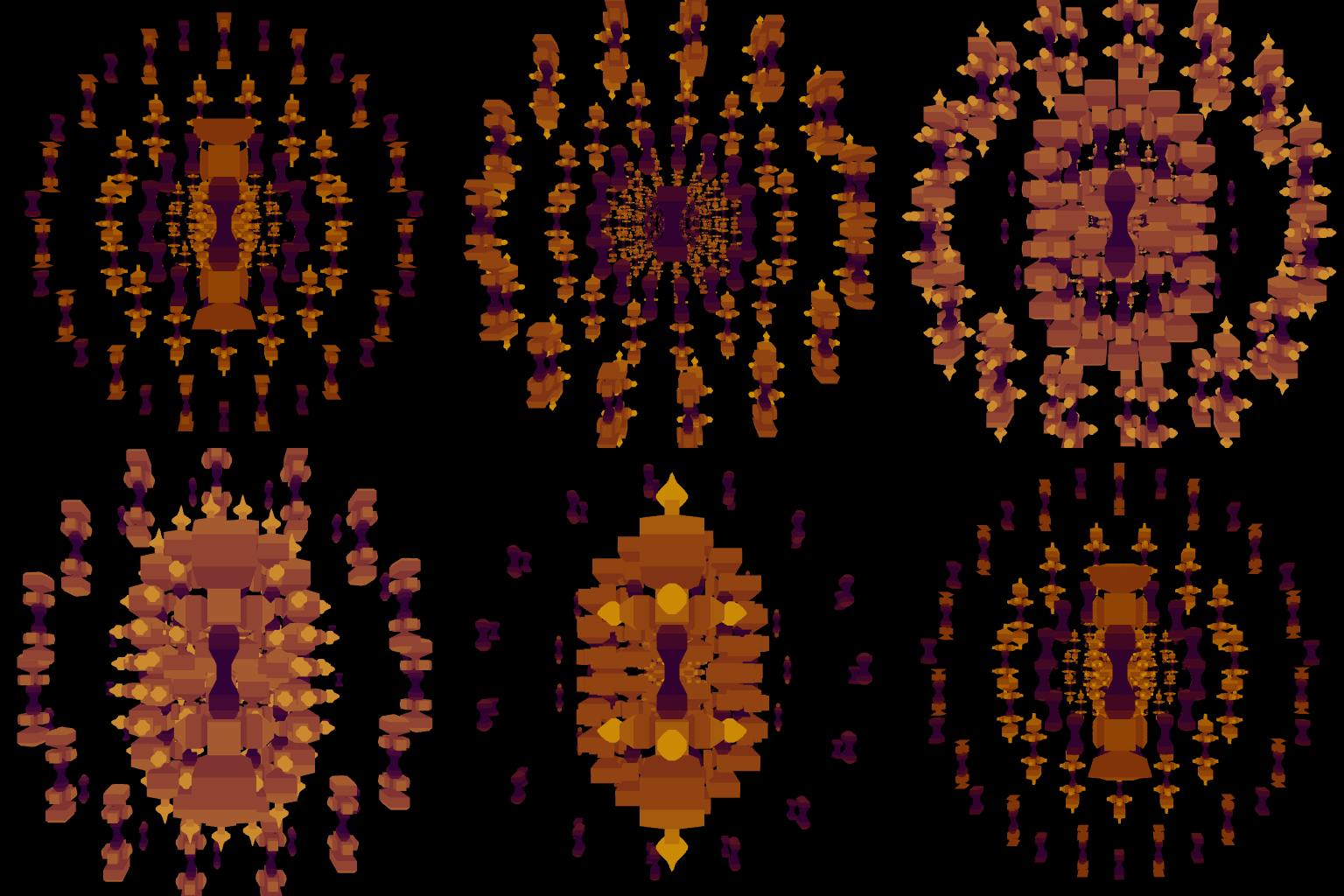
○ Themed Mandala - Guided Viewing: From Alertness to Tranquility
The sharp outer edge symbolizes tense nerves and a constant scanning of the body; the lines become softer towards the center, representing the normalization of bodily signals.
Please keep watching, without analyzing or judging, just let your eyes follow the rhythm.
Target:Shift your body's focus from "identifying problems" to "allowing for natural fluctuations."
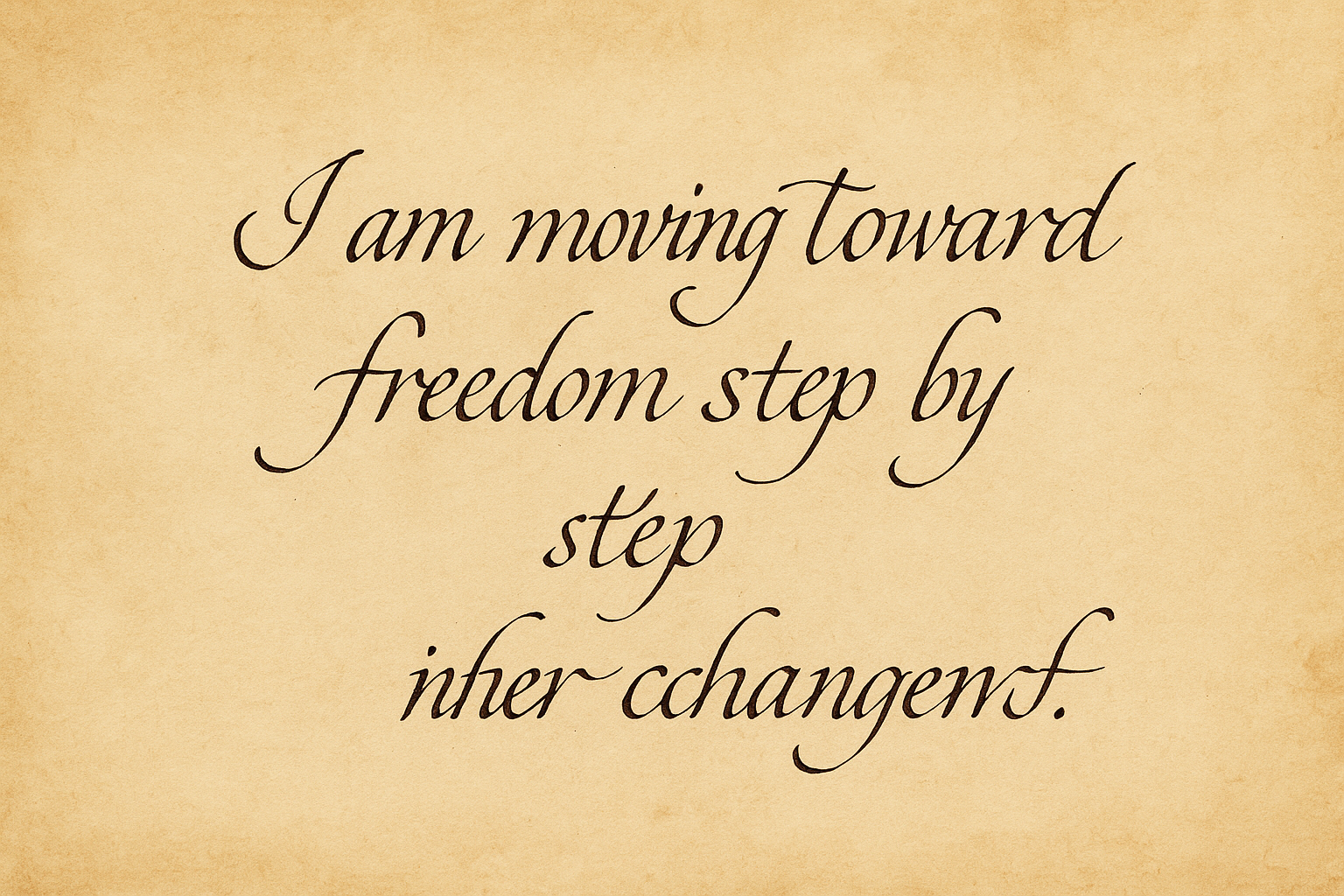
○ Medieval Gothic calligraphy practice
Stable letter shapes help the nervous system regain a sense of rhythm.
Practice sentences:
“"Tense is not dangerous."”
Tension is not dangerous.
Each stroke symbolizes the transition from vigilance to stability.
○ Autonomic Nervous System Tense Map: Guided Art Therapy
Painting helps you transform "tension" from abstract to visible, making the feeling no longer mysterious and frightening.
1. Draw a "heat map of tense areas".“
- Draw the outline of your body and mark the tense and relaxed areas with different colors.
- Observation: Which parts of your body are most likely to "jump" when you are worried?
2. Draw the changes after relaxation.“
- Draw the same area again with soft lines.
- It symbolizes that the body is not constantly tense, but rather changeable and adjustable.
Once tension is seen, there's no need to amplify the body's signals.
Please log in before submitting your drawings and feelings.
○ 1415. Autonomic nervous system tension - journal-guided approach
① Write down one amplified bodily signal that you noticed today.
② Write down three explanations for normal fluctuations.
③ Write down a calming statement: "This is tension, not danger."“
Please log in to use.
Once you understand the source of tension, your body no longer needs to amplify its sounds.