

Lesson 1430: The Relationship Between Emotion Recognition and Bodily Response
Duration:60 minutes
Topic Introduction:
This lesson focuses on the two-way connection between "emotion and physical response," which is one of the core keys to understanding somatic symptom disorders. When many clients experience palpitations, chest tightness, shortness of breath, dizziness, abdominal distension, weakness, slight tremors in the limbs, or stomach cramps, their first reaction is often "something is wrong with my body," but they overlook the fact that these feelings may be physiological manifestations of emotions.
When emotions are suppressed, unrecognized, or have no outlet for expression for a long time, the body will "speak" for the mind—anxiety manifests as tightness in the chest, anger manifests as internal heat, sadness manifests as decreased energy, and stress manifests as stiff shoulders and neck.
The brain can also misreport danger because it cannot distinguish between "emotional fluctuations" and "health threats," amplifying bodily sensations and creating a cycle of misunderstanding and fear. This lesson will help you learn to identify which bodily sensations come from emotions, which from stress, and which from natural fluctuations, and rebuild your brain's interpretive system so you no longer mistake tolerable emotional experiences for early signs of illness.
Only when emotions are recognized will the body stop "speaking out on your behalf".
○ Typical connection between emotions and physical responses
- Anxiety → Increased heart rate, chest tightness, stomach churning.
- Anger → Body heat, muscle tension, rapid breathing.
- Sadness → Fatigue, a feeling of heaviness in the chest, decreased concentration.
- Stress → Stiff neck and shoulders, slowed digestion, mild dizziness.
- Suppressed emotions → Recurring physical symptoms of unknown cause.
[arttao_Healing_Course_tts_group1426_1430]
▲ AI Interaction: Find Your "Emotion-Body Pair"“
Question 1: What physical discomfort has been bothering you the most lately?
Question 2: Were you experiencing any particular emotion before this symptom appeared? (Tense, upset, angry, tired, stressed)
Question 3: Write a sentence reflecting your awareness today, for example: "My chest feels tight right now because I feel nervous, not because my body is in danger."“
○ Music Guidance: Let Emotions Be Seen Through Sound
Music is a bridge between emotions and the body.
When you play a soothing or gentle piece of music and focus on listening, you will find that:
Emotions gradually emerge from the music, and the body relaxes accordingly.
This is training that helps the body shift from a "response mode" to a "feeling mode".
○ Eastern Healing Tea: Longan, Red Date, and Ophiopogon Tea
effect:It nourishes Yin and the heart, relieves emotional tension, calms the mind, and helps the body recover faster from the physical reactions caused by anxiety or stress.
It is recommended to drink a small glass when experiencing emotional physical reactions as a "self-soothing ritual".
○ Healing Soup: Codonopsis and Lotus Seed Spleen-Strengthening Soup
Emotional physical reactions are often accompanied by decreased energy, unstable attention, or impaired digestion.
The combination of Codonopsis pilosula, lotus seeds, and Euryale ferox with a small amount of Poria cocos can invigorate the spleen and replenish qi, allowing the body to "regain its footing".
Once the body's basic energy levels are stable, emotional reactions are less likely to be misinterpreted as "dangerous information."
Emotional stability
Regulate body and mind
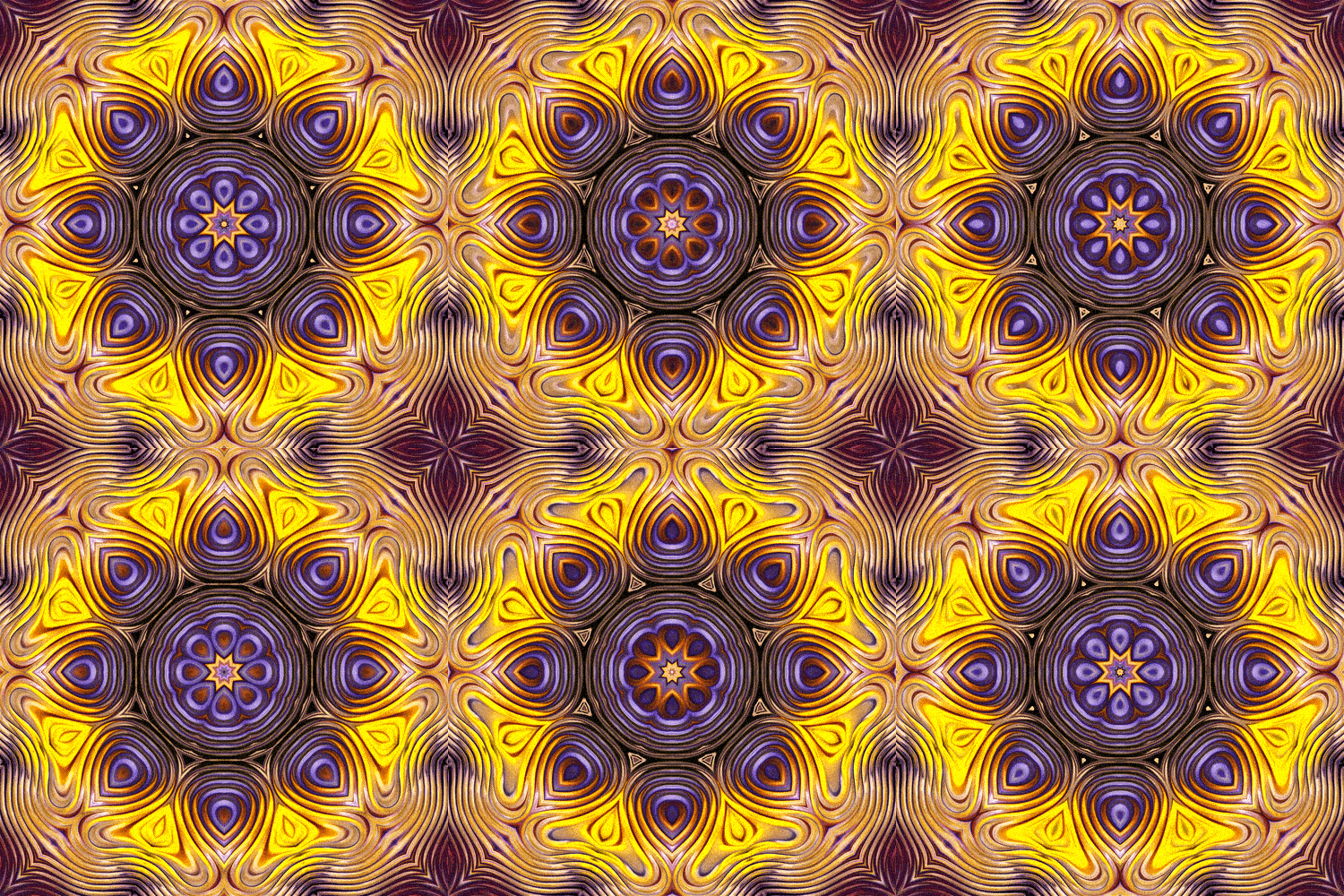
○ Mandala Viewing: Seeing the Flowing Connection Between Emotions and the Body
A mandala is not about drawing something, but about observing it.
When you gaze at the center of the mandala, and then slowly let your gaze spread to the outer circle, you will find:
The rhythm of inner emotions and physical sensations is changing in sync.
Emotions arise → Body tenses → Gaze becomes diffused → Body relaxes → Emotions decline.
This is the gentlest "emotion-body regulation circuit".
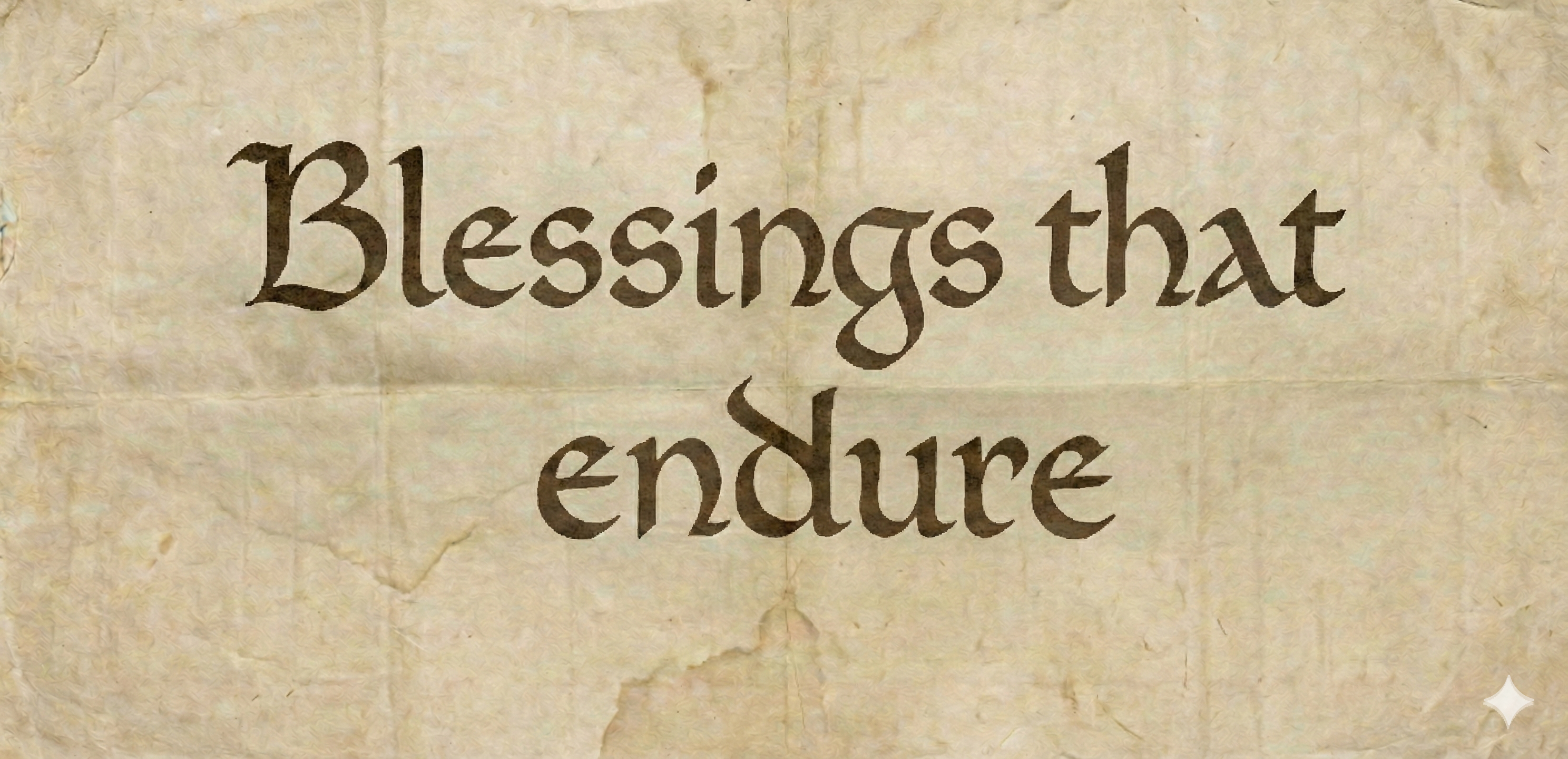
○ Chinese Calligraphy - Regular Script Practice: Emotional Stability Begins with Each Stroke
When writing regular script, one must be calm, slow, and focused.
Every stroke trains the rhythm of "emotional decline - physical stability".
By treating calligraphy as a synchronized practice of emotions and body, you will find a stable inner rhythm.
Practice sentences:“"Once you understand your emotions, your body will relax."”
How Emotions Speak Through the Body: Art Therapy
This exercise helps you transform the confusion of "physical sensations caused by emotions" into clear visibility.
When you draw out your feelings, you are no longer led by your body, but can understand what you are experiencing.
1. Draw the "body contraction zone".“
- Draw the areas representing the chest, stomach, shoulders, and neck.
- Use colors or lines to mark where it is tightest, hottest, and heaviest.
II. Draw the "color of emotion".“
- Express anxiety, resentment, anger, and fatigue using different colors.
- The visuals should depict "how emotions move within the body".
After you finish drawing, upload it and let AI help you interpret the "emotion-body map".
Please log in before submitting your drawings and feelings.
○ 1430. The Relationship Between Emotion Recognition and Bodily Responses: Log-Guided Approach
① Record one physical symptom that you experienced today.
② Write down your emotions at that time.
③ In short: "This bodily reaction is telling me ______."“
Please log in to use.
When emotions are understood, the body no longer has to bear all the pressure for you. Understanding emotions is the first step to understanding the body.