

Lesson 1433: Using Sleep and Sleep Schedules to Improve Your Physical Experience
Duration:60 minutes
Topic Introduction:
This lesson focuses on how sleep and sleep patterns profoundly affect bodily sensations and helps you understand why physical symptoms become more pronounced, frequent, and sensitive when you don't sleep well, have irregular sleep patterns, or are overly fatigued. Many patients with somatic symptom disorder mistakenly believe that "physical discomfort = serious illness," ignoring a crucial fact—**the autonomic nervous system relies heavily on regular sleep patterns to maintain stability**.
When you are sleep-deprived, wake up in the middle of the night, have difficulty falling asleep, have irregular sleep patterns, or have an unbalanced work-rest schedule, your body enters a "perpetual alert mode," leading to a series of physical and mental reactions such as palpitations, chest tightness, gastrointestinal discomfort, dizziness, fatigue, tremors, and decreased concentration.
This course will help you rediscover the importance of sleep for bodily sensitivity, mood regulation, pain threshold, and autonomic nervous system stability. It will also help you improve your physical experience through "stabilizing rhythms, fixing anchor points, and fine-tuning resilience," so that you are no longer swayed by symptoms or misinterpret reversible physical and mental reactions as precursors to serious illnesses.
○ Three key benefits of improved work-rest schedule
- Reduce bodily sensitivity:Regular sleep prevents the autonomic nervous system from being in a state of "over-vigilance".
- Enhance physical endurance:Once physical strength is restored, the discomfort is no longer amplified.
- Reduce catastrophic thinking:After sleep improved, emotions became more stable and interpretations became more objective.
[arttao_Healing_Course_tts_group1426_1431]
▲ AI Interaction: How has your sleep been lately?
Question 1: How many hours did you sleep on average each day over the past week?
Question 2: What lifestyle habits make your body feel more tense or more relaxed?
Question 3: Write a sentence about your improvement plan, for example: "I will turn off the lights 20 minutes earlier tonight."“
○ Music-guided nighttime nerve relaxation technique
Play slow, sustained music before bed.
Let your heart rate and breathing gradually decrease.
It is a key step in getting the body to switch from high alert to "recovery mode".
This is the gentlest way to improve sleep and reduce physical stress.
○ Eastern Healing Tea: Poria and Lily Tea for Sleep
effect:It calms the mind, relieves palpitations, and promotes deep sleep, making it suitable for those who have difficulty falling asleep due to anxiety and physical sensitivity.
○ Healing Soup: Codonopsis and Lotus Seed Soup for Calming the Mind
When the body becomes sensitive due to chronic fatigue or poor sleep quality,
Soups that strengthen the spleen and replenish qi can help improve basic physical fitness.
It will prevent you from feeling overwhelmed by even minor discomfort.
It makes the body experience more stable and recovery faster.
Improve fatigue
Enhance stability
○ Mandala Viewing - Serene Circle at Night
A mandala is not about drawing something, but about observing it.
Choose a mandala with soft colors and relaxed outlines.
Settle your attention on the central point of stillness.
Observe the gradual spread of softness in each circle.
Once vision stabilizes, the body will gradually enter a state where it is ready to fall asleep.

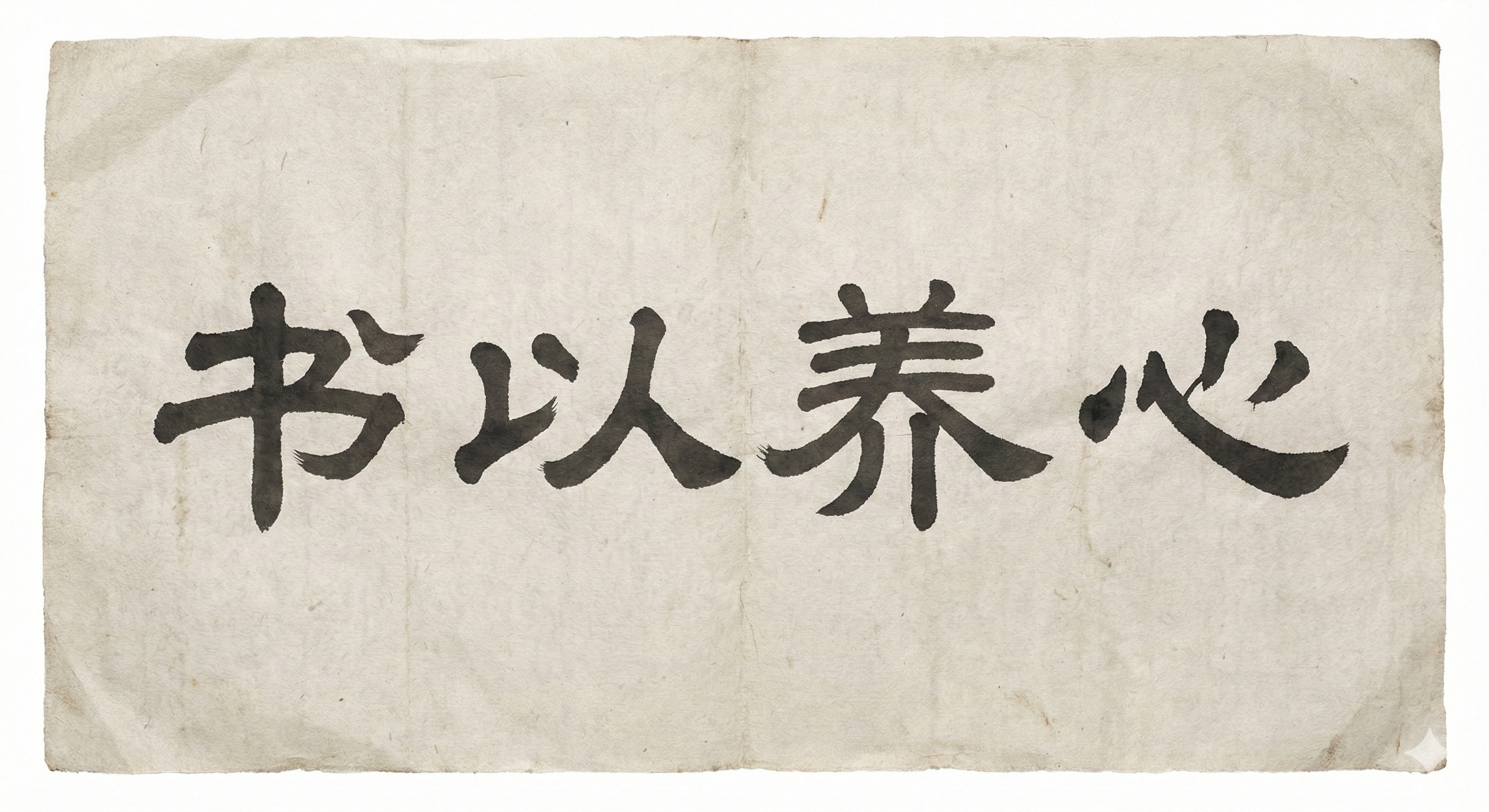
○ Chinese Calligraphy - Regular Script Practice: Stabilizing Nighttime Rhythms
Regularity and structure are important forces against chaotic routines.
Writing regular script stroke by stroke can help the brain unwind from the day's tension.
Establish a sense of "stable, slow-down" rhythm before bedtime.
Practice sentences:“"Stability is the beginning of recovery."”
○ Daily Routine and Body Sensitivity: Art Therapy
Observe the relationship between sleep and bodily experience through visualization.
This will allow you to see clearly that the body's stability comes from rhythm, not control.
1. Draw the "sleep stability line".“
- The use of smooth, slowly descending lines symbolizes the process of falling asleep.
- Mark the moment when you feel most relaxed.
II. Draw the "Body Sensitivity Curve"“
- As sleep improves, the curve gradually declines and flattens.
- The visuals should depict the process of the body regaining its tolerance.
Seeing stability makes it easier to believe that your body is recovering.
Please log in before submitting your drawings and feelings.
○ 1433. Improving Your Physical Experience Through Sleep and Sleep Habits - Journaling Guide
① Write down your daily routine and how your body feels over the past three days.
② What times of day are most likely to make the body more sensitive?
③ Write down a small goal to improve your rhythm: "I'm willing to..."“
Please log in to use.
A stable circadian rhythm is the gentlest form of protection for the body.