

Lesson 1557: Key Intervention Points for Special Populations: Pregnant Women/Adolescents/Patients with Chronic Diseases
Duration:60 minutes
Topic Introduction:
This course focuses on three often-overlooked yet highly vulnerable groups: pregnant women, adolescents, and patients with chronic diseases. Substance use behaviors exhibit drastically different physiological risks and psychological patterns in these groups, thus requiring interventions that are "more precise, gentler, and more protective." Pregnancy necessitates balancing fetal safety with maternal emotional regulation, avoiding dangerous withdrawal reactions from abrupt cessation; adolescents are more prone to using substances due to peer influence, impulsivity, or shaky self-esteem, requiring support and structure in treatment; and patients with chronic diseases often develop dependence due to chronic pain, long-term medical frustration, or drug interactions, requiring an integrated approach encompassing medical, psychological, and lifestyle strategies. Through clear risk identification, reliable alternatives, and multidisciplinary collaboration, this course helps learners understand how to build a sustainable safety net for vulnerable groups.
▲ AI Interaction: Assessing the Support Needs of Special Populations
Please write down the person you are concerned about—pregnant women, teenagers, or people with chronic diseases—and describe their emotional state, usage behaviors, stressors, and safety risks over the past four weeks.
Consider two things: What do they most need to be protected? And what are you most worried about happening?
Record three questions you would like a professional to help you clarify, making the intervention more specific and actionable.
Click the button below to work with AI to build a case support structure and give vulnerable groups a real sense of security.
○ Special Population Intervention: Music Therapy
Pregnant women, teenagers, and people with chronic diseases are more sensitive to sound, so it is recommended to play low-frequency music with a stable rhythm to help regulate breathing and tension.
Write down the support your target needs most right now: safety, stability, understanding, or pain relief. Use music as background music to focus your attention.
○ Oriental healing tea
Recommended drinks:Astragalus & Longan Mild Qi-Boosting Tea
Recommended reasons:Suitable for late pregnancy, those with weak constitution or chronic diseases, astragalus replenishes qi and strengthens the exterior, while longan gently nourishes blood, helping to stabilize emotional fluctuations and physical fatigue.
usage:Boil 5g of astragalus root and 3-4 longans over low heat for 12 minutes. It is best to drink this in the evening.
○ Japanese Dietary Therapy: Shiro Miso Tofu Soup
White miso is mild and non-irritating, and rich in amino acids; tofu provides high biological value protein, making it a suitable light nutritional supplement for pregnant women, teenagers, and patients with chronic diseases, helping the body recover and stabilize.
Easy to digest
Suitable for those with sensitive constitutions
🎨 Free Mandala Healing (Watch)
Image Healing: Free Mandala Stability Guidance 09
Observe gently, allowing the image to unfold itself to you, rather than trying to interpret it. Maintain a "non-pressuring, non-hurried" viewing attitude, especially for pregnant women, teenagers, or people with chronic illnesses.
Mandala emphasizes "allowance"—allowing emotions to emerge and allowing stability to occur naturally.

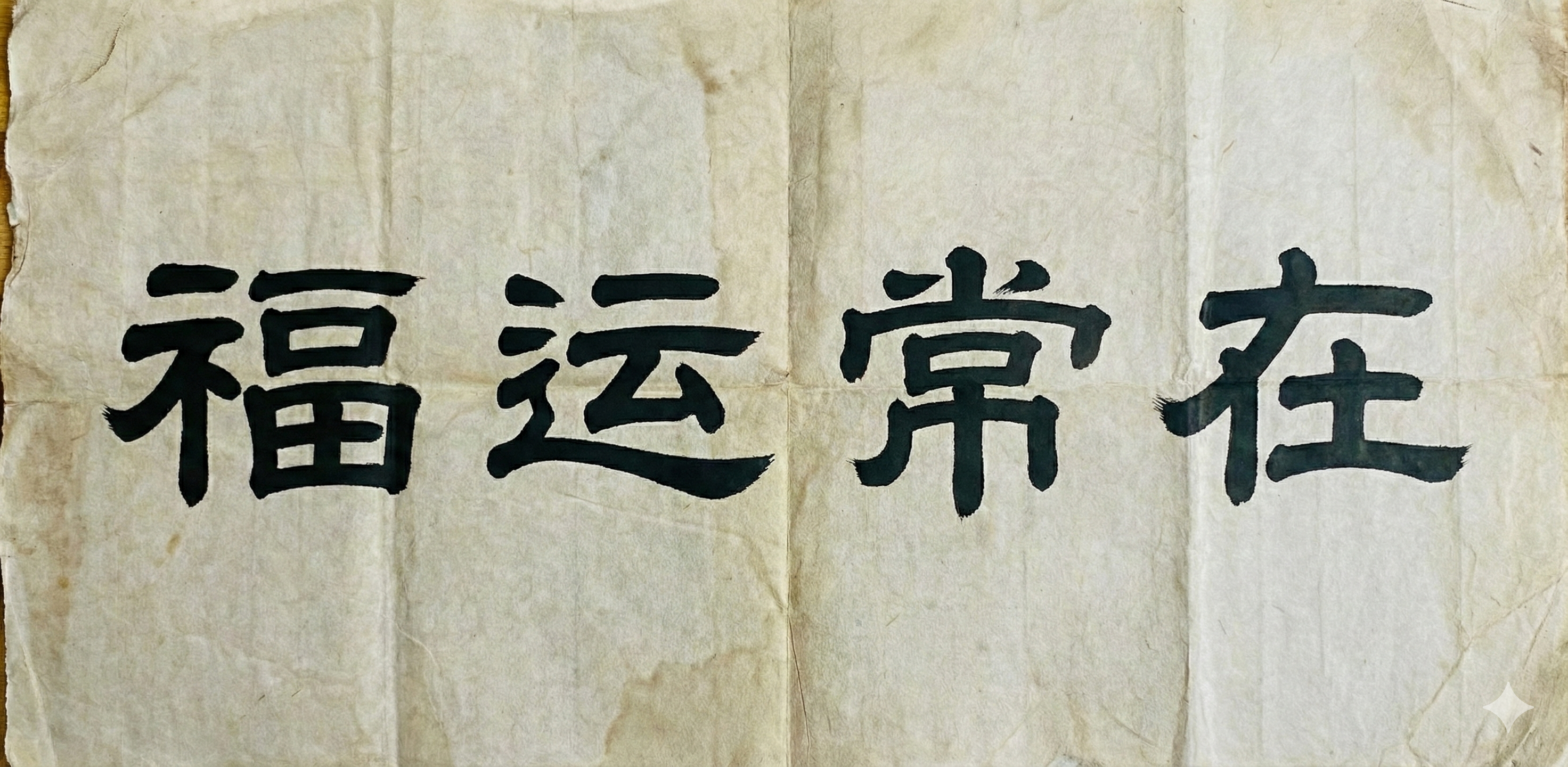
○ Suggestions for seal carving calligraphy practice
When dealing with the care and intervention of particularly vulnerable groups, the "steady, meticulous, and gentle" approach emphasized in seal carving can help you maintain clarity under the pressure of responsibility and establish a more stable supportive posture through the rhythm of carving.
- Characteristics of seal engraving:
The seal engraving is compact yet leaves ample white space, symbolizing "space as safety." Both caregivers and patients need to maintain breathing space amidst pressure. - Written words:
Protecting life in safe zones
Safeguard the Vulnerable - Psychological Intention:
Reflection: What aspect of this person's life most needs protection? Emotions? Body? Rhythm? Write down three points and incorporate them into the imprint. - Knife skills:
Using the "slow and steady" approach, each turning point reminds me that change for vulnerable groups needs to be slow, unhurried, and not rushed. - Emotional transformation:
Infuse your anxiety or sense of powerlessness into the facets, making the razor's composure a symbol of your external support.
○ Special Population Intervention: Guidance Suggestions for Art Therapy
This page uses visualizations to help you create a clear support map for pregnant women, teenagers, or people with chronic diseases, identifying their risk points, burdens, and protection networks.
Drawing of the first and third protective rings
- Inner circle: physical and mental state (emotions, sleep, pain, impulses, dependency patterns).
- Middle circle: Major stressors (relationships, academics, pregnancy changes, illness course, isolation).
- Outer circle: Available resources (family, medical team, school, community, companions).
II. Risk Marking
- For pregnancy: high-risk withdrawal, malnutrition, acute stress events.
- For adolescents: impulsive behavior, peer pressure, and mood swings.
- For patients with chronic diseases: increased pain, drug interactions, and uncontrolled use.
III. Feasible Alternative Paths
Draw three "alternative lines": physiological relief, emotional stability, and social support.
Please log in before submitting your drawings and feelings.
○ 1557. Special Population Intervention: Log Guidance
① Record the three most vulnerable areas of the target audience (physiological, emotional, and relational).
② Write down the important events and risks of the past two weeks.
③ Plan three protective measures that can be implemented immediately.
④ Prepare three questions for the next professional meeting.
Please log in to use.
Vulnerability is not a flaw, but a strength that needs to be gently cared for.