

Lesson 1597: Self-Efficacy and the Restoration of Realistic Goals
Duration:70 minutes
Topic Introduction: This course focuses on a core experience common to internet addiction: the gradual erosion of real-world self-efficacy, replaced by a search for value and control in game rankings, likes, and virtual identities. Prolonged immersion in the screen world can lead to feelings of powerlessness and avoidance towards real-world tasks (study, work, relationship repair), while simultaneously causing internal self-blame: "Why am I so useless?" This course will guide you through understanding how the "instant sense of accomplishment" from the online world erodes trust in your real abilities, and how to gradually restore confidence in yourself in the real world through small goals, visualized progress, and peer support. You will learn to distinguish between "weak real-world abilities" and "a sense of alienation caused by prolonged avoidance," and practice transferring certain strengths gained online (such as focus, strategic thinking, and teamwork) to real-world scenarios. The course will also incorporate Western herbal healing teas, ancient Roman natural diet therapy, Gothic calligraphy, and mandala viewing to help you restart small steps toward real-world goals with a calm mind and body.
[arttao_Healing_Course_tts_group1596_1600]○ Key Aspects of Self-Efficacy and Realistic Goals
- The weakened "real self":Investing time and energy in the online world for a long time can lead to stagnation in real-world skills and interpersonal experience, and may cause one to mistakenly believe that they are "good at nothing".
- Comparison of instant rewards:Game upgrades, mission completion, and likes all bring a quick sense of accomplishment, while real-world tasks are often slow and the rewards are delayed.
- Sources of self-efficacy:It's not about imagining "I'm strong," but about accumulating evidence from achieving achievable small goals time and time again.
- Common mistakes in goal setting:Either the goals are set too high, leading to discouragement after a single failure; or they remain at the level of vague wishes without concrete steps.
- Advantages of migrating networks:Bring the patience, strategy, and collaboration you demonstrate online back into real-world tasks and relationship management.
▲ AI Interaction: From "I can't do anything" to "I can do this small step"“
Many people struggling with internet addiction often say "I'm useless," yet they can demonstrate remarkable persistence and focus in the gaming or online world. This suggests that the problem isn't a lack of ability, but rather a lack of support and structure when using those abilities in real life.
Please first write down three things you did well in online games or online activities, such as: team communication, patiently completing tasks, and quickly learning controls.
Next, find a small task that can be transferred to reality for each item, such as using team communication experience to complete a group report, or using the patience of completing tasks to tidy up a room.
Finally, choose a realistic goal that you can try in the next week and break it down into three small steps that can be completed in 15 to 20 minutes.
Click the button below to entrust your online strengths and realistic goals to AI, helping you create a clear and actionable "Self-Efficacy Restoration Plan," including the first steps you can take starting today.
○ Rediscover Rhythm: Music Therapy
The rhythm of online and gaming experiences is often a cycle of "sudden stimulation—task completion—refresh," while real-world goals require maintaining a steady pace for a longer period. This section suggests choosing a piece of instrumental music with a clear but not intense beat as "background rhythm" when completing real-world tasks.
You can choose a piece of music that is about 10 to 15 minutes long as a "time container" for a small goal, such as tidying up your desk, memorizing a page of words, or completing a draft report. Between the start and end of the music, focus solely on this one task and don't get distracted by scrolling through your phone.
After completing the task, gently jot down on a piece of paper: "What did I accomplish in this piece of music?" Let the melody be a testament to real-world progress, rather than something that can only bring a sense of "completion" online.
○ Western Herbal Healing Tea
Recommended drinks:Lavender & Lemon Balm Soothing Tea
Recommended reasons:Lavender helps reduce tension and over-excitement, while lemon balm is often used to relieve anxiety and restlessness. This combination is suitable as a "stabilizing ritual before taking action," helping you switch from fragmented, screen-scrolling mode to focused execution.
usage:Steep 1g of dried lavender flowers and 1.5g of lemon balm in hot water at around 90℃ for 5-7 minutes. You can brew a cup before starting a small, realistic goal, briefly listing the small task you need to accomplish while drinking the tea, making the tea-drinking process a signal to "enter action mode".
Ancient Roman Natural Dietary Therapy: Whole Grain & Olive Rustic Plate
Based on whole-wheat bread or cooked whole grains (such as barley or wheat kernels), paired with vegetables, olives, and a small amount of cheese dressed with olive oil, this is a simple combination that is close to the natural diet philosophy of ancient Rome: high fiber and healthy fats help maintain stable blood sugar levels and reduce overeating and energy fluctuations caused by prolonged screen time, which is especially important for people who need to regain their ability to engage in real-world activities.
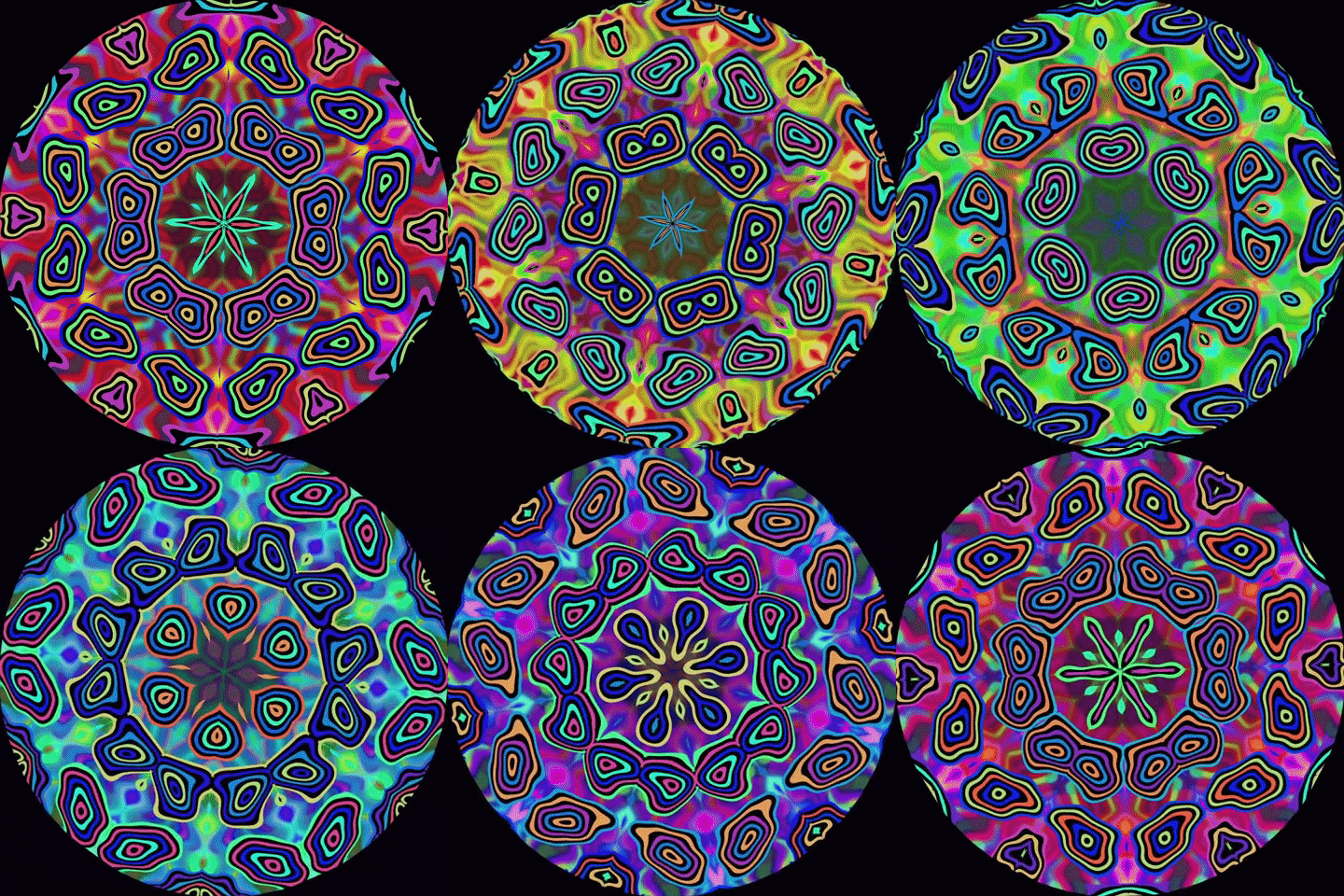
○ Free Mandala Healing
Image therapy: Seeing "small steps to begin" at the center of a circle.“
When you look at a mandala, you can imagine the center as "me at this moment," and the layers of texture on the outer ring represent those seemingly distant big goals: studies, work, relationships, and the order of life.
Mandala drawing isn't about creating something; it's about observing. Gently focus your attention on a path extending outwards from the center, allowing yourself to concentrate on just the small square closest to the center, rather than trying to see the entire complex pattern at once. You can ask yourself, "If my real-world goal is like this path, which square do I need to reach today?" Each time you find a small section of line to move forward in your observation, you're training yourself to shift your focus from "unattainable grand goals" to "small, achievable steps in the present moment."
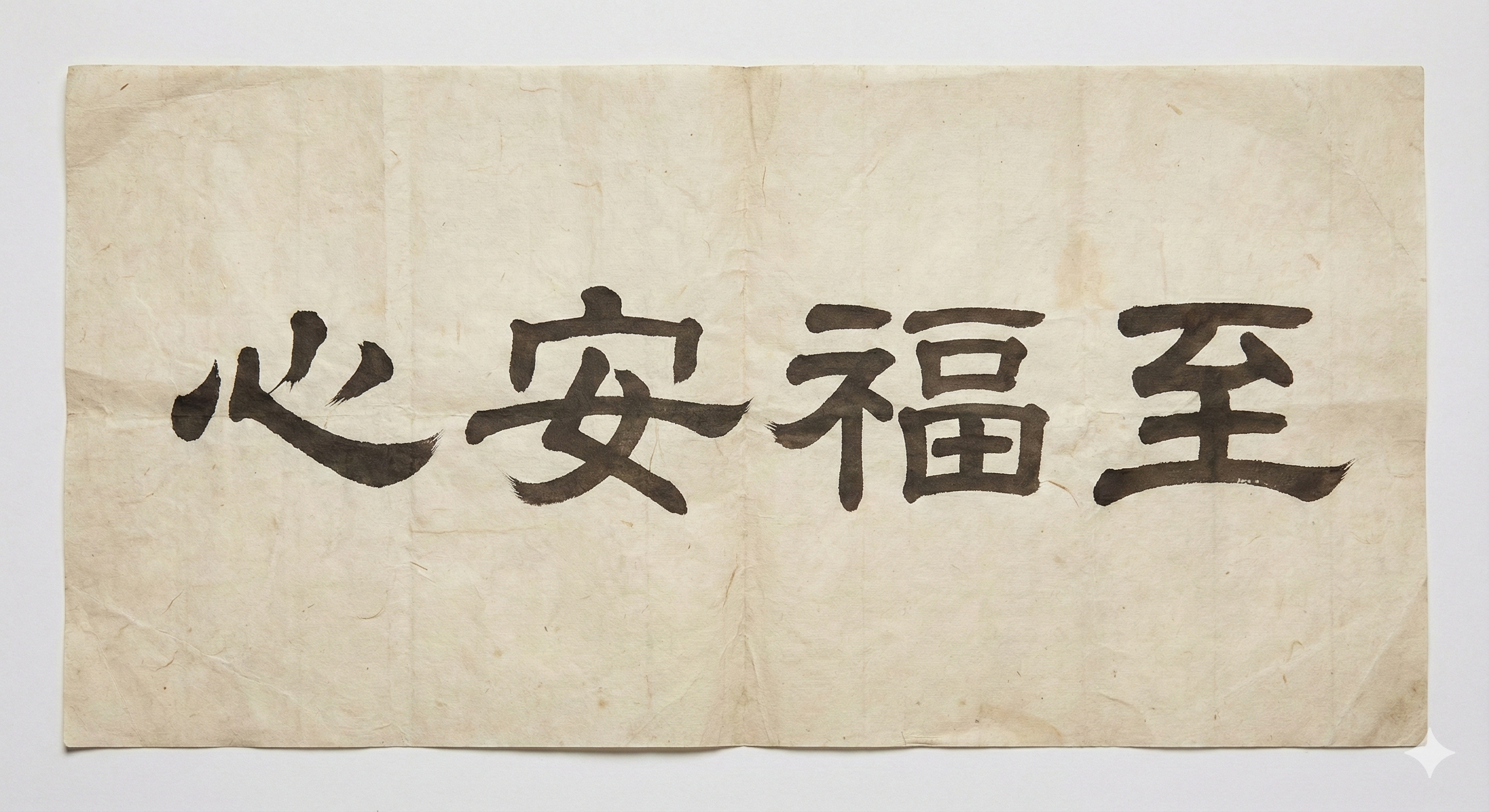
○ Suggestions for practicing medieval Gothic script
In this lesson, medieval Gothic script symbolizes a "solid and reliable self-image." As you write each letter, you are also drawing clear lines for your regaining sense of reality.
- Writing words:
Latin:Fiducia(Trust, confidence)
Meaning in Chinese: Still retaining trust in oneself and believing that things can gradually recover. - Psychological Intention:
Prolonged internet addiction can easily lead to extreme thoughts like "I'm ruined" or "Reality is beyond saving." When writing "Fiducia," consciously focus on the solidity of each stroke, reminding yourself that self-efficacy isn't restored overnight, but rather grows slowly from the new roots that emerge after completing small tasks. - Writing method:
It is recommended to use a flat-tipped pen or a square-tipped marker to practice on gridded paper. First, lightly draw the letter skeleton with a pencil, then use a flat-tipped pen to fill in the skeleton with variations in thickness, keeping vertical strokes straight and diagonal strokes slightly tapered to form a stable and compact letter structure. - Emotional transformation:
Whenever you feel like telling yourself, "I failed again," or "I can't do it," pause scrolling through your screen, write "Fiducia" three to five times on a piece of paper, and next to it, write down a small, real-life task you've accomplished today, no matter how small. Let the heavy lines of the Gothic font help you maintain that last bit of undiminished trust.
○ Restoring Self-Efficacy and Realistic Goals: Guiding Suggestions for Art Therapy
This page uses drawing to transform the conflicting experiences of "being great online" and "feeling powerless in reality" into visible images, and helps you design a bridge to transition from virtual achievements back to real-world action. The drawing doesn't judge success or failure, but only assists you in observing: what you are truly good at, and where you can begin to recover.
1. Draw a two-bar graph showing "virtual abilities and real-world abilities".
- Draw two areas on a piece of paper, left and right. Write "Me Online" on the left and "Me in Reality" on the right.
- Draw three tall pillars on the left and label them with your strengths in online games or online activities, such as "patiently completing tasks", "quickly learning", and "teamwork".
- On the right, draw shorter pillars for the same three abilities, honestly depicting the current "unfamiliarity" in reality, and write "From which step can I start practicing" next to the pillars.
- Finally, using a pen of a different color, draw an arrow from each pillar on the left to the right, and write down "How I plan to transfer this ability".
II. Draw a "Ladder of Feasible Goals"“
- Starting from the bottom of the paper, draw five to seven steps. On the top step, write down a realistic goal, such as "maintaining a regular schedule", "completing a course", or "reorganizing your living environment".
- Write down a small goal for each level from bottom to top that can be completed in 15 to 30 minutes, such as "tidy up a corner of my desk today", "log off 15 minutes early tonight", or "write down three things to do tomorrow".
- Draw a small image of yourself next to the steps, standing on the current step, and write down the step you really want to take today, instead of forcing yourself to jump to the top in one go.
Note: If you find yourself frequently experiencing intense feelings of despair, self-blame, or even self-harming thoughts when facing realistic goals, please contact a professional mental health worker or local crisis support resources as soon as possible. Restoring self-efficacy requires safe companionship and a stable environment; you don't need to make all the changes alone.
Please log in before submitting your drawings and feelings.
○ 1597. Restoring Self-Efficacy and Realistic Goals: Journal-Guided Suggestions
① Write down three things you did well in the online or gaming world, and try to pair each one with a word that describes your ability, such as "focused", "patient", or "good at communication".
② Choose one skill and think about how it can be transferred to a specific task in real life (such as tidying up the environment, completing homework, or communicating with family). Write down the corresponding relationships you think of.
③ Set a very small, specific, measurable realistic goal for the next three days, and write down the minimum action steps that can be completed each day.
④ Finally, record in two or three sentences what subtle changes you experience in your body and mind when you think, "So I can actually use that little bit of ability in real life." Even if it's just "fewer moments of despair," it's worth writing down.
Please log in to use.
Self-efficacy isn't proven all at once, but rather gradually accumulated through a series of small actions. May you, in the moment away from the screen, give yourself a chance in reality and believe that you can still regain your strength step by step.