

Lesson 1600: The Risk of Misalignment Between Virtual Identity and Self-Worth
Duration:70 minutes
Topic Introduction: This course focuses on the risks of misalignment between "virtual identity" and "real self," helping you see how the online world subtly rewrites your sense of self-worth. When profile pictures, nicknames, levels, follower counts, likes, and comments become the primary ways to be seen, we easily mistake "being followed" and "being shared" for our entire sense of self, neglecting our real-world abilities, character, and the quality of our relationships. This course will guide you to recognize why you are sometimes brave online but increasingly withdrawn in real life; why, even knowing the content is heavily edited and filtered, you still experience feelings of comparison, inferiority, and an urge to prove yourself. Through psychological education, case studies, and journaling exercises, you will learn how to use your virtual identity as a tool for expression, rather than the sole container for your self-worth, and how to reposition your self-esteem and authenticity in the digital age.
○ The core manifestations of the misalignment between virtual identity and self-worth
- The focus of evaluation has shifted outward:Emotions are excessively influenced by the number of likes and followers; a single comment can determine one's mood for the day.
- The disconnect between image and experience:Online, they project confidence, elegance, and positivity, but offline they experience emptiness, exhaustion, and self-doubt.
- The cycle of comparison and denigration:People tend to compare their "behind-the-scenes moments" with others' "highlight moments," leading to a continuous decline in self-esteem.
- Escaping reality:When real-world tasks are difficult, people tend to immerse themselves in virtual identities to solidify the idea that "at least things are good online."
▲ AI Interaction: Who defines your "sense of value"?
Think back to the past week. What online event caused you to experience significant mood swings? Was it a comment, a private message, or a change in your follower count?
Write down three online scenarios that make you feel "not good enough" or "suddenly become very good." Under each one, add a gentle reminder from a real-world context, such as: "Even without likes, my value comes from continuous effort and genuine relationships."“
Next, find a piece of real-world evidence of value for each situation, such as a well-done task, a friend who trusts you, or a meticulous and responsible act of kindness.
The goal of this lesson is not to negate the internet, but to gradually take back the "control of self-worth" from cold, hard data and put it back into your own hands.
Click the button below to work with AI to analyze the distance between your virtual persona and your true self, and redefine your self-esteem and boundaries.
○ Music therapy for the stress of virtual identity
When you step away from social media, your brain often remains in a state of high-speed comparison, updating, and self-censorship. Music can help you transition from "being seen" to "returning to yourself."
It is recommended to choose slow melodies with piano and strings, in a low register and without excessive fluctuations, so that your attention can be shifted from the screen to your physical sensations.
While listening, you can gently close your eyes and focus on only one thing: feeling your breath and the music flowing in and out, rather than thinking, "Am I listening well?" This is an exercise in returning from performance mode to existential mode.
At the end, write a simple sentence, such as: "Even after turning off the screen, I am still my complete self."“
○ Western Herbal Healing Tea: Lemon Verbena Calm Tea
Recommended reasons:Lemon verbena has a gentle lemon scent and is often used to soothe nervous tension and anxiety. For those who are prone to restlessness and insomnia after scrolling through social media, with comments and data still replaying in their minds, this is a gentle "calming tea."
Usage suggestions:Take 2-3g of dried lemon verbena, which can be combined with a small amount of chamomile, and steep in 250ml of hot water for 5-7 minutes. It is recommended to drink this after turning off the screen and one hour before bedtime, in conjunction with a low-light environment, to allow the nervous system to gradually transition from high arousal to relaxation.
Awareness Tips:When drinking tea, pay attention to your swallowing and breathing, and shift your focus from "who else is online" to "I am here right now".
○ Ancient Roman Natural Dietary Therapy: Olive Oil, Herbs, Whole Wheat, and Vegetable Bowl
Based on whole grains, and paired with olive oil, chickpeas, fresh vegetables, and herbs, this meal is close to the spirit of the natural diet of ancient Rome: simple, substantial, and unprocessed. In contrast to the "fast-paced pleasure of scrolling through screens," this diet emphasizes slow chewing and the sense of security after a meal, helping the body rediscover the solid satisfaction of real life.
Healing Recipes
/home2/lzxwhemy/public_html/arttao_org/wp-content/uploads/cookbook/roman-natural-05(Alternatively, you could try relaxed="1" or use an existing filename.)○ Mandala Viewing Healing: Seeing Yourself Beyond the Image
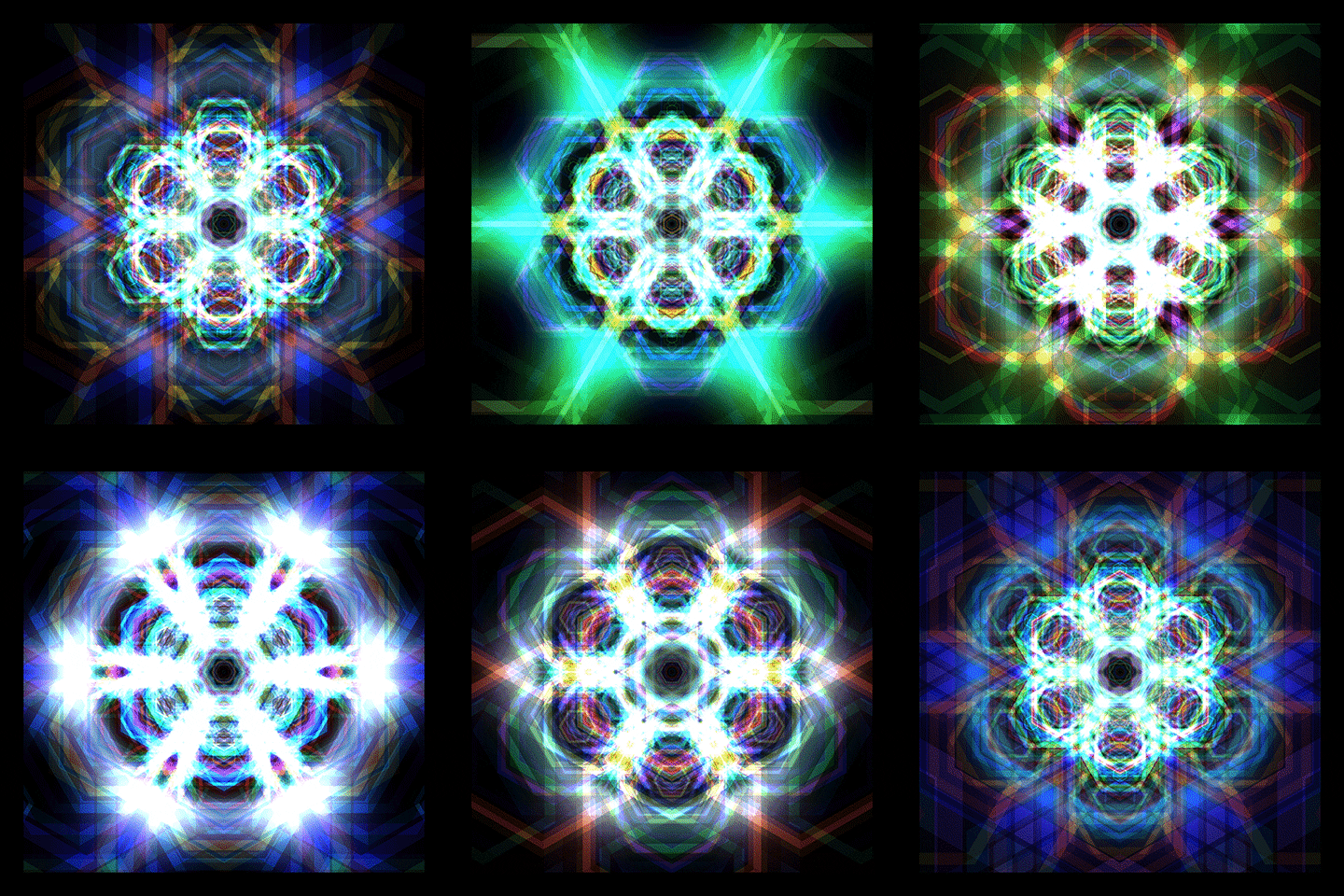
The mandala practice in this lesson emphasizes that a mandala is not about "drawing something," but about "viewing." You don't need to create a perfect pattern; simply choose an existing mandala image and quietly be with it.
As you watch, you can silently repeat to yourself, "I don't wait for others to like my posts before I allow myself to exist." Let your gaze move slowly, noticing the curves of the lines, the alternation of color blocks, and the relationship between the center and the edges, as if observing yourself swinging back and forth between virtual and reality.
If you find your thoughts drifting back to "what others will think of me," simply gently bring your attention back to the center of the image, like a gentle return home, rather than a reproach.
○ Suggestions for practicing medieval Gothic script
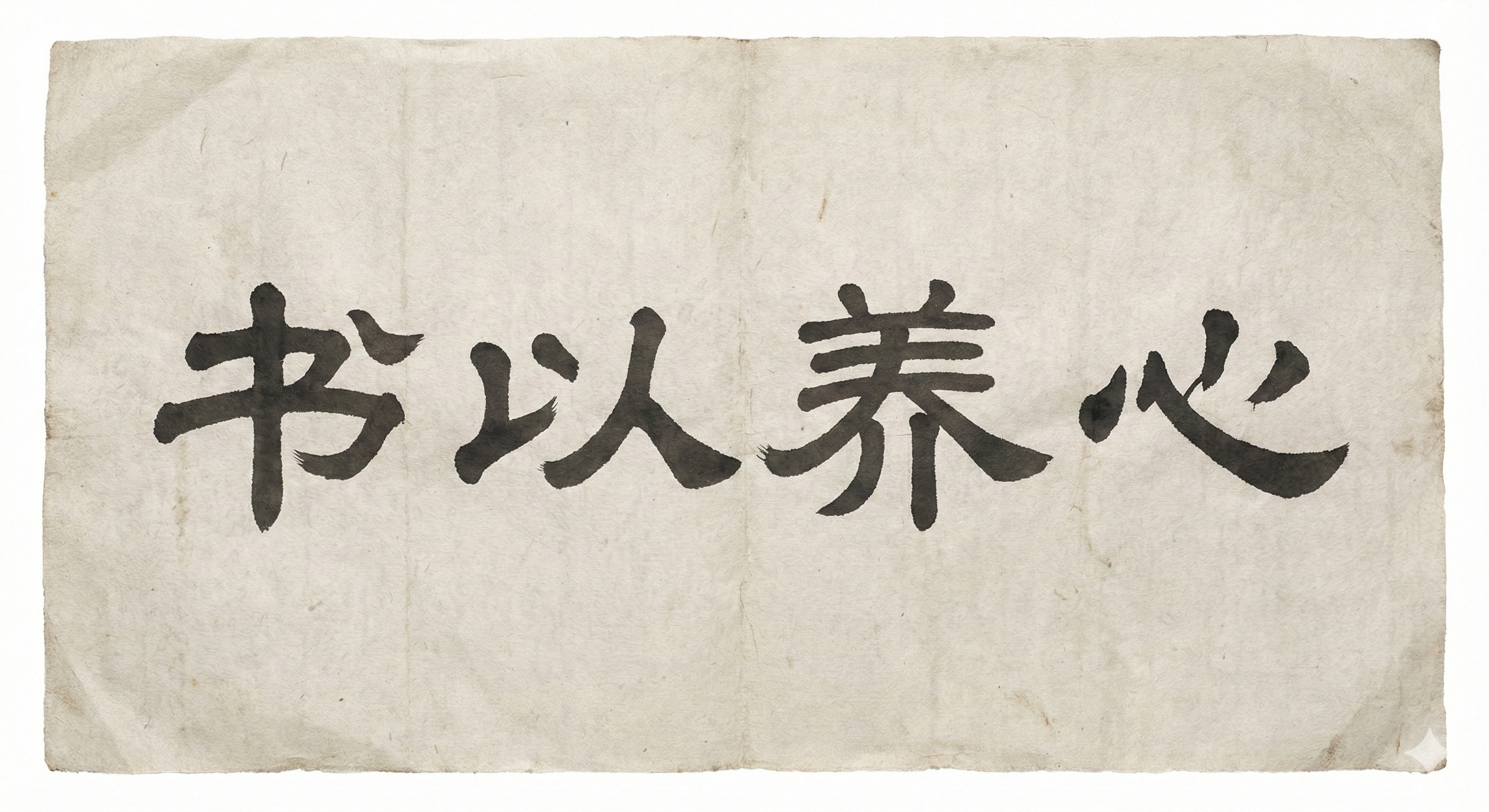
In this lesson, Gothic script is used to convey the imagery of "truth and depth." The distinct thickness and tight structure of the characters remind us that, compared to fleeting data, the true self requires time, weight, and layers.
- Writing words:
Latin:Veritas
Meaning in Chinese: truthful, sincere. - Psychological Intention:
Every time I write "Veritas," I reaffirm in my heart: my value doesn't depend on how glamorous my profile picture is, but on my dedication, kindness, and responsibility in real life. Let these words be a gentle protest against a "false, perfect image." - Writing method:
Practice on slightly thicker paper using a square-tipped pen or marker. Focus on the stability of vertical strokes and the balance of horizontal spacing; don't strive for ornamentation, but rather for a sense of solidity. Each stroke should feel like "adding a brick" to your real life. - Emotional transformation:
When you feel anxious because of fluctuating online opinions, don't rush to explain or retaliate. Instead, sit down and write "Veritas" a few times to shift your focus from "what others think of me" to "what kind of person I am."
○ The Misalignment Between Virtual Identity and Self-Worth: Guiding Suggestions for Art Therapy
This page uses drawings to visualize the distance between the "virtual self" and the "real self," helping you see which parts are magnified by filters and which parts are overlooked yet equally important aspects of reality. The drawings are for self-awareness purposes only; they do not judge the quality of the artwork or replace professional therapy.
I. Dual Self: Inside and Outside the Screen
- Draw a vertical center line on a piece of paper. Write "Me in the Screen" on the left and "Me in Reality" on the right.
- On the left, draw how you usually appear online: expressions, postures, colors, or symbols such as stage lights, like the like icon, etc.
- On the right, draw your state after logging off: tired, relaxed, confused, or calm, all of which can be represented by color and lines.
- Finally, connect the left and right sides with a soft line, symbolizing that you are trying to bring the two states closer together, rather than negating each other.
II. Value Source Map: From "Being Seen" to "Being Understood"“
- Draw a circle and divide it into four sectors, and write the following on each sector: Network Data, Skills Development, Emotional Relationships, and Physical and Life Experiences.
- Within each sector, use patterns or colors to represent the parts you are currently investing the most and the least in, such as a deep network data area and a shallow real-world relationship area.
- Think about this: If I want my "self-worth" to come from different areas in a more balanced way over the next six months, in which area would I like to add a little color or line? Write down a small, feasible action next to it.
Note: The internet is just one of many sources of value. The risk of addiction decreases as you learn to shift your focus from single data points to the diverse dimensions of life. If you experience severe functional impairment or suicidal thoughts, please seek professional support.
Please log in before submitting your drawings and feelings.
○ 1600. The Risk of Misalignment Between Virtual Identity and Self-Worth: Log-Based Guidance Suggestions
① Data fluctuation record: Write down your most recent experience of experiencing a significant emotional ups and downs due to changes in likes or followers, in two lines: What happened? How did I explain this at the time?
② List of valuable evidence: List at least three pieces of valuable evidence that are not related to the network, such as a task completed diligently, a act of kindness, or a habit that is maintained.
③ Virtual-Real Dialogue: Write a short dialogue between "me on the screen" and "me in real life," allowing them to express their expectations and misunderstandings about each other.
④ New metrics: Write down a sentence you would like to use to replace “data” as a new metric for self-evaluation, such as “Am I continuously learning?” or “Am I more gentle with others?”
Please log in to use.
When you are willing to gently detach your self-worth from virtual digital data and place it back into real life experiences, you are already moving towards freedom and integration.