

Lesson 1601: The Conflict Between Online Instant Gratification and Real-World Delayed Gratification
Duration:70 minutes
Topic Introduction: This course focuses on the deep conflict between "instant gratification online" and "the ability to delay gratification in real life." Short videos, game rewards, pop-up reminders, and instant replies constantly adapt the brain to a stimulus pattern of "rapid, rewarding, and no waiting." However, learning, work, relationship management, and long-term health all rely on "delayed gratification"—the willingness to invest time, wait, and endure boredom or even frustration. Many people know the importance of real-world tasks, yet subconsciously swipe to the screen at crucial moments, only to fall into self-blame and helplessness afterward. This course will help participants understand why they "know but can't do" from three levels: the neural reward system, habit loops, and emotional regulation. Through specific exercises and environment design, it will train participants to take a small step of "pause and choice" between impulse and goal, gradually restoring patience, focus, and self-efficacy in real life.
○ The core conflict between immediate gratification and delayed gratification
- Misaligned reward rhythm:Online feedback is measured in seconds, while real-world results are measured in weeks, months, and years. This difference in pace makes reality seem dull.
- Decreased tolerance to boredom:The brain is used to being constantly filled, and once a blank or pause occurs, the immediate urge is to reach for the phone to fill it.
- The sense of purpose is fragmented:Frequent switching between tasks and scrolling through social media makes it difficult to keep long-term goals clear and appealing in one's mind.
- Self-blame reinforces the vicious cycle:The self-reproach of "getting addicted again" only makes people want to escape to instant gratification again, creating a cycle.
▲ AI Interaction: When "I feel comfortable now" and "The future will be better" clash
Reflect on three recent instances where you intended to perform a real-world task but instead turned to an online or gaming activity: What was the task at the time? What content did you click on? What was the outcome?
Write down one of the scenarios, in three lines: my thoughts at the time, my real fear or desire to escape, and the positive results that might occur if I persisted in the task for 10 minutes.
Next, design a "low-dose exercise" for yourself: For the next week, choose one task each day, focus on it for 10 minutes, and then allow yourself a short time online instead of immediately swiping to the screen.
You can input these plans into AI to help you break down tasks, set reminders and encouragement, and gradually experience the sense of accomplishment brought by "delayed gratification" instead of relying solely on immediate stimuli.
Click the button below to tell the AI about your recent struggles, and together we can practice making gentler and more conscious choices between "wanting immediate comfort" and "wanting long-term improvement."
○ Music therapy for immediate emotional release
When you're about to engage in a task that requires focus, your brain often automatically seeks easier alternatives, such as scrolling through short videos or playing games. This music therapy section suggests entrusting this "transition phase" to gentle instrumental music, helping the nervous system transition from a hyperstimulation mode to a state of sustainable focus.
Before starting the task, play some slow, rhythmic music, close your eyes and take several deep breaths. Focus on two things: feeling the inhalation and exhalation of your breath, and feeling the rise and fall of the music. Give yourself 3-5 minutes to transform the urge to reach for your phone into the experience of your body slowly calming down.
Immediately after finishing, start the task again, without opening any social media apps, and replace the original "boundless scrolling" with a short, high-quality, uninterrupted session.
○ Western Herbal Healing Tea: Chamomile Mint Balance Tea
Recommended reasons:Chamomile helps relax nerves and relieve anxiety, while peppermint provides a moderate refreshing sensation, which helps keep the mind clear without becoming overly excited. For those who want to relax while maintaining a certain level of focus, this is a soothing and light drink.
Usage suggestions:Take 2g of chamomile and a small amount of mint leaves, add 250ml of hot water and steep for about 5 minutes. It is recommended to drink it "10 minutes before you start your task" and treat drinking tea as a ritual: tell yourself "I am switching from scrolling mode to action mode".
Awareness Tips:Put down your phone while drinking tea, focus only on the aroma and temperature, and experience the small satisfaction that can be obtained without relying on the screen.
Ancient Roman Natural Dietary Therapy: Chickpea and Olive Oil Energy Snack
Roasted chickpeas with olive oil, a touch of sea salt, and herbs represent an extension of the natural eating spirit of ancient Rome: simple, chewy, and rich in protein and fiber. Compared to the fleeting pleasure of sugary snacks, this treat provides a more stable energy release, helping to stabilize blood sugar and mood, and offering longer-lasting support for periods requiring focus.
Healing Recipes
/home2/lzxwhemy/public_html/arttao_org/wp-content/uploads/cookbook/roman-natural-06(Alternatively, you could try relaxed="1" or use an existing filename.)○ Mandala Viewing Healing: From "Immediate Stimulation" to "Quiet Retention"“
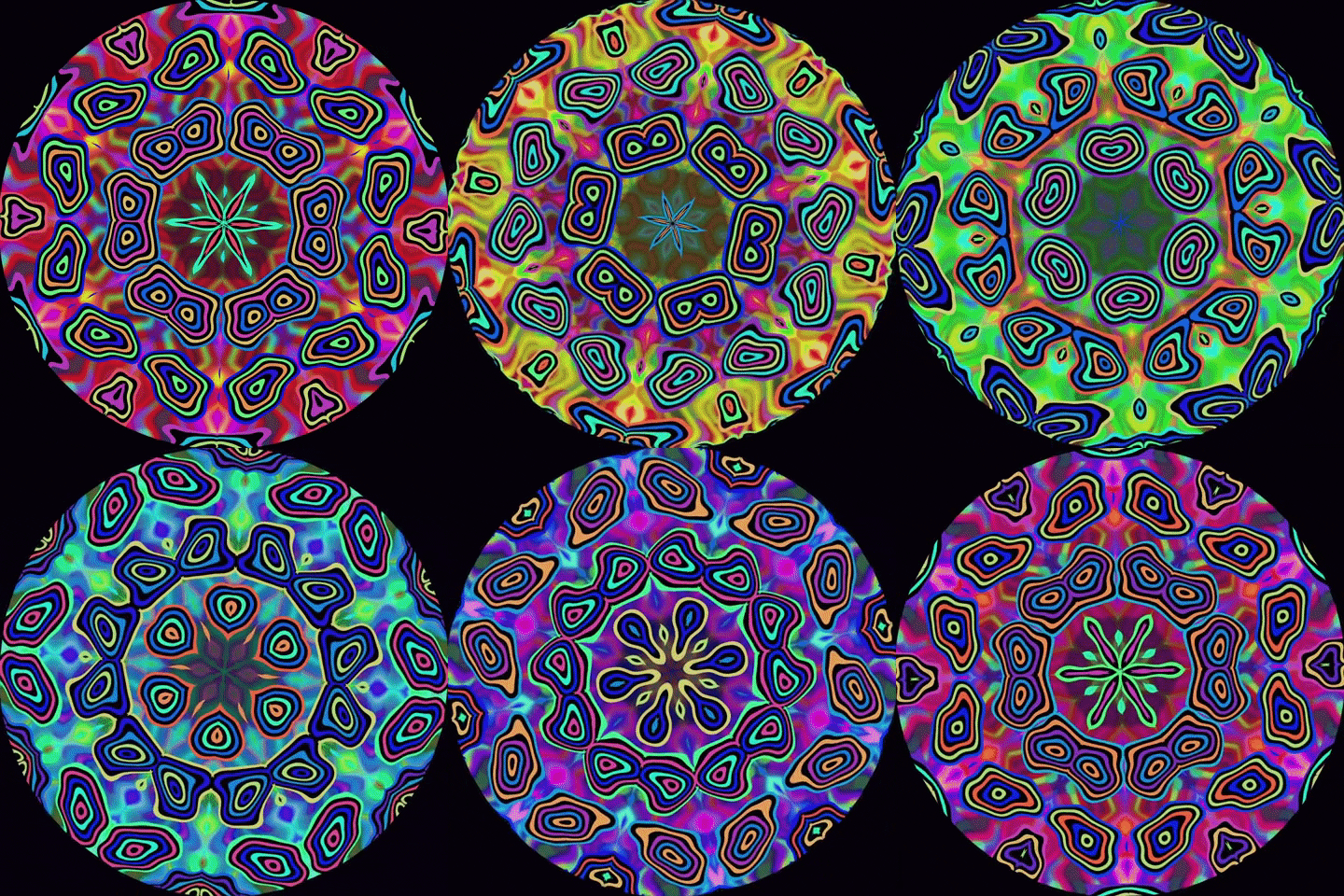
This lesson's mandala practice continues to emphasize that a mandala is not about drawing something, but about observing it. When the brain is accustomed to high-speed scrolling and constant refreshing, it's difficult to stay focused on one image for more than a few seconds. Observing a mandala is training your ability to "stop on one image."
You can choose a mandala image and set a small goal: quietly observe it for 2 minutes, without making any comments or taking screenshots to share, simply observing the repetition and variation of the lines. If your thoughts wander, gently bring your attention back to the center of the image, like bringing your gaze back from countless windows to a single point.
Every successful pause is a gentle adjustment to the instant gratification mode, helping you rediscover that "slowing down can also be safe."
○ Suggestions for practicing medieval Gothic script
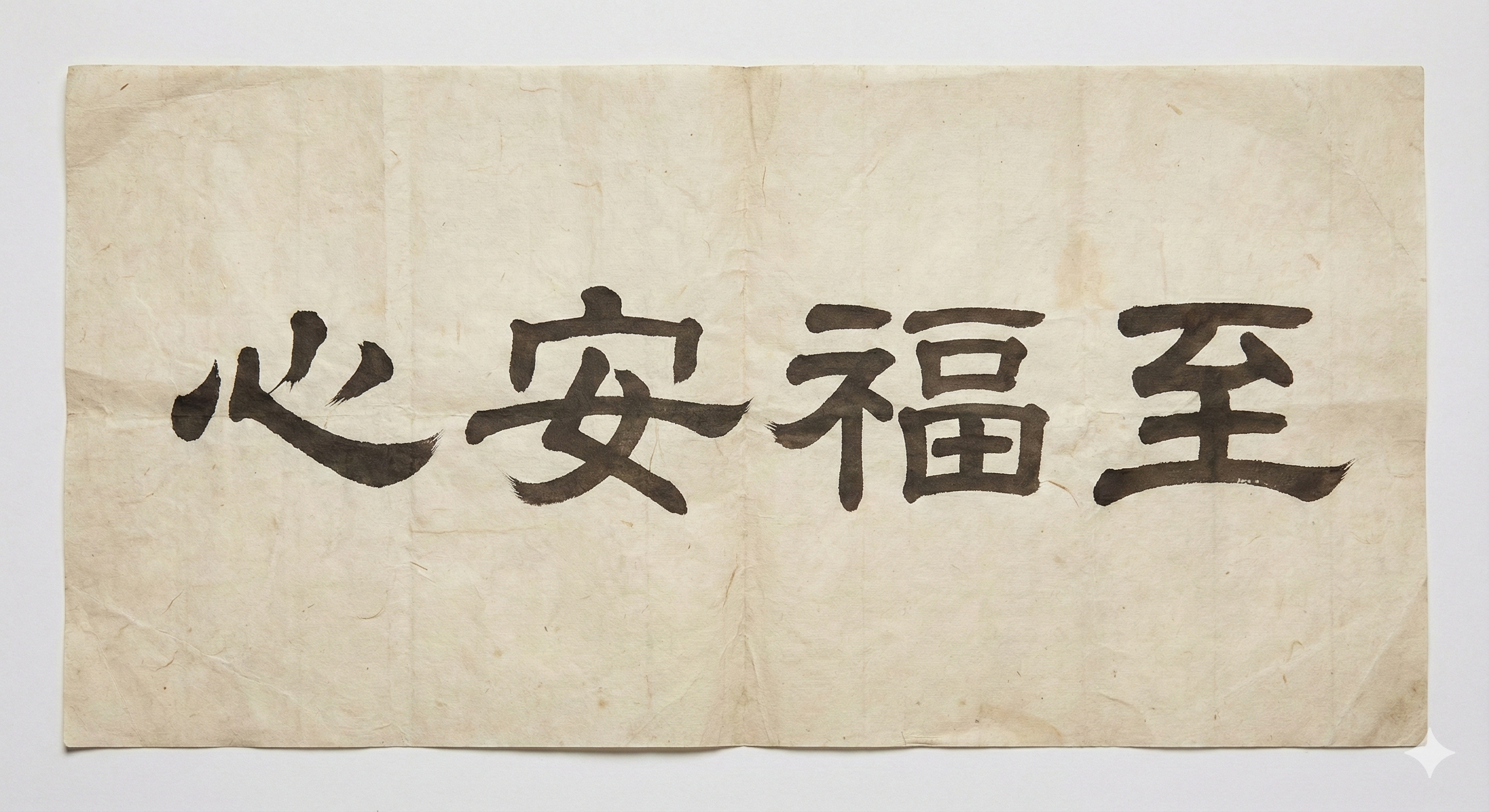
In this lesson, Gothic script is used to symbolize "maintaining a steady rhythm without being pulled away." The bold vertical strokes and regular spacing convey a sense of restraint and structure, helping to combat the fragmented experience brought about by instant gratification.
- Writing words:
Latin:Patientia
Chinese meaning: patience, endurance. - Psychological Intention:
Every time I write "Patientia," I remind myself that what truly changes lives is often not a sudden, grand achievement, but rather the result of patient repetition and perseverance. Treat this word as a training instruction for your "delayed gratification muscle." - Writing method:
Practice on lined paper using a square-tipped pen or a thick-tipped water-based pen. Intentionally slow down, keep the vertical lines perpendicular and the horizontal spacing even, and make the writing process itself an experience of "distancing yourself from impulses". - Emotional transformation:
When you feel the urge to immediately check your phone or open a game, try writing "Patientia" three times and next to it a small task that you're willing to stick to for 10 minutes. This transforms the energy of "wanting immediate comfort" into "completing a small, real action first."
○ The conflict between instant gratification and delayed gratification: Guiding suggestions for art therapy
This page uses drawings to visualize the forces of "wanting immediately" and "being willing to wait," helping you see how they pull you in different directions in life. The drawings are for self-awareness only; they do not judge the quality of the artwork, nor do they replace professional therapy.
I. Two forces: pulling your two hands
- Draw a small image of yourself in the center of the paper; it could be a simple sketch or a symbolic representation.
- Draw a hand on the left and write "Instant Comfort" on it. Use bright, vibrant colors to represent elements such as short videos, games, and social media.
- Draw a hand on the right side and write "The future will be better" on it. Draw symbols such as books, work, health, and real relationships.
- Observation: In the past week, which hand has pulled you away more often? Darken the corresponding side and write down a real example.
II. Bridge Scene: Building a "Transitional Bridge" for Yourself“
- Draw a small bridge at the bottom of the picture, write "Want to relax immediately" on the left end and "Willing to persevere a little bit" on the right end.
- Draw three footprints on the bridge and write down the small steps you can take, such as "Take three deep breaths", "Do the task for 10 minutes", and "Put your phone in another room".
- Once completed, describe in a few sentences: When I am next attracted to instant gratification, which of these three steps is the most realistic one that I can do?
Tip: Change doesn't require you to give up all instant gratification all at once, but rather to take a small "transitional step." When you're willing to build bridges for yourself instead of just blaming yourself, you're already training new neural pathways and lifestyle rhythms.
Please log in before submitting your drawings and feelings.
○ 1601. The conflict between online instant gratification and real-world delayed gratification capabilities: Log-guided suggestions
① Context Review: Record the most recent situation in which you were "pulled away" by the internet or a game, and write it down in three lines: the task at the time, the content that led to the game, and your feelings afterward.
② Needs breakdown: Try to answer "What did I really want at that time?" Was it relaxation, being understood, escaping failure, or simply boredom?
③ Mini-practice plan: Design a "10-minute real-world action" exercise for yourself and write down an encouraging message to read to yourself the next time you feel like posting on social media.
④ Feedback on results: Record your experience after completing the exercise. Do not evaluate success or failure, but only focus on whether you have a little more choice than last time.
Please log in to use.
When you are willing to allow yourself a small pause and choice between instant gratification and long-term goals, your ability to delay gratification is slowly recovering.