

Lesson 3: The Relationship Between Anxiety and the Body
Duration:70 minutes
Topic Introduction:Anxiety isn't just a psychological phenomenon; it also profoundly affects our physical manifestations. This course will help you understand the connection between anxiety and bodily reactions like breathing, heartbeat, muscle tension, and gastrointestinal discomfort, and build mind-body awareness through gentle practice.
○ Common physical reactions to anxiety
- Rapid and shallow breathing:When you are anxious, your breathing becomes faster and shallower, which can easily cause chest tightness and dizziness.
- Muscle tension:Stiff shoulders, neck, and back pain are common physical signs of long-term anxiety.
- Gastrointestinal discomfort:Anxiety often triggers digestive disorders such as bloating, nausea, and diarrhea.
Lesson 3: The Relationship Between Anxiety and the Body 🎧 Click to watch/listen to the reading
When anxiety knocks on your door, your body often responds more actively than you do, as if to say, "Don't worry, I'll put on a full-blown show of tension for you."“
First, your heart takes over – it races, as if you've suddenly been appointed a 100-meter sprinter, even if you're just sitting on the sofa scrolling through your phone. Next, your breathing quickens, your chest tightens slightly, and you feel the air getting thinner; this is actually your body pre-oxygenating for a "fight or flight" situation.
The muscles were also very well-developed. The shoulders felt like they were carrying two bags of rice, the back of the neck was taut like a fully drawn bowstring, and the palms were even slightly sweaty—this sticky "tension" was the sympathetic nervous system reminding you: "There may be danger!" However, this "danger" might just be your speech for tomorrow.
The gastrointestinal tract can be quite dramatic. Some people experience acid reflux when anxious, while others feel their stomachs start to rumble. The principle is simple: blood is diverted to supply the muscles and heart, temporarily "neglecting" the digestive system, which then protests in various ways.
And then there's the brain's reaction—it goes into overdrive, searching for every possible risk while creating all sorts of "hypothetical scenarios," like playing a never-ending disaster movie in your head. The result? You have neither time to gossip nor the mood to sleep.
These reactions actually stem from survival mechanisms from the evolutionary era. Back then, when encountering a wild beast in the wilderness, the body had to immediately mobilize in all directions: increase heart rate, raise blood pressure, tense muscles, and concentrate, ready to flee at any moment. The problem is, in modern society, the "beasts" are often meetings, bills, and relationship problems, and your body can't distinguish between them; it simply faithfully executes the ancient programs.
Understanding this is important because you'll find that your body isn't working against you; it's just taking its ancient survival instincts too seriously. The next time you feel your heart racing and your palms sweating, gently tell yourself, "Thanks for the reminder, but we don't need to run for our lives today. Let's go have a cup of tea." This way, your body's "emergency performance" will gradually come to an end, allowing you to return to a calmer state.
▲ AI interaction: Have you noticed that “your body is reminding you of anxiety”?
Anxiety doesn't just live in the mind, it lives in the body as well.
A racing heartbeat and sweaty palms—these are its words.
Try to listen to your body and don't rush to reject these feelings.
You can say to your body, "I know you are reminding me."
In this way, the body will gradually relax.
Click the button below to sort out your body signals with AI and practice how to "return to stability".
Music with a steady rhythm is like the steady pace of life.
Set aside a few minutes every day to listen to a soothing melody.
It will help you reestablish your rhythm, like finding your own dance steps.
In music, you feel the sense of control return to your hands.
Oriental Healing Tea Biluochun Tea
Recommended drinks:Biluochun tea
Recommended reasons:It can refresh the mind, clear away heat and relieve depression. It is suitable for drinking when you feel irritable or tense.
practice:3 grams of Biluochun, brewed with 85°C water, can be refilled 2-3 times, the fragrance is refreshing and sweet.
○ Grilled Sea Bass with Lemon
Ancient Greek medicine emphasized "lightness and freshness," a principle that continues in the modern Mediterranean diet. Sea bass is tender, low in fat, and rich in omega-3s, which benefit the cardiovascular system and brain. Lemon and herbs add a touch of salt to the dish, making it vibrant despite its low salt content. Marinate for 15 minutes, then pan-fry or grill for 5–6 minutes before serving, perfect for a weeknight dinner. Serve with grilled vegetables or a salad, or with a whole-grain platter for a balanced meal featuring a rich, oily, and whole grain dish.
Omega-3
Low-fat and refreshing
Healing Recipes
/home2/lzxwhemy/public_html/arttao_org/wp-content/uploads/cookbook/grilled-sea-bass-lemon.html(Please confirm that grilled-sea-bass-lemon.html has been uploaded)Lesson 3: Chinese Calligraphy: Regular Script - Vertical Strokes and Internal Support
Vertical strokes form the "skeleton" of regular script. Whether a single vertical stroke is upright or not often directly determines whether the entire character can stand upright.
Writing Instructions:
Vertical strokes require a straight, centered brush tip, avoiding any swaying from side to side. When writing, pay attention to applying pressure evenly from top to bottom, avoiding a top-heavy and bottom-light approach.
The strokes should be steady at the end, without abrupt stops, creating a clear sense of completion.
Written words:
May good fortune always be with you.
Motivational words:
External stability comes from whether there is sufficient internal support.
Writing Tips:
When writing vertical strokes, you can silently count the strokes in your mind to help maintain verticality and stability.
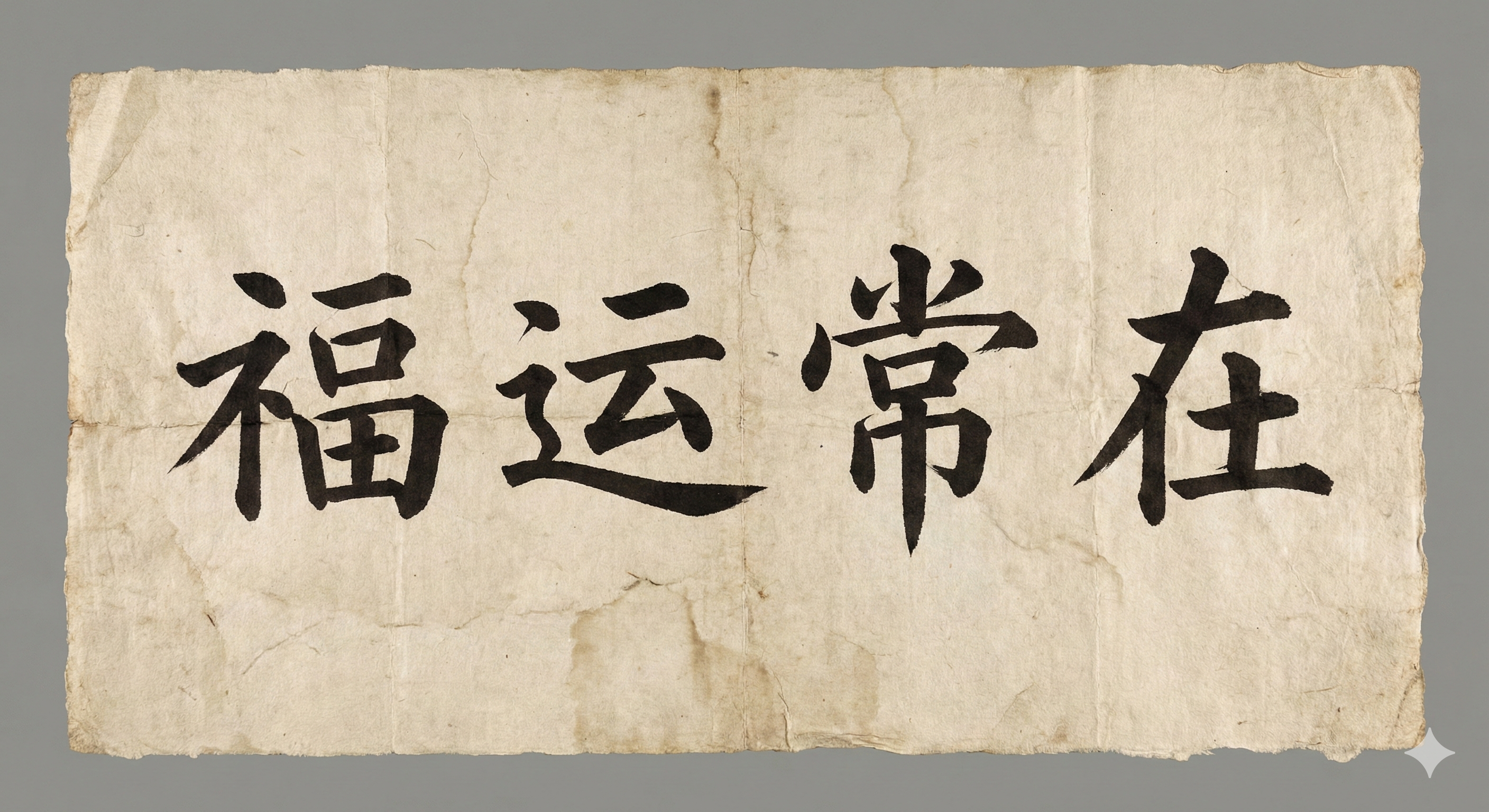
Image Healing: Mandala Stability Guidance 03
As geometry slowly unfolds, you'll discover that order isn't rigid; it's born in flow. Anxiety makes you want to grasp everything, but the circle tells you—true security comes from permission, not control. Allow yourself to relax, to slow down, like water flowing along lines. Let your body remember this softness; balance isn't stagnation, but gentle movement and return.
Traditional mandalas typically feature symmetry and complex geometric structures, symbolizing the wholeness of the universe and the cycle of life. By drawing traditional mandalas, individuals can perceive inner peace and strength, achieving psychological balance.
◉ Please stare and watch twice.

Lesson 3: Body Map
Objective: To become aware of where anxiety is located in the body, to concretize vague discomfort, and thus to make it easier to distinguish between "feelings" and "danger".
Steps: Draw a human silhouette on paper, and use colors or symbols to mark the areas where you often feel tense (such as chest, stomach, shoulders, neck, head). Use red and orange to represent tension, and blue and gray to represent fatigue. Write down the triggering scene or time next to each area. Finally, choose an area and color it with a "relaxing color," symbolizing that you are giving yourself gentle attention.
Please log in before submitting your drawings and feelings.
○ 3. Journaling guidance and suggestions for the relationship between anxiety and the body
① Body sensation map: head/chest/stomach/hands/feet sensations (tightness/heat/numbness/soreness/trembling…) and intensity on a scale of 0–10.
② List of today’s triggering factors: caffeine/sleep/noise/socializing/work pressure, etc. (give examples for each).
③ Today’s list of relief factors: stretching/hot water/walking/music/breathing, etc. (mark the three most effective ones).
④ One of my “early warning signs” (such as rapid heartbeat and tight shoulders and neck) and the corresponding quick response steps (10 slow breaths/1 minute away from the scene).
⑤ Record the process from early warning to intervention: what happened → what I did → what was the result.
⑥ In which situation will you try out this physical coping strategy tomorrow? What will be your criteria for success?
Please log in to use.
The body is the most honest echo of anxiety. Only by learning to hear and respond to it can we truly achieve physical and mental balance.