

Lesson 21: Physical Examinations and Health Worries

Duration:70 minutes
Topic Introduction:When you're worried about your health, even the slightest change in your body can be magnified. You can tell the AI about the process of checking, searching, and repeatedly taking your pulse. It will help you distinguish between necessary observations and over-confirmation, and remind you to see a doctor first if you're truly feeling unwell. Taking care of your body isn't about constantly monitoring it, but about acting when needed and gradually letting go when things are fine. If the test results are normal, allow yourself to practice not asking follow-up questions; this is also a form of taking care of your body. Don't forget to affirm yourself. Give yourself some space first.
○ Course Topic Audio
Lesson 21: Physical Examinations and Health Worries
Click to view the read-aloud text
This lesson revolves around "emotional exhaustion and 'false calm' after prolonged anxiety." Our goal isn't to confront anxiety head-on, but rather to break it down into smaller, observable, practiceable, and relatable parts. We'll identify emotional exhaustion and false calm after prolonged anxiety, distinguishing between numbness, fatigue, and true peace. When anxiety persists, the brain tends to seek danger, and the body prepares for defense; breathing, stomach, neck and shoulders, sleep, and attention can all be affected. You might know something hasn't happened yet, but you're already mentally rehearsing the worst; you might want to relax, but find your body won't cooperate. The first step in this lesson is to remove anxiety from the self-evaluation of "I can't do it" and replace it with "My system is alarming." This change is crucial because only when you stop attacking yourself can you begin to adjust. You can start by writing down your most prominent worry of the day, then ask yourself: Is it a real problem, or a disaster rehearsal? Does it need immediate attention, or just need to be recorded? The second step is to bring your body back to the present moment. Try exhaling slowly, feeling your feet touch the ground, and gently relax your jaw, shoulders, and fingers. If your emotions are still high, don't rush to convince yourself it's okay. Just send a signal to your body: I know you're nervous, let's slow down. For anxiety, safety isn't just a slogan, but a series of small, repeatable actions. The third step is to choose a minimal action. It could be drinking water, eating something, opening a window, writing three sentences, pausing for five minutes, tidying a corner, or contacting someone you trust. The significance of minimal actions isn't to immediately solve life's problems, but to allow the brain to re-experience: I'm not completely out of control, I can still influence reality a little. If you experience intense panic, persistent insomnia, self-harming thoughts, or an inability to stabilize yourself during the exercise, don't suffer alone. Contact family, doctors, psychologists, or local emergency help resources immediately. The course content is suitable for learning and self-reflection, but cannot replace professional diagnosis and treatment. Finally, give yourself a steady reminder: Anxiety doesn't mean I've failed; it's just a signal reminding me to slow down, observe, and take care of myself. Just seeing a trigger point, completing a small action, or writing down a thought today is already a step forward on the road to recovery. After reading aloud, jot down three phrases: What am I worried about right now? Where in my body am I most tense? What step am I willing to take first? Save these three phrases; the next time anxiety arises, they will help you get back to an actionable path more quickly. Don't strive for complete calm after just one practice session; stability comes from repetition, gentleness, and sustainability. You are not learning to destroy yourself, but rather to interact with your nervous system in a safer way. After reading aloud, jot down three phrases: What am I worried about right now? Where in my body am I most tense? What step am I willing to take first?

AI Healing Q&A
If you constantly find yourself focusing on changes in your body, don't immediately berate yourself for overreacting. People who worry about their health are often simply afraid of losing control. You can tell an AI how your most frequently checked feelings are, and it will help you distinguish between signals that require medical attention and alarms amplified by anxiety. Don't delay seeking help when necessary; when you don't need constant confirmation, you can practice gradually shifting your attention back to everyday life. Your fears deserve to be taken seriously. Taking care of your body and calming your anxiety can happen simultaneously; they don't have to contradict each other. Just practice gradually.

○ Music therapy guidance
Health anxieties can lead to constant body scanning. When practicing, choose stable, slow music and shift your focus from repetitive checks to a holistic experience: your feet are on the ground, your back is supported by the chair, and your breathing continues. If symptoms are pronounced or persistent, seek medical attention as needed. Music practice only helps relieve tension and does not replace medical judgment. After practice, focus on a stable action, such as drinking water or tidying your clothes. Let your mind step away from the scanning. That's enough for today. Taking it slow is perfectly fine.

○Eastern and Western Healing Teas
Recommended drink: Jujube seed tea. Reason for recommendation: It's suitable for slowing down the body's pace while studying this lesson, relieving tension and fatigue caused by emotional exhaustion. Preparation: Take an appropriate amount of tea leaves, brew with warm water, and drink slowly, avoiding making it too strong. Recommended dietary therapy: Lotus root and pork rib soup. Based on the principles of being light, stable, and low-burden, it helps the body obtain sustained energy.
○ Healing Recipes
Garlic Olive Shrimp
Garlic Olive Shrimp is a suitable healing recipe after this lesson. It's gentle, easy to prepare, and low-burden, replenishing the body with stable energy after the emotional exhaustion and "false calm" following prolonged anxiety, reducing the amplification of anxiety experiences caused by hunger, fatigue, and tension. Eat slowly, observing your hunger, satisfaction, breathing, and feelings of relaxation. It doesn't aim for elaborate plating, but rather serves as a gentle replenishment after anxiety practice.
Open the healing recipe
◉ Mediterranean Diet · 21. Garlic Shrimp with Olive Oil
I. Recommended Dietary Therapy and Reasons
Recommended dishes:Garlic Olive Shrimp
Recommended reasons: Garlic shrimp with olive oil is a fragrant, quick, and light Mediterranean dish, perfect for supplementing protein and stabilizing energy during social anxiety classes. The firm shrimp provides high-quality protein, helping the body maintain alertness and strength under stress; the warm aroma of garlic and olive oil adds a sense of calm. Lemon juice balances the oiliness, making the dish refreshing and light. It's suitable for lunch, dinner, or before and after social events, providing a gentle feeling of fullness without being overly heavy.
2. Recipe and Method
Recipe (1–2 servings):
- 200–250 g fresh shrimp, peeled and deveined
- 1.5–2 tablespoons extra virgin olive oil
- 3–4 cloves of garlic, sliced or minced.
- 1 tablespoon lemon juice
- A small amount of parsley or cilantro, chopped.
- A pinch of black pepper
- A pinch of sea salt
- Dried beef, at least a few, optional
practice:
- After washing the fresh shrimp, pat them dry and remove the shrimp veins to keep them clean and refreshing.
- Slice or mince the garlic, and chop the parsley.
- Pour olive oil into a pan and heat over medium-low heat. Add sliced garlic and sauté slowly until fragrant.
- Add fresh shrimp and stir-fry over medium heat to ensure the shrimp meat is heated evenly.
- After the shrimp turn color and curl up, add lemon juice, black pepper, a little sea salt and dried oregano.
- Continue stir-frying for 1–2 minutes to avoid overheating and making the shrimp meat tough.
- Sprinkle with parsley before serving, stir gently, and it's ready to eat warm.
3. Small rituals for body and mind
When handling shrimp and garlic, focus your attention on the movements in your hands, allowing your thoughts to gradually shift from external evaluations back to the present moment.
As the aroma of garlic rises, slow your breathing and feel the warm scent enter your body. Remind yourself: I can take care of myself in simple ways.
When you take your first bite, feel the elasticity of the shrimp, the refreshing lemon, and the mellowness of the olive oil, letting your body know that it's tolerable at this moment.
4. Dietary Therapy Experience Record
- Record the time of consumption, whether it is lunch, dinner, or a supplement before or after social activities.
- Observe whether there are any changes in satiety, mental alertness, stomach burden, and tension within 30–60 minutes after consumption.
- If you consume it when you are anxious, tired, or need to go out, you can record whether it helps you regain some physical strength.
V. Instructional Videos (approximately 3–5 minutes)
Video Title:Garlic Shrimp with Olive Oil: A Light Mediterranean Protein Dish Ready in 8 Minutes
6. Precautions
- People with shrimp allergies should not eat shrimp; they can use chicken breast, tofu, or white fish as substitutes.
- The garlic flavor is quite strong, so those with sensitive stomachs should reduce the amount of garlic used and avoid eating it on an empty stomach.
- Shrimp meat cooks quickly, so it should not be cooked for too long to avoid making it tough.
- If you need a low-sodium diet, reduce the amount of sea salt you use and avoid pairing it with high-sodium sauces.
- Olive oil is not recommended for high-temperature frying or prolonged cooking; medium-low heat is more suitable.
hint:This recipe is for daily physical and mental well-being and is not a substitute for any medical diagnosis or treatment. If you have seafood allergies, kidney disease, require a low-sodium diet, or have special nutritional restrictions, please prioritize following the advice of your healthcare provider and nutritionist.

○Mandala Healing
Health anxieties often lead to constant scanning of the body. When viewing a mandala, gently shift your attention away from repetitive checks and focus on the colors and rhythm of the patterns. Take care of yourself appropriately when feeling unwell, and also give yourself some respite when there's no immediate danger. You are practicing distinguishing between care and excessive alarm. At the end, remind yourself: paying reasonable attention to your body is care, while constantly searching for danger may be anxiety seeking reassurance. Take it slow. Take it slow. Take it slow. Take it slow. Take it slow.
● AI Dynamic Geometric Vision Focus and Emotion Regulation Engine ●
AI Dynamic Geometric Vision Focus and Emotion Regulation Engine · v7.0.0
Before we begin, I'd like to know how you feel right now.
There is no standard answer; just choose the one that best reflects how you feel right now.
The experience is over. Tell us how you feel now.
There is still no standard answer; just choose the one that best reflects how you feel right now.
#FF5252
After the fluorescent line crawling is completed and stopped, first select a color, then click on the closed area in the graphic to fill in the color.
AI Digital Mandala Static Focus EngineAZ Image Coloring · 60 Colors
AI Digital Mandala Interactive Focus Engine
A–Z Free Selection · Layered Lines · 60 Color Fills

○ Calligraphy and engraving therapy practice
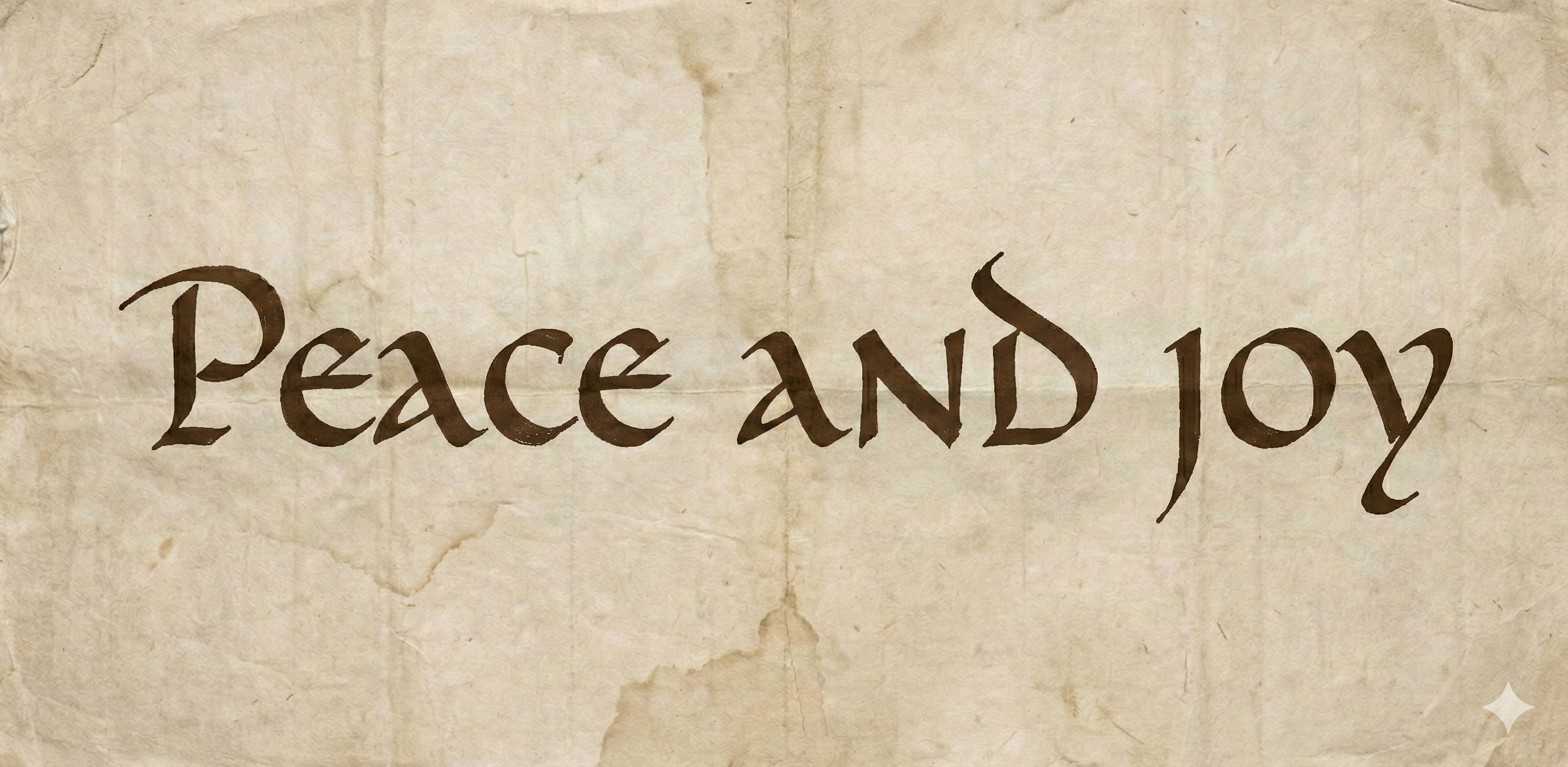
This lesson's writing practice follows the principles of "slow, steady, and clear," guiding your attention back from worry to your hand, pen, and paper. Writing tips: Take a break when tired. Before writing, adjust your posture, pause briefly before writing to ensure your breathing and shoulders are relaxed. If emotional exhaustion makes you anxious, treat each stroke as an opportunity to regain your footing. Tips: Write less, write slowly, write steadily.

○ Art Therapy Guidance
Objective: To externalize "emotional exhaustion" into a visual image, helping oneself to see it rather than be surrounded by it. Steps: 1. Draw a shape representing your current anxiety in the center of a piece of paper. 2. Mark the trigger point with a color. 3. Draw a fact area next to it and write down confirmable information. 4. Draw a calming action, such as breathing, pausing, asking for help, or drinking water. 5. After completing this, write a sentence: I can see it, and I can respond to it slowly.
Please log in before submitting your drawings and feelings.

○ Diary Healing Suggestions
① What is my new understanding of "emotional exhaustion" today? ② In which situations did it most frequently occur over the past week? ③ How did it affect my sleep, attention, productivity, and interpersonal relationships? Rate it from 0 to 10. ④ Write down the worst, most likely, and best possible outcomes. ⑤ Choose a minimum feasible action: drink water, take a walk, breathe, contact a supporter, or take a five-minute break. ⑥ How will I remind myself to continue practicing tomorrow?
Please log in to use.
When you are willing to see "emotional exhaustion" clearly, instead of continuing to tough it out alone, anxiety begins to transform from a fog into a signal that can be taken care of.