

Lesson 47: Pre-Social Anxiety: I'm Already Breaking Down Before I Even Go

Duration:70 minutes
Topic Introduction:Before even stepping out the door, you've already mentally rehearsed the disaster scenario three times: awkward silence, embarrassment, and complete neglect. This course will provide you with a pre-departure stress-reduction routine, shifting your focus from "I have to perform well" to "I just need to be present and breathe." When learning, minimize your goals; observe only one reaction, perform one gentle action. You don't need to change yourself immediately; simply try to understand more within safe limits. Every observation and record is the beginning of rebuilding a sense of stability.
○ Course topic audio
Lesson 47: Pre-Social Anxiety: I'm Already Breaking Down Before I Even Go
Click to view the read-aloud text
This lesson is titled "Pre-Social Anxiety: I'm Already Collapsing Before I Even Go." The focus of this social anxiety course isn't forcing you to be extroverted, nor is it demanding you immediately act naturally in a crowd. Instead, it's about understanding why you become tense when you're seen, questioned, or evaluated. Pre-social anxiety depletes your energy before you even leave the house. This lesson establishes a pre-outing stress-reduction process, shifting the goal from perfect performance to simply arriving and breathing. When social anxiety arises, the mind often automatically generates conclusions: they must have noticed me, they must think I'm strange, I said something wrong, I'll be criticized. Simultaneously, the body enters a state of heightened alertness: heart rate increases, breathing becomes shallow, face flushes, throat tightens, and even the mind goes blank. Remember, these reactions are not failures, but rather the body executing protective mechanisms. The first step in this lesson is to slightly shift your focus from "how others are seeing me" to "what I'm experiencing right now." You can write three columns on paper: what I'm worried about others thinking; what evidence I've actually seen; and is there a gentler, more realistic explanation? This isn't self-hypnosis, but rather separating mind-reading, catastrophizing, and the spotlight effect from reality. The second step is to give your body a reassurance. You can place your feet firmly, exhale slowly, gently relax your jaw and shoulders, and allow yourself three seconds to pause before answering. Social anxiety is most averse to the command, "I must perform well immediately." The more you allow yourself to slow down, the more your body has the opportunity to withdraw from the feeling of being judged. The third step is to choose a small, authentic social action. It could be sending a short message, sharing a genuine feeling with someone you trust, maintaining your presence in a group for only five minutes, or practicing a transition phrase. The goal isn't perfect performance, but rather allowing your nervous system to learn little by little: I can be seen, but I won't necessarily be harmed. If certain social situations involve humiliation, aggression, constant control, or real danger, you don't need to force yourself to expose yourself to them. Healing isn't about enduring harm, but about helping you distinguish between real threats and anxiety misreporting. Seek help from a therapist, doctor, family member, or trusted supporter when needed. Finally, give yourself a reassuring reminder: I can be nervous, and I can slowly engage in relationships; I can be imperfect, and I still deserve respect. Today, simply recognizing one more anxiety pattern, completing a small experiment, or reducing self-criticism is already a step towards restoring social safety. After reading aloud, please write down a minimal social exercise and a boundary you can use to protect yourself. The next time you enter a social situation, don't strive for complete relaxation; just remember to breathe, pause, and observe the evidence. You are not learning to please everyone, but to remain authentic and safe in relationships. Every gentle attempt accumulates new experience for your body: being seen does not equate to being rejected. After reading aloud, please write down a minimal social exercise and a boundary you can use to protect yourself.
○ AI Healing Q&A
For those experiencing pre-social anxiety: "I'm already breaking down before I even go!", you can tell the AI the scenarios, thoughts, and physical reactions that bother you most. Don't rush to find the perfect answer; instead, work together to distinguish between facts, speculations, fears, and real needs. This column is suitable for organizing trigger points, finding actionable steps, and rewriting self-blaming language into gentler self-support. Please be specific about your questions, including the time, place, people, physical reactions, and your most feared outcome.
○ Music therapy guidance
For the music practice in this lesson, it is recommended to choose slow, stable melodies without strong drumbeats, allowing your breathing to slow down in sync with the rhythm. To rehearse pre-social anxiety: If you're already feeling overwhelmed before even arriving, listen with your eyes closed for three to five minutes. Focus on relaxing your shoulders, neck, chest, and abdomen. Don't analyze the music; simply let your body know the danger has passed. If you feel overwhelmed, lower the volume and listen for shorter periods to gradually restore your sense of security.
○ Eastern and Western Healing Teas
This lesson suggests choosing mild, light, and non-stimulating teas to help you rehearse pre-social anxiety: "I'm already breaking down before I even arrive," and then stabilize your body's rhythm. You can sip small amounts of Osmanthus Oolong, light black tea, or herbal tea slowly. Avoid drinking it too strong, too hot, or too quickly; treat the first sip as a pause signal, allowing your stomach, breathing, and focus to slow down. If you are sensitive to caffeine, you can use decaffeinated herbal tea or warm water instead. Again, avoid drinking it too strong, too hot, or too quickly; treat the first sip as a pause signal.
○ Healing Recipes
Longan and Lotus Seed Porridge
Longan and lotus seed porridge is a suitable healing recipe after this lesson. It's gentle, easily digestible, and low-burden, serving as a rehearsal for social anxiety before the learning process: replenishing the body's stable energy after a breakdown, reducing the amplification of social anxiety experiences caused by hunger, fatigue, and tension. Eat slowly, observing feelings of hunger, satisfaction, breathing, and relaxation. It doesn't aim for elaborate plating, but rather serves as a gentle replenishment after social practice.

○ Mandala Healing
After overcoming the anxiety of preparing for social interaction—the overwhelming studying that begins even before you arrive—please quietly observe the mandala image. Don't rush to analyze the colors and shapes; simply let your gaze linger on the center, edges, and repetitive rhythms. When your attention wanders, gently bring your gaze back to the image, feeling your breathing gradually slow down. Viewing is not an exam, but an exercise to restore order to your nervous system. If your eyes feel tired, you can pause, close your eyes, and feel the lingering colors and rhythms.
● AI Balance Psychological Simulation Engine ●
AI Balance Psychology Simulator
AI Mandala Color Healing EngineAZ Image Coloring · 40 Colors
○ Calligraphy and engraving therapy exercises
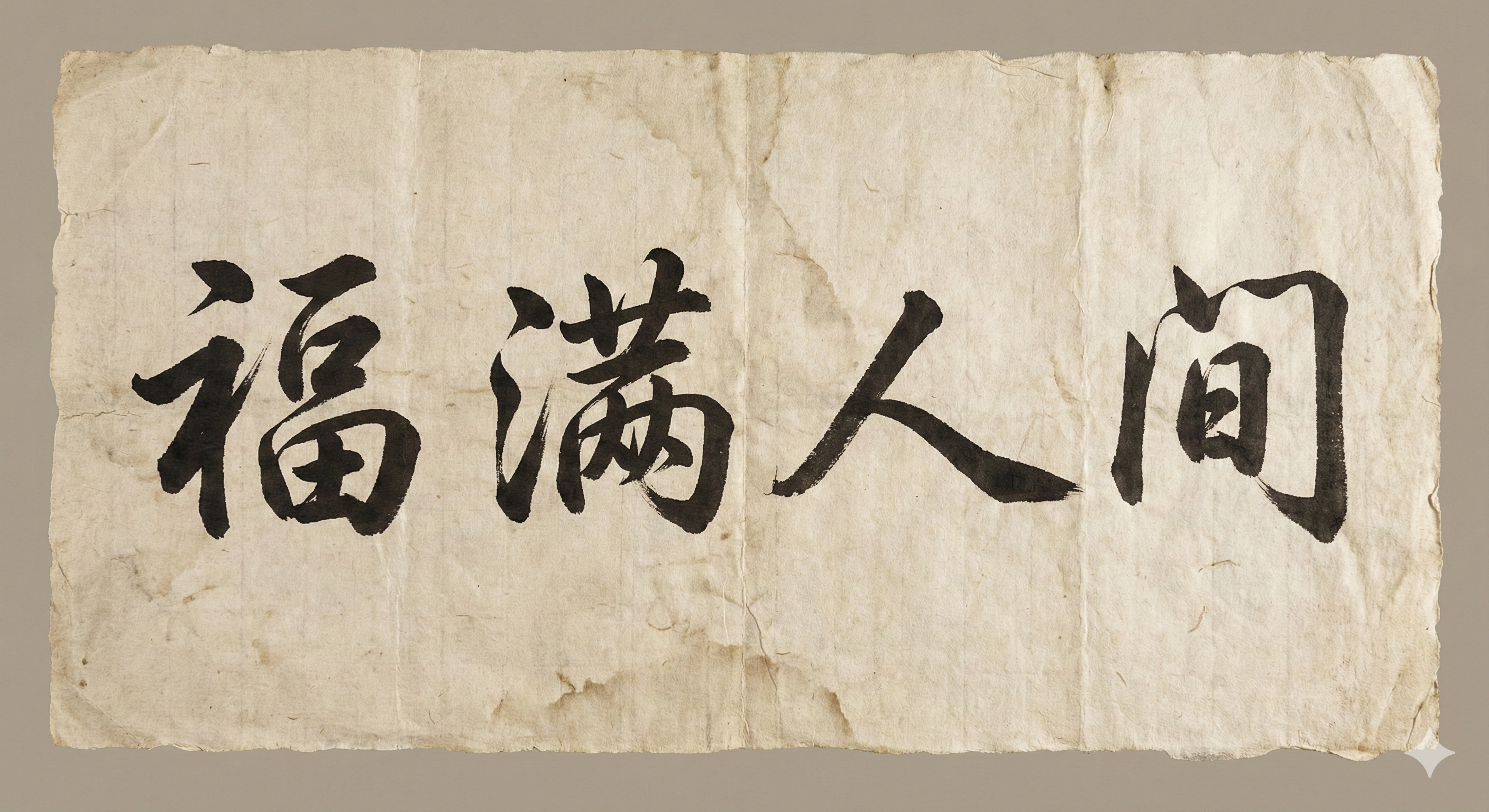
This lesson's writing exercise revolves around pre-social anxiety: "I'm already breaking down before I even go." Choose a word that resonates with you, such as safety, stay, allow, express, or return, and write it repeatedly with slow, deliberate strokes. Don't strive for beautiful handwriting; simply observe the stability of your wrist, breathing, and pen tip. Each stroke is a way of putting your chaotic emotions back on the paper, allowing your body to rediscover its boundaries. After finishing, circle the most stable stroke as a marker for today's practice.

○ Guided Art Therapy
Drawing exercises can help you rehearse pre-social anxiety: the tension, withdrawal, or anticipation that begins to overwhelm you before you even arrive, can be expressed through lines, blocks of color, and spatial distance. Don't try to make it realistic; just capture your true physical feelings. Use dark colors to represent stress, light colors to represent comfort zones, and blank spaces to represent areas where you need to rest. After finishing, observe the artwork, rather than criticizing it. Let the image help you see that anxiety is only part of the experience, not the whole of yourself.
Please log in before submitting your drawings and feelings.
○ Journaling Healing Suggestions
For your journaling exercise, focus on pre-social anxiety: Even before I arrive, I'm already breaking down. Write down three parts: the most touching sentence of the day, the most noticeable physical reaction, and a small action I'm willing to try. Don't write it like a self-criticism, and it doesn't need to be complete. Simply honestly recording your current state is already building a self-care system. Finally, add a word of self-support to keep today's learning at a gentle pace. Don't write it like a self-criticism, and it doesn't need to be complete.
Please log in to use.
I don't need to experience the disaster beforehand; I just need to stabilize my body and prepare for the next step.