

Lesson 81: Course on Specific Phobias

Duration:70 minutes
Topic Introduction:Specific phobias are not cowardice, but rather the brain's labeling of a particular object as a high-risk source that poses an immediate threat to life. This lesson begins with understanding, helping you see the nervous survival response behind avoidance. When practicing, focus on a small target, observing only one reaction and performing a gentle action. You don't need to change yourself immediately; simply try to understand more within safe limits. Each recording and pause is the beginning of rebuilding a sense of stability. When practicing, focus on a small target, observing only one reaction and performing a gentle action.
○ Course Topic Audio
Lesson 81: Course on Specific Phobias
Click to view the read-aloud text
Specific phobias are not simply cowardice. A person may know clearly that what's in front of them may not actually harm them, yet their body still reacts as if facing a huge danger: a racing heart, a desire to escape, cold hands and feet, and even tension at the mere thought of the scene. The fear may be related to animals, heights, enclosed spaces, flight, needles, blood, or certain sounds; it may also stem from a single experience, observation, a learned impression of danger, or long-term accumulated vigilance. This content will help you understand how fear is stored in the brain and how it is reinforced by avoidance. You will learn that exposure training isn't about forcing yourself to rush in, but about prioritizing, preparing, and knowing when to stop. Each approach should be small enough that the body can handle it, and the mind can maintain some choice. The focus of recovery isn't to make you immediately like what you fear, but to allow your body to gradually discover: I can face it a little, I can stay here for a while, and the danger isn't overwhelming me as I imagined. This progress is quiet, but crucial. In the course, exercises will gradually build a clear map of your fear: which images are the most terrifying, which distances are still manageable, and which safe behaviors will provide temporary relief but allow the fear to continue to grow. Exposure training isn't about taking risks, but rather a planned process of allowing the body to relearn from past experiences. For example, start by looking at pictures, then approach the relevant environment, and finally enter the real-life situation. Each step should be reviewed and analyzed. Increased anxiety during the process doesn't mean failure; what truly matters is whether you stay and let it subside naturally. Over time, the brain updates old memories of danger, and the body discovers that it's not only capable of running away. This kind of practice requires patience and respect for the body. Not everyone moves at the same pace; simply running away a little less and pausing a little more than before will begin to ease the fear. When you encounter hesitation, don't immediately blame yourself. First, go back to the hierarchy and see if you've taken too big a step or prepared too little. Slowing down the pace and continuing is often more effective than pushing through. Each time you run away a little less, your body gains new experience. Give your fear time to relearn.

AI Healing Q&A
If your body immediately goes into alarm mode the moment something appears, don't blame yourself. AI-powered healing and Q&A can help you clarify: what you're afraid of, where your body tenses up the most, and how you usually avoid it. The dialogue will help you separate fear from feelings of inadequacy, allowing you to see it as simply an amplified protective reaction. Today's small action can be very simple: just record the process of a fear arising. Finally, remember, today only requires a small step; you don't need to immediately overcome your fear.

○ Music therapy guidance
Music therapy can begin with very soft, slow sounds, like a soft cushion for a tense body. While listening, don't rush to overcome your fear; simply focus on the stability of your breathing, shoulders, and feet. If a particular melody makes you more uneasy, switch to natural sounds or pause. Today's little exercise only takes a few minutes, letting your body know: I can find a little peace next to my fear. Please do the exercise gently, allowing your body to continue. If you feel uncomfortable, please pause; safety always comes first.

○Eastern and Western Healing Teas
This lesson recommends choosing mild, light, and non-irritating hot teas to help stabilize the body after learning about specific phobias. You can choose light black tea, osmanthus oolong, chamomile tea, or warm water, sipping slowly in small amounts. Avoid drinking it too strong, too hot, or too quickly; treat the first sip as a signal to stop.
○ Healing Recipes
Blueberry Walnut Wake Drink
The Blueberry Walnut Wake Drink is a suitable therapeutic meal to follow this lesson. It's designed to be gentle, stable, and low-burden, replenishing the body's energy after learning about specific phobias and reducing the amplification of fear experiences caused by hunger, fatigue, and tension. Eat slowly, observing the intensity of your fear, your breathing, hunger, satisfaction, and feelings of relaxation. It doesn't aim for elaborate presentation but rather serves as a gentle replenishment after fear exposure exercises.
Open the healing recipe
◉ Western Dietary Therapy · Soups · 81. Blueberry Walnut Wake Drink
I. Recommended Dietary Therapy and Reasons
Recommended dishes:Blueberry Walnut Wake Drink
Recommended reasons: Blueberry and Walnut Refreshing Drink is a refreshing, mild, and easy-to-drink Western-style health beverage, suitable as a light snack to help you feel energized and stabilize your body's rhythm during social anxiety classes. Ingredients like blueberries, nuts, or grains typically provide gentle energy and natural aromas, without being overly heavy or causing significant stomach discomfort. It's ideal to drink in small amounts at breakfast, in the morning, or when feeling mentally fatigued, allowing the body to slowly regain alertness with a refreshing taste and a gentle feeling of fullness, while helping to bring your attention back to the present moment from a jumble of thoughts.
2. Recipe and Method
Recipe (1–2 servings):
- 80–100 g blueberries
- 15 g of walnut kernels
- Plain yogurt 120g
- 150 ml of milk or plant-based milk
- 1 teaspoon of honey, optional
- A pinch of cinnamon powder, optional
practice:
- Wash the blueberries thoroughly, and lightly toast the walnuts beforehand to enhance their aroma.
- Put blueberries, walnuts, yogurt, and milk or plant-based milk into a blender.
- Add a small amount of honey or cinnamon powder as needed to enhance the flavor.
- Whisk at low speed first, then switch to high speed to make the overall texture smoother and more delicate.
- For a lighter taste, add a small amount of cold water to adjust the concentration.
- After pouring into a cup, let it sit for 1 minute to allow the foam to settle naturally.
- It can be drunk directly and is suitable for breakfast or a light morning snack.
3. Small rituals for body and mind
When preparing a blueberry and walnut light drink, you can first observe the color, aroma, and texture of the ingredients, gradually shifting your attention from external evaluations back to the actions you are taking.
During heating or stirring, slow down and feel the ingredients transform from scattered pieces into a cohesive whole. Remind yourself: I don't need to perform perfectly right away; I just need to gently bring myself back to the present moment.
When you take your first bite, feel the warmth, softness, and simple aroma to let your body know that it is safe and bearable at this moment, and you can relax a little.
4. Dietary Therapy Experience Record
- Record when you eat it: whether it's breakfast, lunch, dinner, or a light snack before or after social events.
- Observe whether there are any changes in stomach burden, fullness, refreshment, and mental stability within 30–60 minutes after consumption.
- If consumed when feeling anxious, tired, or experiencing an unsteady appetite, you can record whether the Blueberry Walnut Refreshing Drink helps reduce feelings of heaviness and restore a sense of control over your body.
V. Instructional Videos (approximately 3–5 minutes)
Video Title:Blueberry and Walnut Refreshing Drink: A Gentle and Stable Nutritional Recipe
6. Precautions
- It is recommended to choose simple, basic, fresh ingredients and reduce excessive seasoning.
- Olive oil is recommended to be used at medium to low temperatures and should not be heated repeatedly at high temperatures for extended periods.
- If there are special dietary restrictions, the ingredients and portions should be adjusted according to individual circumstances.
- This product is best consumed in small amounts and slowly to avoid excessive intake at one time.
- This product is best consumed in small amounts and slowly to avoid excessive intake at one time.
hint:This recipe is for daily physical and mental well-being and is not a substitute for any medical diagnosis or treatment. If you have chronic illnesses, are pregnant, have food allergies, are taking medication, or have special nutritional restrictions, please prioritize following the advice of your healthcare provider and nutritionist.

○Mandala Healing
When viewing the mandala, first focus your gaze on the center, without rushing to understand why fear arises. Let the lines expand outwards in concentric circles, as if reminding your body: I am observing, not being dragged away by fear. If your heart is racing, slow your exhalation. Just a few minutes today is enough to allow yourself to feel a sense of safety. Take it slow; safety is always paramount. If you feel uncomfortable, pause and rest. Even a little stability is worth acknowledging. Just a short while today is enough. Give yourself gentle space.
● AI Dynamic Geometric Vision Focus and Emotion Regulation Engine ●
AI Dynamic Geometric Vision Focus and Emotion Regulation Engine · v7.0.0
Before we begin, I'd like to know how you feel right now.
There is no standard answer; just choose the one that best reflects how you feel right now.
The experience is over. Tell us how you feel now.
There is still no standard answer; just choose the one that best reflects how you feel right now.
#FF5252
After the fluorescent line crawling is completed and stopped, first select a color, then click on the closed area in the graphic to fill in the color.
AI Digital Mandala Static Focus EngineAZ Image Coloring · 60 Colors
AI Digital Mandala Interactive Focus Engine
A–Z Free Selection · Layered Lines · 60 Color Fills

○ Calligraphy and engraving therapy practice
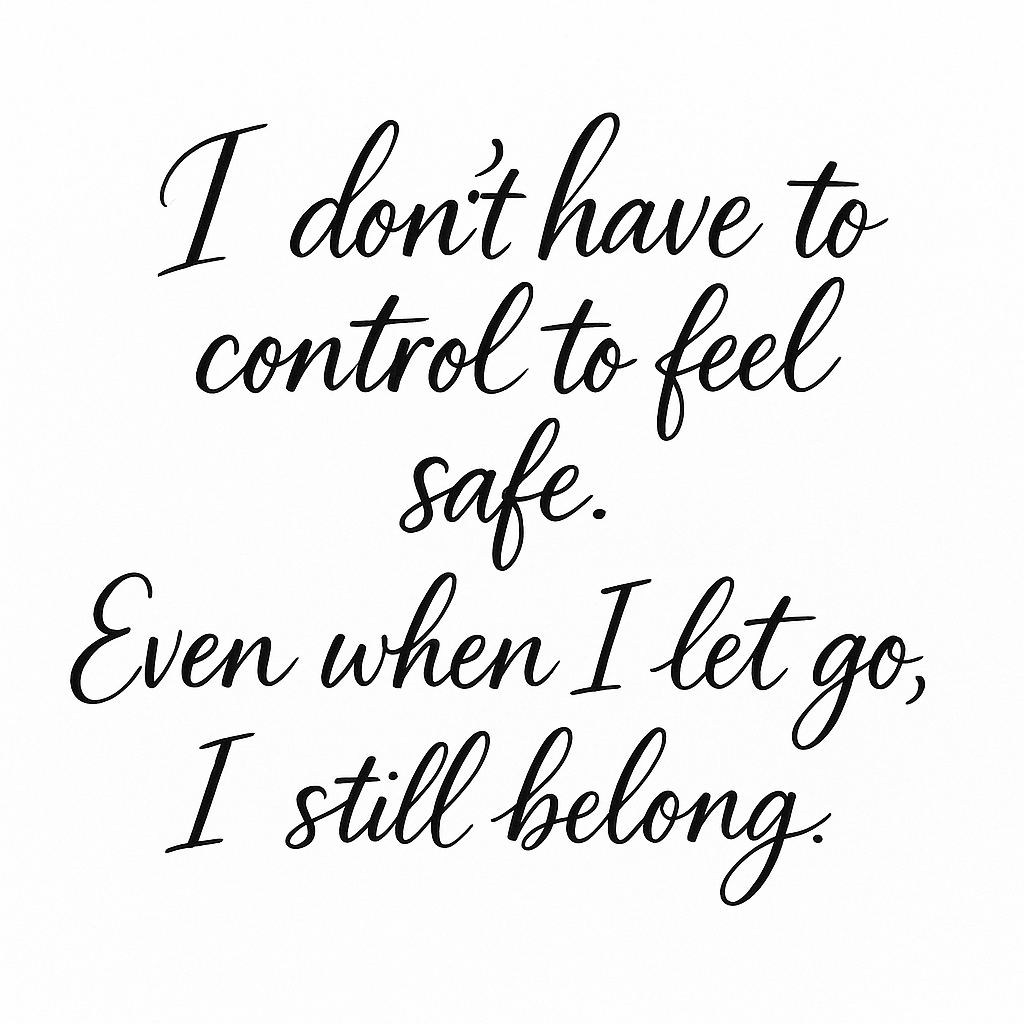
The healing practice of calligraphy and engraving can begin with sitting quietly and steadily. When facing a specific fear, don't rush to explain why you're afraid; simply focus your attention on hand movements, breathing, and body support. There are no specific rules or judgments; just let each stroke guide you back to the present moment. If tension increases, please pause. If you feel uncomfortable, please pause. Take it slow. Safety is always paramount. Even a little bit counts. Please be gentle with yourself. If you feel uncomfortable, please pause.

○ Art Therapy Guidance
Art therapy can guide you to bring your fear from your mind onto paper. Don't draw it realistically, and don't explain it clearly; simply let the colors, lines, or shapes represent your current fear. After you finish drawing, step back and look at it: Is it big? Sharp? Dark? Emotions that can be seen are no longer completely trapped inside the body. Take your time. Gently see it. It doesn't need to be perfect. Even a little bit counts. If you feel uncomfortable, stop. Take your time. Gently see it. It doesn't need to be perfect. Even a little bit counts.
Please log in before submitting your drawings and feelings.

○ Diary Healing Suggestions
Today's journal entry can begin with the most impactful point from the course: perhaps discovering that fear isn't just being dramatic, but rather an overprotective mechanism of the body. Next, write down a small action you'd like to try, such as recording your physical reactions when fear arises. Don't rush to analyze whether it's right or wrong; simply gently acknowledge the way you feel fear. After writing, give yourself a moment of understanding: I'm not failing; I'm learning to live with my fear. After writing, give yourself a gentle affirmation: I'm learning, and I don't need to be perfect right away. If you can only accomplish a little today, please acknowledge that even that little bit counts.
Please log in to use.
After you have learned about specific phobias, remind yourself: My fears are not a joke, but rather the way my nervous system has tried to protect me.