

Lesson 207: The Psychological Mechanisms of Separation Anxiety

Duration:70 minutes
Topic Introduction:This lesson starts with attachment theory to understand the cognitive and emotional cycle of separation anxiety, identify triggers and physical signals, and lay the foundation for subsequent regulation. When practicing, please keep your goals small and complete only one gentle action. You don't need to change yourself immediately; you just need to understand one more reaction. When practicing, please keep your goals small and complete only one gentle action. You don't need to change yourself immediately; you just need to understand one more reaction. When practicing, please keep your goals small and complete only one gentle action.
○ Course topic audio
Lesson 207: The Psychological Mechanisms of Separation Anxiety
Click to view the read-aloud text
This lesson focuses on the "Psychological Mechanisms of Separation Anxiety." The emphasis of this course isn't on blaming you for being too dependent, nor is it about demanding you immediately become calm and independent. Instead, it's about understanding why separation, waiting, loss of contact, or slower responses make the body feel like the relationship is disappearing. This lesson uses attachment theory to understand the cognitive and emotional cycle in separation anxiety, identifying triggers and bodily signals. When separation anxiety is triggered, the mind easily starts searching for evidence: Does he/she no longer care about me? Is she/she leaving me? Why hasn't the other person replied? Am I being ignored again? The body also tenses up: a feeling of emptiness in the chest, a tightness in the stomach, shallow breathing, and an unconscious urge to check the phone or immediately confirm. Remember, this isn't you deliberately creating trouble; it's the nervous system searching for safety signals. The first step in this lesson is to slow down the anxious impulse. You can pause for thirty seconds, not immediately sending a second message, not immediately asking follow-up questions, and not rushing to fill the blank with the worst-case scenario. Write down your current feeling in one sentence: I am afraid of losing connection, not that I have been abandoned. Doing so separates the emotion from the fact, giving you a renewed sense of choice. The second step is to establish self-soothing gestures. Place your hands on your chest or abdomen, exhale slowly, feel your feet touch the ground, and tell yourself: I am uneasy right now, but I can wait with myself for a while. Companionship doesn't just come from the other person; it can also come from your own stable responses to yourself. The third step is to make connections healthier. You can agree on a communication rhythm with important people, or you can create a message buffer, a ritual of solitude, and a reflection journal for yourself. A truly secure relationship isn't about never having distance, but about both parties knowing how to maintain respect, trust, and clear communication when distance does arise. If separation anxiety is severely affecting your sleep, eating, work, studies, or relationships, or causing intense feelings of despair and danger, please seek help from a therapist, doctor, family, or local emergency support. Course exercises can help you manage your emotions and behaviors, but they cannot replace professional treatment. Finally, give yourself a reassuring reminder: I can need others, and I can slowly become my own supporter; I can miss others, but I don't have to be overwhelmed by longing. Delaying an impulse, soothing your body, or responding to yourself with gentler language each day is already rebuilding your inner sense of security. After reading aloud, please write down one of the most common separation triggers and a small action that can replace the urge for confirmation. Next time you wait for a response, don't immediately suppress your anxiety; simply breathe, record, delay, and then decide whether to communicate. What you are learning is not that you don't need connection, but that you can maintain your center even within connection. Each gentle wait allows your body to accumulate new experience: distance does not necessarily equal loss. After reading aloud, please write down one of the most common separation triggers and a small action that can replace the urge for confirmation.

AI Healing Q&A
To understand the psychological mechanisms of separation anxiety, you can tell the AI the triggering scenario, the person you're interacting with, the waiting time, your physical reactions, and your most feared outcome. We'll first differentiate between facts, speculations, and old wounds, then design a self-stabilization process. When practicing, keep your goals small, completing only one gentle action. You don't need to change yourself immediately; you just need to understand one more reaction.

○ Music therapy guidance
After learning about the psychological mechanisms of separation anxiety, it's recommended to choose slow, gentle music with a stable sense of repetition to allow the body to gradually calm down from the chase response. When listening, don't analyze the melody; simply observe the changes in your chest, abdomen, and neck and shoulders. When practicing, keep your goals small, completing only one gentle movement. You don't need to change yourself immediately; you just need to understand one more reaction.
○Eastern and Western Healing Teas
This lesson suggests choosing a mild, low-stimulation hot tea to help stabilize your body's rhythm after learning the psychological mechanisms of separation anxiety. You can drink light black tea, osmanthus oolong, chamomile tea, or sip warm water slowly in small amounts. When practicing, keep your goals small and focus on completing only one gentle movement. You don't need to change yourself immediately; just understand one more reaction.
○ Healing Recipes
Mung bean and cassia seed soup
Mung bean and cassia seed soup is a suitable healing recipe after this lesson. Mung beans are refreshing and soothing, while cassia seeds have a calming aroma, making it a good choice as a light soup when feeling hot, thirsty, or experiencing headaches after studying. It should not be too sweet; keeping its natural flavor will help reduce the burden. When drinking it, please feel the coolness of the soup and the slow, calming rhythm of your body, allowing the soup to help you regain a sense of lightness.

○Mandala Healing
After understanding the psychological mechanisms of separation anxiety, quietly observe the mandala image. Don't rush to analyze the colors and shapes; simply let your gaze move between the center, the edges, and the repetitive rhythm to help your body feel still placed. When practicing, keep your focus small, completing only one gentle movement. You don't need to change yourself immediately; simply try to understand one more reaction.
● AI Balance Psychological Simulation Engine ●
AI Balance Psychology Simulator
AI Mandala Color Healing EngineAZ Image Coloring · 40 Colors
○ Calligraphy and engraving therapy practice
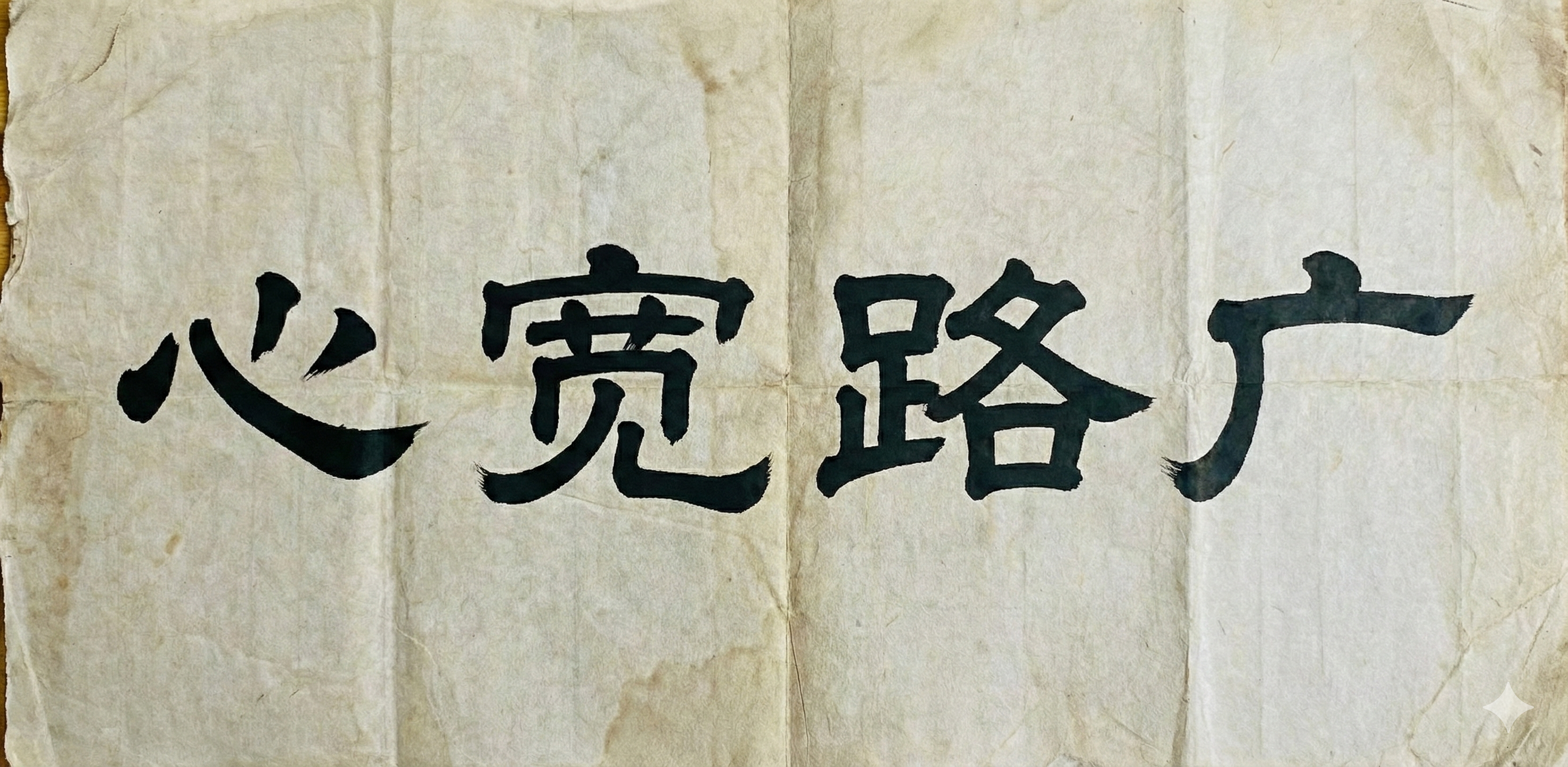
This lesson's writing exercises revolve around the psychological mechanisms of separation anxiety. Choose a word, such as connection, stability, remember, return, or companionship, and write it repeatedly with slow strokes, allowing the hand rhythm to help calm your mind. When practicing, keep your goals small, completing only one gentle action. You don't need to change yourself immediately; you just need to understand one more reaction.

○ Art Therapy Guidance
Drawing exercises can visualize the psychological mechanisms of separation anxiety—waiting, longing, emptiness, or a lack of connection—as lines, blocks of color, and distance. Don't try to make it realistic; simply externalize the unease in the relationship onto the paper. When practicing, keep your goals small, completing only one gentle action. You don't need to change yourself immediately; just try to understand one reaction better.
Please log in before submitting your drawings and feelings.
○ Diary Healing Suggestions
For the journaling exercise, please write down three points related to the psychological mechanisms of separation anxiety: the strongest separation trigger of the day, the most obvious physical signal, and one self-soothing action you're willing to try. Journaling is not about self-criticism, but about accompanying yourself. When practicing, keep your goals small and focus on completing just one gentle action. You don't need to change yourself immediately; you just need to understand one more reaction.
Please log in to use.
After completing the study of the psychological mechanisms of separation anxiety, remind yourself: understanding the triggering cycle is the beginning of regaining the ability to regulate.