
Lesson 240: Unit Six Integration: Walking Towards Separation with a Sense of Security
Duration:70 minutes
Topic Introduction:Healing isn't about saying goodbye to anxiety, but about living peacefully with it. This course helps you develop a long-term maintenance plan and a review schedule to become your own safe haven. When practicing, keep your goals small, focusing on completing just one gentle movement. You don't need to change yourself immediately; you just need to understand a single reaction better. When practicing, keep your goals small, focusing on completing just one gentle movement. You don't need to change yourself immediately; you just need to understand a single reaction better. When practicing, keep your goals small, focusing on completing just one gentle movement.
○ Course Topic Audio
Lesson 240: Unit Six Integration: Walking Towards Separation with a Sense of Security
Click to view the read-aloud text
This lesson's theme is "Summary and Long-Term Maintenance Plan." The focus of this separation anxiety course is not to blame you for being too dependent, nor to demand that you immediately become calm and independent, but rather to first understand why separation, waiting, loss of contact, or slower responses make the body feel as if the relationship is disappearing. Healing is not about saying goodbye to anxiety, but about living peacefully with it. This lesson involves creating a long-term maintenance chart and a review plan to become your own safe haven. When separation anxiety is triggered, the mind easily begins searching for evidence: Does he/she no longer care about me? Is she/she leaving me? Why hasn't the other person replied yet? Am I being ignored again? The body also tenses up; chest feels empty, stomach tightens, breathing becomes shallow, and the hand unconsciously checks the phone or wants to immediately confirm. Remember, this is not you deliberately creating trouble, but rather the nervous system searching for safety signals. The first step in this lesson is to slow down the anxious impulse. You can pause for thirty seconds, not immediately send a second message, not immediately ask follow-up questions, and not rush to fill the blank with the worst-case scenario. Write down your current feelings in one sentence: I am afraid of losing connection, not that I have already been abandoned. This helps separate emotions from facts, giving you a renewed sense of choice. The second step is to establish self-soothing gestures. Place your hands on your chest or abdomen, exhale slowly, feel your feet touch the ground, and tell yourself: "I'm feeling uneasy right now, but I can wait with myself for a while." Companionship doesn't just come from the other person; it can also come from your own stable responses to yourself. The third step is to make connections healthier. You can establish communication rhythms with important people, or create message buffers, solitude rituals, and reflection journals for yourself. True secure relationships aren't about never having distance, but about both parties knowing how to maintain respect, trust, and clear communication when distance does arise. If separation anxiety is severely impacting your sleep, eating, work, studies, or relationships, or causing intense feelings of despair and danger, seek help from a therapist, doctor, family, or local emergency support immediately. Course exercises can help you manage your emotions and behaviors, but they cannot replace professional therapy. Finally, give yourself a reassuring reminder: "I can need others, and I can slowly become my own supporter; I can miss others, but I don't have to be overwhelmed by longing." Delaying an impulse, soothing your body, or responding to yourself with gentler language each day is already rebuilding your inner sense of security. After reading aloud, please write down one of the most common separation triggers and a small action that can replace the urge for confirmation. Next time you wait for a response, don't immediately suppress your anxiety; simply breathe, record, delay, and then decide whether to communicate. What you are learning is not that you don't need connection, but that you can maintain your center even within connection. Each gentle wait allows your body to accumulate new experience: distance does not necessarily equal loss. After reading aloud, please write down one of the most common separation triggers and a small action that can replace the urge for confirmation.

AI Healing Q&A
When you reach the unit integration stage, recognize your own efforts. AI can help you organize three of the most useful tools: farewell rituals, connection rules, fact cards, and hierarchical separation or physical stabilization. Today's small action could be to keep one practiced. Separation doesn't mean being abandoned; it can also mean growing up slowly with a sense of security. Give yourself some patience and space. Take your time; you don't need to be perfect the first time. Just take one small step today. If the pain intensifies, seek professional support promptly.

○ Music therapy guidance
When integrating this unit, please choose a quiet piece of music to accompany you as you reflect: I learned how to say goodbye, wait, be alone, and ask for help. Don't demand that you never experience anxiety again. The music acts as a gentle closing remark, reminding you: separation doesn't mean being abandoned; I can grow up little by little, with a sense of security. Give yourself some patience and space. Take your time; you don't need to be perfect the first time. Just take one small step today. If the pain intensifies, please seek professional support promptly. Give yourself some patience and space.

○Eastern and Western Healing Teas
For this lesson, we recommend choosing mild, low-stimulation hot teas to help stabilize your body's rhythm after learning, summarizing, and maintaining your long-term plan. You can drink light black tea, osmanthus oolong, chamomile tea, or sip warm water slowly in small amounts. When practicing, please set your goals small, completing only one gentle movement. You don't need to change yourself immediately; you just need to understand one more reaction.
○ Healing Recipes
Bamboo Leaf and Ophiopogon japonicus Soup
Bamboo leaf and ophiopogon japonicus soup is a suitable healing recipe after this lesson. Bamboo leaves have a delicate aroma, and ophiopogon japonicus is gentle and nourishing; when cooked into a soup, it is light and refreshing, suitable for when experiencing dry mouth, irritability, or needing to calm down after studying. It doesn't aim for a strong flavor, but rather focuses on being soothing, calming, and low-calorie. When consuming it, please sip slowly and feel your body gradually return to normal.
Open the healing recipe
◉ Eastern Food Therapy · 240. Bamboo Leaf and Ophiopogon japonicus Soup
I. Recommended Dietary Therapy and Reasons
Recommended dishes:Bamboo Leaf and Ophiopogon japonicus Soup
Recommended reasons:Bamboo leaf and ophiopogon japonicus soup is a delicate, smooth, and slowly sipped oriental medicinal soup, suitable for use in social anxiety classes as a gentle support to soothe the stomach and stabilize the body's rhythm. Grains, beans, fruits, nuts, or herbs are slow-cooked and then blended into a smooth soup, providing a soft texture and a moderate feeling of fullness. It is suitable for breakfast, a light afternoon snack, or a relaxing evening meal, offering a sense of calm through its warm, soothing, and slow consumption.
2. Recipe and Method
Recipe (1–2 servings):
- bamboo leaves (appropriate amount)
- appropriate amount of Ophiopogon japonicus
- 700–850 ml of clean water
- 1–1.5 tablespoons of lotus root starch
- A little rock sugar, optional
practice:
- Wash the main ingredients in advance, and soak harder beans, lotus seeds or barley in advance.
- Add water and the ingredients that need to be cooked for a long time to a pot, and bring it to a boil over high heat.
- Simmer over low heat for 25–40 minutes, until the ingredients have softened.
- Add ingredients that cook more easily and continue to simmer over low heat for 8–15 minutes.
- Mix lotus root starch or rice starch with a small amount of cold water and slowly pour it into the pot.
- Pour while stirring, and cook until the soup becomes smooth and creamy.
- Add a small amount of rock sugar or other ingredients as needed, simmer for 2–3 minutes, and it is ready to eat warm.
3. Small rituals for body and mind
When preparing bamboo leaf and ophiopogon japonicus soup, you can first observe the color, shape, and smell of the ingredients, and gradually shift your attention from external evaluation to the actions in your hands.
When simmering, stewing, or stirring, the sound of water and rising steam can help slow your breathing. You can mentally remind yourself: I don't need to deal with all the stress right away; I'm taking care of my body with something small.
When you take your first bite or drink your first sip, feel the warmth, softness, and subtle aroma to let your body know that this moment is safe, simple, and bearable.
4. Dietary Therapy Experience Record
- Record when you eat it – whether it's breakfast, lunch, dinner, or a gentle supplement before or after social activities.
- Observe whether there are any changes in stomach comfort, body warmth, feeling of fullness, and mental stability within 30–60 minutes after consumption.
- If you consume this when you are anxious, tired, or have an unstable appetite, you can record whether the bamboo leaf and ophiopogon japonicus soup helps you reduce feelings of heaviness and regain a sense of control over your body.
V. Instructional Videos (approximately 3–5 minutes)
Video Title:Bamboo Leaf and Ophiopogon japonicus Soup: A mild and stable oriental medicinal soup.
6. Precautions
- It is recommended to eat the soup warm, and not to eat a large amount directly after refrigeration.
- Lotus root starch or rice starch should be mixed with cold water first, then added to the pot and stirred to avoid clumping.
- Herbal ingredients should not be used in excessive amounts. Pregnant women, those with special physical conditions, or those currently taking medication should consult a professional for advice first.
- Do not eat too much at one time to avoid overeating or putting extra strain on your stomach.
- For first-time users, it is recommended to try a small amount and observe the body's reaction.
hint:This recipe is for daily physical and mental well-being and is not a substitute for any medical diagnosis or treatment. If you have chronic illnesses, are pregnant, have food allergies, are taking medication, or have special nutritional restrictions, please prioritize following the advice of your healthcare provider and nutritionist.

○Mandala Healing
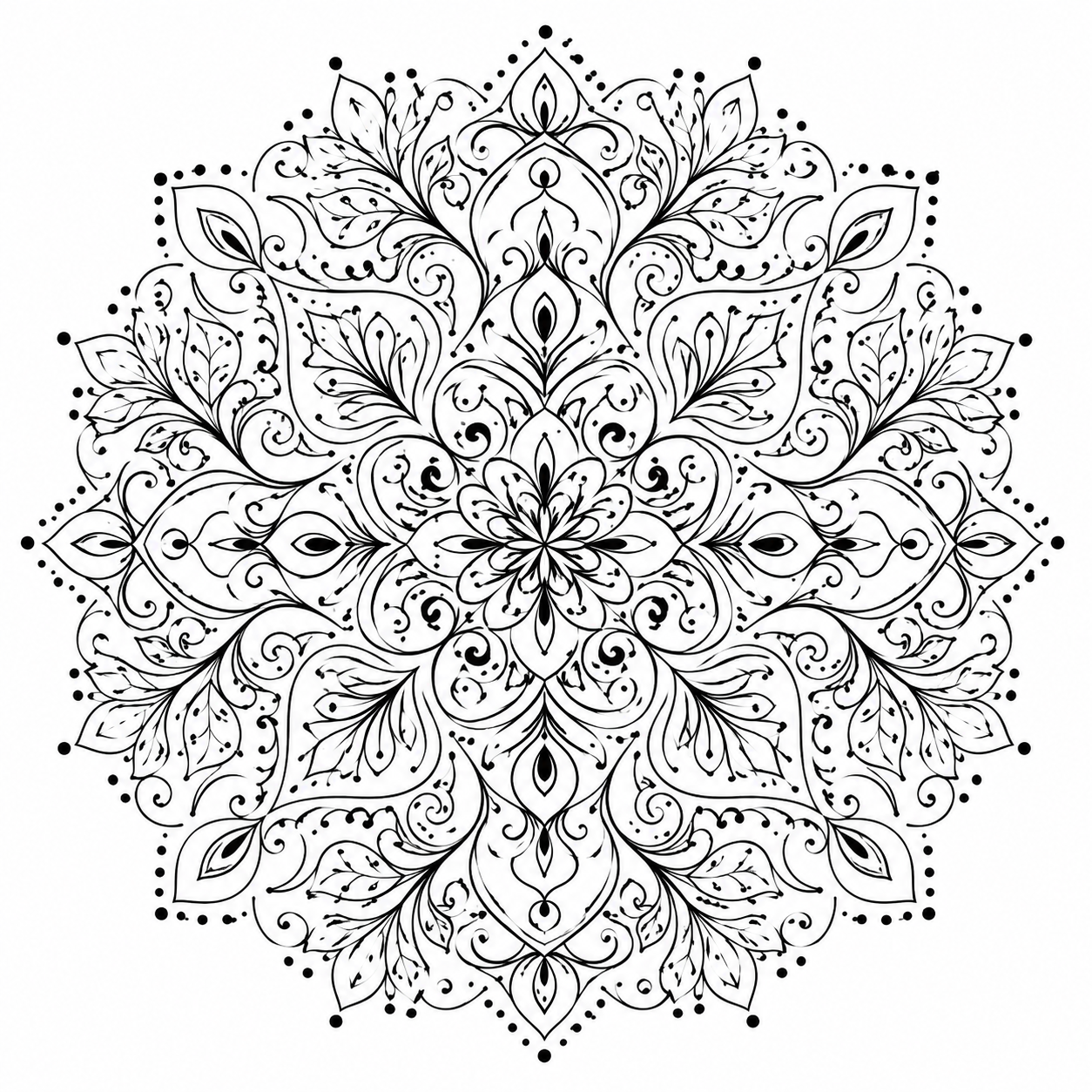
When integrating this unit, look towards the center of the mandala and thank yourself for being willing to face separation; then look towards the outer circle and imagine yourself walking away slowly with a sense of security. Separation doesn't mean being abandoned; it can also be growth. The design is like a gentle closing statement: I have connections, and I also have my own strength. If you feel uncomfortable, pause. Please take your time. Even a little bit is good. Give yourself some space. If you feel uncomfortable, pause. Please take your time. Even a little bit is good. Give yourself some space. If you feel uncomfortable, pause.
● AI Dynamic Geometric Vision Focus and Emotion Regulation Engine ●
AI Dynamic Geometric Vision Focus and Emotion Regulation Engine · v7.0.0
Before we begin, I'd like to know how you feel right now.
There is no standard answer; just choose the one that best reflects how you feel right now.
The experience is over. Tell us how you feel now.
There is still no standard answer; just choose the one that best reflects how you feel right now.
#FF5252
After the fluorescent line crawling is completed and stopped, first select a color, then click on the closed area in the graphic to fill in the color.
AI Digital Mandala Static Focus EngineAZ Image Coloring · 60 Colors
AI Digital Mandala Interactive Focus Engine
A–Z Free Selection · Layered Lines · 60 Color Fills

○ Calligraphy and engraving therapy practice
When consolidating units, handwriting can serve as a gentle conclusion. Don't specify what to write, and don't rush to prove you're completely independent; simply let the action accompany you as you review this learning process. Separation anxiety may still arise, but you now have more tools, connections, and your own strength. Give yourself some space. Take your time. Even a little bit counts. If you feel uncomfortable, pause. Give yourself some space. Take your time. Even a little bit counts. If you feel uncomfortable, pause. Give yourself some space.

○ Art Therapy Guidance
When integrating units, please draw a diagram of "walking towards separation with a sense of security." This can include connections, boundaries, breathing space, support, and a gradually widening path. You don't need to completely eliminate fear, nor do you need to depict yourself as completely independent. The key is to see that you have gained more methods, support, and the strength to move forward step by step. Even a little bit counts. Take it slow. It doesn't need to be perfect. Stop if you feel uncomfortable. Even a little bit counts. Take it slow. It doesn't need to be perfect. Stop if you feel uncomfortable.
Please log in before submitting your drawings and feelings.

○ Diary Healing Suggestions
At the end of Unit Six, please write down the point that touched you the most: perhaps it's realizing that separation doesn't mean being abandoned, and that you can gradually develop a sense of security. Write down one small action you're willing to continue, such as maintaining a farewell ritual, fact cards, or short separation exercises. You don't need to be completely free of anxiety; just move forward little by little with support. Take it slow; stability and security are more important than speed. After writing, give yourself a gentle affirmation: I'm learning, and I don't need to be perfect all at once. If you can only do a little today, please acknowledge that little bit counts too. Please schedule your small actions lightly, so that you truly have the opportunity to achieve them tomorrow.
Please log in to use.
After completing the summary of Unit 6, remind yourself: I can live peacefully with anxiety and gradually make it my own safe haven.