

Lesson 241: Selective Mutism Course

Duration:70 minutes
Topic Introduction:Silence isn't about being unable to speak, but rather being unable to speak in specific situations. This lesson clarifies the essence: anxiety-driven language freeze, with the goal of restoring a sense of security, not forcing oneself to speak. When practicing, keep your goals small, completing just one gentle action. You don't need to change yourself immediately, just understand one more reaction. (Repeated four times)
○ Course Topic Audio
Lesson 241: Selective Mutism Course
Click to view the read-aloud text
Selective mutism is easily misunderstood as impoliteness, deliberate silence, or stubbornness. In reality, silence is often not a choice, but rather a physical freeze under pressure. A person might be talkative and cheerful at home, but in school, at work, or in front of strangers, their voice seems locked, becoming increasingly difficult to speak with urging. This course aims to help people truly understand this inability to speak, rather than continuing to blame them. We will see how social anxiety, shame, physical stiffness, and insecurity affect expression, and we will break down vocal exercises in detail: first, establish communication through nods, gestures, writing, or eye contact, then begin with very soft voices, short words, and familiar people. Recovery is not about pushing someone to the forefront and forcing them to speak, but about making speaking safe. You don't need to humiliate yourself for being silent, nor do you need to become fluent overnight. Simply being able to make a sound in a more comfortable relationship, even softly, is telling yourself: I can be heard eventually. The course will remind family, teachers, or peers that urging and scrutiny usually only push the voice further away. What truly helps is reducing pressure and giving you choices in how you express yourself. This involves practicing a step-by-step approach to language recovery: first speak in front of safe people, then take your voice to slightly unfamiliar places; start with one word, then a short sentence; don't start by being heard by many people, then gradually increase your audience. Respect silence and celebrate small progress throughout the process. For many, speaking isn't simply about opening your mouth; it's about feeling safe before your voice is willing to come out. Every gentle opening of your mouth is a loosening of the frozen response. When someone can finally speak in a safe environment, it's no small matter. It means the body is beginning to believe that once the voice is heard, it won't be humiliated, coerced, or immediately pushed into danger. Write down every expression that doesn't run away. It might just be a single word, a very soft reply, but it represents you slowly finding your own voice from the protective shell of silence. The voice may be small, but it still belongs to you and deserves to be heard. This step is small, yet very courageous.
AI Healing Q&A
AI-powered healing and Q&A can help you understand the root of separation anxiety: it's not about excessive dependence, but rather a temporary imbalance in your inner sense of security. You can describe your fear, physical reactions, and thoughts during a separation. The AI will help you distinguish between "I need connection" and "I'm afraid of losing," and guide you to choose a gentle, small action. Take it slow; you don't need to be perfect the first time. Just one small step today. If the pain intensifies, please seek professional support promptly. Give yourself some patience and space.
○ Music therapy guidance
Music therapy can begin with a stable, low-volume sound to help you approach the root of your separation anxiety. While listening, don't rush to find answers; simply feel the changes in your chest, stomach, and breathing. The melody is like a small lamp, reminding you that fear is not weakness; it's simply a plea for security. Take your time; you don't need to be perfect all at once. Just take one small step today. If the pain intensifies, seek professional support promptly. Give yourself some patience and space. Take your time; you don't need to be perfect all at once.

○Eastern and Western Healing Teas
This lesson suggests choosing mild, low-stimulation hot teas to help stabilize your body's rhythm after learning about the nature of selective mutism. You can drink small sips of light black tea, osmanthus oolong, chamomile tea, or warm water to allow your throat and breathing to feel safe. When practicing, keep your goals small, completing only one gentle movement. You don't need to change yourself immediately; just understand one more reaction.
○ Healing Recipes
Yogurt Baked Eggplant Slices
Yogurt-baked eggplant slices are a perfect comfort food after this lesson. Thinly sliced eggplant, baked to a light, crisp yet chewy texture, paired with the refreshing tang of yogurt, reduces greasiness and adds a gentle, satisfying feeling. It's suitable as a light snack or side dish with a main course. Chew slowly to enjoy the eggplant's flavor, the coolness of the yogurt, and the gradual relaxation of your body.
Open the healing recipe
◉ Western Dietary Therapy · 241. Yogurt Eggplant Chips
I. Recommended Dietary Therapy and Reasons
Recommended dishes:Yogurt Eggplant Chips
Recommended reasons: Yogurt-baked eggplant slices are a fragrant, simple, and energizing Western-style dish, suitable as a light meal to support your diet during social anxiety classes. The combination of olive oil, lemon, herbs, and basic proteins or vegetables provides a refreshing and stable feeling of fullness, avoiding excessive heaviness. It's suitable for lunch, dinner, or before and after social events, allowing the body to slowly regain a sense of control through its warm aroma, clear flavor, and moderate satiety.
2. Recipe and Method
Recipe (1–2 servings):
- One eggplant, thinly sliced.
- Plain yogurt 80g
- 1 tablespoon olive oil
- A little minced garlic
- At least a few dried beef
- A pinch of black pepper
- A pinch of sea salt
practice:
- Wash the main ingredients thoroughly and cut them into sizes suitable for cooking.
- Add olive oil, lemon juice, herbs, sea salt, and black pepper and gently mix.
- Let it sit for 5–10 minutes to allow the basic flavors to infuse into the ingredients.
- Preheat the oven to about 180–200°C, or heat a skillet over low heat.
- Bake, pan-fry, or roast the ingredients until they are lightly golden brown on the outside and cooked through on the inside.
- After cooking, you can add a small amount of lemon juice, parsley, yogurt, or olive oil.
- The flavor will be milder if eaten after it has cooled slightly.
3. Small rituals for body and mind
When preparing yogurt-baked eggplant slices, you can first observe the color, shape, and aroma of the ingredients, gradually shifting your attention from external evaluations back to the action at hand.
When adding olive oil, lemon, or herbs, slow down and feel the ingredients transform from separate parts into a cohesive whole. Remind yourself: I don't need to perform perfectly right away; I just need to gently bring myself back to the present moment.
When you take your first bite, first feel the refreshing, warm, salty or sour sensation to let your body know that this moment is safe, simple and tolerable.
4. Dietary Therapy Experience Record
- Record when you eat it: whether it's breakfast, lunch, dinner, or a light meal before or after a social event.
- Observe the changes in stomach burden, refreshment, satiety, and mental stability within 30–60 minutes after consumption.
- If you consume this on days when social anxiety is particularly pronounced, you can record whether the yogurt-baked eggplant slices help reduce feelings of heaviness and restore a sense of control over your body.
V. Instructional Videos (approximately 3–5 minutes)
Video Title:Yogurt-baked eggplant slices: A mild and stable Western culinary therapy.
6. Precautions
- It is recommended to choose extra virgin olive oil and avoid prolonged and repeated heating at high temperatures.
- Those who are intolerant to dairy products can reduce the dosage or choose low-lactose or plant-based alternatives.
- If you need to control calories, you can reduce the amount of fat and cheese, but it is not recommended to completely remove the source of flavor.
- For first-time users, it is recommended to try a small amount and observe the stomach comfort and body reaction.
- For first-time users, it is recommended to try a small amount and observe the stomach comfort and body reaction.
hint:This recipe is for daily physical and mental well-being and is not a substitute for any medical diagnosis or treatment. If you have chronic illnesses, are pregnant, have food allergies, are taking medication, or have special nutritional restrictions, please prioritize following the advice of your healthcare provider and nutritionist.

○Mandala Healing
When viewing a mandala, first focus your gaze on the center, as if approaching the softest root of separation anxiety. You don't need to rush to explain why you're afraid; simply let the lines unfold circle by circle. The center represents the need for connection, the outer circles represent the fear of loss. Gradually seeing the difference between the two will bring a sense of peace. Take your time; you don't need to achieve perfection all at once. Just take one small step today. If the pain intensifies, seek professional support promptly. Give yourself patience and space. Take your time; you don't need to achieve perfection all at once.
● AI Dynamic Geometric Vision Focus and Emotion Regulation Engine ●
AI Dynamic Geometric Vision Focus and Emotion Regulation Engine · v7.0.0
Before we begin, I'd like to know how you feel right now.
There is no standard answer; just choose the one that best reflects how you feel right now.
The experience is over. Tell us how you feel now.
There is still no standard answer; just choose the one that best reflects how you feel right now.
#FF5252
After the fluorescent line crawling is completed and stopped, first select a color, then click on the closed area in the graphic to fill in the color.
AI Digital Mandala Static Focus EngineAZ Image Coloring · 60 Colors
AI Digital Mandala Interactive Focus Engine
A–Z Free Selection · Layered Lines · 60 Color Fills

○ Calligraphy and engraving therapy practice
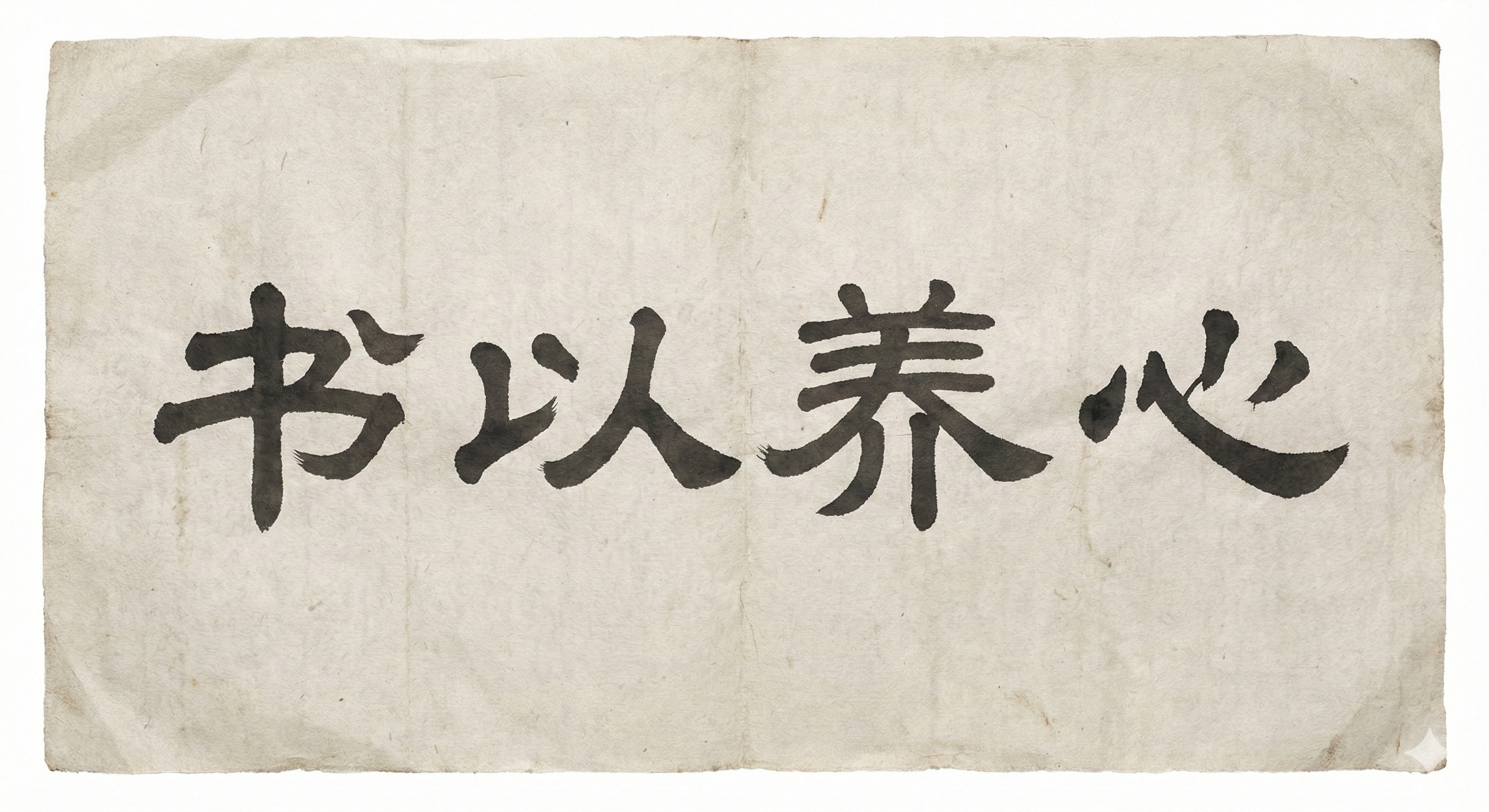
The healing practice of calligraphy can begin with sitting still. When facing the root of separation anxiety, there's no need to rush to explain it, nor is there a specific thing to write. Focus your attention on the movement of your hands, your breathing, and the pauses. Each stroke is like a reminder to your body: I'm afraid of being seen, but I can also slowly settle myself. Please take your time. Even a little bit counts. If you feel uncomfortable, stop. Give yourself some space. Please take your time. Even a little bit counts. If you feel uncomfortable, stop. Give yourself some space. Please take your time.

○ Art Therapy Guidance
Art therapy guides you to gently place the root of your separation anxiety on paper. Don't try to make it look realistic, and don't rush to explain. Simply use colors, lines, and shapes to express that feeling of wanting to get closer yet fearing loss. After you finish, take a look back. Perhaps you'll understand better that behind the fear lies a deep need and longing. Take your time. It doesn't have to be perfect. If you feel uncomfortable, stop. Even a little bit counts. Take your time. It doesn't have to be perfect. If you feel uncomfortable, stop. Even a little bit counts.
Please log in before submitting your drawings and feelings.

○ Diary Healing Suggestions
Today's journal entry can include the most poignant point: perhaps the realization that separation anxiety isn't due to excessive dependence, but rather an imbalance in one's sense of security. Write down a small action, such as recording your physical reactions during a separation, your fears, and your strongest urge for reassurance. Gently remind yourself: I'm not a burden; I'm simply learning to connect more stably. After writing, give yourself a gentle affirmation: I'm learning, and I don't need to be perfect right away. If you can only accomplish a little today, acknowledge that even a little counts. Keep your small actions light, so you truly have the opportunity to achieve them tomorrow.
Please log in to use.
After you have fully understood the nature of selective mutism, remind yourself: mutism is not about not being able to speak, but rather that your body does not yet feel safe enough.