
Lesson 304: Embracing the True Rhythm of "Wave Recovery"

Course duration:70 minutes
Recovery isn't a continuous upward climb; it often fluctuates between slightly better, slightly worse, and slightly better still. This section normalizes this curve, practicing maintaining a basic level of activity amidst these fluctuations, and avoiding negating all efforts because of a single dip. After completion, record a genuine observation, allowing the learned content to resonate in daily life. If setbacks occur, view them as part of the recovery curve, not failures. These exercises can help you gradually regain a sense of control and security during low points.
○ Course topic audio
Lesson 304: Embracing the True Rhythm of "Wave Recovery"
Click to view the read-aloud text
The theme of this lesson is "Accepting the Real Rhythm of 'Fluctuating Recovery'." The most important step in recovering from depression is not forcing yourself to get better immediately, but rather clearly understanding the current state. Normalize the recovery curve of good, bad, and then better, training yourself to maintain a basic proportion of action within these fluctuations. When someone is in severe depression or a prolonged period of low mood, the mind often interprets fatigue as failure, sluggishness as laziness, and temporary inability as inability forever. Such interpretations continue to deplete energy, making it even harder for the body to get going. Therefore, the first level of practice in this lesson is to slow down evaluation and prioritize observation. You can start by asking yourself: Where do my sleep, appetite, activity, attention, and physical heaviness stand today? If we use a scale of 0 to 10, how much energy do I have now? How much emotional stress do I experience? How much is my willingness to recover? The second level of practice is to break down the problem into smaller steps. Don't pressure yourself with huge goals like "I want to completely change," but instead choose a small action that can be completed in five minutes. It could be drinking a glass of water, opening the curtains, walking to the door, tidying a corner of your desk, sending a message to someone you trust, or simply writing down your true feelings for the day on paper. Small actions are not perfunctory; they are reaffirming to the brain: I can still influence reality, even a little. The third level of practice is learning to treat yourself with gentle language. Change "Why am I like this again?" to "I'm going through a difficult phase; I can take the next step." Change "I'm completely useless" to "I have low energy today, but I still have one small option." This kind of language isn't self-deception; it reduces additional harm. If this lesson triggers strong feelings of helplessness, despair, or danger, don't bear it alone. Contact family, friends, a therapist, a doctor, or local emergency resources as soon as possible. The exercises in this lesson can help organize experiences, but they cannot replace professional diagnosis and treatment. Finally, give yourself a steady reminder: recovery is not a straight line; it allows for pauses, repetitions, and slow progress. Seeing a signal, completing a small action, or writing down a problem today is already a step forward on the road to recovery. After reading aloud, you can write down three words: how I feel physically, the step I'm willing to try, and whose support I need. Save these three words; look at them again when you feel down, and they will become small clues for reconnecting with yourself. If you can't do anything else today, just completing the journaling itself is fine, because honest journaling is also part of the recovery process. Remember, healing isn't about proving yourself strong, but about learning to take care of yourself even when you're vulnerable. After reading aloud, you can write down three words: how my body feels right now, one step I'm willing to try, and whose support I need. Save these three words and look at them again when you feel down; they will become little clues for reconnecting with yourself. If you can't do anything else today, just completing the journaling itself is fine, because honest journaling is also part of the recovery process.

AI Healing Q&A
AI-powered healing and Q&A can help learners review an emotional downturn, distinguishing between relapse, fatigue, triggers, and normal fluctuations. AI assists in identifying retained abilities, allowing learners to see that they are not returning to square one, but rather adjusting within a recovery curve.

○ Music therapy guidance
Music therapy guidance can be guided by selecting music that has ups and downs but remains generally stable, symbolizing the highs and lows of recovery. While listening, observe how the melody rises and falls but continues to move forward, allowing the body to experience that fluctuations are not scary, and that change itself is part of the process.

○East-West Healing Tea Drinks
Eastern healing teas can serve as a gentle companion during periods of fluctuation. Drink tea to celebrate stability when you're feeling well, and to maintain care when you're feeling down. Suitable teas include jujube and lily bulb tea, light tangerine peel tea, or goji berry tea, allowing the repetitive action to remind you that you're still on the journey.
○ Healing Recipes
Stewed white beans and onions
Stewed white beans and onions are a suitable healing recipe after this lesson. The thick white beans and the naturally sweet onions, slow-cooked, are perfect for consuming after accepting the natural rhythm of recovery. It doesn't aim for quick results, but rather for a slow, gentle fusion, reminding you that recovery allows for fluctuations and requires continued care. You can also write down your emotional changes at the time, making the meal a gentle act of self-reflection. There's no need to strive for perfection; simply provide your body with manageable support.
Fluctuation tolerance, plant protein, slow cooking stabilizes
Open the healing recipe
◉ Western Dietary Therapy - Recipe No. 304: Stewed White Beans and Onions
I. Recommended Dietary Therapy and Reasons
Recommended dishes:Stewed White Beans & Onions
Recommended reasons: Stewed white beans and onions is a gentle, therapeutic dish with an ancient Mediterranean flavor, suitable for inclusion in wellness programs as daily support. Beans, fruits, nuts, or cheeses provide mild flavors and a feeling of fullness, making them ideal for when appetite is poor or a light nourishment is needed. Eat slowly, appreciating the temperature, aroma, and texture of the food to allow your body to regain a sense of calm.
2. Recipe and Method
Recipe (1–2 servings):
- 220 g of cooked white beans
- 80 g onion
- 1 tablespoon olive oil
- 1 teaspoon of minced garlic
- 180 ml of clean water
- A pinch of sea salt
practice:
- Wash the main ingredients thoroughly and cut them into even small pieces as needed.
- Add a small amount of olive oil to the pan, and first add herbs, onions, or minced garlic to enhance the aroma.
- Add the main ingredients and gently stir to coat the surface evenly with the aroma of oil.
- Add an appropriate amount of water or grape juice, and simmer or bake over low heat until softened.
- Add honey, nuts, sesame seeds, or a small amount of cheese depending on the characteristics of the ingredients.
- Continue heating for a few more minutes to allow the flavors to meld, keeping it light and not too salty.
- Let it cool slightly after serving before eating.
3. Small rituals for body and mind
When preparing stewed white beans and onions, you can first observe the color, aroma and texture of the ingredients, and gradually shift your attention from external matters back to the actions in your hands.
Slow down while heating, stirring, or plating, and feel the ingredients come together as they transform from separate parts. Remind yourself: I don't need to be at my best right now; I just need to gently care for my body in the present moment.
When you take your first bite, focus on the warmth, softness, aroma, or chewiness to let your body know that it is safe and tolerable, and you can relax a little.
4. Dietary Therapy Experience Record
- Record when you eat stewed white beans and onions: is it breakfast, lunch, dinner, or a light snack when you're feeling down or tired?
- Observe whether there are any changes in stomach burden, fullness, refreshment, and mental stability within 30–60 minutes after consumption.
- If you consume this when you are tired, stressed, or have an unstable appetite, you can record whether stewed white beans and onions help you regain a sense of control over your body and your life rhythm.
V. Instructional Videos (approximately 3–5 minutes)
Video Title:Stewed white beans and onions: A mild and stable light and nutritious dish.
6. Precautions
- It is recommended to consume this product warm or at room temperature. It is not recommended to consume large quantities of the cold version when you are physically tired.
- The amount of sweet ingredients such as honey, dried fruit, and grape juice should be controlled, and blood sugar managers should pay special attention.
- Do not eat too much at one time to avoid overeating or putting extra strain on your stomach.
- For first-time users, it is recommended to try a small amount and observe the body's reaction.
- If you are allergic to nuts, dairy products, fish, eggs, or beans, you should replace or avoid them as appropriate.
hint:This recipe is for daily physical and mental well-being and is not a substitute for any medical diagnosis or treatment. If you have chronic illnesses, are pregnant, have food allergies, are taking medication, or have special nutritional restrictions, please prioritize following the advice of your healthcare provider and nutritionist.

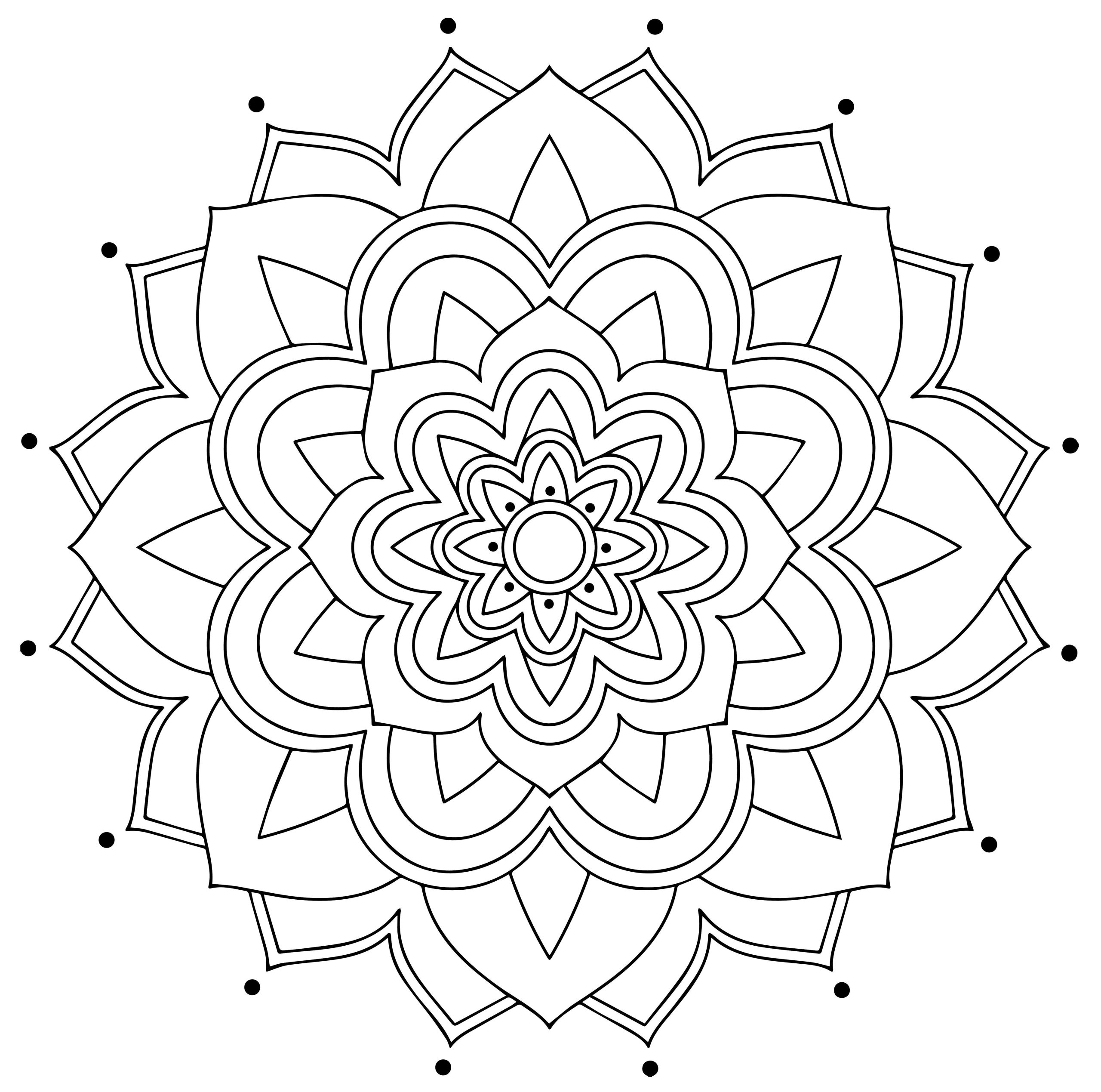
Mandala Viewing Healing
Mandala healing helps learners observe repetition and change. The patterns may appear cyclical, but each layer contains subtle differences. Gazing at them symbolizes a recovery curve, reminding oneself that repetition does not equate to failure, but rather that the system is relearning stability.
● AI Dynamic Geometric Vision Focus and Emotion Regulation Engine ●
AI Dynamic Geometric Vision Focus and Emotion Regulation Engine · v7.0.0
Before we begin, I'd like to know how you feel right now.
There is no standard answer; just choose the one that best reflects how you feel right now.
The experience is over. Tell us how you feel now.
There is still no standard answer; just choose the one that best reflects how you feel right now.
#FF5252
After the fluorescent line crawling is completed and stopped, first select a color, then click on the closed area in the graphic to fill in the color.
AI Digital Mandala Interactive Focus Engine
A–Z Free Selection · Layered Lines · 60 Color Fills
AI Digital Mandala Static Focus EngineAZ Image Coloring · 60 Colors

○ Calligraphy and engraving therapy practice
The healing exercise of writing inscriptions can include phrases like "fluctuations are not zero" and "Just keep a little bit today." Through writing, learners free themselves from the narrative of a slippery day as a disaster, allowing themselves to continue caring for themselves with lower standards.


○ Art Therapy Guidance
Art therapy can guide you to draw a recovery curve, not a straight line, but a path with ups and downs. Next to each low point, mark what you have still accomplished, such as eating, asking for help, resting, or writing. The image helps confirm that progress is still accumulating.
Please log in before submitting your drawings and feelings.

○ Diary Healing Suggestions
Journaling is a helpful tool to record where you are on the recovery curve each day and write down one action to maintain that position. The focus is not on getting better every day, but on consistently returning to the care system amidst the fluctuations, training yourself not to let a single setback negate all your efforts.
Please log in to use.
May you gradually return to a more stable, clear-headed, and gentler version of yourself through today's practice.