
Lesson 396: From Self-Blame to Self-Understanding
Course duration:70 minutes
Self-blame often causes people with bipolar disorder to repeatedly relive past moments of loss of control and low points. This lesson identifies language such as "should," "must," and "it's all my fault," shifting the focus to acceptance, choice, and practice to help you move from attacking yourself to understanding yourself. After completing the exercise, record a genuine discovery to integrate the learning content into your daily life. If setbacks occur, view them as part of the recovery curve, not failures. These exercises can help you gradually regain a sense of control and security amidst emotional fluctuations.
○ Course topic audio
Lesson 396: From Self-Blame to Self-Understanding
Click to view the read-aloud text
When learning "From Self-Blame to Self-Understanding," please set aside self-blame for now. Depressive phases in bipolar disorder are often cyclical and complex, requiring careful observation, professional collaboration, and a stable lifestyle, rather than simply relying on willpower. Recognize "should" and "must" language, and shift towards "allow," "choose," and "practice." In bipolar depression courses, any method must prioritize safety and stability. You don't need to pursue dramatic epiphanies or solve all problems at once. More importantly, establish a basic structure of consistent wake-up times, regular meals, moderate activity, reduced nighttime stimulation, and timely help, allowing your body to receive predictable support. If you are experiencing significant fluctuations, keep your exercises smaller. Write only three sentences: What are my current bodily signals? Which type of stimulation do I most need to reduce today? Who can I ask to help me observe? The more chaotic the situation, the more you need simple, clear, and immediately actionable steps. During practice, if you find yourself becoming overly excited, anxious, or hopeless because of the content, please pause reading and return to breathing, drinking, light, and a safe environment. Healing bipolar depression isn't achieved in a single burst of effort, but rather gradually through consistent recording, stabilizing rhythms, and professional support. Remember, balance isn't about never having fluctuations, but about becoming increasingly adept at observing, slowing down, seeking help, and resetting when fluctuations occur. Integrate today's content into your life, gradually building your own stable framework. Focusing on "from self-blame to self-understanding," you can write down today's key point as a keyword and observe its performance in real life over a week. If you don't achieve it one day, don't interpret it as a failure; simply return to the three basic actions of recording, resting, and seeking help. Long-term stability comes from repeated small steps, not one-time drastic changes. This reading is suitable for listening to slowly, or you can pause in sections to give your body time to process it. Focusing on "from self-blame to self-understanding," you can write down today's key point as a keyword and observe its performance in real life over a week. If you don't achieve it one day, don't interpret it as a failure; simply return to the three basic actions of recording, resting, and seeking help. Long-term stability comes from repeated small steps, not one-time drastic changes. This reading is best listened to slowly, or in segments with pauses to allow your body time to process it. Focusing on "from self-blame to self-understanding," you can write down today's key point as a keyword and observe its performance in real life over a week. If you don't achieve it one day, don't interpret it as a failure; simply return to the three basic actions of recording, resting, and seeking help.

AI Healing Q&A
AI-powered healing and Q&A can help you rewrite your language of "should," "must," and "it's all my fault" into one of acceptance, choice, and practice. You can input a self-blaming statement and let the AI help transform it into a more self-aware and action-oriented expression. The answers are for learning and reference only; important decisions should still be discussed with professionals. After practicing, you can record a finding for future review and continuous adjustment. The focus is not on immediately solving all problems, but on finding a safer next step.

○ Music therapy guidance
Exercises to move from self-blame to self-understanding are best done with warm, slow, and enveloping music. While listening, replace "I should" with "I am learning," allowing the sound to gradually soften aggressive language. After practicing, record your physical reactions, emotional changes, and the appropriate volume level. If the music causes excitement or discomfort, pause immediately and switch to a lower-stimulating sound. The focus is not on being moved by the music, but on creating more stability and a more observable space for your body.
○East-West Healing Tea Drinks
Recommended tea: Lemongrass and honey tea. The refreshing aroma of lemongrass and the mellow flavor of honey make it ideal for transitioning from self-blame to self-understanding. When drinking this tea, replace "I should" with "I am learning," allowing your body to first experience a sweet and soothing sensation. After drinking, record your body's reactions, mood changes, and the time that suits you best. If the tea causes excitement, stomach upset, or disrupts sleep, reduce the amount or stop drinking it. The key is not to rely on tea to solve problems, but to make it part of a gentle rhythm.
○ Healing Recipes
Ginger candy balls
Ginger candy balls are a suitable healing recipe after this lesson. The warmth and sweetness of ginger combine to make them suitable for use in small amounts when shifting from self-blame to self-understanding. While eating, replace "I should" with "I am practicing" to soothe your body first. After eating, record your stomach feeling, satiety, and mental stability. If the spices excite your body or upset your stomach, reduce the amount or choose a milder version. The key is not to rely on food to solve problems, but to make eating part of a stable rhythm.
Nourishing desserts, ginger candy for warmth, self-understanding
Open the healing recipe
◉ Eastern Food Therapy · Indian Ayurveda · 396. Ginger Sugar Balls
I. Recommended Dietary Therapy and Reasons
Recommended dishes:Ginger candy balls
Recommended reasons: Ginger sugar balls are an Ayurvedic nourishing dessert, suitable as a small, gentle supplement when feeling down, low on energy, or after a day of study. Nuts, grains, milk, dates, or honey provide a mild sweetness and a feeling of fullness, helping the body experience a sense of being cared for. It's not suitable for large quantities, but rather as a small ritual to be savored slowly, allowing the sweetness to provide a stable and non-irritating support.
2. Recipe and Method
Recipe (1–2 servings):
- 120g of nuts, soy flour or sesame seeds
- 80g of dates or coconut sugar
- 1 teaspoon of honey, optional
- A pinch of cardamom
- A little coconut flakes
- A little ghee, optional
practice:
- Prepare the nuts, bean flour, rice flour, or fruit ingredients.
- For powders or nuts that need to be sautéed, stir gently over low heat.
- Add milk, coconut milk, honey, or date puree, and stir slowly.
- Keep the heat low and allow the ingredients to gradually melt into a soft texture.
- Add cardamom, shredded coconut, or a small amount of chopped nuts to enhance the aroma.
- Turn off the heat after it has set or thickened, and let it cool to lukewarm.
- Consume in small amounts slowly; do not consume excessive amounts at once.
3. Small rituals for body and mind
When preparing ginger candy balls, you can first observe the color, aroma and texture of the ingredients, and gradually shift your attention from external matters back to the actions in your hands.
During heating, stirring, or slow cooking, slow down and feel the spices and ingredients gradually blend together. You can remind yourself: I don't need to be perfectly stable right away; I just need to gently care for my body in the present moment.
When you take your first bite, focus on the warmth, softness, aroma, or chewiness to let your body know that it is safe and tolerable, and you can relax a little.
4. Dietary Therapy Experience Record
- Record the time of consumption, whether it is breakfast, lunch, dinner, or a supplement after mood swings, fatigue, or course practice.
- Observe whether there are any changes in stomach burden, fullness, refreshment, and mental stability within 30–60 minutes after consumption.
- If you consume ginger candy when you are feeling down, stressed, have trouble sleeping, or have an unsteady appetite, you can keep track of whether it helps you restore your body's rhythm.
V. Instructional Videos (approximately 3–5 minutes)
Video Title:Ginger Sugar Balls: A mild and stable Ayurvedic dietary therapy
6. Precautions
- It is recommended to eat it warm, and it is not recommended to eat a large amount of the cold version when you are tired or have an upset stomach.
- Turmeric, cumin, ginger, curry spices, etc., should be used in small amounts to avoid excessive stimulation.
- Desserts are recommended to be enjoyed in small amounts, and blood sugar managers should control the amount of honey, coconut sugar, and dried fruit used.
- Do not eat too much at one time to avoid overeating or putting extra strain on your stomach.
- If you have a chronic illness, are pregnant, have allergies, are taking medication, or have special dietary restrictions, please consult a professional first.
hint:This recipe is for daily physical and mental well-being and is not a substitute for any medical diagnosis or treatment. If you have chronic illnesses, are pregnant, have food allergies, are taking medication, or have special nutritional restrictions, please prioritize following the advice of your healthcare provider and nutritionist.

Mandala Viewing Healing
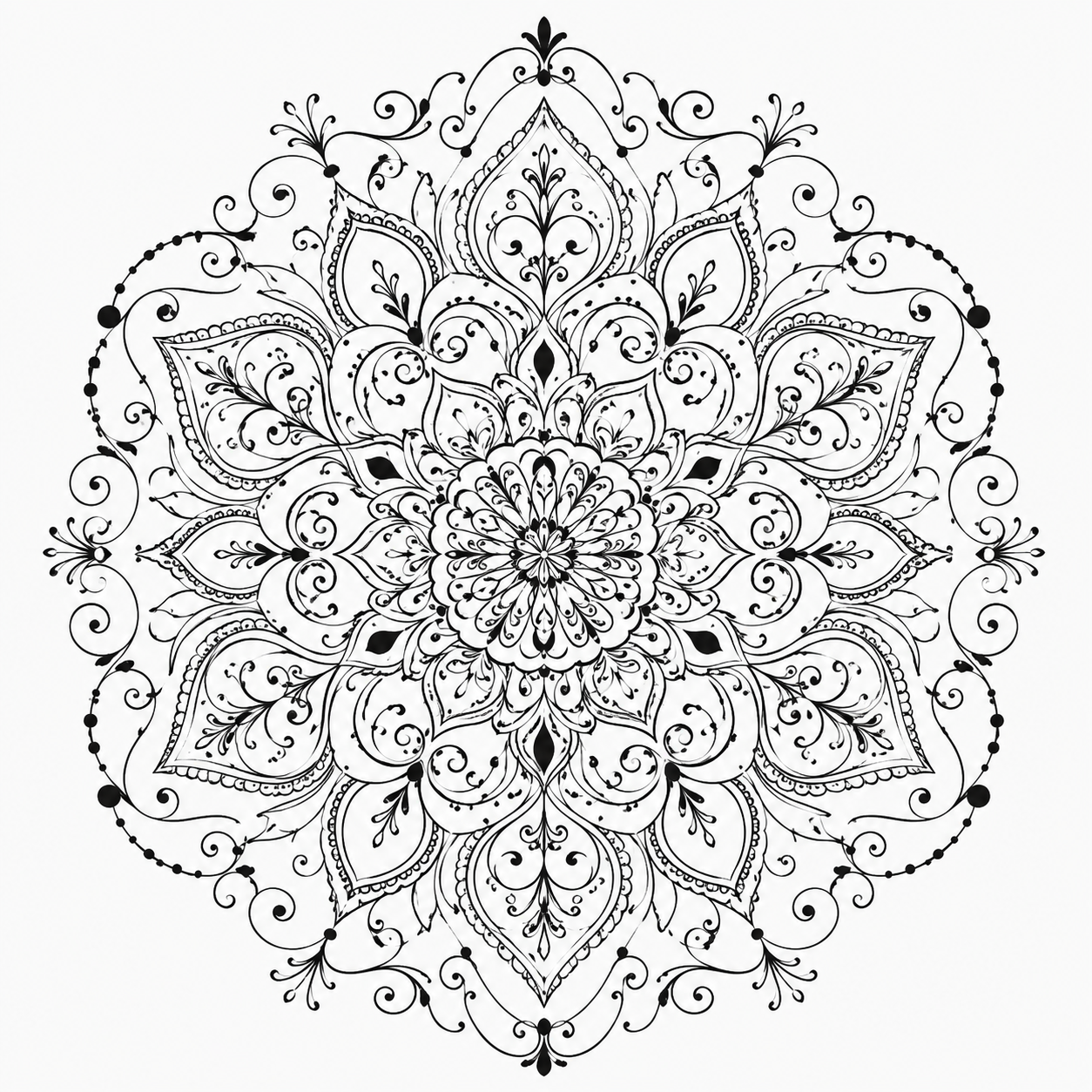
When moving from self-blame to self-understanding, view a mandala with soft colors and a stable center. Each time you feel "I should" or "It's all my fault," bring your gaze back to the center and replace it with "I am learning," allowing the image to help soften your language. After viewing, record your physical reactions, emotional changes, and the most stable visual position. If the image excites or makes you uncomfortable, shorten the time and replace it with a softer image. The focus is not on finding meaning, but on gradually stabilizing your gaze, breathing, and body. Each viewing session doesn't need to be too long; maintaining low stimulation and sustainability is more important.
● AI Dynamic Geometric Vision Focus and Emotion Regulation Engine ●
AI Dynamic Geometric Vision Focus and Emotion Regulation Engine · v7.0.0
Before we begin, I'd like to know how you feel right now.
There is no standard answer; just choose the one that best reflects how you feel right now.
The experience is over. Tell us how you feel now.
There is still no standard answer; just choose the one that best reflects how you feel right now.
#FF5252
After the fluorescent line crawling is completed and stopped, first select a color, then click on the closed area in the graphic to fill in the color.
AI Digital Mandala Interactive Focus Engine
A–Z Free Selection · Layered Lines · 60 Color Fills
AI Digital Mandala Static Focus EngineAZ Image Coloring · 60 Colors
○ Calligraphy and engraving therapy practice
The healing practice of calligraphy engraving is themed around "self-awareness." Rewrite the phrase "I should" as "I am learning," and then write it slowly in regular script. While engraving, keep the characters clear and gentle, helping you shift from self-blame to understanding, rather than continuing to attack your body. After the practice, record the sensations in your hands, changes in your breathing, and the most peaceful stroke. It doesn't need to be beautiful; the focus is on allowing the movements, rhythm, and body to gradually stabilize. If writing heightens your emotions, pause and look at the words or gently touch the paper. Each practice session should be short, gentle, low-stimulation, and sustainable.

○ Art Therapy Guidance
This art therapy session is themed "Transforming Self-Blame Language." Write "Should, Must, It's All My Fault" on the left, and draw "Allow, Choose, Practice" on the right. Use colors that transition from sharp to soft to help you shift from aggression to understanding. After completion, record your color choices, physical reactions, and the most peaceful spot in the image. It doesn't need to be beautiful; the focus is on letting the image help you see rhythm and the next step. If drawing heightens your emotions, pause and switch to lines or lighter blocks of color. Keep each practice low-stimulation and sustainable, avoiding turning creation into new stress.
Please log in before submitting your drawings and feelings.
○ Diary Healing Suggestions
Journaling therapy suggests rewriting self-blaming sentences into sentences of understanding. On the left, write "I should, I must, it's all my fault," and on the right, write "I allow, I choose, I am practicing." Through writing, shift language from aggression to support. After writing, record your physical reactions, emotional changes, and an actionable next step. It doesn't need to be complete; the key is to put vague feelings back into observable text. If writing triggers strong discomfort, pause and contact someone you trust. Keep each entry low-burden and sustainable, avoiding turning journaling into new stress.
Please log in to use.
May you gradually return to a more stable, clear-headed, and gentler version of yourself through today's practice.