

Lesson 520: Integrated Review: The Inner Path to Balancing Anxiety and Depression

Course duration:70 minutes
This course will guide you in writing a letter to yourself as you recover. You can write about how difficult the journey has been, or you can remember those small but real changes. The course will help you record your efforts in writing, so that when you face a low point in the future, you can rediscover the strength you have today.
○ Course topic audio
Lesson 520: Integrated Review: The Inner Path to Balancing Anxiety and Depression
Click to view the read-aloud text
Today's theme, which I want to gently guide you towards, is: A Letter to Your Recovering Self. This lesson serves as a gentle conclusion to this unit. Having learned this far, you may not be completely at ease yet; anxiety may still arise, and low moods may recur. But please acknowledge that you are getting closer to yourself time and again. Your willingness to understand symptoms, observe your body, manage your worries, learn to ask for help, and practice self-soothing are all significant. Today, please write a letter to your recovering self. The beginning can be simple: "Dear self, I know this period has been very difficult for you." Then write down the hardships you've endured. There's no need to embellish or pretend to be strong. You can write: "I know you're sometimes scared, sometimes tired, and sometimes feel like you can't hold on any longer." Next, please write down the small changes you've already made. Perhaps you've learned to break tasks down into smaller steps, perhaps you're drinking more water, perhaps you haven't continued to attack yourself when your emotions are running high, perhaps you've finally confided your true feelings to someone. Finally, write down a promise: "From now on, when emotions arise again, I won't just blame you. I will sit with you for a while, make sure it's safe, and take small steps first." Finally, write a hopeful sentence. It doesn't need to be grand; it could be: May I slowly fall asleep peacefully, may I slowly believe in myself, and may I remember there's still a way forward even in my darkest moments. Please keep this letter. Someday in the future, if you feel anxious and down, you can take it out and read it again, letting your past self, who was willing to learn, accompany your future self who is currently struggling. Please remember, you are not just made up of symptoms; you are also made up of every instance of perseverance, every time you seek help, and every time you are willing to start over. After reading it aloud, please write down the first sentence of the letter: Dear self, I know you have already tried your best.

AI Healing Q&A
○ AI Healing Q&A: When you want to write a letter to yourself as you recover, you can ask AI to help you begin. AI will guide you to write down the hardships you've endured, the small changes you've made, and the gentle promises you want to make to yourself in the future. The letter doesn't need to be beautiful; it just needs to be authentic, becoming a source of strength for you to rediscover yourself during your lowest point.

○ Music therapy guidance
○ Music Therapy Guidance: When writing a letter to yourself during your recovery, you can play a warm, slow, and comforting piece of music. Write down the hardships you've faced along the way, as well as the small changes you've made. Before the music ends, leave yourself a promise: If another low point comes, I'm willing to be there for myself first, rather than blaming myself.

○East-West Healing Tea Drinks
○ Rose Tea: When writing a letter to yourself as you recover, brew a cup of rose tea. Its delicate fragrance is perfect for accompanying you as you write about the hardships you've faced and the small changes you've made. While drinking the tea, tell yourself: I'm still learning, and I've already worked very hard.
○ Healing Recipes
Lesson 520: A Letter to Yourself While Recovering
○ Healing Recipe: Sashimi and Seaweed Platter: Prepare a sashimi and seaweed platter when writing a letter to yourself as you recover. The seaweed is refreshing, and the sashimi is light, perfect for enjoying slowly in quiet moments. Write down the hardships along the way, and also the small changes you've made. Let this light food remind you: you're recovering, and you've already tried your best.
Open the healing recipe
◉ Japanese Food Therapy: Sashimi and Seaweed Platter
I. Recommended Dietary Therapy and Reasons
Recommended dishes:Sashimi and seaweed clear dish (refreshing and calming)
Recommended reasons:This lesson is about writing a letter to yourself as you recover. A light and refreshing meal is perfect for quietly reflecting on your journey and the efforts you've made.
2. Recipe and Method
Recipe (1–2 servings):
- 100g of safe-source sashimi or cooked fish slices
- 60g of soaked seaweed
- A small amount of cucumber shreds
- A little lemon juice
- A little light soy sauce
practice:
- Wash the main ingredients thoroughly. Prepare the parts that need to be peeled, sliced, or shredded by cutting them into small, easy-to-eat pieces.
- Sashimi or cooked fish slices paired with seaweed and cucumber keep you feeling refreshed and light.
- Keep the seasoning light, with less salt and sugar, and avoid using strong flavors that overpower the ingredients, making it easier for the body to accept.
- During the preparation process, you can slow down your movements and treat washing, cutting, boiling, and mixing as a small exercise to bring your attention back to the present moment.
- After serving, let it cool slightly to a comfortable temperature before eating to avoid putting extra strain on your body if it's too hot or too cold.
- Take your first bite slowly, savoring the aroma, temperature, and texture before letting your body decide whether to continue.
- If you have a poor appetite that day, you can eat a small amount. There is no need to force yourself to finish it. The key is to let your body know that you are being taken care of.
3. Small rituals for body and mind
When preparing a clearing dish for sashimi and seaweed, you can first arrange the ingredients neatly to see their color, shape, and delicate texture. This small action can help your attention gradually shift from anxiety, depression, or recurring worries back to the present moment.
While waiting for your food to finish, give yourself three slow breaths. You don't need to immediately explain all your emotions or solve all your problems; just let your body know that you are safe at this moment.
When you take your first bite, focus on the temperature, aroma, and soft texture. You can gently tell yourself: I'm taking care of myself; I'm willing to slow down; I can start over.
4. Dietary Therapy Experience Record
- Record the time of consumption: whether it is breakfast, lunch, dinner, or a meal to settle down after emotional fluctuations.
- Observe changes in stomach comfort, body temperature, mental stability, and mood intensity within 30–60 minutes after consumption.
- If you consume it on days when you feel particularly anxious or down, you can keep track of whether it helps you slow down or gives your body a greater sense of security.
V. Instructional Videos (approximately 3–5 minutes)
Video Title:Sashimi and Seaweed Platter: Japanese Refreshing Food Therapy and Emotional Calming
6. Precautions
- Dietary therapy should be done in small, light portions, and adjusted according to the body's reaction. It is not recommended to force yourself to finish a meal when you are feeling unwell.
- If you are allergic to seaweed, soy products, eggs, fish, tea, or citrus fruits, please choose suitable alternatives.
- Those with sensitive stomachs, pregnant women, those with chronic diseases, or those currently taking medication should prioritize following the advice of medical professionals and nutritionists.
hint:This recipe is for daily physical and mental well-being and is not a substitute for any medical diagnosis or treatment. If you experience emotional distress, noticeable or persistent physical symptoms, please seek professional help promptly.

Mandala Viewing Healing
Before writing a letter to yourself as you recover, please look at a gentle and bright mandala. The center represents you now, and the outer circle represents the efforts you've made along the way. Looking at the image, write: "I know you've tried your best." Let the mandala remind you that you, in your recovery, deserve to be treated gently.
● AI Dynamic Geometric Vision Focus and Emotion Regulation Engine ●
AI Dynamic Geometric Vision Focus and Emotion Regulation Engine · v7.0.0
Before we begin, I'd like to know how you feel right now.
There is no standard answer; just choose the one that best reflects how you feel right now.
The experience is over. Tell us how you feel now.
There is still no standard answer; just choose the one that best reflects how you feel right now.
#FF5252
After the fluorescent line crawling is completed and stopped, first select a color, then click on the closed area in the graphic to fill in the color.
AI Digital Mandala Interactive Focus Engine
A–Z Free Selection · Layered Lines · 60 Color Fills
AI Digital Mandala Static Focus EngineAZ Image Coloring · 60 Colors

○ Calligraphy and engraving therapy practice
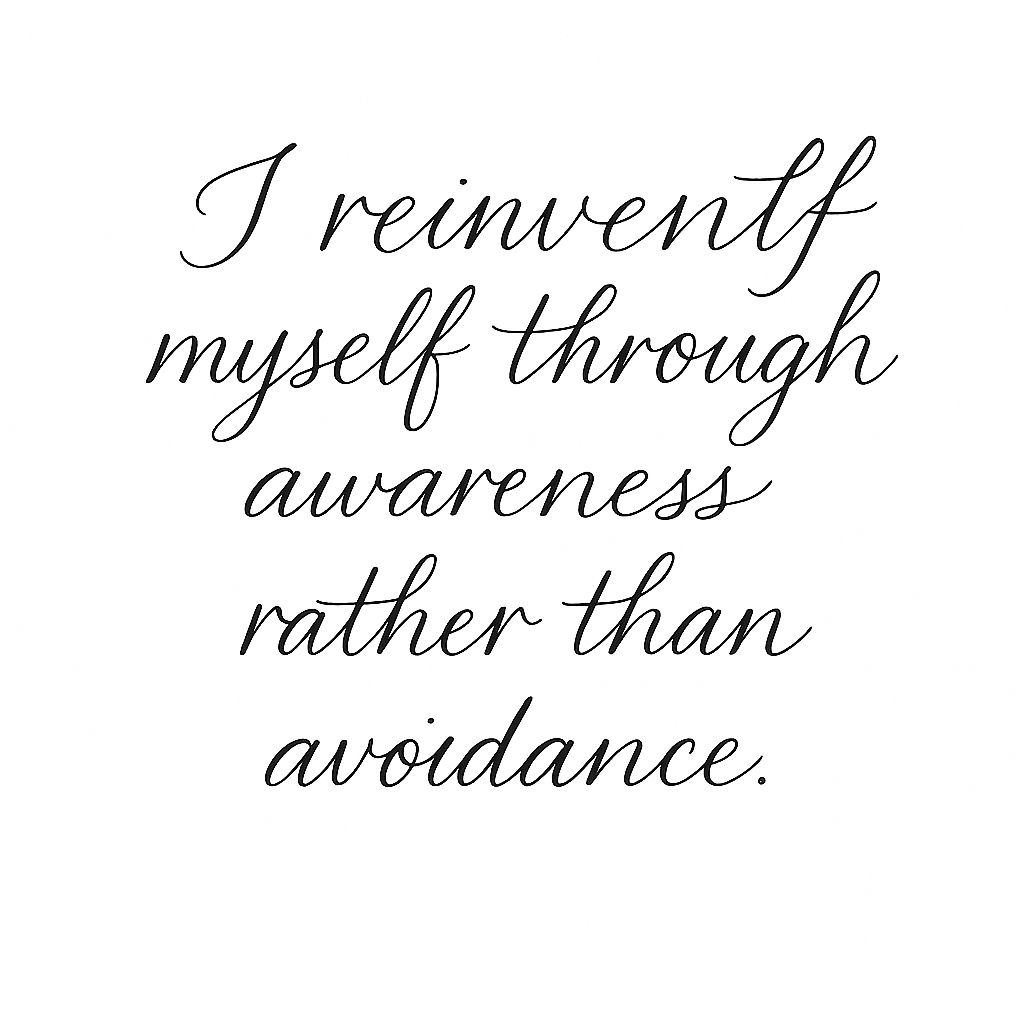
This calligraphy and seal engraving exercise has no specific content and does not require perfect character formation. When reflecting on the path of integrating anxiety and depression, please focus your attention on holding the pen, placing the pen, pausing, and breathing, allowing the repetitive hand movements to gradually calm your nerves. Reflection is not about demanding perfection, but about seeing the path you have traveled, letting the exercise be a gentle conclusion. Please take it slowly. The focus of the exercise is not on how many characters you complete, but on retaining a reliable sense of stability in each stroke, gently accompanying yourself through today.

○ Art Therapy Guidance
Please draw a letter to yourself. In the center of the letter, draw yourself recovering, and around it, draw small changes you've already made: drinking water, resting, asking for help, writing things down, taking a walk, or blaming yourself less. You can use warm colors. After you finish drawing, write a sentence: I know you've already tried your best, and I'm willing to continue to gently accompany you on this journey.
Please log in before submitting your drawings and feelings.
○ Diary Healing Suggestions
Write a short letter to yourself as you recover. Write about the most difficult parts of this period, and also mention a small change you've already made. Finally, leave a message for your future self during a low point: I know you've tried your best, please take care of yourself first, and then slowly continue.
Please log in to use.
May you gradually return to a more stable, clear-headed, and gentler version of yourself through today's practice.