

Lesson 944: Diagnosis and Assessment of Acute Stress Disorder

Duration:70 minutes
Topic Introduction:This course outlines key diagnostic and assessment points after a sudden disruption, helping you understand when professional screening, mental health support, psychiatric evaluation, or emergency intervention are needed. Assessment is not about labeling, but about identifying safety, risk, and next steps. The course will guide you to view your reactions in a gentler way, distinguish between present safety and past shocks, and try to establish small, stabilizing steps that can be implemented today.
○ Course Topic Audio
Lesson 944: Diagnosis and Assessment of Acute Stress Disorder
Click to view the read-aloud text
Today we'll learn about "Diagnosis and Assessment of Sudden Interruptions." Please slow your breathing and acknowledge that you're simply entering a gentle lesson. You don't need to solve everything immediately, nor do you need to force yourself to appear calm. After a sudden interruption, assessment isn't about fixing you with a diagnosis, but about helping to determine if you're currently safe, if symptoms are affecting your basic life, and if you need intervention from a therapist, doctor, or emergency resources. You can focus on sleep, eating, panic, dissociation, risk of injury, and social support, transforming vague anxieties into clear information. If you experience chest tightness, a rapid heartbeat, a blank mind, or a desire to escape while listening, please pause, observe your surroundings, feel the support of your feet and chair, and remind yourself: I am learning now, not reliving a dangerous situation. The focus of this lesson is to help you clarify confusion, view your reactions as ways your body and mind have protected you, and begin recovery with small, manageable actions. After the lesson, you can write down: What do I need most right now? What is the minimum care I can provide today? Don't rush to prove you're better, and don't compare yourself to others' recovery speed. Recovery from acute stress is often like the tide, sometimes receding, sometimes rising again—this doesn't mean failure. Allow your body to reconfirm safety at its own pace, allow your emotions to be seen, and allow support to gradually enter. Today, completing even a small action—like drinking a sip of warm water, turning off a trigger, contacting a trusted person, or sitting quietly for a few minutes—is already a step towards stability. Set your goals small for today; simply being willing to take care of yourself a little is already a step towards stability. You can treat this learning period as a gentle resting place; you don't need to understand everything at once, just get to know yourself a little better with each listening session. If a word triggers a reaction, take care of your body first before deciding whether to continue; being able to pause is itself a mature form of self-protection. Remember, recovery from acute stress isn't a linear process, nor is it an exam; it's more like rebuilding a safe path, where each step can be small.

AI Healing Q&A
If you're unsure whether you have acute stress, describe how long the reaction lasted, how your sleep and diet have changed, and how much your work and life have been affected. We'll help you with initial preparation and gather the information you need for medical attention or consultation. If you experience self-harm, loss of control, or danger, please seek help immediately. Take it slow. Take care of yourself first. Do just a little today. Don't push yourself too hard. Safety first. You are not alone. We hope you are supported. You can pause now. Take it slow. Take care of yourself first.

○ Music therapy guidance
If you feel nervous before an assessment or consultation, listen to a short, calming piece of music to help you settle your breathing. Keep the volume comfortable, and after listening, organize your symptoms, the timing, and any questions you need to address. Music cannot replace a diagnosis, but it can help you express yourself more clearly. Take your time. Take care of yourself first. Do only a little today. Don't push yourself. Put safety first. You are not alone. May you be supported. You can pause now. Take your time. Take care of yourself first.

○Eastern and Western Healing Teas
This lesson's recommended tea for healing: Jin Jun Mei. In conjunction with the lesson on "Diagnosis and Assessment of Sudden Interruptions," tea drinking can serve as a small ritual to calm the body, slow down, and return to the present moment. This cup of tea is not a substitute for treatment, but rather a gentle support to help the body find balance between learning, breathing adjustments, and self-care. Tea Introduction: Jin Jun Mei is a top-grade black tea from Wuyi Mountain, known for its mellow taste and rich aroma. Its complex processing uses premium tea buds, resulting in a golden-yellow liquor with a sweet and lingering aftertaste. Rich in polyphenols and amino acids, it helps with anti-aging, lowering blood lipids, and boosting immunity. How to Drink: Take 1 teaspoon of Jin Jun Mei black tea and steep in 90°C water for 4-5 minutes. Drink once daily to help refresh, relax, and improve health.
○ Healing Recipes
Mediterranean Diet: Rosemary Roasted Lamb Chops
This healing recipe suggests Mediterranean-style Rosemary Lamb, designed to complement the "Diagnosis and Assessment of Sudden Disruptions" lesson, helping the body return to a more stable, gentle, and manageable rhythm after learning. It's characterized by its energy-boosting properties, herbal calming effects, and suitability for small portions during physical recovery, ideal for light recovery after the course. When preparing and eating, slow down, appreciating the colors, temperature, aroma, and feeling of fullness; let the meal become a tranquil reminder of peace and well-being.
Open the healing recipe
◉ Mediterranean Diet: Rosemary Roasted Lamb Chops
I. Recommended Dietary Therapy and Reasons
Recommended dishes:Rosemary Lamb Chops
Recommended reasons:Rosemary roasted lamb chops are a suitable healing recipe for Lesson 944, "Diagnosis and Assessment of Sudden Disruptions." Acute stress-related lessons emphasize stability, low stimulation, repeatability, and ease of execution; therefore, this recipe focuses on gentle ingredients, clear steps, and moderate satiety. It can help learners bring their attention back to their bodies after lesson practice, appreciating the temperature, aroma, color, and texture of the food, providing a little daily care for a tense nervous system. It replenishes energy, has a calming effect with herbs, and is suitable for small meals during physical recovery. It is suitable as a light recovery meal after learning, reflection, or emotional fluctuations.
2. Recipe and Method
Recipe (1–2 servings):
- 2 lamb chops
- 1 tablespoon olive oil
- A little rosemary
- A little minced garlic
- 1 teaspoon lemon juice
- A pinch of black pepper
- A pinch of sea salt
- A small amount of roasted carrots or lettuce
practice:
- Pat the lamb chops dry with kitchen paper and place them on a plate.
- Add olive oil, rosemary, minced garlic, lemon juice, black pepper, and a pinch of sea salt, and marinate for 15 minutes.
- Pan-fry over medium heat until both sides are browned.
- Bake in a preheated oven at 190°C for 6–10 minutes, adjusting to your desired doneness.
- Let it sit for 5 minutes after baking to allow the juices to settle.
- Serve with roasted carrots or light lettuce.
3. Small rituals for body and mind
Before preparing rosemary roasted lamb chops, you can arrange the ingredients in order to make the table clear, simple, and predictable.
Slow down your hand movements when handling ingredients, feel the rhythm between cutting, mixing, stewing, and grilling, and let your attention return from chaotic thoughts to physical actions.
When you take your first bite, pause for a few seconds to savor the temperature, aroma, and feeling of fullness, and remind yourself: I am taking care of my body in a simple way.
4. Dietary Therapy Experience Record
- Recording the time of consumption: is it before or after the course, or as a supplement after emotional fluctuations?
- Observe changes in stomach burden, fullness, body temperature, and mental state within 30–60 minutes after consumption.
- If you choose a similar mild diet several times in a row, you can record whether there is any improvement in sleep, stress levels, appetite, and mood stability.
V. Instructional Videos (approximately 3–5 minutes)
◉ Video Title:Rosemary Roasted Lamb Chops: A Healing Recipe for Physical and Mental Recovery
6. Precautions
- If you have a weak appetite during an acute stress period, you can eat a small amount first and do not have to force yourself to eat the whole serving.
- If you are allergic to seafood, dairy products, nuts, beans, gluten, or certain herbs, please substitute ingredients accordingly.
- Seasoning should be light, avoiding excessive saltiness, spiciness, or sweetness to reduce irritation to the nervous system and stomach.
- If you are taking medication, have a chronic illness, are pregnant, or have special dietary restrictions, please prioritize following the advice of your doctor or nutritionist.
hint:This recipe is for daily physical and mental well-being and is not a substitute for any medical diagnosis or treatment. If you have special nutritional restrictions, chronic diseases, or are currently undergoing treatment, please prioritize following the advice of your healthcare provider and nutritionist.

○Mandala Healing
When looking at the mandala today, please slow your breathing and don't try to calm down immediately. Regarding the diagnosis and assessment of acute stress disorder, before the assessment, calm your breathing and organize your symptoms, timing, and any information that needs to be explained. If your emotions intensify, please stop, touch the table or chair, and prioritize safety. Please take it slow. Take care of yourself first. Do only a little today. Don't push yourself. Put safety first. You are not alone. May you be supported. You can pause now. Please take it slow.
● AI Dynamic Geometric Vision Focus and Emotion Regulation Engine ●
AI Dynamic Geometric Vision Focus and Emotion Regulation Engine · v7.0.0
Before we begin, I'd like to know how you feel right now.
There is no standard answer; just choose the one that best reflects how you feel right now.
The experience is over. Tell us how you feel now.
There is still no standard answer; just choose the one that best reflects how you feel right now.
#FF5252
After the fluorescent line crawling is completed and stopped, first select a color, then click on the closed area in the graphic to fill in the color.
AI Digital Mandala Static Focus EngineAZ Image Coloring · 60 Colors
AI Digital Mandala Interactive Focus Engine
A–Z Free Selection · Layered Lines · 60 Color Fills

○ Calligraphy and engraving therapy practice
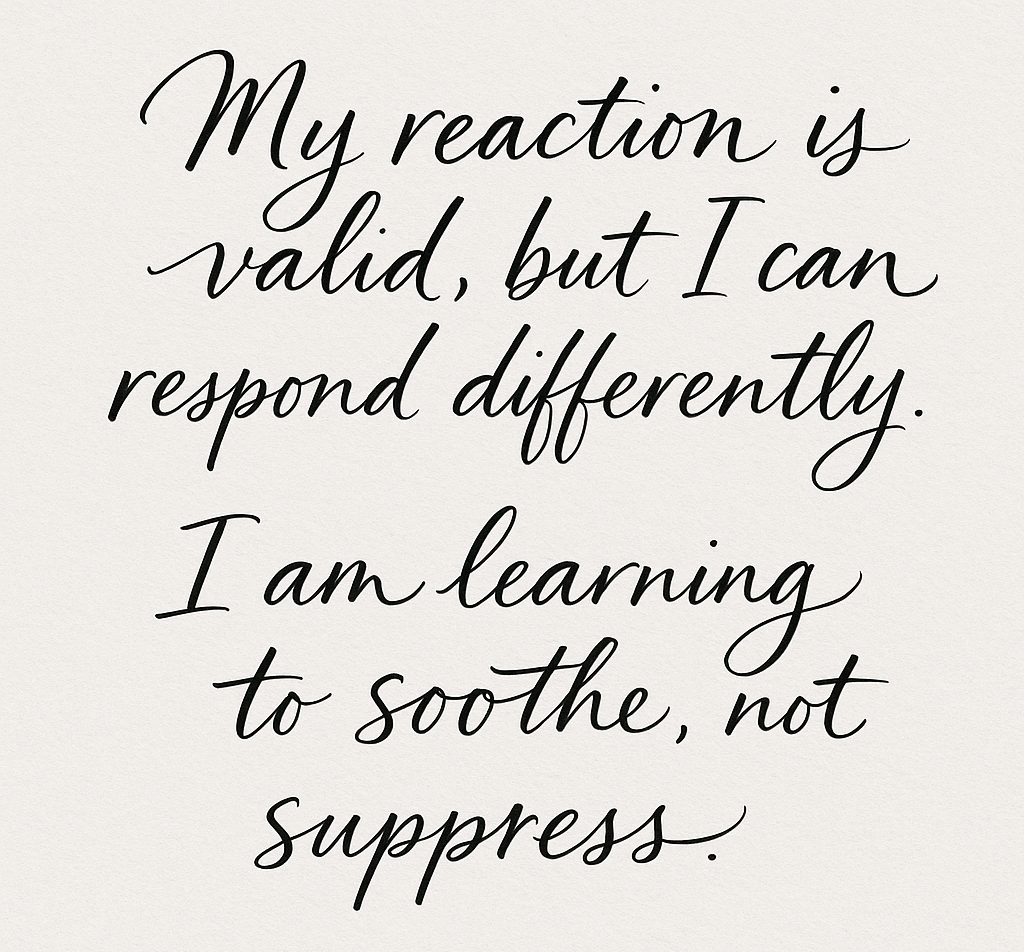
If you are preparing for an assessment or consultation, practicing calligraphy can help stabilize your body first. During practice, you don't need to organize specific content; simply feel the contact between your wrist, pen tip, and paper. Once your breathing slows down, then you can address your symptoms and problems. Settling your body first will make your expression clearer. Please take your time. Take care of yourself first. Do only a little today. Don't push yourself. Safety first. You are not alone. May you be supported. You can pause now. Please take your time. Take care of yourself first. Do only a little today.

○ Art Therapy Guidance
You can use lines, blocks of color, or shapes to gently express vague feelings, complementing the lesson on "Diagnosis and Assessment of Sudden Interruptions" to help you face assessments and seek help. You are free to choose colors, lines, and shapes to put the tension, heaviness, chaos, or emptiness within you onto the paper, without rushing to judgment. If the image makes you uncomfortable, you can stop breathing, touch the tabletop, and then slowly return. Please keep drawing free, gentle, and something you can stop at any time. Please take your time. Please take your time.
Please log in before submitting your drawings and feelings.

○ Diary Healing Suggestions
Write down the most impactful point from today's lesson, and gently record your genuine reactions when faced with assessments and requests for help, in conjunction with the lesson on "Diagnosis and Assessment of Sudden Interruptions." It can be just a short paragraph; don't worry about being well-organized. Next, write down a small action you're willing to try—make it light, achievable, and manageable. If you feel uncomfortable writing, stop breathing, look at the real objects around you, and then continue. Treat this writing as a gentle companion. Let today's record be gentle, honest, and stopable. Allow yourself to slowly move towards stability. Treat this writing as a gentle companion.
Please log in to use.
May you gradually return to a more stable, clear-headed, and gentler version of yourself through today's practice.