

Lesson 1061: Course on Psychological Complexity and Trauma

Duration:70 minutes
Topic Introduction:Complex trauma often stems from long-term, recurring, and inescapable experiences of harm. Here, we'll gently guide you to understand its scope and impact, without rushing to judge yourself. Instead, we'll slowly help you understand that those reactions were once meant to protect you. When learning, please slow down, approaching your feelings only within a safe range, allowing yourself to stabilize first, then understand. Remember, your reactions have their origins; they don't need to be blamed, only gently seen and cared for.
○ Course Topic Audio
Lesson 1061: Course on Psychological Complexity and Trauma
Click to view the read-aloud text
Complex trauma is usually not caused by a single event, but rather develops within long-term relationships, long-term control, repeated hurt, or persistent insecurity. It affects how a person feels about themselves: Am I problematic? Am I unworthy of love? Why am I always tense, people-pleasing, explosive, or numb in relationships? It can also lead to emotional outbursts, dissociation, physical symptoms, blurred boundaries, and deep shame. What truly needs to be approached slowly is to gradually piece together these fragments, rather than continuing to attribute all difficulties to personality. Recovery from complex trauma requires a sequence: first stability, first security, first learning to return to the present moment, and then gradually approaching memories and relationship patterns. The course will include body awareness, trigger identification, emotion regulation, support systems, and self-worth reconstruction. Please do not demand complete restoration immediately, nor negate previous efforts because of repeated setbacks in recovery. People who have been chronically wounded often require long-term, gentle healing. Every time you become aware that "I've been led astray by old patterns again," it's a new entry point. You are not broken; you are gradually rediscovering yourself. The course places special emphasis on the physical, because complex trauma isn't just stored in memories, but also in sleep, appetite, muscles, breathing, and intimacy. When emotions are high, the course will guide you to first engage with your body: feel your feet, look around the room, describe the objects in front of you, and remind yourself that you are no longer in the past. Relationship exercises are also important; complex trauma often leaves you both yearning for closeness and fearing being hurt. The next focus is on identifying old relationship patterns and gradually building boundaries and trust. True recovery isn't about becoming unscathed, but about having more ways to care for yourself and choose safer relationships when those wounds are touched. Recovery from complex trauma is often a process of understanding a little today, only to be pulled back a little tomorrow by old reactions. That's okay; being able to come back is part of the healing process. When you begin to distinguish which reactions belong to the present and which are triggers of old wounds, you gain new freedom. The past still exists, but it no longer makes all the decisions for you. Old wounds will recur, but you've begun to have new ways of caring for them.

AI Healing Q&A
When interacting with AI, you can start by sharing your most confusing aspects of complex trauma and how it affects your daily life, relationships, and physical health. AI will guide you through processing your reactions, resources, and next steps with gentle questions, but it will not replace doctors, therapists, or crisis intervention. If you experience self-harm risk, worsening dissociation, or feelings of loss of control, please seek help immediately. You are not alone. Take a break. May you be supported. Take it slow. Take care of yourself first. Do just a little today. Don't push yourself too hard. Put safety first.

○ Music therapy guidance
Please choose a slow, well-structured piece of music. First, let your ears recognize the sound, then feel if your body is tense. Recovery from complex trauma requires stages and boundaries. Music isn't meant to force you to relax immediately, but rather to accompany you within your manageable limits, slowly building common ground. You are not alone. You can pause now. May you be supported. Please take it slow. Take care of yourself first. Do just a little today. Don't push yourself too hard. Put safety first. You are not alone. You can pause now. May you be supported.

○Eastern and Western Healing Teas
○ Oriental Healing Tea - Chrysanthemum and Goji Berry Tea Introduction: Chrysanthemum and goji berry tea is a traditional Chinese herbal beverage with heat-clearing and detoxifying properties, relieving eye fatigue, and calming the mind. Chrysanthemum can effectively relieve headaches and dry eyes caused by emotional stress, while goji berries help nourish the liver and kidneys and enhance immunity. The combination of the two helps clear internal heat toxins and relieve physical discomfort caused by anxiety and stress. Usage: Take one spoonful each of chrysanthemum and goji berries, place them in a teapot, add hot water, and steep for 5-10 minutes. Drink 1-2 cups daily. It is especially suitable for prolonged periods of eye strain or periods of high stress, helping to relax the eye and head muscles.
○ Healing Recipes
○ Mediterranean Diet: Herb Lemon Roots
Recommended dishes:Roasted Lemon Roots Recommended reasons:This lesson revolves around an overview of complex psychological trauma. Herb Lemon Roots, served as a gentle post-lesson meal, helps to gradually shift attention away from the complexities of trauma and back to the body, diet, and daily life. Its focus on light ingredients and gentle preparation makes it suitable for incorporating post-lesson care into a simple meal. This recipe is not a substitute for psychotherapy, medical evaluation, or crisis intervention; it should only be used as a supplement to daily self-care. Recipe (1–2 servings): practice: Before preparing this dish or soup, please stop and look at yourself: Are you feeling tired, tense, numb, ashamed, wanting to escape, or simply have no appetite? Please don't blame these reactions; they may be your mind and body trying to protect themselves after complex traumatic issues have been touched upon. Before eating, take three slow breaths and feel the temperature of the cup/bowl, the color of the food, and the support under your feet. If the course content makes you feel significantly out of control, experiences strong flashbacks, increased dissociation, escalated fear, or suicidal thoughts, please stop learning and contact offline professionals or emergency resources. Take your first bite slowly. Daytime meals can be combined with sunlight, short breaks, and gentle activity; when eating in the evening, please control the portion size and avoid overeating, excessive sweetness, excessive salt, or drinking too much water to prevent sleep. Video Title:Herb Lemon Roots Roasted Roots – A practical approach to physical settling and gentle nutrition within a course on the overview of psychologically complex trauma. hint:If complex trauma-related reactions continue to worsen, significantly affecting sleep, diet, work, interpersonal relationships, or accompanied by intense fear, dissociation, depression, and self-harming thoughts, please contact an in-person doctor, psychologist, trauma therapist, or emergency resources immediately.Click to view healing recipes
◉ Mediterranean Diet: Herb Lemon Roots
I. Recommended Dietary Therapy and Reasons
2. Recipe and Method
3. Small rituals for body and mind
4. Dietary Therapy Experience Record
V. Instructional Videos (approximately 3–5 minutes)
6. Precautions

○Mandala Healing
When viewing this mandala, focus your gaze on the center first, then slowly move towards the outer ring. Recovery from complex trauma often takes a long time; there's no need to rush to unravel everything. Let the pattern act as a gentle container, holding onto chaos, exhaustion, and doubt, reminding you that it's safe to pause for now. You are not alone. Take a break. May you be supported. Take your time. Take care of yourself first. Do just a little today. Don't push yourself too hard. Put safety first. You are not alone. Take a break.
● AI Dynamic Geometric Vision Focus and Emotion Regulation Engine ●
AI Dynamic Geometric Vision Focus and Emotion Regulation Engine · v7.0.0
Before we begin, I'd like to know how you feel right now.
There is no standard answer; just choose the one that best reflects how you feel right now.
The experience is over. Tell us how you feel now.
There is still no standard answer; just choose the one that best reflects how you feel right now.
#FF5252
After the fluorescent line crawling is completed and stopped, first select a color, then click on the closed area in the graphic to fill in the color.
AI Digital Mandala Static Focus EngineAZ Image Coloring · 60 Colors
AI Digital Mandala Interactive Focus Engine
A–Z Free Selection · Layered Lines · 60 Color Fills

○ Calligraphy and engraving therapy practice
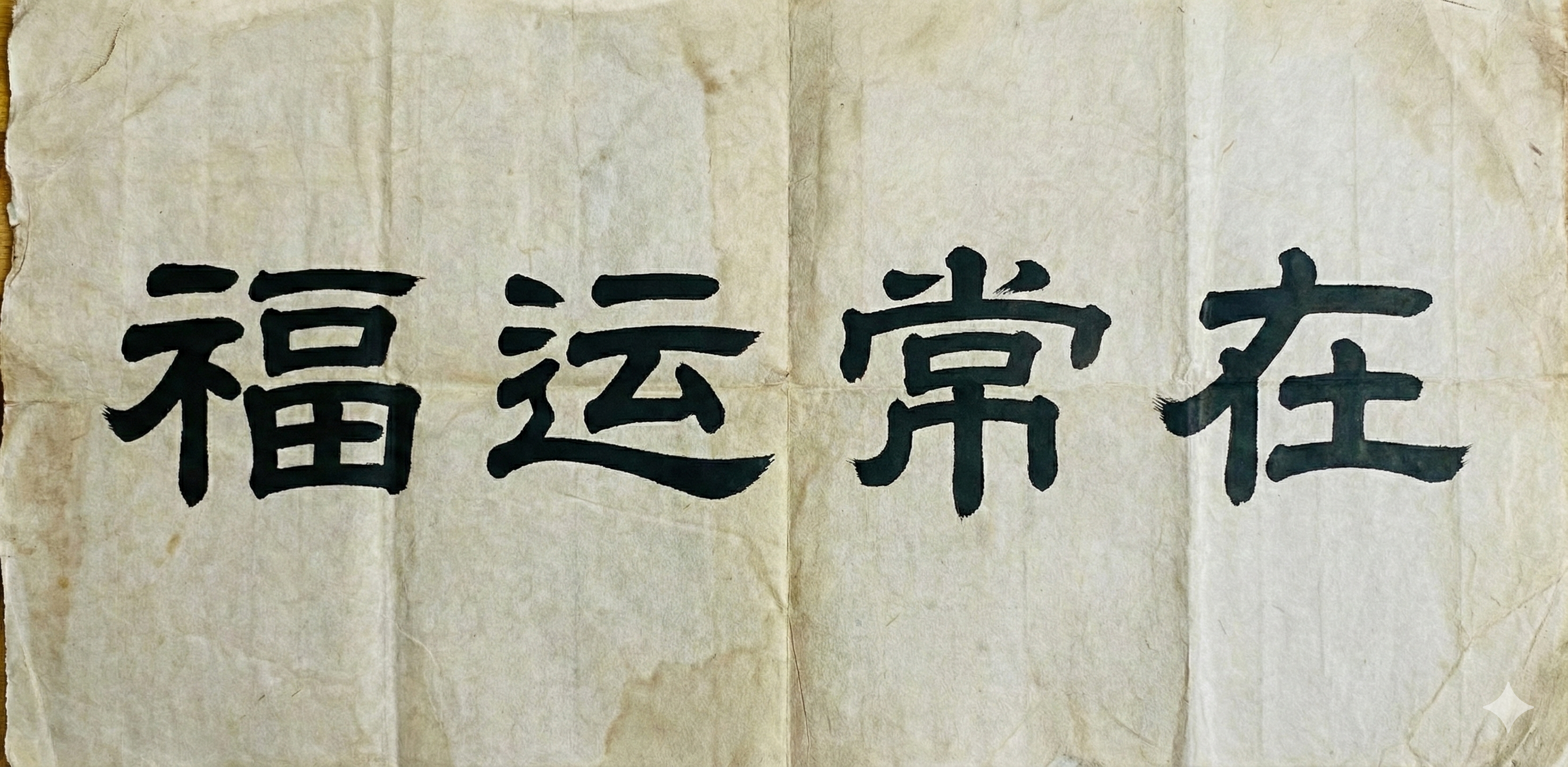
For today's calligraphy practice, please sit firmly, relax your hands, and then slowly lower the pen. Complex trauma doesn't need to be explained all at once; it only needs to be gently seen in steady movements. Each stroke and pause can remind your body: there are boundaries, and a little safety. You are not alone. You can pause now. May you be supported. Please take your time. Take care of yourself first. Do only a little today. Don't push yourself. Put safety first. You are not alone. You can pause now.

○ Art Therapy Guidance
Please use color to depict your first impression of complex trauma; you don't need to draw specific events. There can be chaotic lines or quiet blank spaces. Leave a space in the drawing to represent your current safe place, a reminder that the past is heavy, but you are seeing it from outside the paper, not being swallowed by it again. You are not alone. Take a break. May you be supported. Please take your time. Take care of yourself first. Do just a little today. Don't push yourself. Put safety first. You are not alone. Take a break. May you be supported. Please take your time. Take care of yourself first. Do just a little today.
Please log in before submitting your drawings and feelings.

○ Diary Healing Suggestions
Today's journal entry can begin with: What new understandings have I gained about complex trauma? Which reactions are actually protecting me, rather than proving I have a problem? Please record a physical sensation, an emotional word, and a recent minor inconvenience affecting your life. Finally, write down a small act of self-care you're willing to take today, such as rest, reducing stimulation, or contacting someone you trust. You are not alone. You can pause now. May you be supported. Please take it slow. Take care of yourself first. Do only a little today. Don't push yourself too hard. Put safety first. You are not alone. You can pause now. May you be supported.
Please log in to use.
May you gradually return to a more stable, clear-headed, and gentler version of yourself through today's practice.
This unit's comprehension test
After completing the lesson's main topic, you can access the corresponding lesson's comprehension test here.