

Lesson 1540: Long-term Follow-up and Self-Management Pathways

Duration:70 minutes
Topic Introduction:This lesson, as a summary of the alcohol use disorder section, helps learners organize their long-term follow-up and self-management pathways. You will review stage goals, risk signals, support resources, and debriefing methods, viewing recovery as an ongoing life project, not a one-off task. It also makes the next step clearer. It makes the next step clearer. It makes the next step clearer. It makes the next step clearer. It makes the next step clearer. It makes the next step clearer. It makes the next step clearer. It makes the next step clearer. Be more stable.
○ Course Topic Audio
Lesson 1540: Long-term Follow-up and Self-Management Pathways
Click to view the read-aloud text
This section summarizes the alcohol use disorder portion and helps you organize your long-term follow-up and self-management path. Recovery is not a sprint, but a life project requiring continuous maintenance. You can periodically review a few questions: Have my cravings recently become stronger? Are my sleep and mood stable? Have I started approaching high-risk situations again? Have I maintained contact with my support system? Are my physical examinations and professional follow-ups proceeding as planned? Long-term management isn't about keeping you constantly tense, but about recognizing risks before they escalate. You can also set phased goals, such as a week without drinking, reducing high-risk gatherings, resuming exercise, having an honest conversation with family, or completing a professional consultation. Treat reflection as care, not interrogation. You don't need to be perfect to deserve a new life; simply returning to safety, health, and support each time you do so is moving towards a more stable self. Remember, every reminder in this course is not meant to make you more afraid, but to help you see yourself more safely. You can approach change at your own pace, or seek help from professionals, family, or trusted friends when needed. Recovery isn't about proving you've never fallen, but about being prepared before you fall, being willing to turn back after you fall, and repeatedly bringing yourself back to a more stable life. If this resonates with you, please don't rush to criticize yourself. You can write down the most important sentence of the day, or simply record a small action you're willing to try. Change often doesn't happen suddenly, but accumulates slowly through many gentle, specific, and actionable small choices. Please prioritize safety and place yourself back in a position where you deserve to be cared for. In the learning ahead, you don't need to solve all problems at once. Identify a risk first, mitigate a trigger first, contact a supporter first, take care of your body first—these all count. May you feel less shame in understanding and more strength in action, so that recovery is no longer just endurance, but a gradual regaining of direction in life. This can serve as a gentle reminder for you today: having problems seen doesn't mean your life is negated; needing help doesn't mean you're not good enough. Please give yourself some time to process the complexities...

AI Healing Q&A
After completing this phase, you can let AI help you review: which scenarios were most dangerous, which support was most effective, and what changes occurred in your physical and emotional state. It can help you develop a long-term maintenance plan, but true recovery still requires real-world reflection, companionship, and professional support. These answers can be saved as reminders for the next phase of maintenance, helping you periodically review your changes. Each review doesn't need to be perfect; identifying a risk and finding available support is valuable.

○ Music therapy guidance
For long-term self-management, choose a stable piece of music that you're willing to listen to repeatedly and use it as a fixed background for reflection. Each time it plays, ask yourself how your sleep has been lately, what your needs are, whether you've maintained your support, and if you need any medical checkups. Let the music be a reminder, not a pressure, accompanying you to maintain your new direction. This fixed listening method is like leaving a coordinate for recovery. Regardless of your state, you can come back to see where you are and then decide what support you need to provide next. It will bring you peace of mind.

○Eastern and Western Healing Teas
○ Eastern Healing Tea - Biluochun Introduction: Biluochun is a specialty green tea from Jiangsu Province, named for its snail-like shape and emerald green color. It has a fragrant and mellow taste. Biluochun is rich in tea polyphenols, amino acids, vitamin C, and other components, and has the effects of clearing heat and detoxifying, anti-oxidation, and reducing lipids and aiding weight loss. Its unique floral aroma and refreshing taste make it stand out among green teas. Usage: Take 1 teaspoon of Biluochun tea leaves, put them in warm water (approximately 75-80°C), and steep for 2-3 minutes. Drink 1-2 cups daily, especially suitable for hot summer days, as it is refreshing, thirst-quenching, and helps relax the mind and body.
○ Healing Recipes
○ Mediterranean Diet: Falafel (Chickpea Cake)
Recommended dishes:Falafel (chickpea cake) Recommended reasons:Falafel, based on mild ingredients, light seasoning, and sustainable energy, is suitable as a daily dietary support in alcohol and substance use disorder programs. When addressing the theme of "long-term follow-up and self-management pathways," food doesn't play a therapeutic role, but it can help learners bring their attention back to their bodies, reducing imbalances caused by fasting, fatigue, mood swings, or impulsive eating. It reminds you that recovery is not just about avoiding risk, but also about rebuilding the ability to care for yourself through each meal. Recipe (1–2 servings): practice: When preparing chickpea cakes, separate the ingredients and observe their color, aroma, and the movements of your hands. If you're feeling overwhelmed, make only the simplest version; if you're physically tired, make a smaller portion. Before taking your first bite, pause for a few seconds to savor the temperature, aroma, and texture, making this meal a gentle reminder to reconnect with your body. If you're feeling craving, anxious, down, or impulsive today, please don't turn cooking into stress. Being able to prepare a simple meal is already a good thing; food is support, not a task. Video Title:Chickpea Cookies: A Nutritional Recipe for Stabilizing Body and Mind Rhythms hint:Please understand diet within the overall care plan: regular sleep, a stable schedule, professional support, companionship, physical examinations, and necessary treatments remain important foundations for long-term recovery.Click to view healing recipes
◉ Mediterranean Diet: Falafel (Chickpea Cake)
I. Recommended Dietary Therapy and Reasons
2. Recipe and Method
3. Small rituals for body and mind
4. Dietary Therapy Experience Record
V. Instructional Videos (approximately 3–5 minutes)
6. Precautions

○Mandala Healing
Long-term follow-up and self-management sound like a long road. Please draw this mandala as a rhythmic, repetitive pattern, allowing yourself to feel "continuity" rather than a "sprint." You can incorporate questionnaires, follow-up appointments, supporters, rest, and rewards into different circles. Recovery doesn't have to be dramatic; more often, it's like this, accumulating circle by circle, slowly allowing life to return to normal. Consistent small actions go further than momentary exertion. This is the true essence of recovery.
● AI Dynamic Geometric Vision Focus and Emotion Regulation Engine ●
AI Dynamic Geometric Vision Focus and Emotion Regulation Engine · v7.0.0
Before we begin, I'd like to know how you feel right now.
There is no standard answer; just choose the one that best reflects how you feel right now.
The experience is over. Tell us how you feel now.
There is still no standard answer; just choose the one that best reflects how you feel right now.
#FF5252
After the fluorescent line crawling is completed and stopped, first select a color, then click on the closed area in the graphic to fill in the color.
AI Digital Mandala Static Focus EngineAZ Image Coloring · 60 Colors
AI Digital Mandala Interactive Focus Engine
A–Z Free Selection · Layered Lines · 60 Color Fills

○ Calligraphy and engraving therapy practice
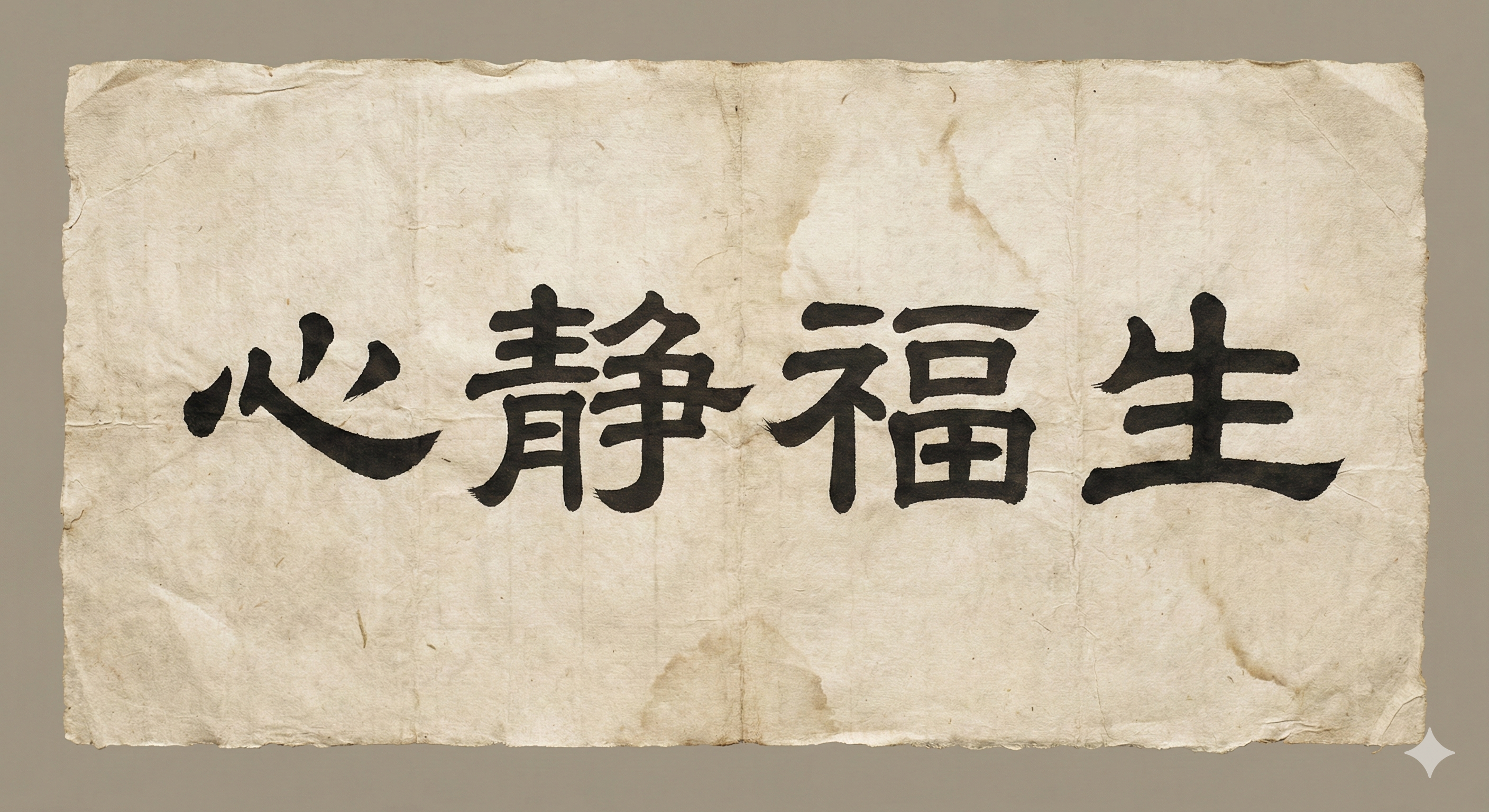
Long-term follow-up and self-management are like repeatedly practiced strokes of a brush—quiet, yet powerful. Be patient with each stroke, don't strive for perfection the first time, and don't rush to grade yourself. There's no need for a plan; simply feel the persistence itself. Those seemingly small actions will gradually stabilize your life. After practicing, you can place the paper where it's easily visible. It doesn't need to be perfect; it just needs to remind you: consistent, small actions can slowly support your life. Quiet persistence is also precious. Take it slow.

○ Art Therapy Guidance
Long-term follow-up and self-management are like a journey that needs to be taken slowly. You can visualize this as a rhythmic, repetitive pattern, allowing yourself to feel the "continuity" rather than the "sprint." In different areas of your life, include checkups, records, rest, support, and small rewards to remind yourself: recovery isn't always dramatic; often it's simply about quietly living each day steadily. The ability to consistently take care of yourself is a precious strength in itself. May you carry this stability and gradually make your days more stable.
Please log in before submitting your drawings and feelings.

○ Diary Healing Suggestions
At the end of this phase, write a summary for yourself. Write down the risks you've identified, the most effective support you've received, the most difficult moments you faced, and the areas you want to continue practicing next. Don't just write down the problems; also write down the evidence of how you persevered. Long-term recovery isn't achieved through a single, intensive effort, but through repeated review, adjustments, and seeking help, gradually bringing yourself back to a more stable life. Finally, write a thank you to yourself for getting this far. You may not be completely stable yet, but the willingness to continue reflecting is already a strength. This gratitude will also become the strength to continue moving forward.
Please log in to use.
May you gradually return to a more stable, clear-headed, and gentler version of yourself through today's practice.