
Lesson 1571: Cognitive-Behavioral Strategies: Trigger—Thought—Behavior

Duration:70 minutes
Topic Introduction:Cognitive behavioral strategies help you break down the process of gambling: what triggered it, what thoughts arose, how emotions escalated, and what ultimately happened. The course will help you identify areas where you can intervene early, preventing you from simply categorizing yourself as a failure. Once you see the intermediate steps, the old reaction no longer seems like the only option. Even something as simple as leaving early, making a phone call, or delaying by ten minutes can be a crucial step in breaking the cycle. This small step can loosen the loop, giving you more options next time.
○ Course Topic Audio
Lesson 1571: Cognitive-Behavioral Strategies: Trigger—Thought—Behavior
Click to view the read-aloud text
Today, let's not rush to conclusions. Instead, let's explore the "Cognitive-Behavioral Strategy: Trigger—Thought—Behavior." There's often a familiar path between triggers, thoughts, and behaviors, but things usually happen too quickly. Break down the process and find the points where you can intervene early. Gambling disorder often traps people between hope, excitement, regret, and trying again, making them aware of the danger yet finding it hard to stop. Therefore, this section doesn't aim to push you forward with blame, but rather to help you see things clearly: what are you expecting when impulse approaches, what is your body tensing up about, and what costs have you already paid in reality? If you are experiencing related difficulties, please prioritize safety, especially regarding finances, debt, loans, interpersonal relationships, and emotional crises, all of which need careful attention. You can think of today's theme as a small map: first, identify the entry point, then find a place to pause, and finally, incorporate supporters, alternative actions, and reality protections into your plan. While listening to this audio, there's no need to rush to promise never to waver again, nor to dredge up the past and blame yourself. A more practical approach is to first acknowledge that gambling is indeed affecting a part of your life, and then write down one small thing you can do. Perhaps it's deleting an entry point, telling a trusted person, settling a debt, or rescheduling a period of high-risk time for safer activities. Change doesn't happen with just a promise; it's more like a series of small but real choices: hide it less, ask for help more often, leave the scene sooner, and be willing to talk to someone who can help you. A small pause can loosen the old cycle. If you feel a pang of sadness reading this, please don't rush to suppress it. It might be a reminder that you actually want to stabilize your life again and regain the trust of your family and yourself. Please hold onto this desire, even if it's small. Recovery isn't about proving anything immediately, but about being willing to move closer to reality each time you want to escape. Once you see this path, old reactions won't seem so irreversible.

AI Healing Q&A
You can write down the process before and after a gambling session for the AI: what triggered it, what you were thinking at the time, how your emotions escalated, and what you ultimately did. The AI will help you find points where you can intervene in advance, such as delaying, leaving, making a phone call, or limiting funds. After seeing the process, old reactions are no longer the only option. After the Q&A session, please mark the easiest step to take. Don't strive for perfection, just make sure it's useful next time and helps you stop sooner. Start with a small, achievable action.

○ Music therapy guidance
When practicing organizing triggers, thoughts, and behaviors, listen to music with a clear but not urgent rhythm. Each musical phrase is like a step: trigger, thought, physical reaction, action. You don't need to blame old reactions; just follow the music and see the process. If you hear a passage that reminds you of a past loss of control, take a deep breath before the next section begins, giving yourself space to practice intervening beforehand. This pause is precious; it allows old paths to slowly reveal new exits. It's important. Please cherish it.

○Eastern and Western Healing Teas
○ Healing Tea Drinks · Oriental Healing Tea · Green Tea Jasmine Tea Introduction: Green tea jasmine tea is refreshing and fragrant, suitable for drinking when feeling stressed or depressed. The crispness of green tea and the aroma of jasmine can gently refresh the mind, allowing a moment of tea time to gently pause from automatic screen scrolling, impulsiveness, or anxiety. Usage: Take 1 teaspoon of green tea and a few dried jasmine flowers, steep in hot water for 5-7 minutes. Drink 1-2 cups daily, suitable for daytime consumption; reduce consumption before bedtime.
○ Healing Recipes
○ Mediterranean Diet: Rosemary Potato Wedges
Recommended dishes:Rosemary Potato Wedges Recommended reasons:Rosemary potato wedges, based on light, regular, and easy-to-make ingredients, are suitable as daily dietary support within the cognitive-behavioral strategy: trigger-thought-behavior curriculum. During addiction recovery or behavioral adjustment, people often experience impulsivity, anxiety, emptiness, fatigue, or disrupted sleep patterns. A stable meal cannot replace treatment, but it can help the body find a gentle footing. When preparing this dish, focus on the ingredients, temperature, and your breathing, making eating a small step back to normalcy. Recipe (1–2 servings): practice: When preparing rosemary roasted potato wedges, put your phone away for a few minutes and focus solely on the ingredients in front of you. The chopping, mixing, boiling, and roasting don't need to be fast or perfect. If you're in a rush, simplify the steps; if you're feeling down, allow yourself to make a small portion. Food isn't a task, but a reminder: I can still take care of myself gently. Before taking your first bite, pause for three seconds to savor the color, smell, and temperature. If you experience urges that day to gamble, scroll through social media, escape, or continue to stimulate yourself, treat this meal as a pause point. Let your body catch up before deciding on your next step. Video Title:Rosemary Roasted Potato Wedges: A Healing Recipe for Stabilizing Your Circadian Rhythm hint:Please understand diet within the context of a holistic care plan: regular sleep, financial or digital boundaries, professional support, companionship, emotional journaling, and necessary treatment remain important foundations for long-term recovery.Click to view healing recipes
◉ Mediterranean Diet: Rosemary Potato Wedges
I. Recommended Dietary Therapy and Reasons
2. Recipe and Method
3. Small rituals for body and mind
4. Dietary Therapy Experience Record
V. Instructional Videos (approximately 3–5 minutes)
6. Precautions

○Mandala Healing
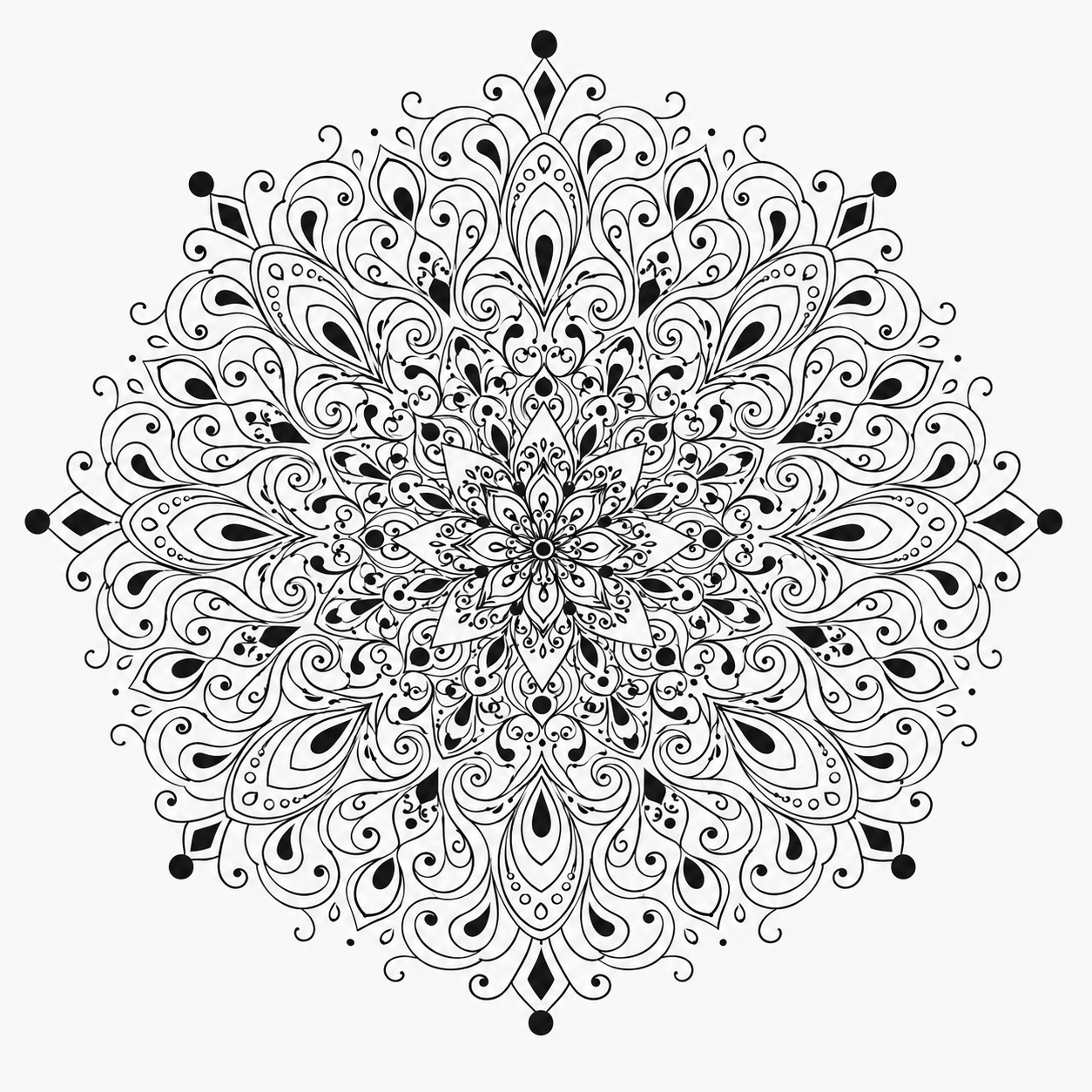
The process before and after gambling can be drawn as a path in a mandala: trigger, thought, emotion, action, consequence. Please don't draw the entire path as a dead end; try leaving a small opening in the middle where you can turn. That opening might be very small, like a delay, a departure, or a phone call. When you reach this point, gently remind yourself: the old path isn't the only path; as long as you see the intermediate steps, it's possible to rewrite it. That small opening can be very narrow, but it's enough for new actions to slowly grow.
● AI Dynamic Geometric Vision Focus and Emotion Regulation Engine ●
AI Dynamic Geometric Vision Focus and Emotion Regulation Engine · v7.0.0
Before we begin, I'd like to know how you feel right now.
There is no standard answer; just choose the one that best reflects how you feel right now.
The experience is over. Tell us how you feel now.
There is still no standard answer; just choose the one that best reflects how you feel right now.
#FF5252
After the fluorescent line crawling is completed and stopped, first select a color, then click on the closed area in the graphic to fill in the color.
AI Digital Mandala Static Focus EngineAZ Image Coloring · 60 Colors
AI Digital Mandala Interactive Focus Engine
A–Z Free Selection · Layered Lines · 60 Color Fills

○ Calligraphy and engraving therapy practice
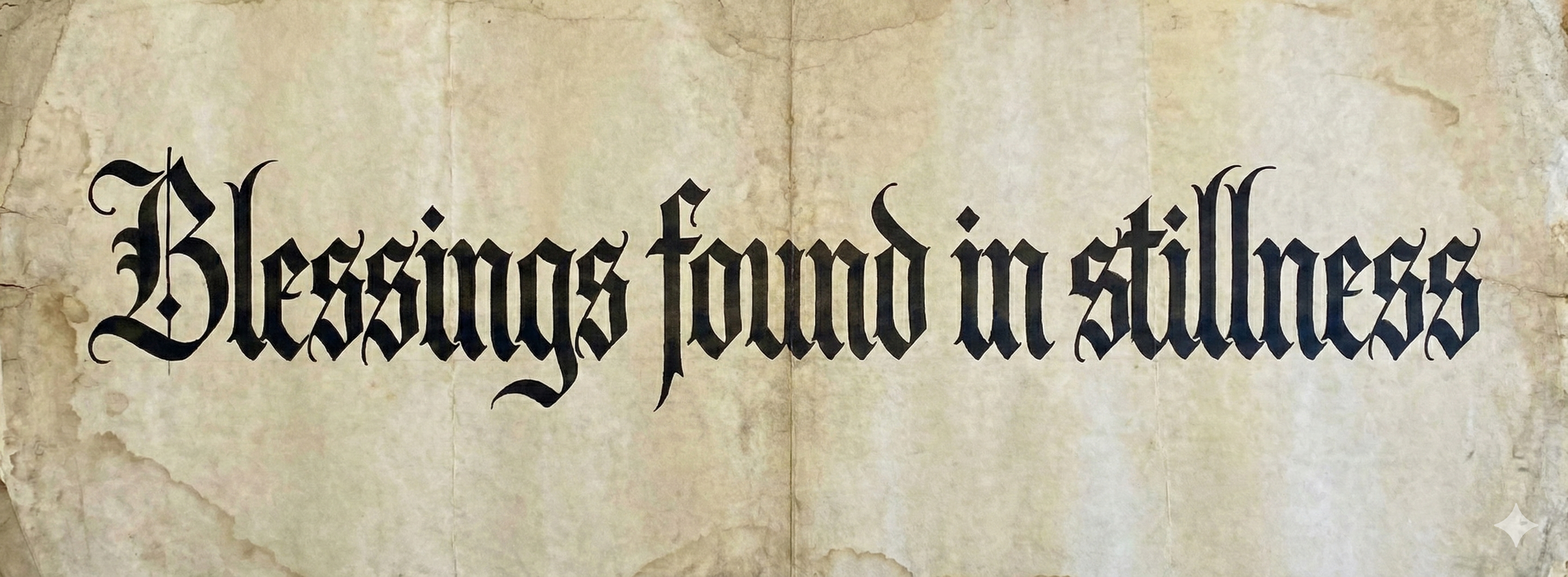
This exercise focuses on the "process" rather than the result. There are often subtle connections between triggers, thoughts, emotions, and behaviors. When writing, let the strokes move forward in segments, without rushing to connect them into a perfect whole. You will gradually realize that old reactions don't happen instantly. Just seeing the gaps in the middle can give you another opportunity to stop next time. Those gaps are small, but enough to allow you to see a safer approach next time.
○ Art Therapy Guidance
This lesson is suitable for drawing the connections between triggers, thoughts, and behaviors. The drawings don't need to be complex; just enough to show how they are linked. Certain colors can represent emotions, and certain lines can represent impulses. As you draw, you might gain a clearer understanding that before things truly spiral out of control, there are still moments when you can intervene. Even understanding just a small part of the process gives you another entry point to stop next time. Seeing the process opens up opportunities.
Please log in before submitting your drawings and feelings.

○ Diary Healing Suggestions
This lesson is suitable for writing a complete short record: what triggered the event, what thoughts flashed through your mind at the time, how strong were your emotions, and what you ultimately did. The more detailed the record, the more you can see that the behavior didn't happen out of thin air, but rather was a series of interconnected steps. Once you understand this chain, it's easier to find points where you can intervene early, so you don't always end up at the last step. After writing down this chain, think about which link is easiest for you to discover early. Even a little bit earlier can make a big difference in many outcomes. Just a small step ahead can make all the difference.
Please log in to use.
May you gradually return to a more stable, clear-headed, and gentler version of yourself through today's practice.