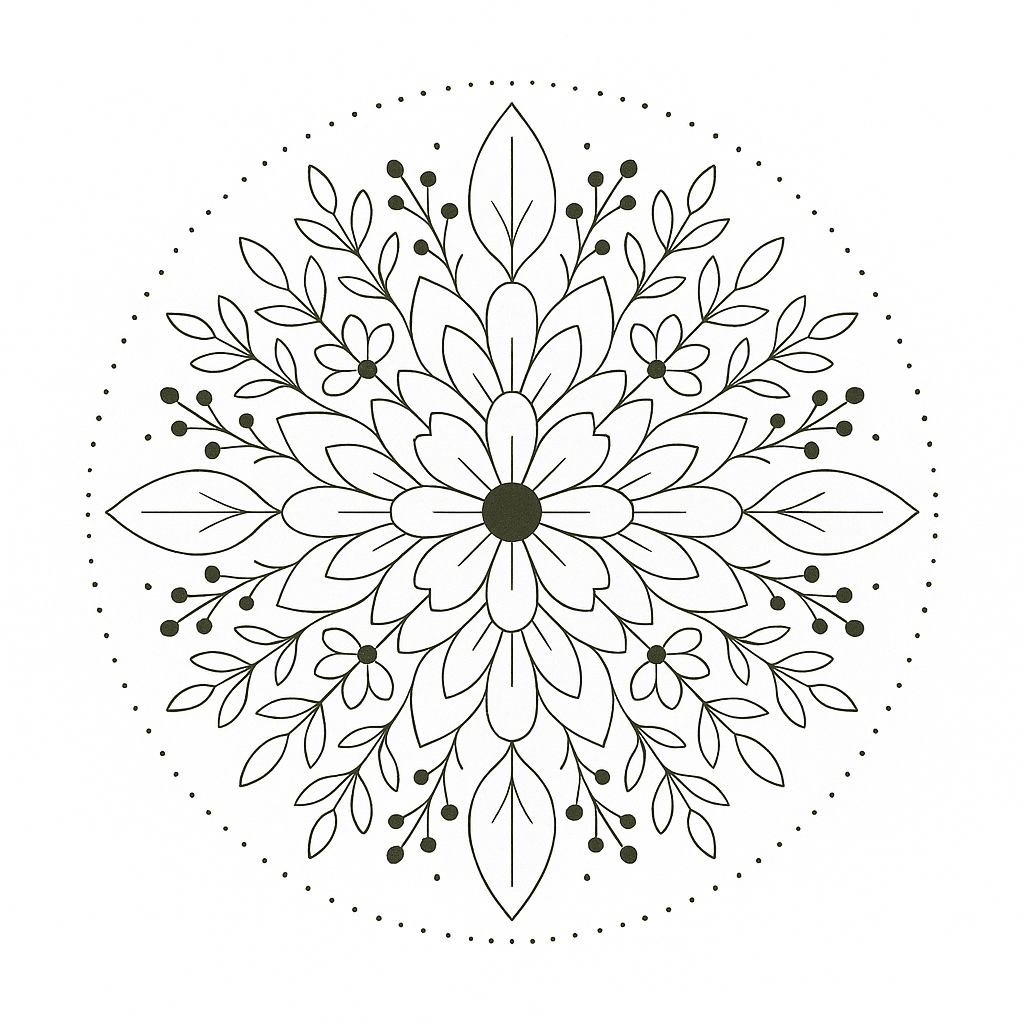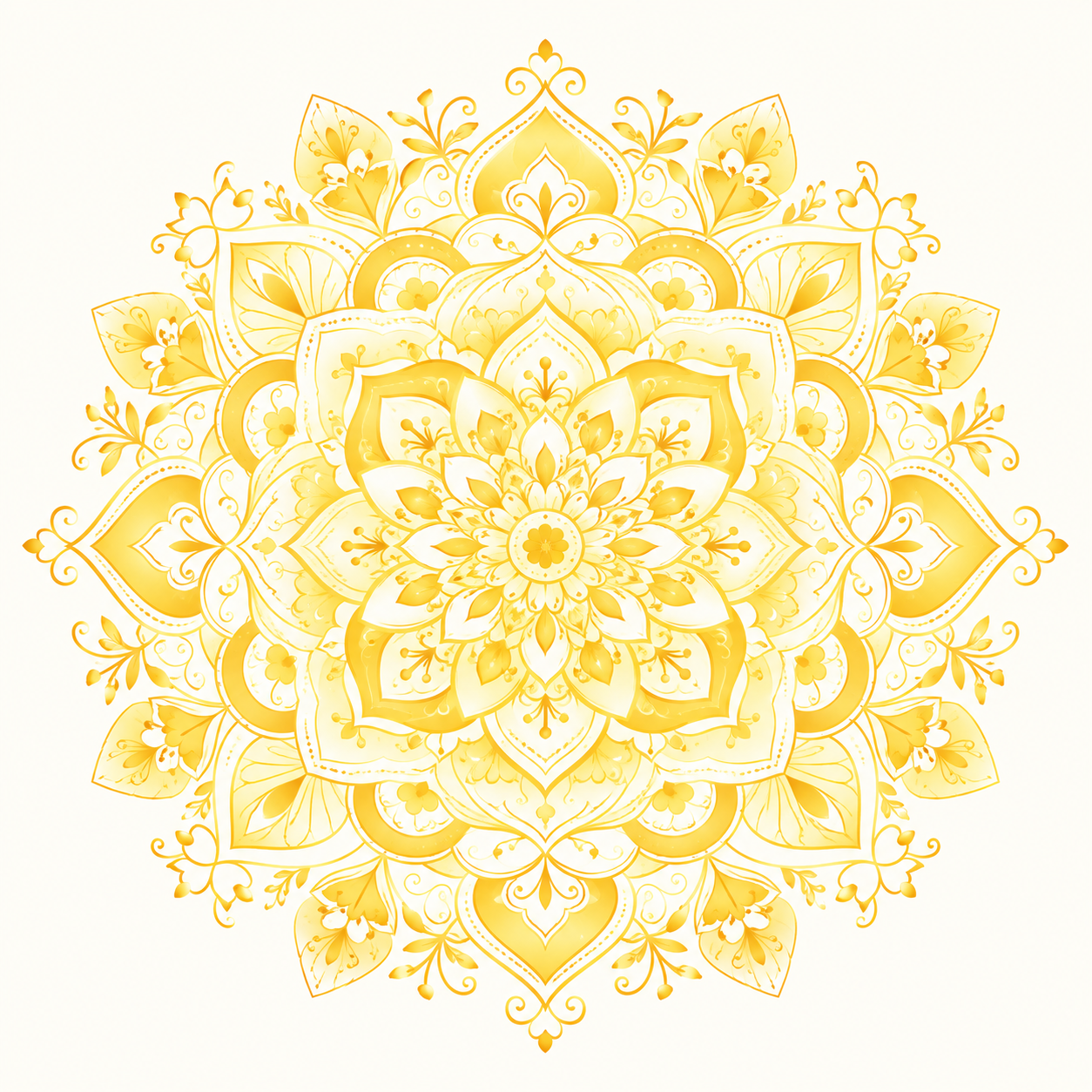
Traditional Mandala Course (Supplementary Course)
Lesson 33: Bipolar II Disorder – Alternating Hypomania and Depression. This page serves as a transition to traditional mandala viewing, writing, drawing, and journaling exercises. Practice should be conducted safely, steadily, and without excessive compulsion. If significant discomfort occurs, pause and return to breathing, drinking, or in-person support.
A. Introduction to Traditional Mandala Course Themes
Traditional mandala supplementary courses are not an extra burden, but rather a way to place "Bipolar II Disorder – Alternating Hypomania and Depression" within a quiet, supportive circle. Learning this subject allows you to see the changes in your emotions, body, relationships, and life rhythms through observation, writing, drawing, and journaling. You don't need to draw well, nor do you need to immediately understand all your feelings; simply be willing to stop and let the lines, colors, and breath accompany you back to yourself. This kind of practice is already very good.
B. Traditional Mandala Course Theme Audio
Traditional Mandala Theme Voice
Unit 33: Bipolar II Disorder – Alternating Hypomania and Depression Course
Click to view the read-aloud text
Some pain is hard to express verbally, but it can be gently seen first when drawn into a traditional mandala. The Bipolar II Disorder – Hypomania and Depression Alternating Course can begin with this kind of seeing. A common difficulty in this theme is that hypomania suddenly accelerates, while depression pulls you back down, often imperceptible to outsiders. There can be blank spaces in the image. Blank spaces don't mean you haven't done enough; they may represent that you need more time, or that there is still a place for rest within you. The direction of the practice is to distinguish between improvement and over-acceleration. Place a stable rhythm at the center, and use lines of varying speeds to represent energy changes on the outer circle; let both the bright light of hypomania and the dark light of depression appear, but don't make decisions for you. Once the energy changes are seen, it becomes easier to distinguish between recovery and over-acceleration. After the practice, record your sleep, impulses, and the number of tasks. After the practice, you can write down a minimum action—not too ambitious, just something you can actually do today. After the practice, you can write a sentence to yourself: I have seen a bit of reality, and I am willing to slowly nurture it. Feelings associated with the Bipolar II Disorder – Alternating Hypomania and Depression course may not be fully articulated at once. Allowing them to unfold in stages is safer than forcing yourself to understand immediately. You don't need to mold yourself into a standard answer; just be more honest, have more boundaries, and be more attentive to yourself. Gradually, the imagery will help you see details you usually overlook, such as physical tension, emotional withdrawal, or a deep-seated need to be understood. Take it at your own pace; getting as close as you can is enough. Take it at your own pace; getting as close as you can is enough. When the course content connects with your personal feelings, learning becomes more than just knowledge; it becomes a more practical form of support. Take it at your own pace; getting as close as you can is enough. Take it at your own pace; getting as close as you can is enough. Take it at your own pace; getting as close as you can is enough. Take it at your own pace; getting as close as you can is enough. Take it at your own pace; getting as close as you can is enough. Take it at your own pace; getting as close as you can is enough. Take it at your own pace; getting as close as you can is enough.

C. Traditional Mandala Music Healing Guidance
As the music begins, gently place the feelings associated with "Bipolar II Disorder – Alternating Hypomania and Depression" in your heart. There's no need to analyze or suppress them. Let the melody unfold like a slowly expanding mandala, opening outwards from the center, helping to stabilize your breathing and soften your body. If emotions arise, simply acknowledge them, then slowly return to the sound and the present moment.

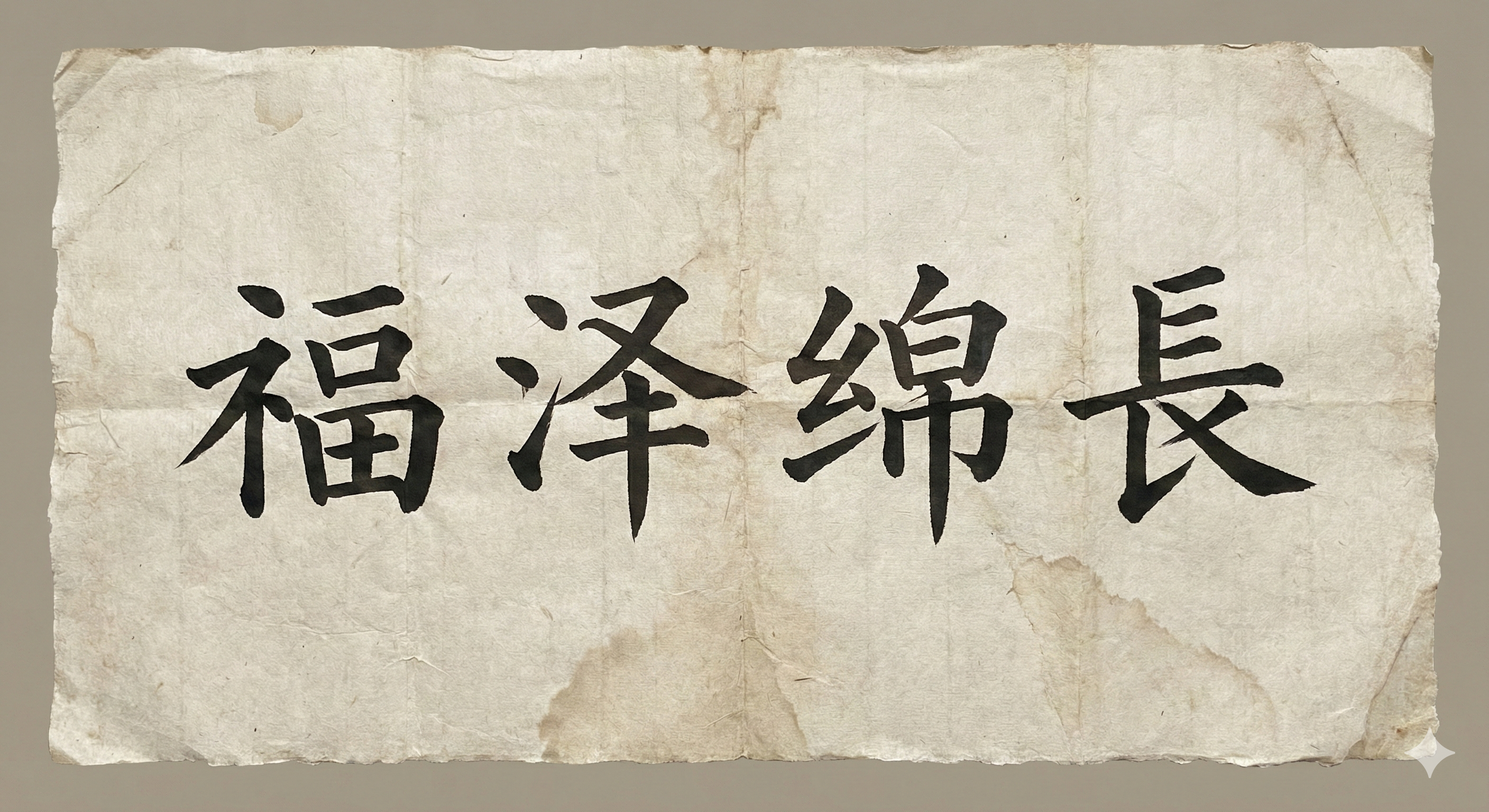
D. Calligraphy and Engraving Healing Practice Section
The purpose of calligraphy practice is not to produce standard answers, but to find a quiet outlet for the tension, hesitation, or confusion that arises during the alternation of hypomania and depression in Bipolar II disorder. Focus your attention on your hand, pen, paper, and breath, allowing each stroke and line to become a steady rhythm. There are no set rules; simply take care of yourself through the repetitive movements.

E. Traditional Mandala Painting Healing Guidance
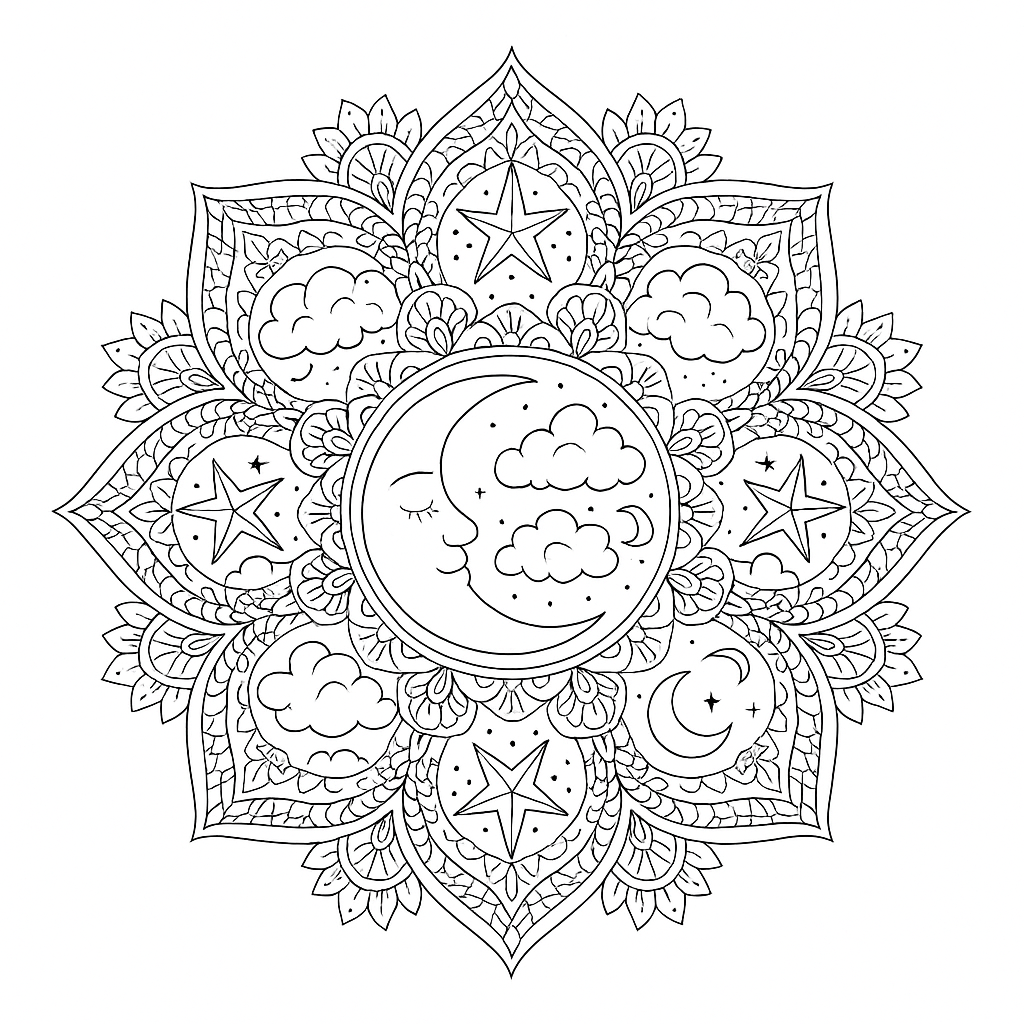
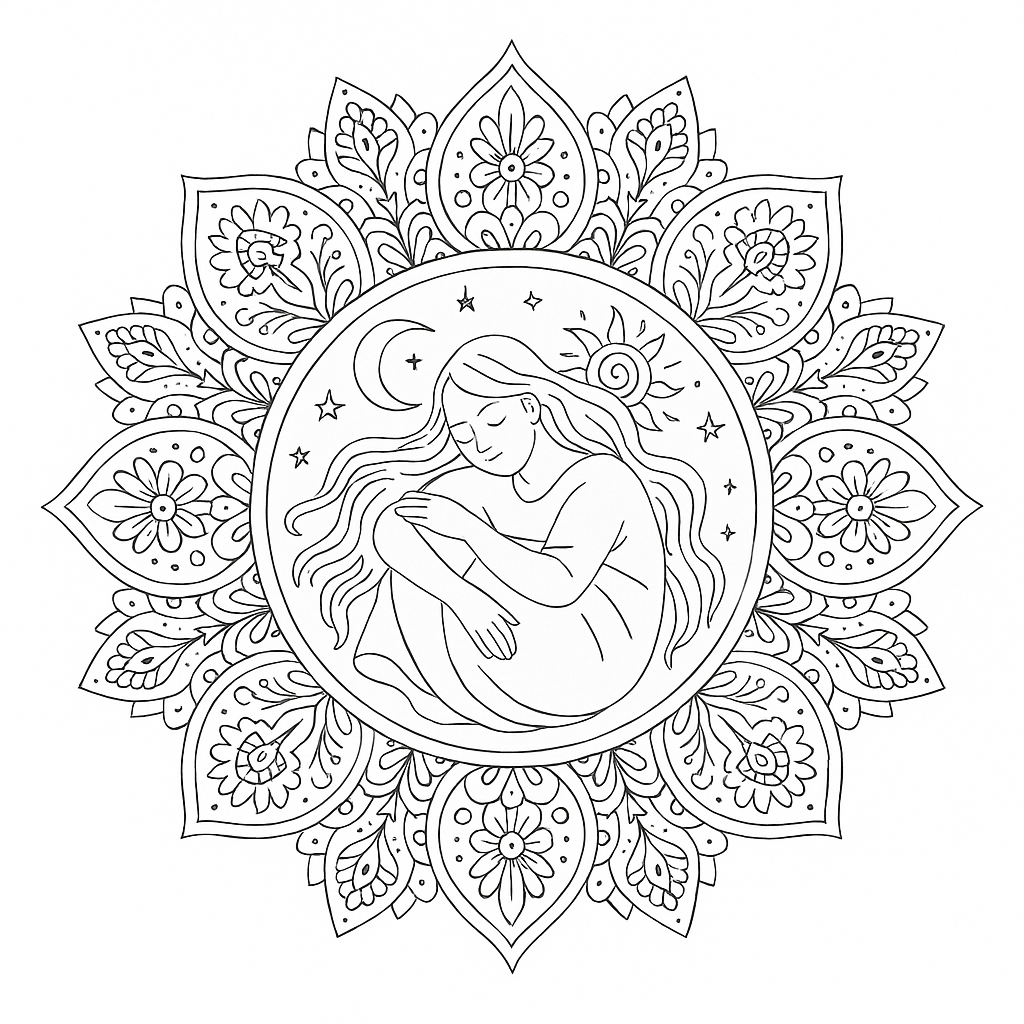
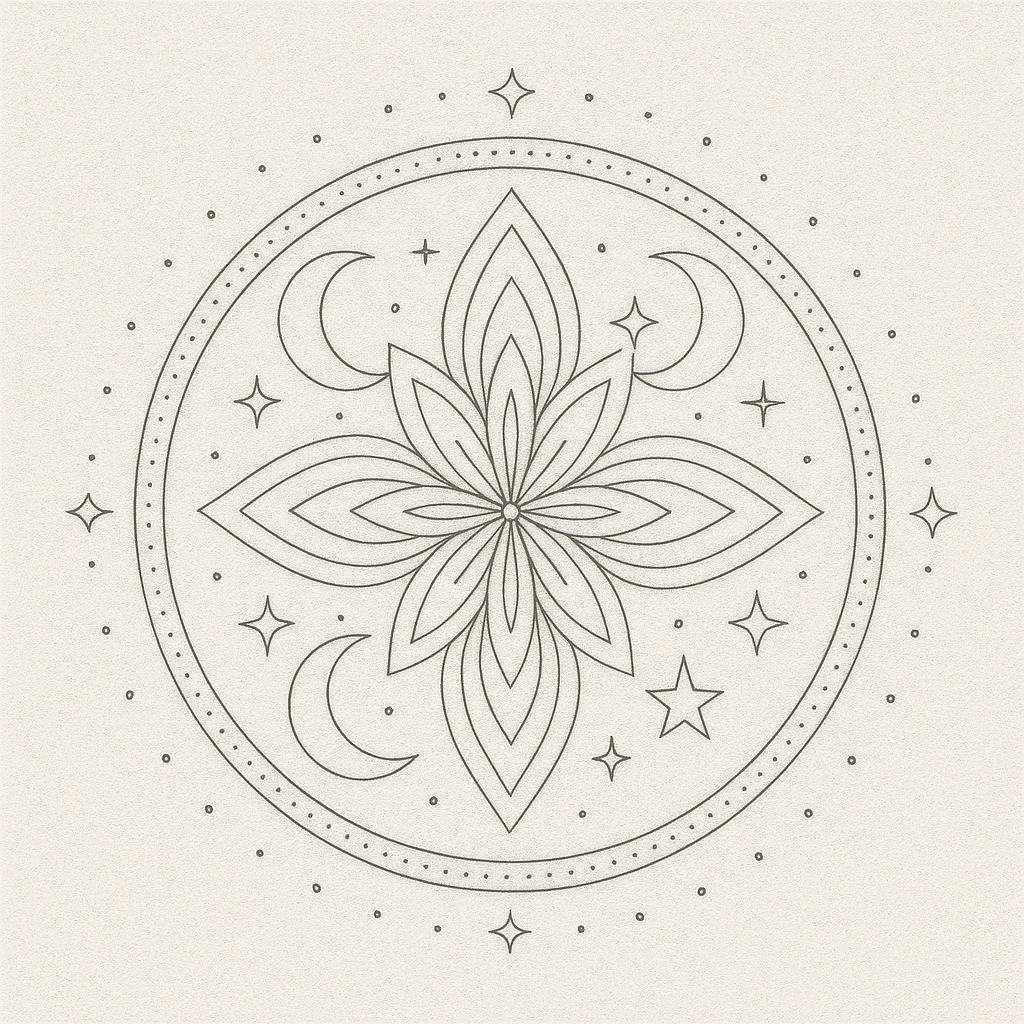
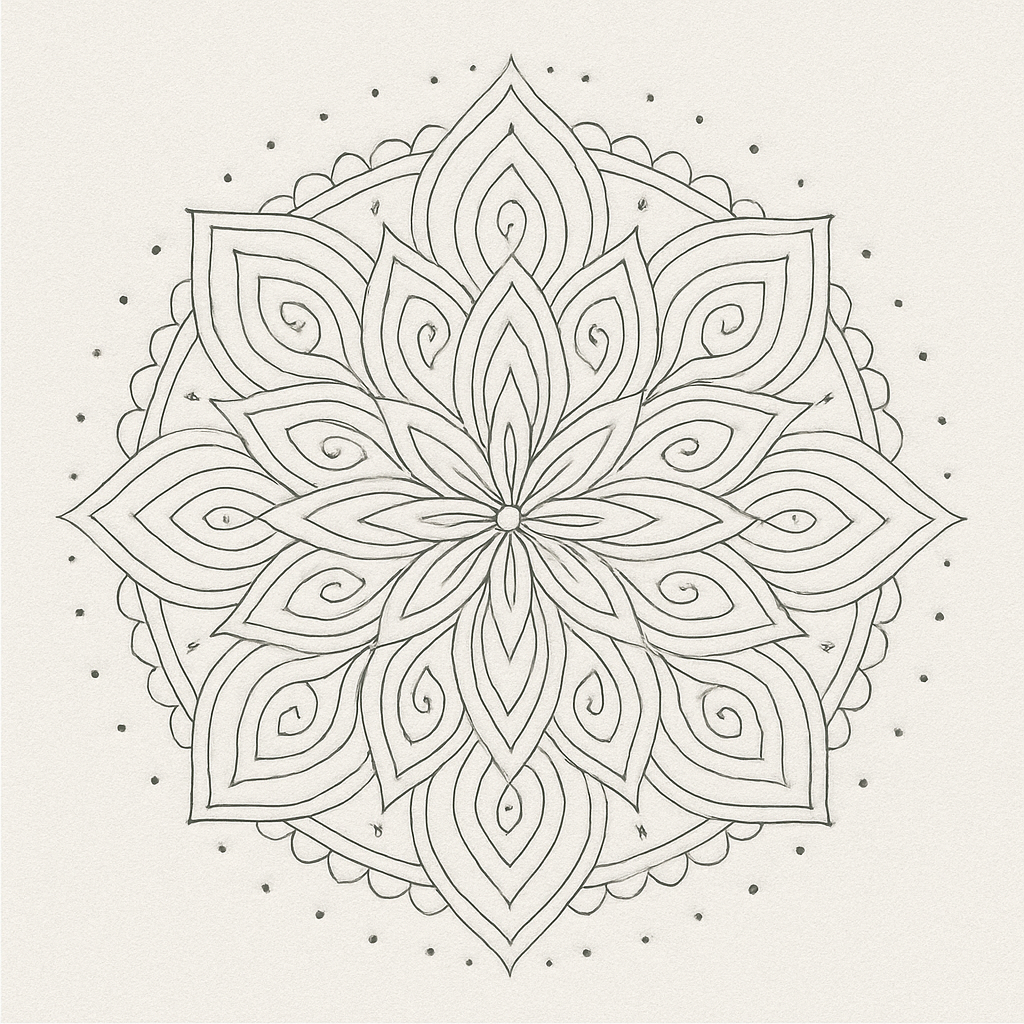
The following seven mandala drawing methods will each relate to the theme of this course. Each method maintains the same format of centered card, text, and buttons. You can practice them in order, or choose the one that suits you best for today.
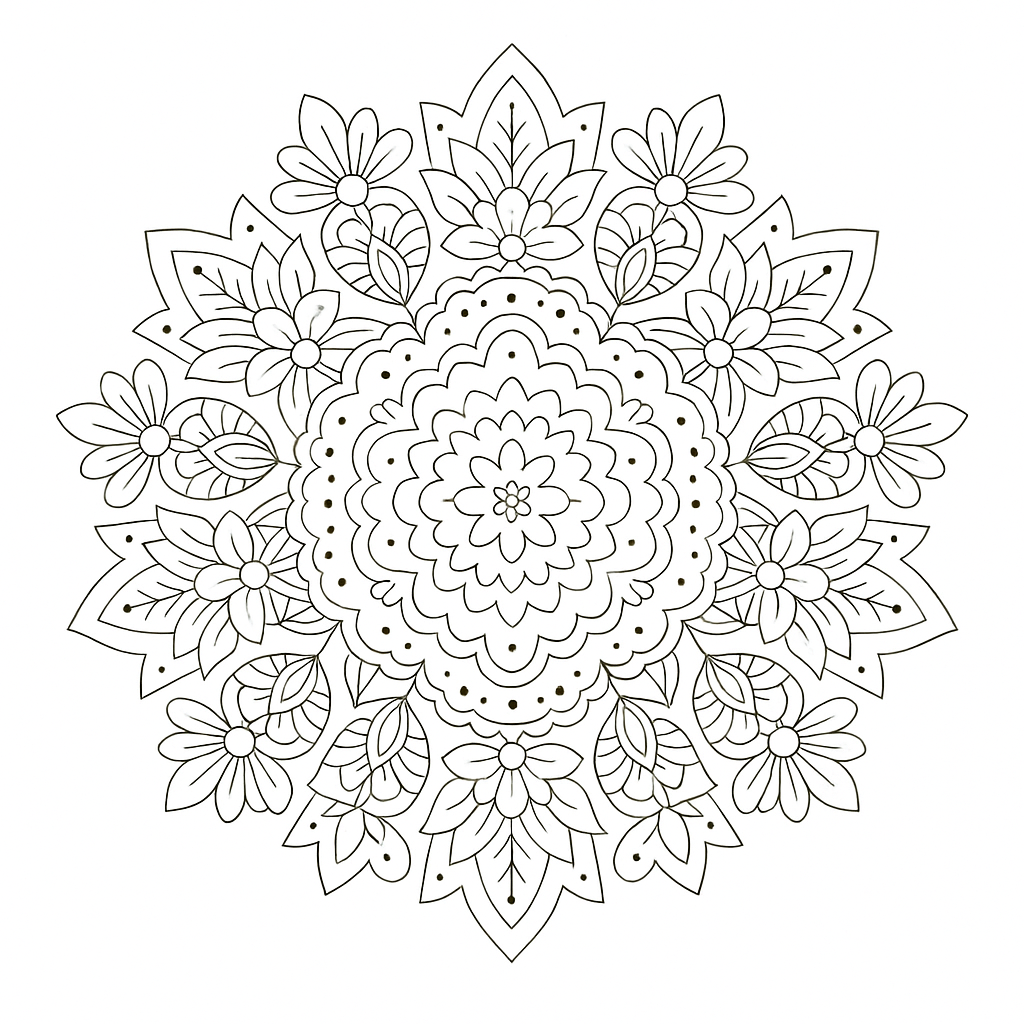
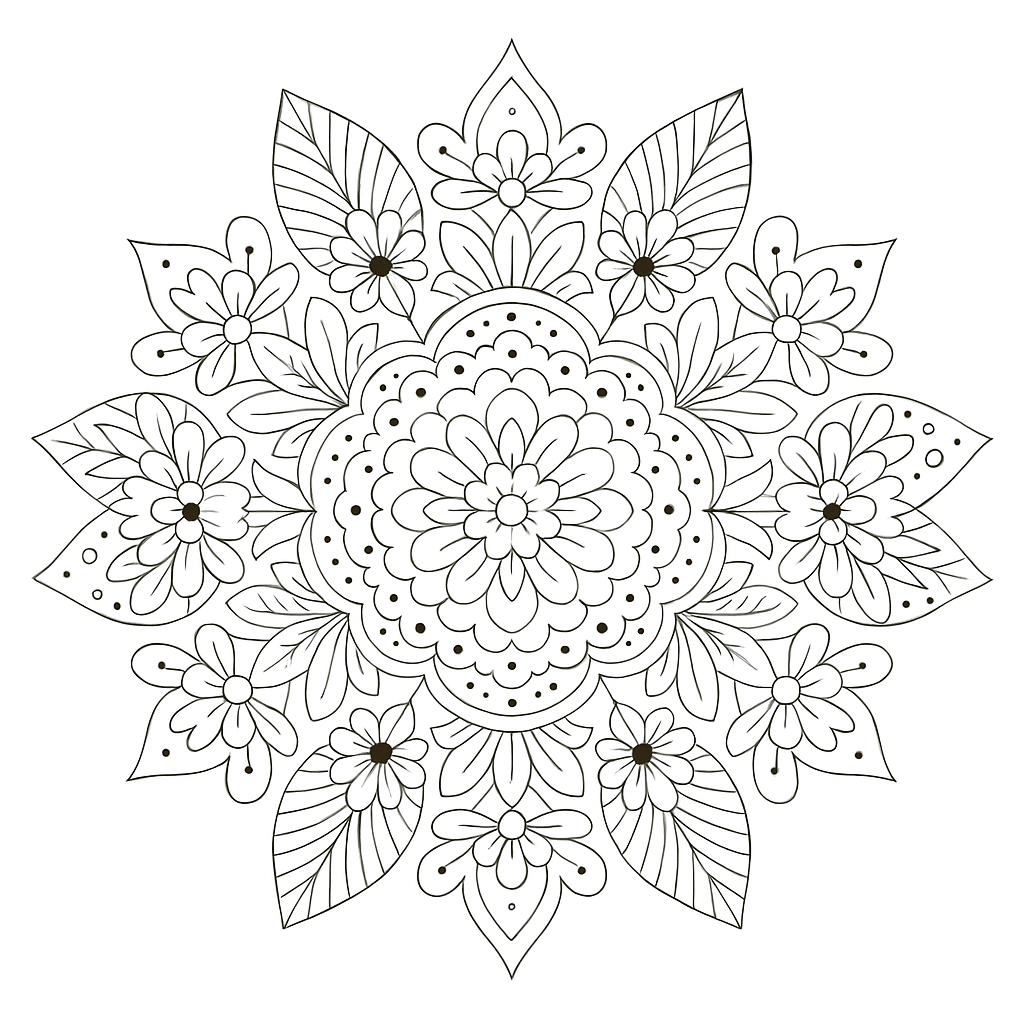
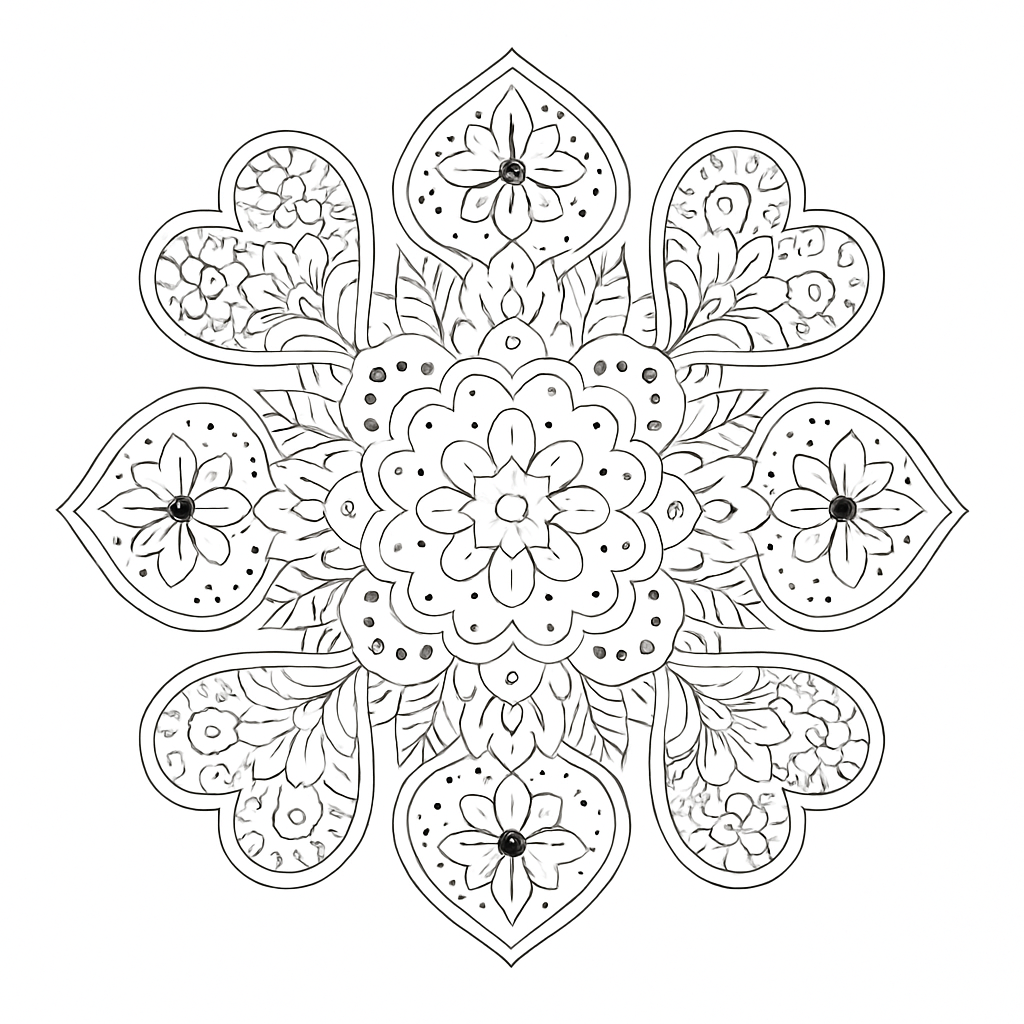
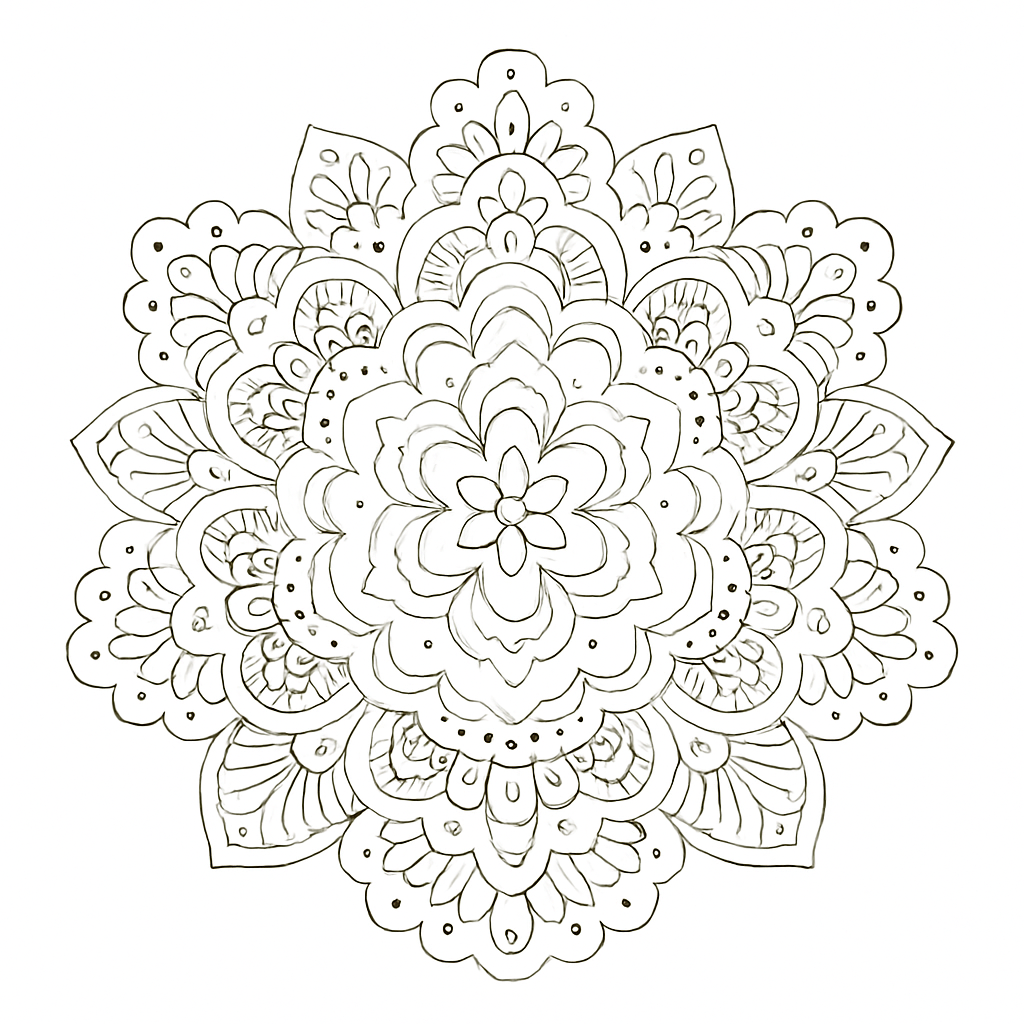
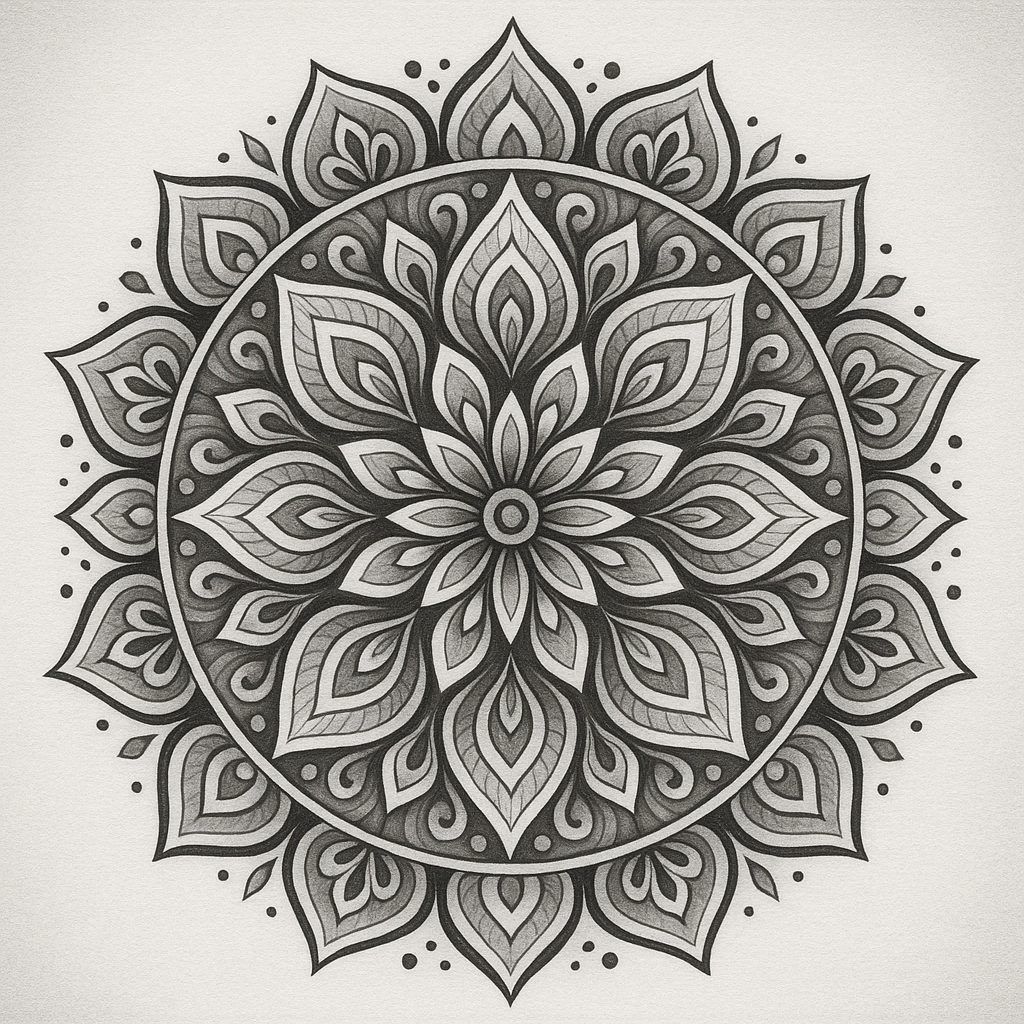
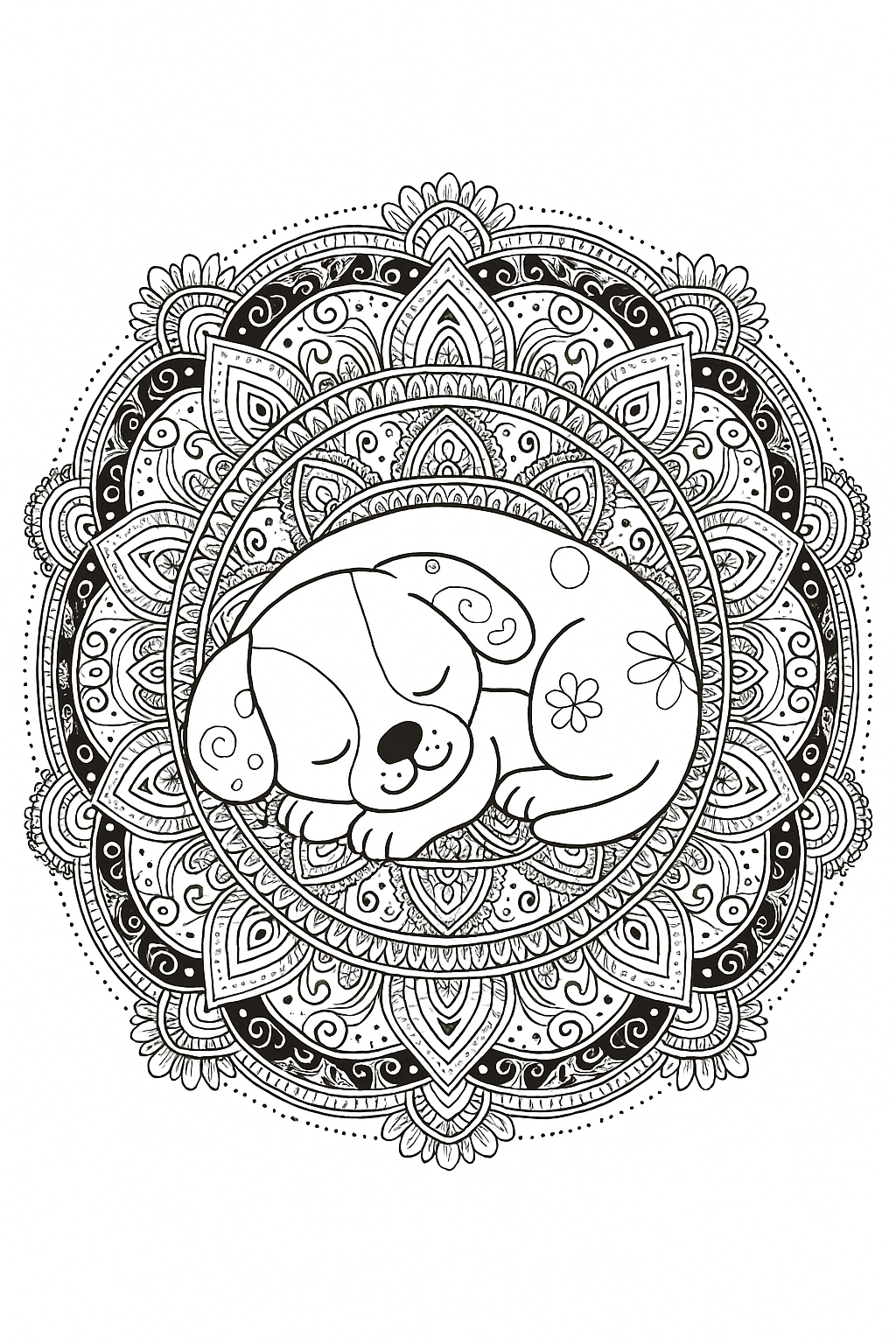
1. Traditional Mandala Painting Therapy
Traditional mandala drawing is a suitable entry point for managing bipolar II disorder – alternating periods of hypomania and depression. It begins with a central, circular, symmetrical, and repetitive pattern, allowing learners to establish clear boundaries before gradually returning their attention to the present moment. Complex techniques are not required, nor is the beauty of the image judged; it simply encourages you to unfold layer by layer along the lines. The center can symbolize the present self, while the outer circle can accommodate stress, worries, memories, or physical sensations. If feelings of agitation, blankness, or resistance arise during the drawing process, there's no need to address them immediately. Simply acknowledge them and move on to the next line or color. The significance of traditional mandalas is not to erase problems, but to provide temporary space for chaos within orderly circles, allowing one to regain a sense of resilience.