

Duration:75 minutes
Topic Introduction:This course will introduce the diagnostic criteria and assessment methods for cyclothymic disorder. Participants will learn how to make an accurate diagnosis based on clinical manifestations, assessment tools, and criteria, and master the assessment techniques for cyclothymic disorder.
◉ Video Explanation: Diagnosis and Assessment of Cyclothymic Disorder (10 minutes)
○ Diagnosis and assessment of cyclothymic disorder
- Diagnostic criteria:According to the Diagnostic and Statistical Manual of Mental Disorders, Fifth Edition (DSM-5), cyclothymic disorder requires prolonged mood swings, including mild depressive symptoms and hypomanic symptoms, that persist for more than two years.
- Assessment Tools:Structured interviews, mood scales, and psychological assessment tools were used to assess patients' mood swings and behavioral changes.
- Clinical manifestations:Patients usually show periodic mood swings, with hypomania and mild depression alternating, and their emotions are relatively stable during the intervals between symptoms.
▲ AI Interaction: How to diagnose and evaluate cyclothymic disorder
The assessment process is like tuning your tune, restoring your mental melody. It can also help you communicate better with professionals.
Please write down the frequency and intensity of your emotional ups and downs in the past three months and try to draw an "emotional curve".
In terms of study, work, interpersonal relationships and life, record the impact of emotional fluctuations and write down specific examples.
If excessive risk arises, having emergency contacts and safety plans prepared will make you feel more secure.
Conclusion: Assessment is not a label, but the first step to start support.
Click the button below to join AI in exploring how to use standardized tools and interview techniques to diagnose cyclothymic disorder and learn how to assess a patient's mood swings.
○ Diagnosis and Assessment of Cyclothymic Disorder· Music Therapy
Evaluation is like tuning, helping you put the melody back into place. It allows you to hear yourself more clearly and play with professionals.
Please play a soft piano piece to record the emotional ups and downs of the past three months, just like recording the changes in a melody.
Write down its impact on your study, work, and interpersonal relationships, just like marking different sections of a piece of music.
Music makes the assessment process less stressful and more companionable.
Write down three questions you want to ask your doctor and let Melody remind you: communication is the first step to resonance.
🍵 Lapsang Souchong
Recommended reasons:Lapsang Souchong, a traditional black tea from Wuyi Mountain, is renowned for its distinctive smoky aroma. Its tea is bright red and rich, with a subtle wood smoke aroma. Rich in antioxidants, Lapsang Souchong can help detoxify the body, improve digestion, and relieve stress and anxiety.
usage:Take 1 teaspoon of Lapsang Souchong tea and steep it in 90°C hot water for 4-5 minutes. Add a small amount of sugar or milk to taste. This is a great morning drink to boost energy and improve mood.
Black Bean Vegetable Soup
This combination of plant protein and soluble fiber, along with a variety of phytochemicals and minerals, provides satiety, antioxidants, and a metabolic benefit. With a refreshing and lightweight flavor, it's perfect for a light evening or daily, gentle nourishment during recovery.
Healing Recipes
/home2/lzxwhemy/public_html/arttao_org/wp-content/uploads/cookbook/hei-dou-shu-cai-tang.html(Please confirm that hei-dou-shu-cai-tang.html has been uploaded)🎨 Psychological Mandala
Psychological mandalas are typically personalized mandalas designed by therapists based on the patient's psychological state. These mandalas are closely related to the individual's inner conflicts, needs, and emotional state, and are designed to help resolve specific psychological issues through purposeful creation. Applicable psychological problems:- Post-traumatic stress disorder: Through the guidance of therapists, individuals are helped to focus on inner peace and stability.
- Anxiety disorders: Through the selection of colors and forms, help patients gradually free themselves from negative emotions.
- depression:
- Emotional repression: Release long-suppressed emotions through the drawing of mandalas.
○ Chinese calligraphy – Running script
Running script lies somewhere between regular script and cursive script, boasting a fluid and dynamic structure, with continuous yet measured strokes. Its natural and unrestrained strokes, alternating between fast and slow, convey the writer's emotions and are well-suited for expressing inner thoughts. Practicing running script cultivates an inner sense of rhythm and emotional balance, helping the writer find peace of mind amidst the fluidity of the brushstrokes.
- Written words:
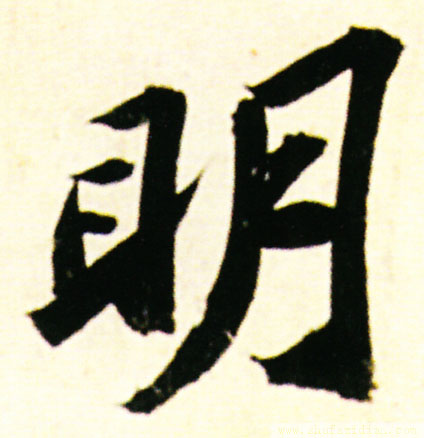
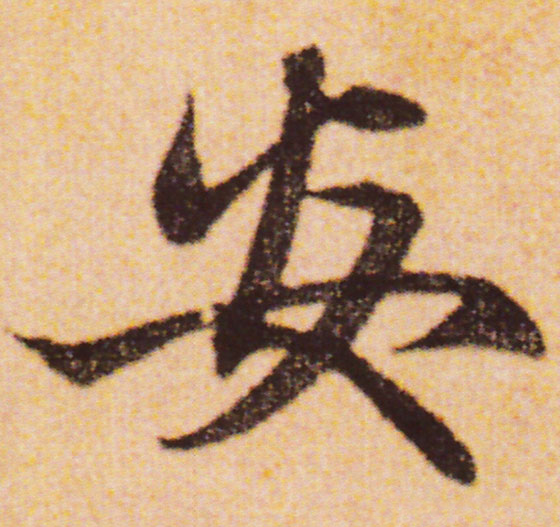
- Observe the heart and deal with it calmly
- Discern the Mind's Patterns Clearly, Respond with Calm Acceptance
- Writing Tips:
- Practicing running script can help strengthen a sense of inner stability when facing diagnosis and assessment. When writing the phrase "明察心迹·安然處之," the brushstrokes should be soft and smooth, strengthening the ability to observe and respond calmly.






○ Diagnosis and Assessment of Cyclothymic Disorder: Guidance and Suggestions for Painting Therapy
This course uses drawing therapy to help participants visualize the key points of cyclothymic disorder diagnosis and assessment. Documenting mood changes, symptom intensity, and life impacts through drawing not only aids self-understanding but also provides reference material when communicating with professionals.
1. Mood Swing Calendar
- Create a monthly calendar and color-code your mood each day: red = high, blue = low, green = relatively stable.
- Continue observing for 1-2 months to form a "mood fluctuation color map".
- Write the reminder at the bottom of the calendar: "Long-term recurrence = diagnostic clue."
Symptom Intensity Scale
- Draw a scale of 0–10: 0 = stable, 10 = most volatile.
- Make a dot on the scale each day and write down the "hypomanic" or "hypodepressive" trait.
- Connect with lines to form a "fluctuation trend chart".
3. Impact of functional impairment on the environment
- Draw a circle and divide it into four parts: study/work, interpersonal relationships, regular life, and emotional stability.
- Rate each area on a scale of 0–10 and write down any difficulties you may have in the low-scoring areas.
- Write the reminder outside the loop: "Impaired Function is the focus of the assessment."
4. Review and Summary (three lines)
Please write in the blank space on your drawing:
- One recurring pattern I’ve observed in my “emotional calendar” is: ______
- On the "Scale", my recent average score is: ______
- In the Impact Circle, the area I most want to improve is: ______
Tip: While art therapy can aid observation and expression, the diagnosis and assessment of cyclothymic disorder still requires professional expertise. If you experience frequent mood swings or functional impairment, please consult a psychologist or medical professional promptly.
Please log in before submitting your drawings and feelings.
○ 192. Diagnosis and Assessment of Cyclothymic Disorder · Journal Guidance Suggestions
① Recording period: Mark the frequency and intensity of your emotional ups and downs in the past three months.
② Functional impact: Write down the degree of impact on study, work, interpersonal relationships, and finances.
③ Risk screening: If you experience extreme emotions or safety concerns, write down someone you can contact immediately.
④ Medical goals: List three questions you would like to ask the professional.
⑤ Follow-up to the consultation: Write down a small self-care plan, such as resting, drinking water, and recording your feelings.
⑥ Conclusion: Assessment is not a label, but the first step to building support.
Please log in to use.
Through this course, you will be able to better understand the diagnosis and assessment of cyclothymic disorder, and learn how to regulate emotions through Eastern healing methods such as tea drinking, diet therapy, and calligraphy, helping yourself and others better manage emotional fluctuations.