

◉ Video explanation: Traditional Mandala (10 minutes)
▲ AI Interaction: Please describe the "order" and "center" in your mind at this moment
Click the button below to talk to the AI and awaken the mandala images and symbols within you.
🎵 Lesson 258: Audio Playback
Music is an invisible river that flows quietly carrying emotions.
2. Functions of Traditional Mandalas
- The Construction of Sacred Space: Mandalas are used in rituals to symbolize the core of the universe and the spatial organization of the Pure Land.
- Guided meditation tools: Complex geometric shapes and the combination of squares and circles can help practitioners focus their attention.
- Forms of artistic practice: By drawing a mandala, one practices patience, introspection, and awareness within a symmetrical order.
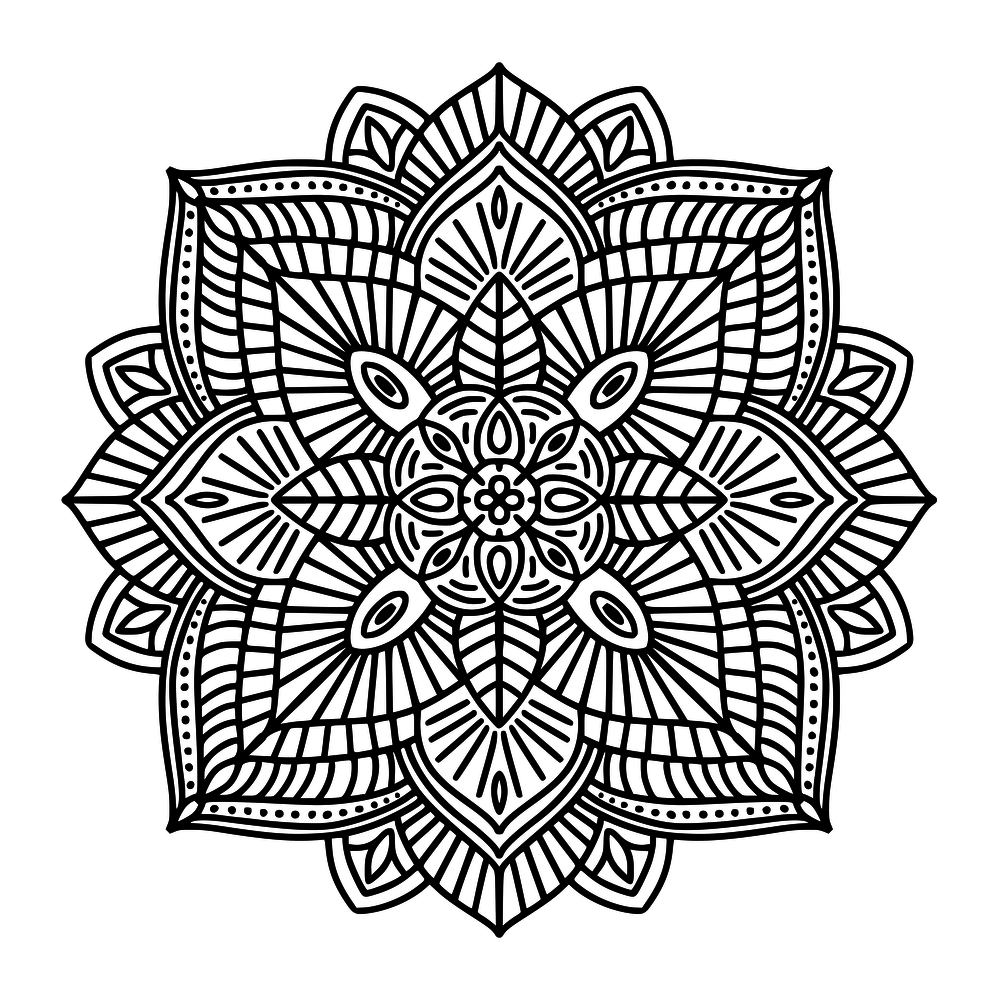

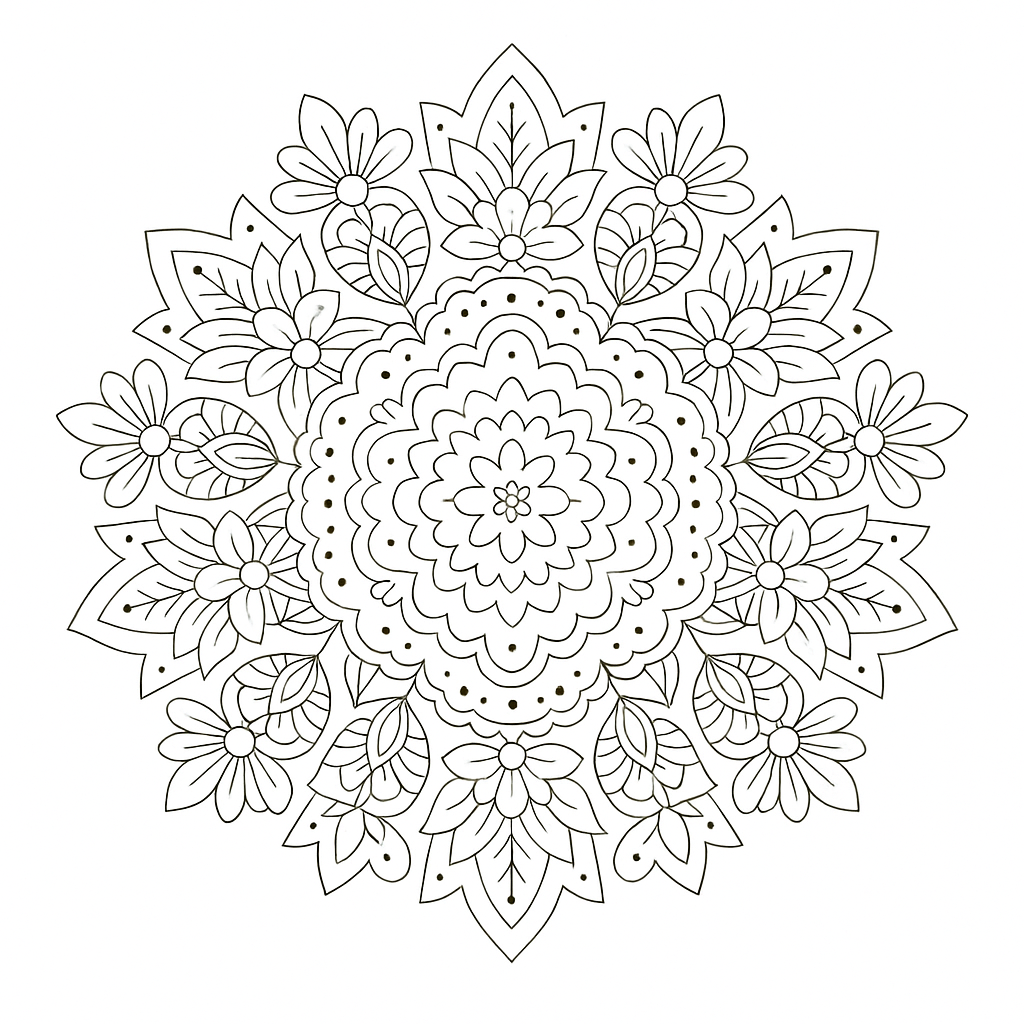
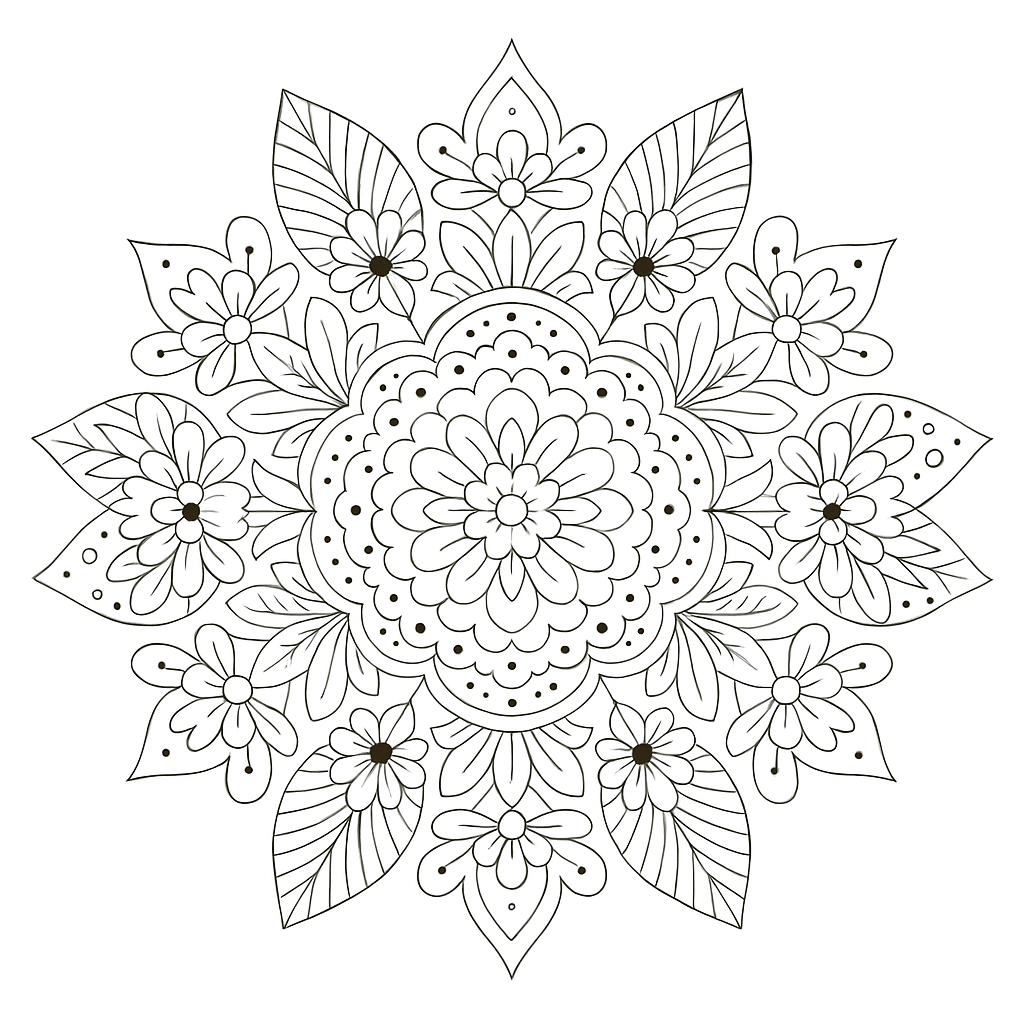
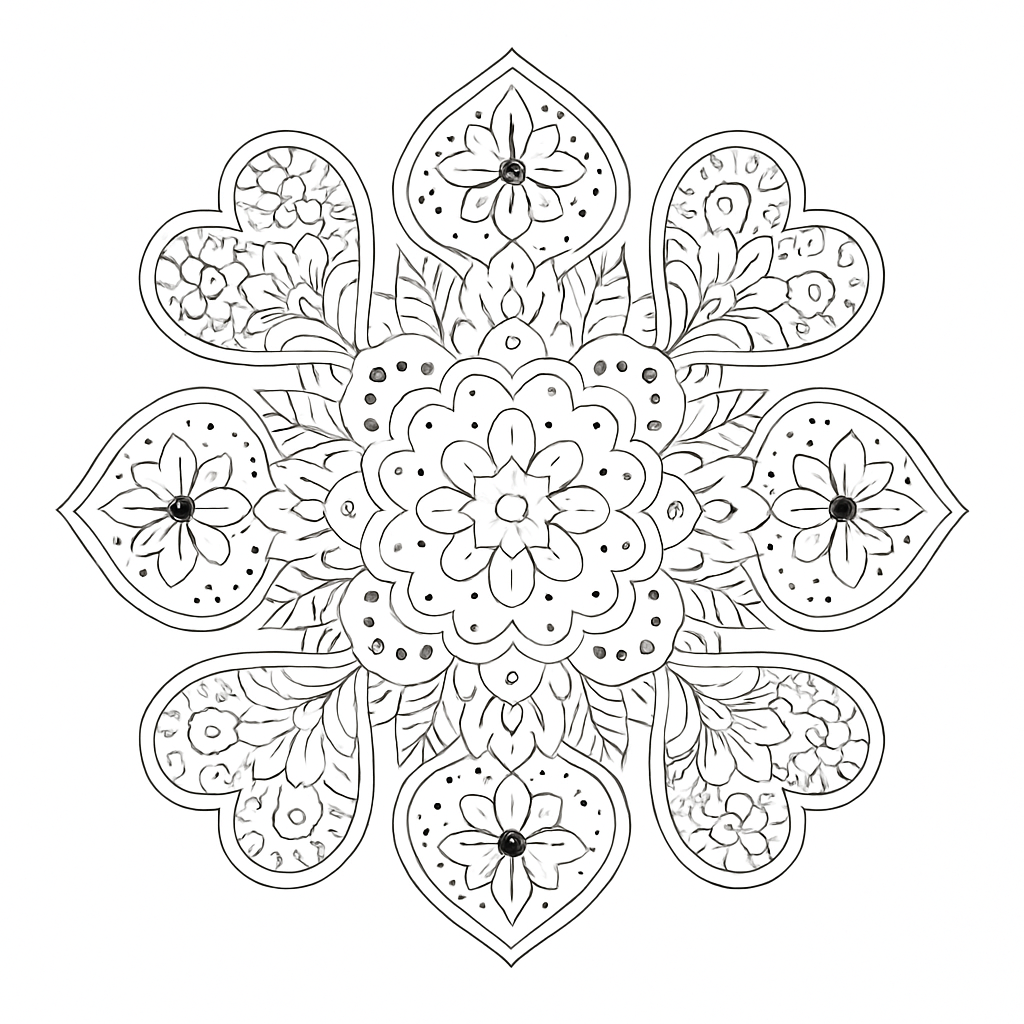
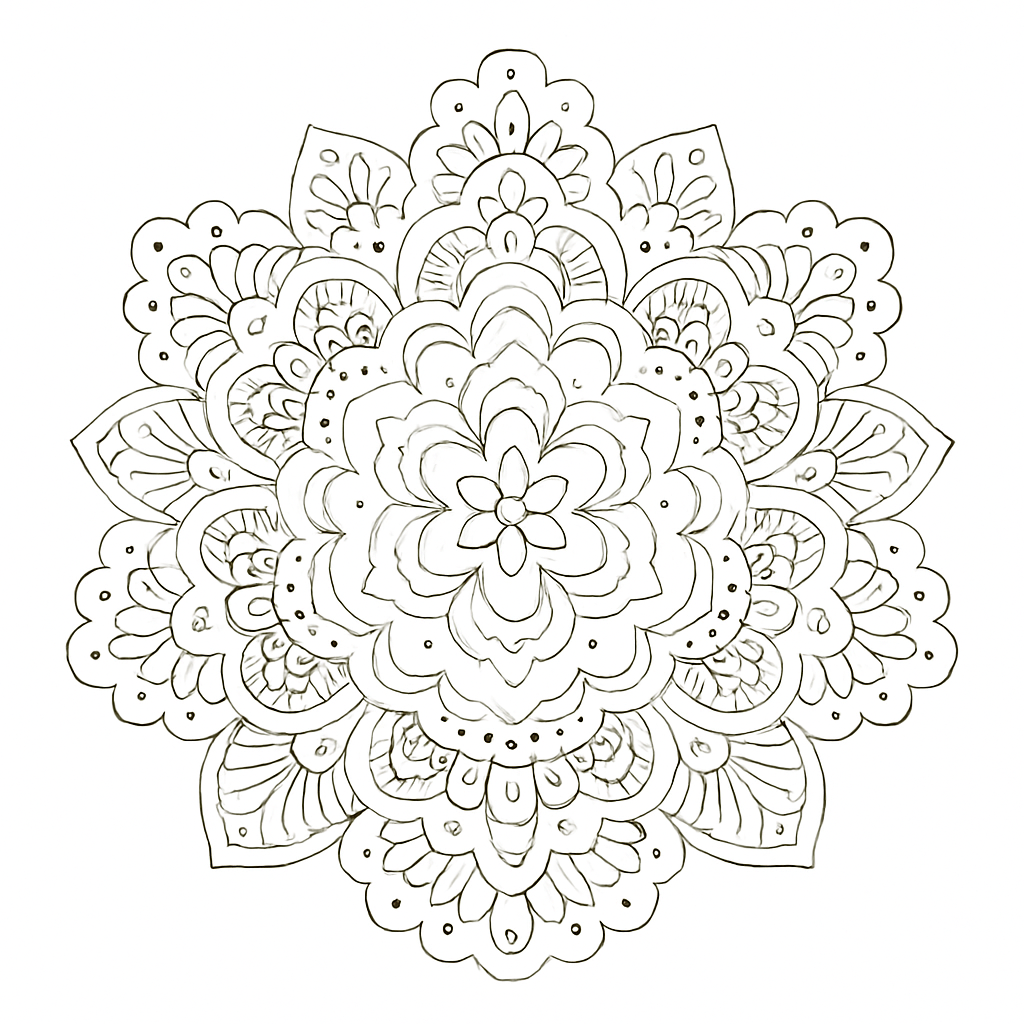
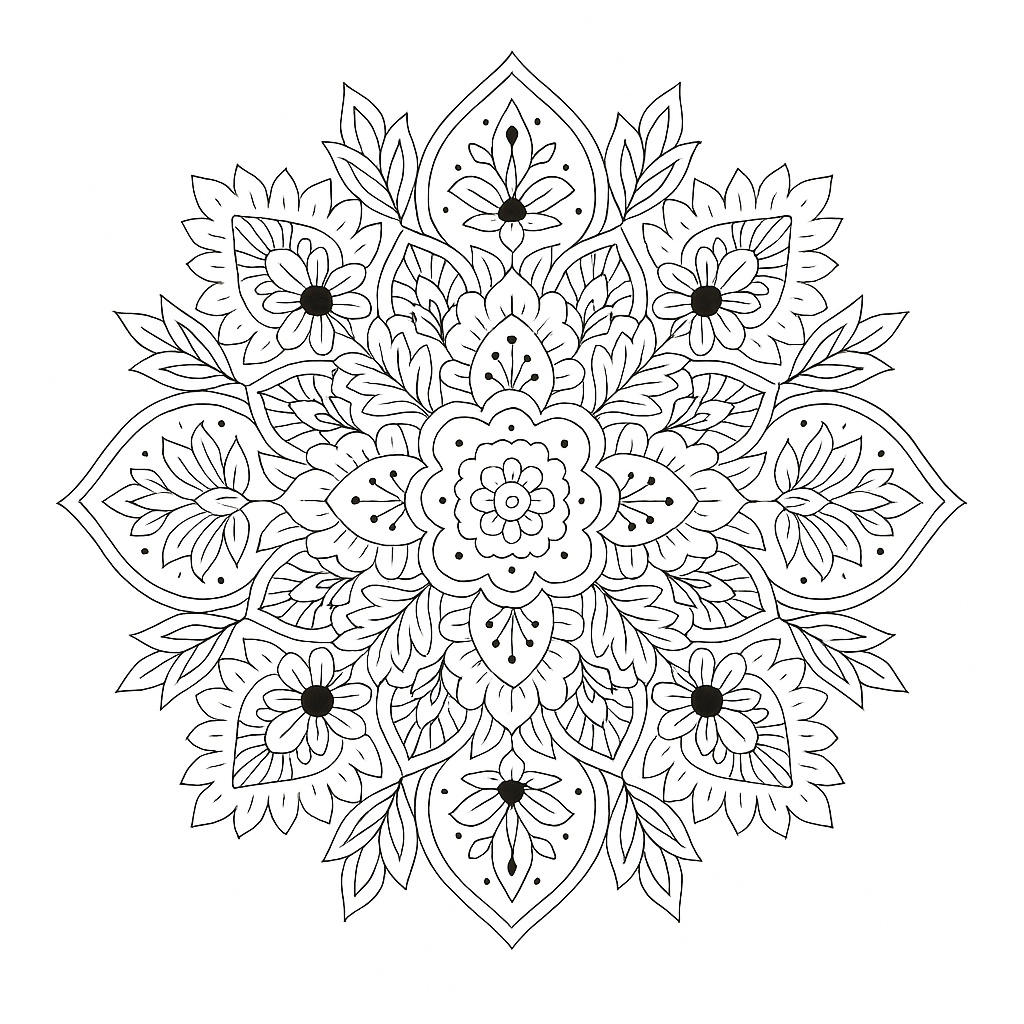
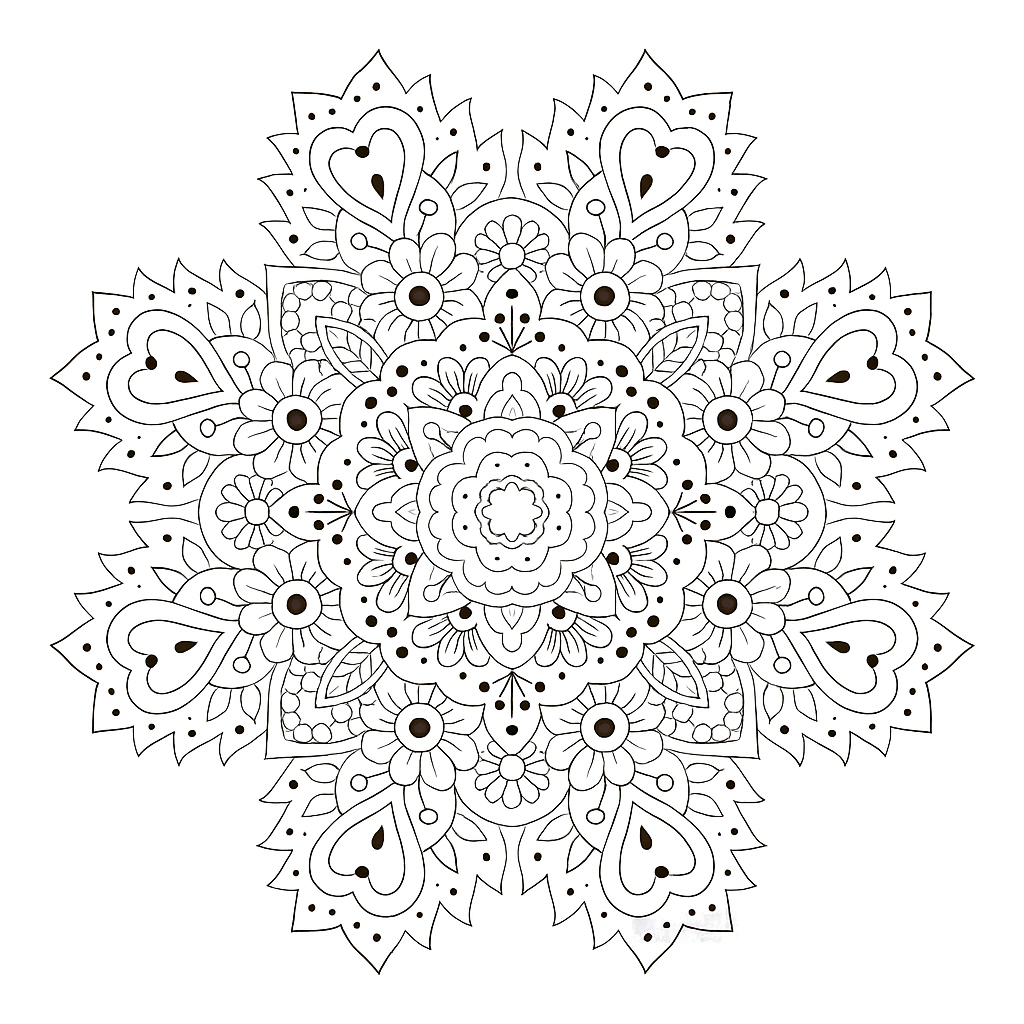
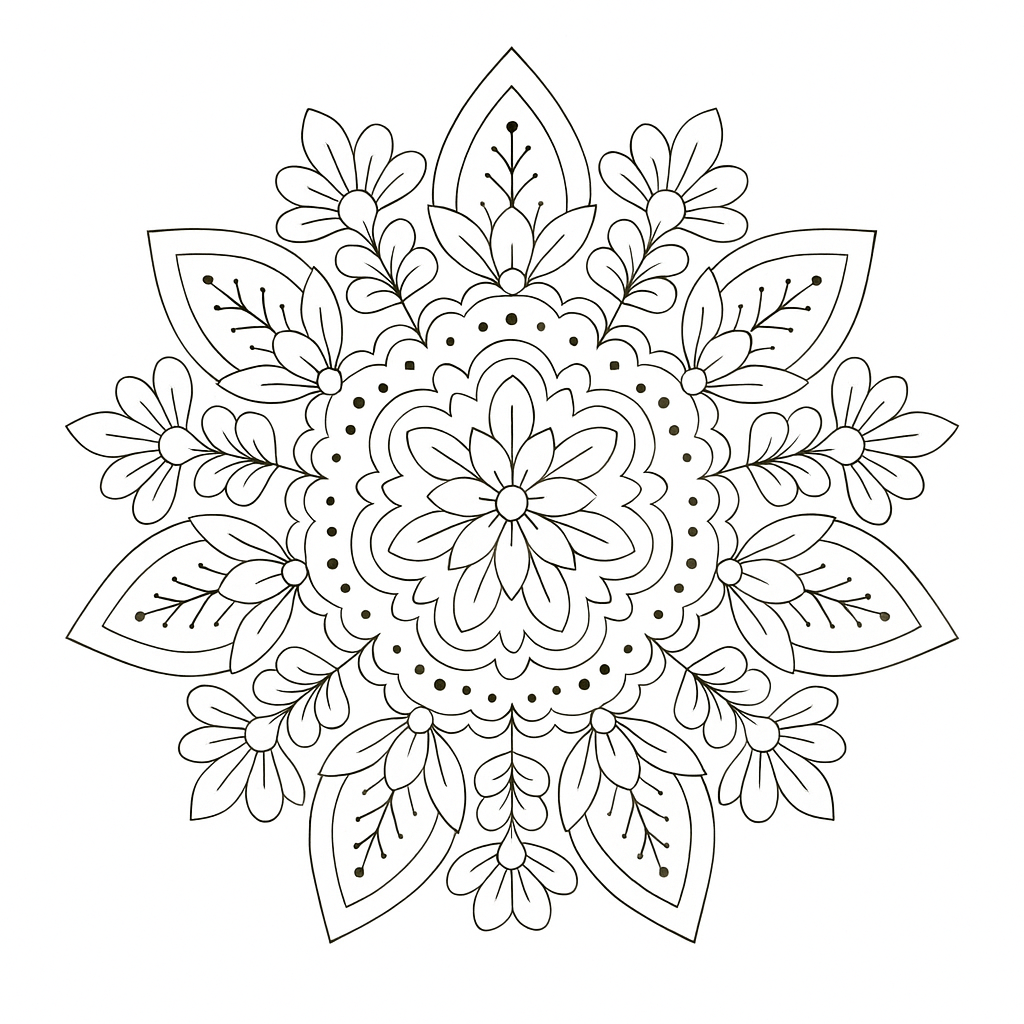
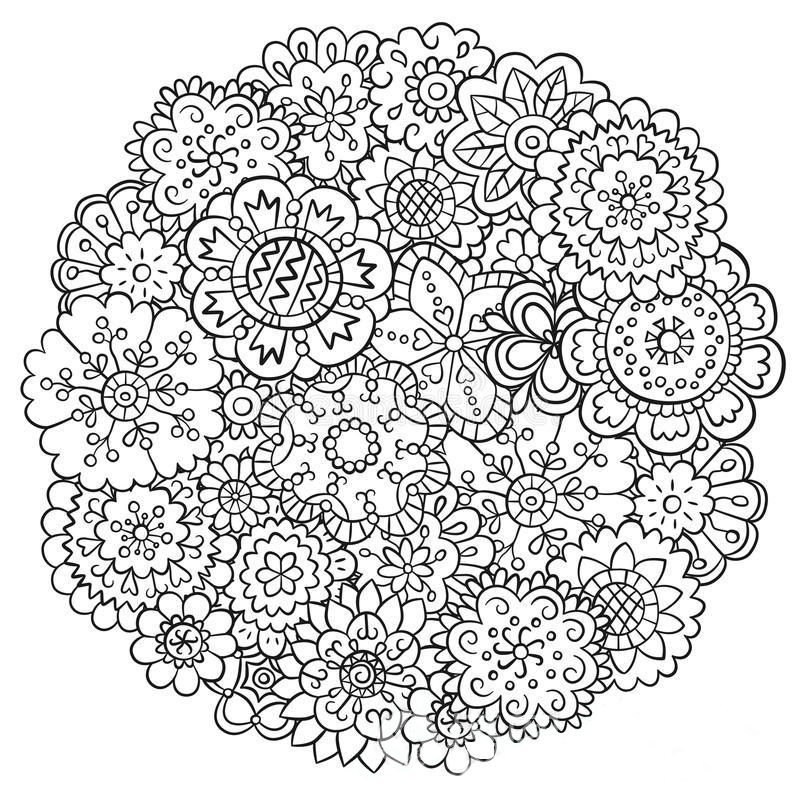

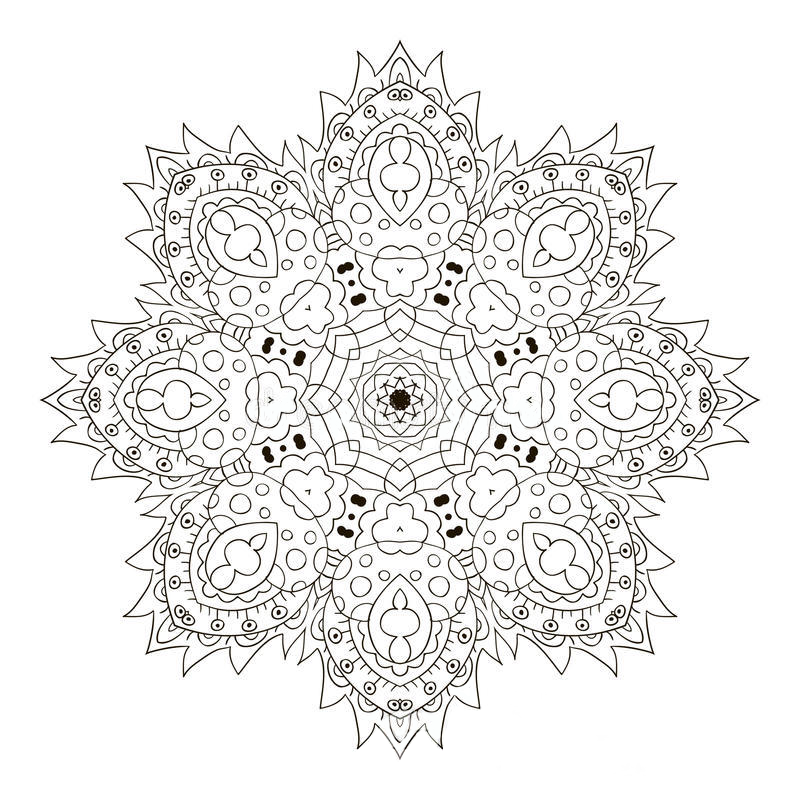
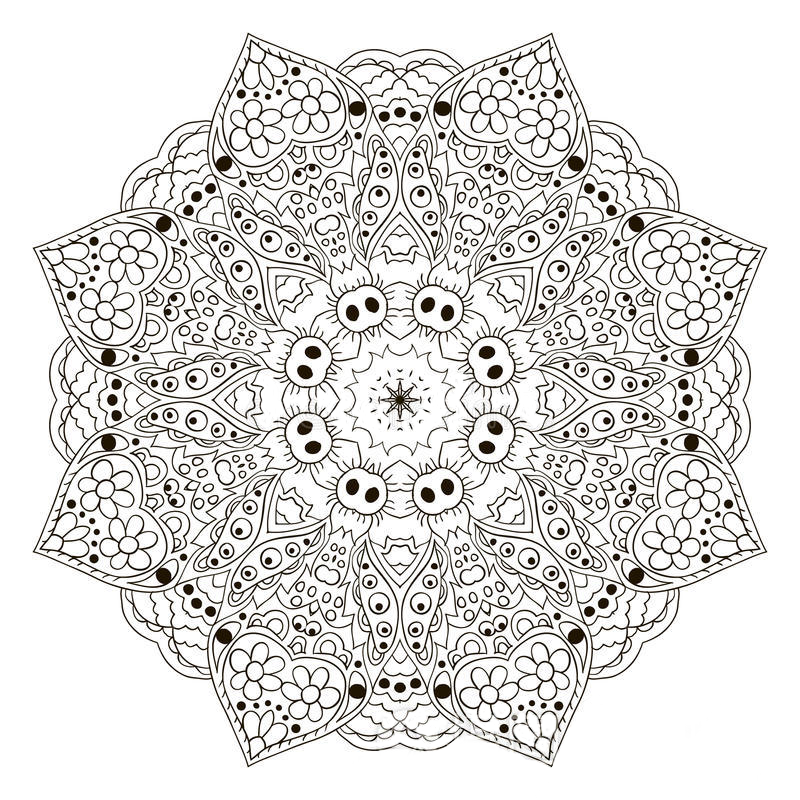
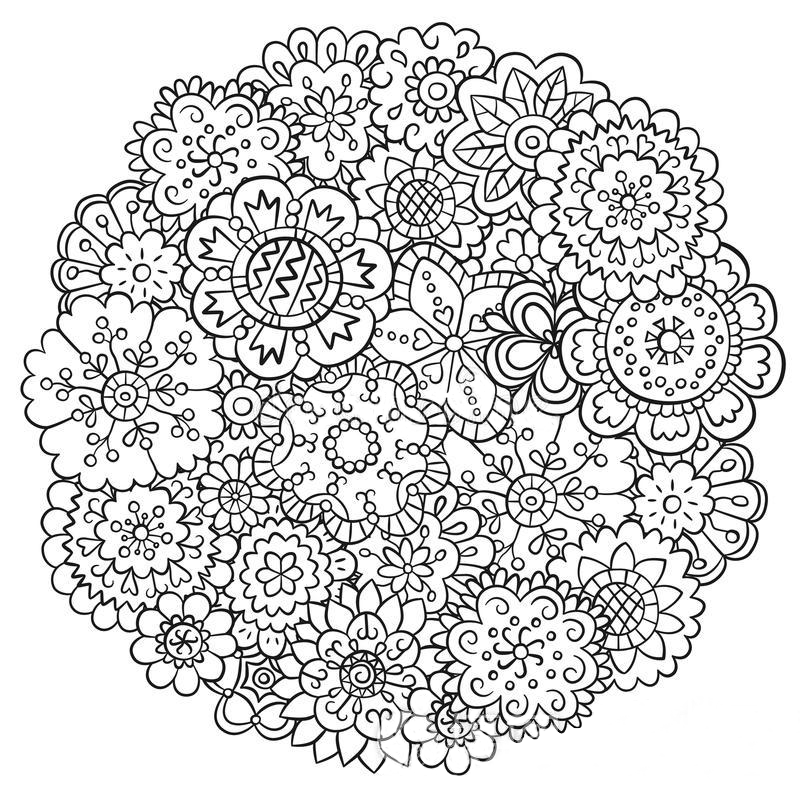
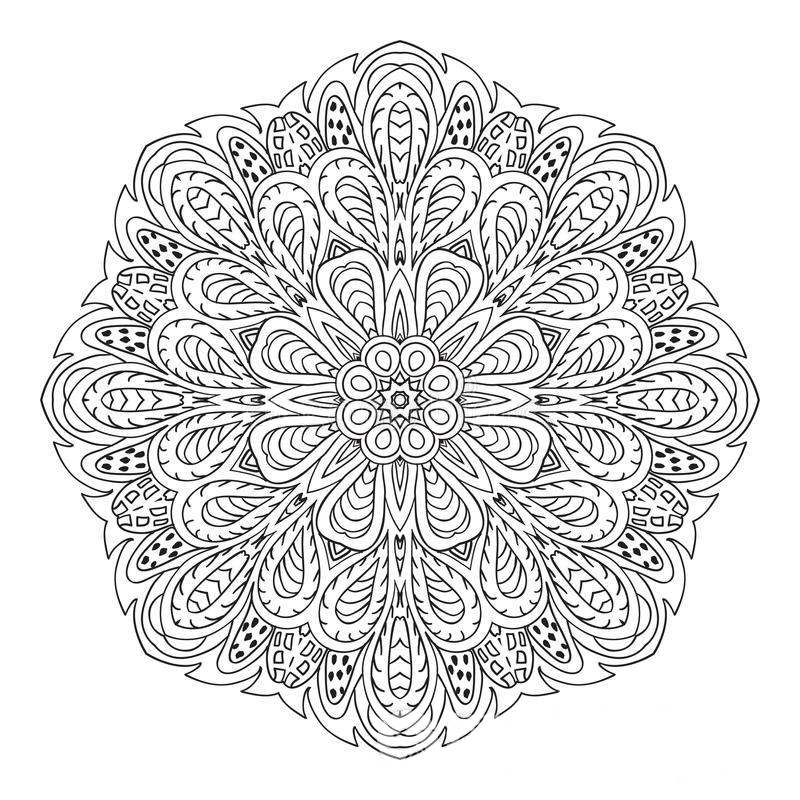
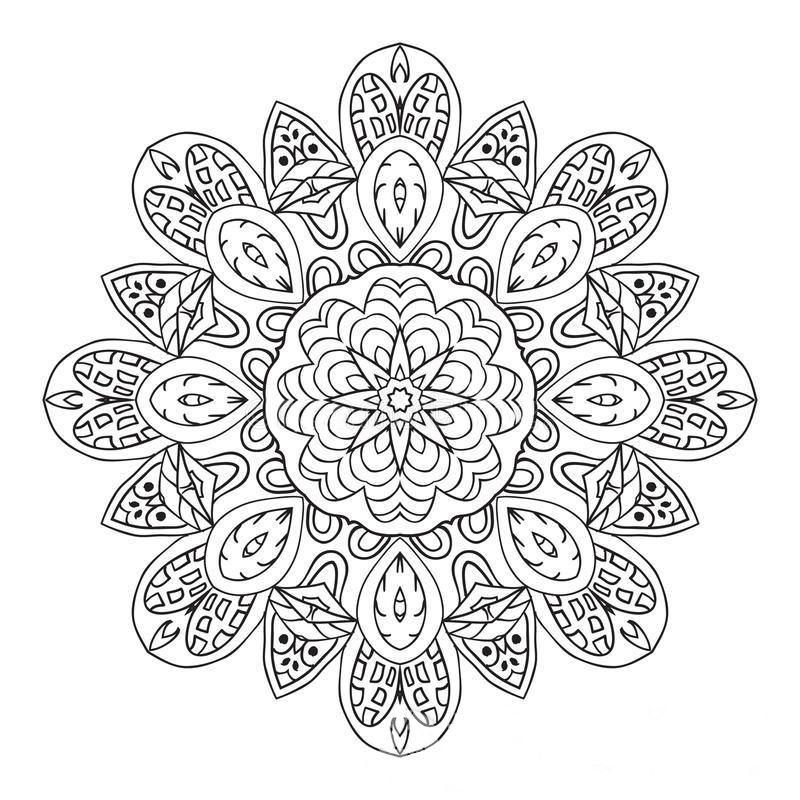
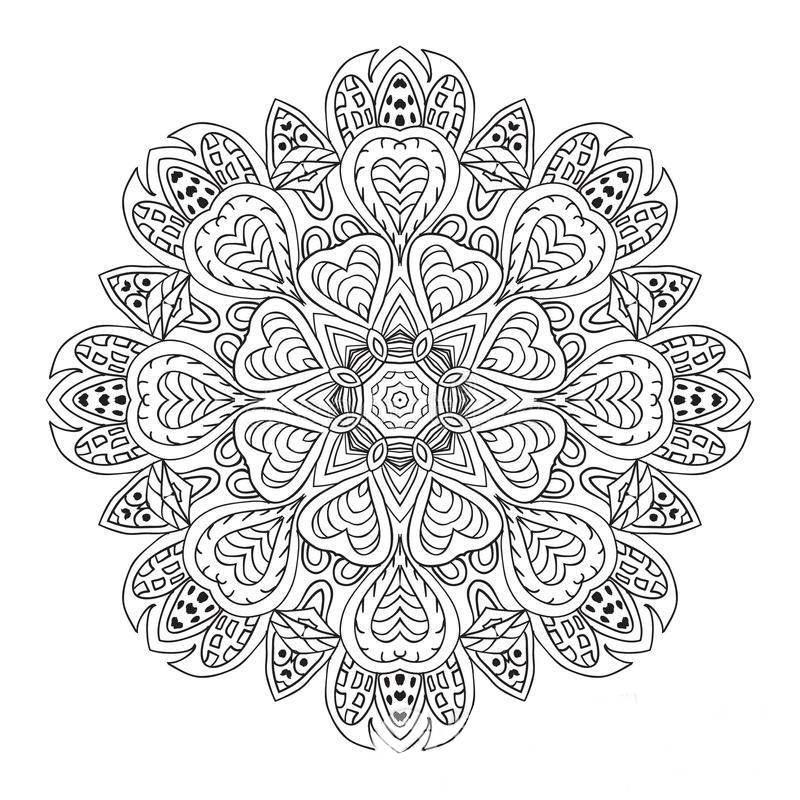
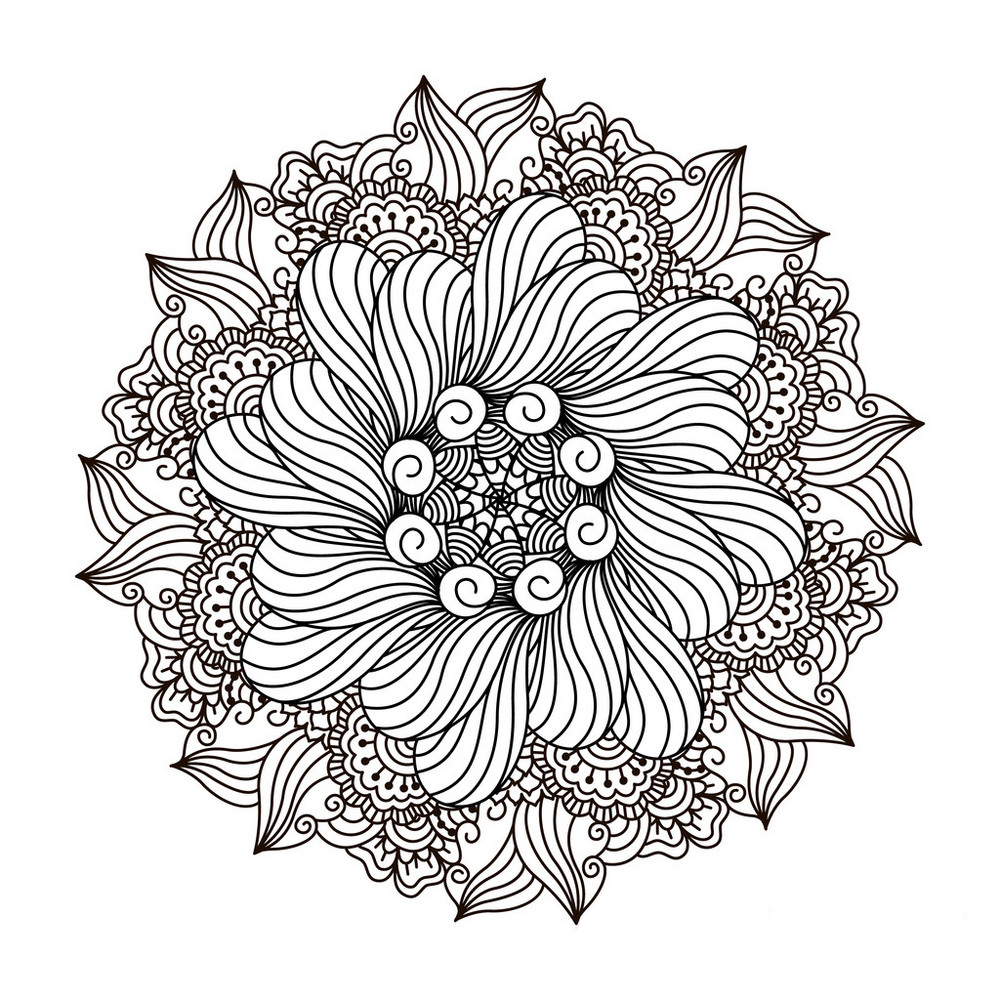
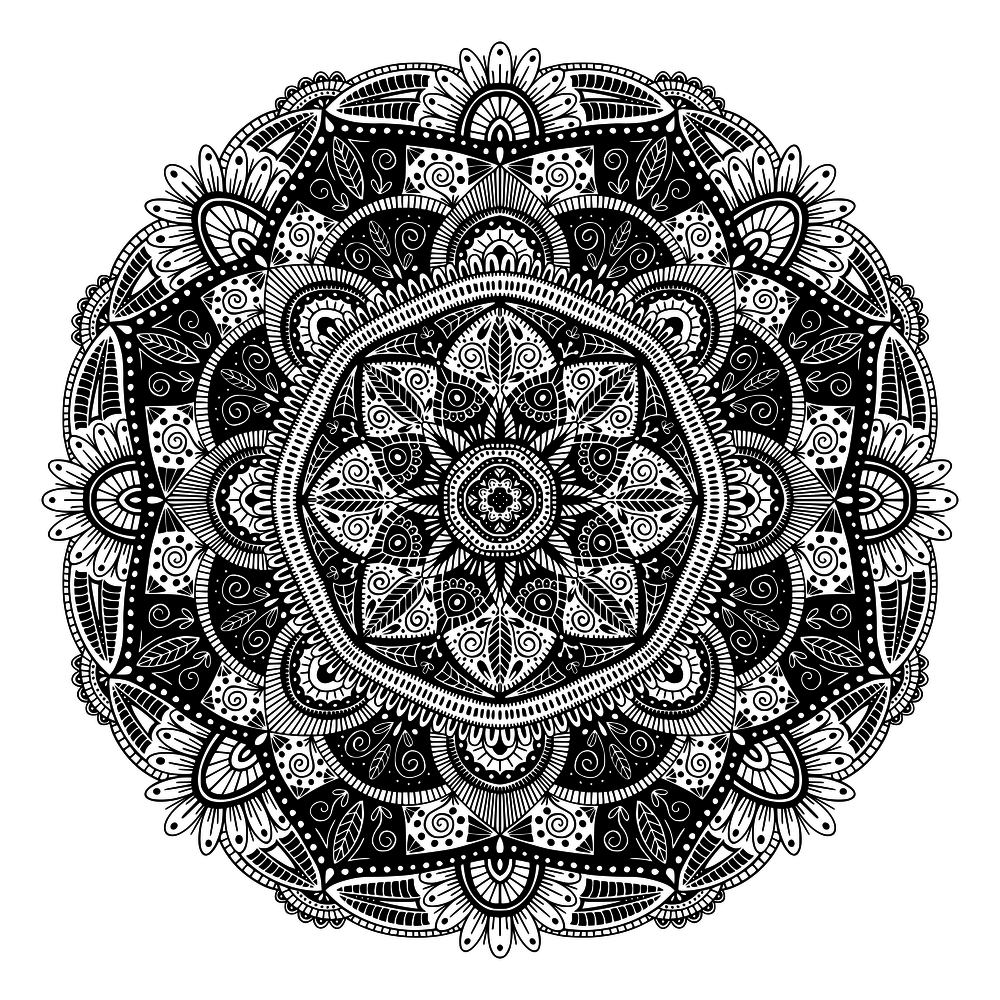
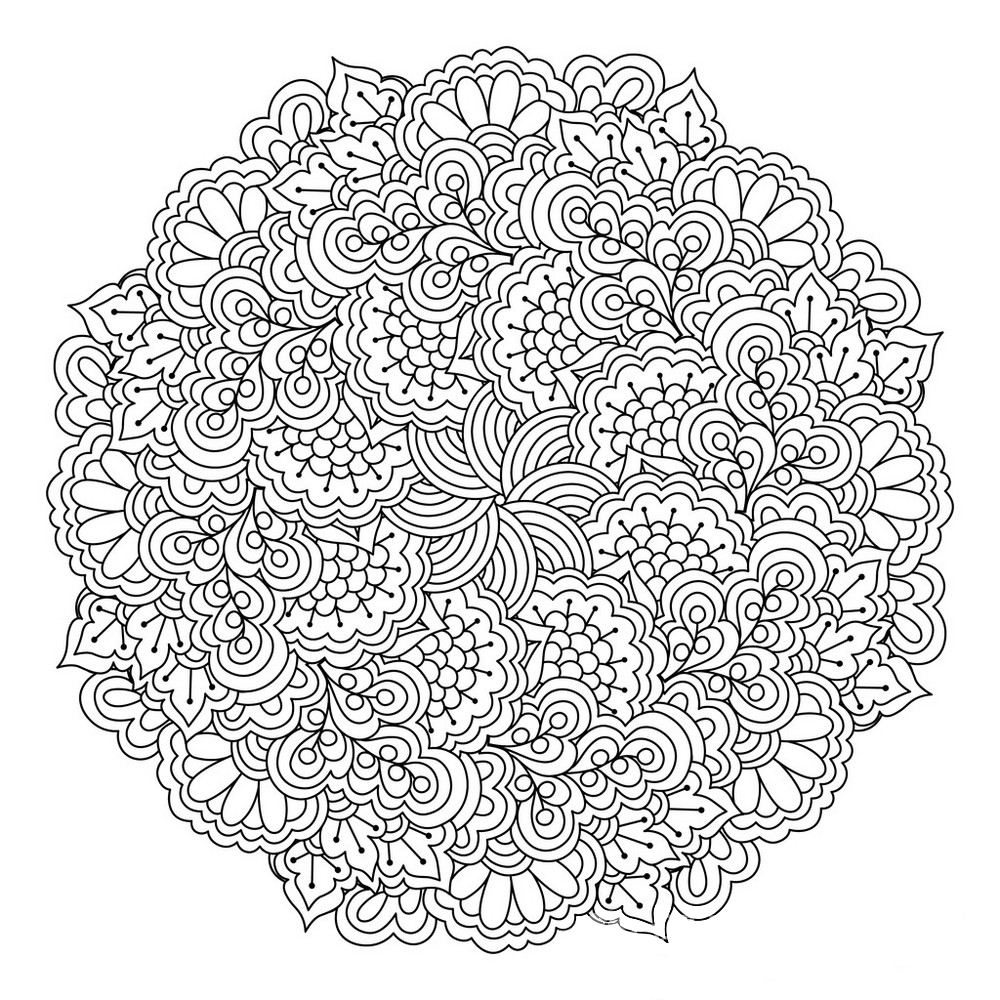
○ The therapeutic effects of traditional mandalas: drawing guidance suggestions
This course guides you through the healing power of traditional mandalas, a form of art. Mandalas are not only an art form, but also a means of psychological integration and self-soothing. By drawing circles, filling in colors, and repeating patterns, you can find a sense of relaxation and stability through focus and order.
1. Center of circle stabilization exercises
- Draw a circle on paper, making sure it has a clear center.
- Write a keyword in the center of the circle (e.g., “calm,” “safe,” “focused”).
- Feel the stability and support brought by the center of the circle, which symbolizes the inner core.
2. Symmetrical structure drawing
- Starting from the center of the circle, draw symmetrical patterns (such as flower petals, rays, and ripples) outward.
- Let the process of repetition and symmetry bring a sense of order and alleviate inner chaos.
- Use a regular rhythm and focus on coordinating your brushstrokes with your breathing.
3. Color Meditation
- Choose three to five colors: cool colors to soothe, warm colors to energize.
- Fill in the different layers of the mandala with colors and feel the energy of the colors change.
- Observe which colors soothe you and which bring you strength.
4. Synchronize Breathing and Painting
- While drawing, maintain regular breathing: draw the lines when you inhale and fill in the colors when you exhale.
- Combine breathing and movement to form a rhythm of "unity of body and mind".
- Focus your attention on the point where pen meets paper and reduce external distractions.
5. Completion and Gaze
- Once you are finished, gaze quietly at your mandala and observe the overall feeling it brings.
- Consider whether it makes you feel more stable, centered, or relieved.
- Preserve the mandala as a symbol of "inner order".
6. Review and Summary (three lines)
In the blank space on your drawing, write:
- The key words I wrote in the center of the circle today are: ______
- My favorite color combination brings me this feeling: ______
- My greatest inner experience after completing the mandala: ______
Tip: Traditional mandala painting is not only an art form, but also a process of meditation and self-healing. If you experience long-term emotional distress, please seek professional psychological support.
Please log in before submitting your drawings and feelings.