

Lesson 16: Perfectionism and Anxiety

Duration:70 minutes
Topic Introduction:Perfectionism often masquerades as "I just want to do it well," but behind it may lie a fear of rejection. You can tell the AI: What level of perfection is enough? If it's not perfect, what am I most afraid of? The dialogue will help you find the standard of "good enough." You can still be diligent, but you don't have to push yourself to the point of exhaustion. After answering the questions, you can create a "deliverable" version of the task, allowing yourself to take a step back from the tension. You deserve to be treated gently. You don't need to be perfect immediately.
○ Course Topic Audio
Lesson 16: Perfectionism and Anxiety
Click to view the read-aloud text
This lesson's theme is "Self-Soothing and Re-rhythm: How Do I Get Back to a Functional State?" The focus of courses related to generalized anxiety is not to immediately eliminate anxiety, but to first understand how anxiety forms a cycle in thoughts, body, and life rhythms. Learn self-soothing and rhythm-re-rhythm techniques, identify areas where you over-burden yourself in relationships and life, and practice the smallest possible rejection phrases. When anxiety persists, the brain tends to seek danger, and the body goes into defensive mode in advance; breathing, stomach, neck and shoulders, sleep, and attention can all be affected. You might know something hasn't happened yet, but you're already mentally rehearsing the worst outcome; you might want to relax, but find your body simply won't cooperate. The first step in this lesson is to remove anxiety from the self-evaluation of "I can't do it" and replace it with "My system is sounding the alarm." This change is crucial because only once you stop attacking yourself can you begin to adjust. You can start by writing down your most prominent worry of the day and then ask yourself: Is it a real problem, or a disaster rehearsal? Does it need immediate attention, or does it simply need to be recorded? The second step is to bring your body back to the present moment. Try exhaling slowly, feeling your feet touch the ground, and gently relax your jaw, shoulders, and fingers. If your emotions are still high, don't rush to convince yourself it's okay; just send a signal to your body: I know you're tense, let's slow down. For anxiety, safety isn't just a slogan, but a series of small, repeatable actions. The third step is to choose a minimal action. It could be drinking water, eating something, opening a window, writing three sentences, pausing for five minutes, tidying a corner, or contacting someone you trust. The significance of minimal actions isn't to immediately solve life's problems, but to allow the brain to re-experience: I'm not completely out of control; I can still influence reality a little. If you experience intense panic, persistent insomnia, self-harming thoughts, or an inability to stabilize yourself during the exercise, don't suffer alone; contact family, doctors, therapists, or local emergency help resources immediately. The course content is suitable for learning and self-reflection, but cannot replace professional diagnosis and treatment. Finally, give yourself a reassuring reminder: Anxiety doesn't mean I've failed; it's just a signal reminding me to slow down, observe, and take care of myself. Today, simply identifying a trigger point, completing a small action, or writing down a thought is already a step forward on the road to recovery. After reading aloud, jot down three phrases: What am I worried about right now? Where in my body is the tension greatest? What step am I willing to take first? Save these three phrases; the next time anxiety arises, they will help you return to an actionable path more quickly. Don't strive for complete calm after just one practice session; stability comes from repetition, gentleness, and sustainability. You are not learning to destroy yourself, but to interact with your nervous system in a safer way. After reading aloud, jot down three phrases: What am I worried about right now? Where in my body is the tension greatest? What step am I willing to take first?

AI Healing Q&A
Perfectionism often masquerades as conscientiousness and responsibility, but beneath it lies a fear of making mistakes and a fear of rejection. You can write down something you feel is "not good enough." AI will help you analyze which standards are truly necessary and which are simply anxiety setting the bar too high. You can practice changing your goal to "completing an acceptable version." Imperfection doesn't equal failure; it can also be the gateway to relaxation. You can be conscientious, or you can stop torturing yourself with perfection. Leave yourself some leeway.

○ Music therapy guidance
Perfectionism makes even rest feel incomplete. Today, when listening to music, deliberately choose a piece that "doesn't need evaluation." Don't score it, don't compare it, and don't demand that you be perfectly relaxed. Just sit and listen to a short section; that's enough. Let the music remind you: you don't need to be right or excellent all the time to deserve gentle treatment. After practicing, write down a "good enough" mark to let yourself detach from rigid standards. You don't have to be constantly tense. Let yourself gently return to normalcy. Allow your practice to be incomplete.

○Eastern and Western Healing Teas
Recommended beverage: Tangerine peel Pu-erh tea. Reason for recommendation: It's suitable for slowing down the body's pace while studying this lesson, easing the tension and fatigue brought on by returning to activity. Preparation: Take an appropriate amount of tea leaves, brew with warm water, and drink slowly, avoiding making it too strong. Recommended dietary therapy: Tofu and vegetable stew, based on the principles of lightness, stability, and low burden, to help the body obtain sustained energy.
○ Healing Recipes
Greek Lemon Potatoes
Greek lemon potatoes are a suitable healing recipe after this lesson. Based on the principles of gentleness, ease of preparation, and low burden, they replenish the body with stable energy after learning self-soothing and rhythm rebuilding, reducing the amplification of anxiety experiences caused by hunger, fatigue, and tension. Eat slowly, observing feelings of hunger, satisfaction, breathing, and relaxation. It doesn't aim for elaborate plating, but rather serves as a gentle replenishment after anxiety exercises.
Open the healing recipe
◉ Mediterranean Diet · 16. Greek Lemon Potatoes
I. Recommended Dietary Therapy and Reasons
Recommended dishes:Greek Lemon Potatoes
Recommended reasons: Greek lemon potatoes are a warm, soft, and refreshingly tangy Mediterranean side dish, perfect for providing stable energy and a comforting meal during social anxiety classes. Potatoes offer mild carbohydrates and a feeling of fullness, lemon juice adds a refreshing touch, and olive oil and oregano enhance the smoothness. It can be enjoyed with roasted chicken or fish, or eaten alone as a light meal, providing familiar and reliable energy when you're stressed, tired, or need a simple, hot meal.
2. Recipe and Method
Recipe (1–2 servings):
- 2 medium-sized potatoes
- 1.5 tablespoons extra virgin olive oil
- 1–1.5 tablespoons lemon juice
- 80 ml of water or vegetable broth
- 1/2 clove of minced garlic (optional)
- At least a few dried beef
- A pinch of black pepper
- A pinch of sea salt
- Two lemon slices, optional
- A little chopped parsley, optional
practice:
- Peel or leave the skin on the potatoes, wash them, and cut them into thick wedge-shaped pieces.
- Place the potatoes in a bowl and add olive oil, lemon juice, minced garlic, dried oregano, black pepper, and a pinch of sea salt.
- Gently toss to coat each potato piece evenly with the seasoning.
- Add water or vegetable broth to a baking pan, then layer the potato chunks on top.
- Preheat oven to 200°C and bake for 35–45 minutes.
- Flip the potatoes once halfway through cooking to allow them to absorb the broth and develop slightly browned edges.
- Sprinkle with chopped parsley after baking and let sit for 3 minutes before serving.
3. Small rituals for body and mind
When cutting potatoes, you can feel their firm, stable texture, which helps you shift your focus from tense thoughts back to the food in your hands.
As you pour lemon juice and olive oil into the bowl, observe how the tangy aroma and oiliness slowly coat the potatoes. This serves as a reminder that stability can also be accompanied by a touch of freshness.
When you take the first bite, you'll experience the slightly charred outer layer, the soft interior, and the aroma of lemon, giving you a sense of comfort.
4. Dietary Therapy Experience Record
- Record when you eat it: whether it's a side dish for a main meal, a main dish for dinner, or a warm supplement when you're under a lot of stress.
- Observe changes in satiety, stomach comfort, mental stability, and fatigue within 30–60 minutes after consumption.
- If consumed before social events, it can be recorded whether it provides enough energy without overstimulating the body.
V. Instructional Videos (approximately 3–5 minutes)
Video Title:Greek Lemon Potatoes: A tangy and tender Mediterranean staple food
6. Precautions
- Don't cut the potatoes into small pieces, otherwise they will easily dry out or crumble when baked.
- People with high stomach acid should reduce the amount of lemon juice they use to avoid an overly sour taste.
- Minced garlic is optional; those with sensitive stomachs can omit it.
- To control carbohydrate intake, reduce portion sizes and pair them with protein and leafy green vegetables.
- If the moisture evaporates completely during baking, add a small amount of water to prevent the bottom from burning.
hint:This recipe is for daily physical and mental well-being and is not a substitute for any medical diagnosis or treatment. If you have blood sugar management needs, significant stomach acid, require a low-salt diet, or have special nutritional restrictions, please prioritize following the advice of your healthcare provider and nutritionist.

○Mandala Healing
Perfectionism can make you want to be perfect even when you're relaxing. When looking at a mandala, allow yourself not to understand it, not to insist on it, and not to meet any standards. The pattern has its own order, and you can have your own rhythm. If you think, "I didn't do well enough," look at the center and gently reply: I'm practicing, and this is enough. At the end, you can thank yourself for not striving for perfection. Being willing to relax your standards a little is itself a step away from anxiety. Take it slow. Take it slow.
● AI Dynamic Geometric Vision Focus and Emotion Regulation Engine ●
AI Dynamic Geometric Vision Focus and Emotion Regulation Engine · v7.0.0
Before we begin, I'd like to know how you feel right now.
There is no standard answer; just choose the one that best reflects how you feel right now.
The experience is over. Tell us how you feel now.
There is still no standard answer; just choose the one that best reflects how you feel right now.
#FF5252
After the fluorescent line crawling is completed and stopped, first select a color, then click on the closed area in the graphic to fill in the color.
AI Digital Mandala Static Focus EngineAZ Image Coloring · 60 Colors
AI Digital Mandala Interactive Focus Engine
A–Z Free Selection · Layered Lines · 60 Color Fills

○ Calligraphy and engraving therapy practice
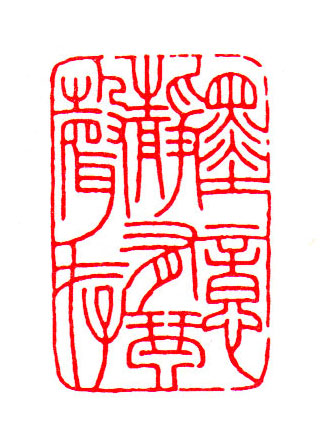
This lesson's writing practice follows the principles of "slow, steady, and clear," guiding your attention back from worry to your hand, pen, and paper. Writing motto: Return to Feasibility. Before writing, adjust your posture, pause for a moment before writing, and confirm that your breathing and shoulders are relaxed. If returning to normalcy makes your heart race, treat each stroke as an opportunity to regain your footing. Tips: Write less, write slowly, write steadily.

○ Art Therapy Guidance
Objective: To externalize "returning to function" into a visual image, helping oneself to see it rather than be surrounded by it. Steps: 1. Draw a shape representing your current anxiety in the center of a piece of paper. 2. Mark the trigger point with a color. 3. Draw a fact area next to it and write down confirmable information. 4. Draw a calming action, such as breathing, pausing, asking for help, or drinking water. 5. After completing this, write a sentence: I can see it, and I can respond to it slowly.
Please log in before submitting your drawings and feelings.

○ Diary Healing Suggestions
① What is my new understanding of "getting back into operation" today? ② In which situations did it occur most frequently over the past week? ③ How did it affect sleep, attention, efficiency, and interpersonal relationships? Rate it from 0 to 10. ④ Write down the worst, most likely, and best possible outcomes. ⑤ Choose a minimum feasible action: drink water, take a walk, breathe, contact a supporter, or take a five-minute break. ⑥ How will I remind myself to continue practicing tomorrow?
Please log in to use.
When you are willing to see "getting back to normal" clearly, instead of continuing to tough it out alone, anxiety begins to transform from a fog into a signal that can be taken care of.