

Lesson 45: Physical Reactions: Blushing, Trembling, Rapid Heartbeat

Duration:70 minutes
Topic Introduction:A brief silence can be magnified into a disaster in your mind: "Oh no, they must think I'm so awkward and boring." We will redefine silence as not failure, but as the relationship breathing. Here are a few transitional phrases to prevent you from sacrificing yourself to fill in blanks. When learning, keep your goals small; observe only one reaction, complete one gentle action. You don't need to change yourself immediately; just understand a little more within safe limits. Every observation and record is the beginning of rebuilding stability.
○ Course Topic Audio
Lesson 45: Physical Reactions: Blushing, Trembling, Rapid Heartbeat
Click to view the read-aloud text
When learning about "I'm afraid of awkward silences, I'm afraid others will think I'm boring," please put aside your shame for now. Social anxiety isn't a personality flaw, but rather an overreaction of the nervous system in relational situations. It tries to protect you from rejection, mistakes, and ridicule, but its protection often goes too far. Awkward silences are often amplified by social anxiety into relationship failures. This lesson helps you re-understand silence and prepare transition phrases so that quiet no longer equates to awkwardness. When social anxiety arises, the mind often automatically generates conclusions: They must have noticed me, they must think I'm strange, I just said something wrong, I'll be criticized. At the same time, the body enters a state of high alert: heart rate increases, breathing becomes shallow, face flushes, throat tightens, and even the mind goes blank. Remember, these reactions are not failures, but rather the body executing protective procedures. The first step in this lesson is to slightly shift your attention from "how others are seeing me" to "what I am experiencing right now." You can write three columns on paper: What am I worried about others thinking? What evidence have I actually seen? Is there a gentler, more realistic interpretation? This isn't self-hypnosis, but rather separating mind-reading, catastrophizing, and the spotlight effect from reality. The second step is to give your body a reassurance. You can place your feet firmly, exhale slowly, gently relax your jaw and shoulders, and allow yourself three seconds to pause before answering. Social anxiety is most averse to the command, "I must perform well immediately." The more you allow yourself to slow down, the more your body has the opportunity to withdraw from the feeling of being judged. The third step is to choose a small, authentic social action. It could be sending a short message, sharing a genuine feeling with someone you trust, maintaining your presence in a group for only five minutes, or practicing a transition phrase. The goal isn't perfect performance, but rather allowing your nervous system to learn little by little: I can be seen, but I won't necessarily be harmed. If certain social situations involve humiliation, aggression, constant control, or real danger, you don't need to force yourself to expose yourself to them. Healing isn't about enduring harm, but about helping you distinguish between real threats and anxiety misreporting. Seek help from a therapist, doctor, family member, or trusted supporter when needed. Finally, give yourself a reassuring reminder: I can be nervous, and I can slowly engage in relationships; I can be imperfect, and I still deserve respect. Today, simply recognizing one more anxiety pattern, completing a small experiment, or reducing self-criticism is already a step towards restoring social safety. After reading aloud, please write down a minimal social exercise and a boundary you can use to protect yourself. The next time you enter a social situation, don't strive for complete relaxation; just remember to breathe, pause, and observe the evidence. You are not learning to please everyone, but to remain authentic and safe in relationships. Every gentle attempt accumulates new experience for your body: being seen does not equate to being rejected. After reading aloud, please write down a minimal social exercise and a boundary you can use to protect yourself.

AI Healing Q&A
An awkward silence doesn't equal failure; many relationships need a little quiet. You can write down the thought, "I'm afraid others will think I'm boring," and let the AI help you find a few natural transitions. Also, see if there's any shame pushing you away from the silence. The focus of this practice isn't on becoming eloquent, but on not rushing to deny yourself in quiet moments. Contact professional support if needed. After the Q&A session, choose a transition phrase you're willing to try and practice it in your mind first. You don't have to finish it in one go. Please be gentle.

○ Music therapy guidance
When you're afraid of awkward silences, you often frantically search for topics, only to become more anxious. Try listening to music with plenty of pauses and practice being alone with the silence. Pay attention to the pauses between melodies; they're not awkward, just part of breathing. Relationships also allow for silences; it doesn't mean you're boring or a failure. After practicing, write down: Silence isn't always rejection; it could just mean both people are resting. You can be quiet, and you still deserve to be liked. Don't rush to prove anything. First, find your footing.

○Eastern and Western Healing Teas
For this lesson, it is recommended to choose mild, light, and non-stimulating teas to help stabilize your body's rhythm during the learning process. You can sip small amounts of Osmanthus Oolong, light black tea, or herbal tea slowly. Avoid drinking teas that are too strong, too hot, or too fast. Treat the first sip as a pause signal, allowing your stomach, breathing, and focus to slow down. If you are sensitive to caffeine, you can use decaffeinated herbal tea or warm water instead. (The last sentence is a repetition of the previous one and can be omitted.)
○ Healing Recipes
Pumpkin Millet Porridge
Pumpkin and millet porridge is a suitable healing recipe after this lesson. It's gentle, easily digestible, and low-calorie, providing a stable source of energy for the body after a period of social anxiety—a fear of awkward silences and others perceiving me as boring. It reduces the amplification of social anxiety caused by hunger, fatigue, and tension. Eat slowly, observing your hunger, satisfaction, breathing, and feelings of relaxation. It doesn't aim for elaborate presentation, but rather serves as a gentle replenishment after social practice. Let food become part of your sense of security, helping your body return from tension to stability.
Open the healing recipe
◉ Chinese Food Therapy · Porridge · 45. Pumpkin and Millet Porridge
I. Recommended Dietary Therapy and Reasons
Recommended dishes:Pumpkin Millet Porridge
Recommended reasons: Pumpkin and millet porridge is a warm, soft, and brightly colored Chinese medicinal porridge, suitable as a daily support for calming the stomach and stabilizing emotions, especially during social anxiety classes. Pumpkin provides natural sweetness and a soft orange-yellow color, while millet becomes smooth and delicate after cooking. The combination creates a low-calorie, easy-to-eat, warm porridge. It's suitable for consumption in the morning, evening, or when appetite is unstable, helping the body gradually recover from hunger pangs, stomach tightness, and mental fatigue. The bright color also brings a slight sense of pleasure to the meal.
2. Recipe and Method
Recipe (1–2 servings):
- 150g pumpkin, peeled and cut into chunks
- Xiaomi 60g
- 750–850 ml of clean water
- 5g of goji berries (optional)
- A little rock sugar, optional
practice:
- Peel and deseed the pumpkin, then cut it into small pieces to make it easier to cook until soft.
- Rinse the millet gently with clean water, avoiding repeated rubbing which can cause nutrient loss.
- Add millet and water to a pot and bring to a boil over high heat.
- After simmering over low heat for 15 minutes, add the pumpkin chunks.
- Continue simmering over low heat for 20–25 minutes to allow the pumpkin to soften gradually.
- Gently press some of the pumpkin with a spoon to make the porridge more evenly colored.
- Add goji berries or a small amount of rock sugar as needed, and simmer for 2–3 minutes.
3. Small rituals for body and mind
When cutting a pumpkin, you can observe its warm orange-yellow color to give your eyes a sense of gentle calm.
As the millet slowly boils, slow your breathing and watch the tiny millet grains gradually unfold. Remind yourself: I can start taking care of myself with very small actions.
When you take your first bite, savor the sweetness of the pumpkin, the softness of the porridge, and its warmth, allowing your body to gradually relax.
4. Dietary Therapy Experience Record
- Record when you eat it: is it breakfast, dinner, or a supplement when you have a poor appetite?
- Observe whether there are any changes in stomach comfort, body warmth, satiety, and mental stability within 30–60 minutes after consumption.
- If you consume this when anxiety causes a decreased appetite, keep track of whether it is easier to swallow.
V. Instructional Videos (approximately 3–5 minutes)
Video Title:Pumpkin and Millet Porridge: A Warm and Gentle Chinese Therapeutic Porridge
6. Precautions
- Pumpkin is naturally sweet, so it usually doesn't need much added sugar.
- Millet porridge is prone to overflowing when cooked, so keep the heat low and pay attention to the lid.
- Those with high stomach acid can adjust the amount of pumpkin according to their individual reactions.
- Blood sugar managers should control the total amount of pumpkin and porridge consumed, avoiding excessive intake at one time.
- It is recommended to eat it warm, as the taste and comfort will decrease when it cools down.
hint:This recipe is for daily physical and mental well-being and is not a substitute for any medical diagnosis or treatment. If you have diabetes, stomach problems, kidney disease, or special nutritional restrictions, please prioritize following the advice of your healthcare provider and nutritionist.

○Mandala Healing
When you're afraid of awkward silences, you often find yourself rushing to talk, afraid of being boring. When looking at a mandala, allow for blank spaces within the design. Blank spaces aren't awkward; they're places to breathe. You can focus your gaze on the empty spaces and feel that silence is also an option. If the thought "I must be interesting" crosses your mind, slow your breathing first. After you're done, write down: Silence doesn't equal failure. May you gradually come to believe that you don't have to be perfect every second in a relationship. You can be quiet, and you can be liked. May you gradually find peace of mind.
● AI Dynamic Geometric Vision Focus and Emotion Regulation Engine ●
AI Dynamic Geometric Vision Focus and Emotion Regulation Engine · v7.0.0
Before we begin, I'd like to know how you feel right now.
There is no standard answer; just choose the one that best reflects how you feel right now.
The experience is over. Tell us how you feel now.
There is still no standard answer; just choose the one that best reflects how you feel right now.
#FF5252
After the fluorescent line crawling is completed and stopped, first select a color, then click on the closed area in the graphic to fill in the color.
AI Digital Mandala Static Focus EngineAZ Image Coloring · 60 Colors
AI Digital Mandala Interactive Focus Engine
A–Z Free Selection · Layered Lines · 60 Color Fills

○ Calligraphy and engraving therapy practice
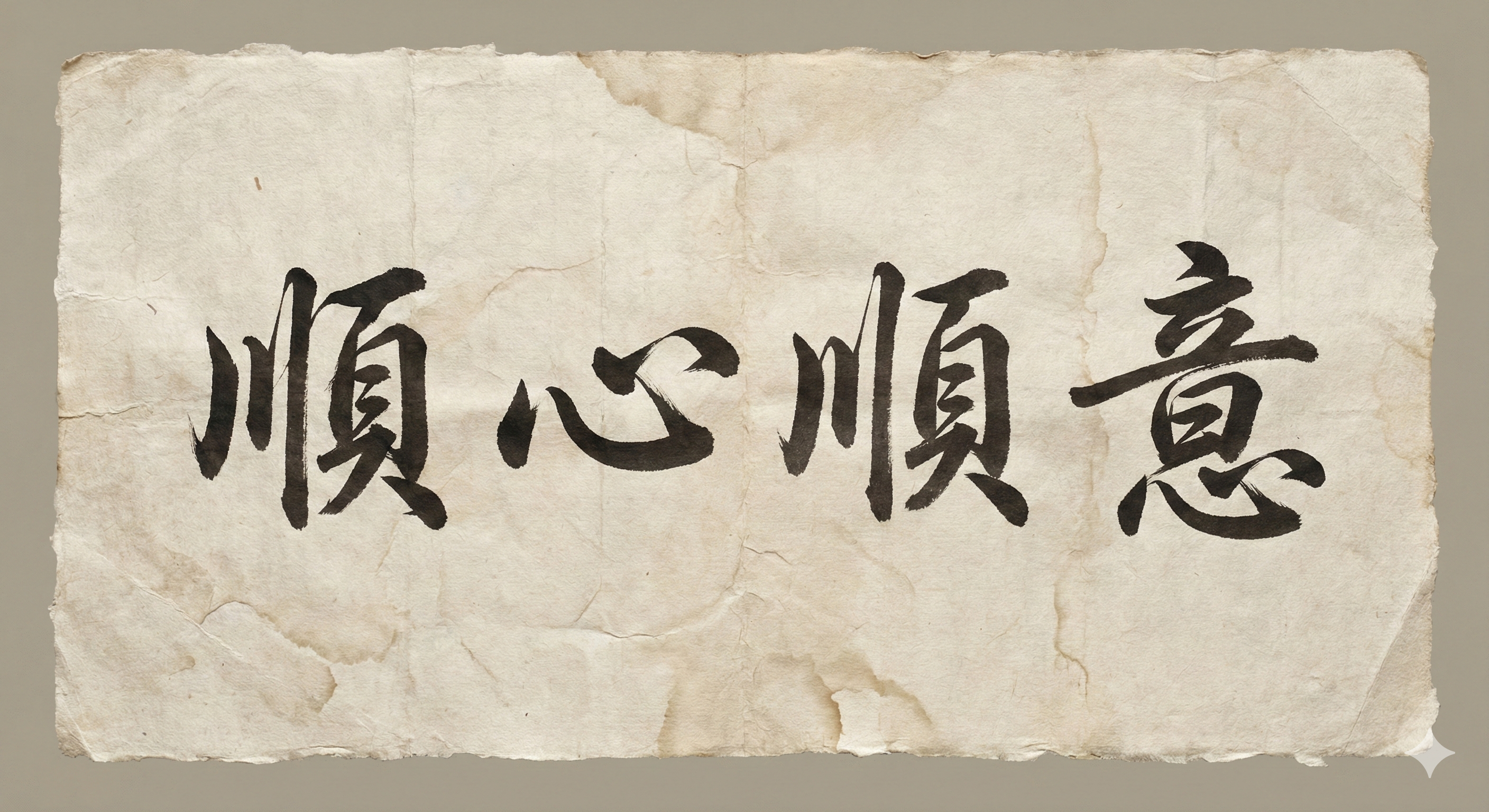
Calligraphy therapy is not an exam or a showcase. Use "slow organization" to guide yourself into a slower pace, allowing your eyes, hands, and breath to re-coordinate. Social anxiety often makes us overly concerned with how others perceive us; here, simply return to your own feel. It's okay if the strokes are uneven. When you finish practicing, gently tell yourself: I can practice calmness little by little. Be gentle. After finishing, gently move your fingers and feel if your body has returned to the present moment—that's enough.

○ Art Therapy Guidance
Drawing practice helps me overcome my fear of awkward silences, my anxiety about being bored, my withdrawal, or my anticipation. I express these through lines, blocks of color, and spatial distances. Don't draw realistically; just express your true physical feelings. Use dark colors to represent stress, light colors to represent comfort zones, and blank spaces to represent areas where you need rest. After finishing, observe the drawing, rather than criticizing it. Let the image help you see that anxiety is only part of the experience, not the whole of yourself. Use dark colors to represent stress, light colors to represent comfort zones, and blank spaces to represent your needs.
Please log in before submitting your drawings and feelings.

○ Diary Healing Suggestions
When you blush, tremble, and your heart races, you might be even more afraid of others noticing. Today, please write down the most touching point from the course, and also record a physical signal: when it appears and its approximate intensity. Write down a small action, such as next time you'll place your feet firmly on the ground and exhale slowly instead of immediately running away. Your body's reaction isn't your enemy; it's just that the alarm is sounding too loudly. After writing it down, please say to your body: "Thank you for reminding me; I will take care of you gradually." Make this small action a little lighter and more specific, so that you actually have a chance to do it tomorrow, rather than being overwhelmed by pressure again.
Please log in to use.
Silence is not a social failure; relationships can breathe naturally in quiet and pause.