

Lesson 152: Panic and the Recovery of Working and Learning Functions

Duration:70 minutes
Topic Introduction:This lesson not only exposes bodily sensations but also the shame of being seen. Through safe partner practice, mirror exercises, and small-group explanations, it transforms embarrassment into understanding. When practicing, keep your goals small, completing only one gentle movement. You don't need to change yourself immediately; you just need to understand one more reaction. Each record is the beginning of rebuilding stability. When practicing, keep your goals small, completing only one gentle movement. You don't need to change yourself immediately; you just need to understand one more reaction.
○ Course Topic Audio
Lesson 152: Panic and the Recovery of Working and Learning Functions
Click to view the read-aloud text
When learning about "Emotional Exposure: Allowing Fear and Shame to Coexist," please put aside self-blame for now. Panic is not a sign of weakness, but rather the nervous system activating its defense mechanisms too quickly and too strongly under pressure. It's frightening, but it doesn't mean you're actually dying or losing control. It exposes not only physical sensations but also the shame of being seen. This lesson uses safe partners, mirror exercises, and small-group explanations to rewrite the experience of embarrassment. The most difficult part of a panic attack is that it comes on quickly, and the physical sensations are very real. A rapid heartbeat, chest tightness, dizziness, numbness in the hands, difficulty breathing, and nausea can all immediately make you think of the worst possible outcome. Remember, intense discomfort is not the same as a real disaster; often, it's a warning sign from the body in a state of high arousal. The first step in this lesson is to change the interpretation of disaster into a physical description. You can rewrite "I'm going to die" as "My heart is racing"; "I'm going to lose control" as "I'm currently in a state of high arousal"; "I can't hold on" as "I need to slow down for a minute." Changing your language isn't about comforting yourself; it's about giving your nervous system new instructions. The second step is to return to actionable movements. Settle your feet firmly, slowly lengthen your exhale, relax your shoulders and neck, observe three real objects around you, and repeat a reassurance phrase: "This is the peak of panic, I'm experiencing it, it will subside." Don't rush to banish the feeling; just accompany your body through this phase within manageable limits. The third step is post-event reflection, not judgment. Write down what happened before the episode, your highest point, how long it lasted, what you did, and whether the worst outcome actually occurred. This record helps the brain update its risk assessment, making the next panic less unfamiliar than the first. If you experience persistent chest pain, risk of fainting, severe difficulty breathing, strong suicidal thoughts, or symptoms significantly different from before, seek immediate medical help. The exercises in this course are suitable for psychoeducation and self-regulation but cannot replace a doctor's diagnosis. Finally, give yourself a reassuring reminder: "The panic is intense, but it's the peak, not the end. I can slowly rebuild my sense of security through breathing, settling down, using language, and reflection." Today, recognizing just one signal, performing one reassuring action, or minimizing self-blame is already a step towards regaining control. After reading aloud, please write down one on-site reassurance action, one safety phrase, and one post-event review question. When the next peak occurs, you don't need to perfectly execute all the techniques; just do the simplest step first. What you are learning is not to never have an attack again, but to no longer be completely overwhelmed by it when it does occur. Every time you safely navigate an attack, it becomes evidence you can recall for the next time. After reading aloud, please write down one on-site reassurance action, one safety phrase, and one post-event review question. When the next peak occurs, you don't need to perfectly execute all the techniques; just do the simplest step first. What you are learning is not to never have an attack again, but to no longer be completely overwhelmed by it when it does occur. Every time you safely navigate an attack, it becomes evidence you can recall for the next time.

AI Healing Q&A
When panic affects work and study, it's easy to fear you can't cope. AI can help you break down recovery goals into smaller steps: complete a short task, go out briefly, or have a low-stress conversation. Today's small action could be choosing an achievable functional goal. Don't let the episode negate your abilities; you are recovering, not regressing. Just take one small step today. If the pain intensifies, seek professional support promptly. Give yourself patience and space. You are learning to support yourself through this.

○ Music therapy guidance
When resuming work and study, use short musical pieces to establish boundaries between beginnings and endings. Listen for a minute before a task to remind yourself to focus on one small goal; listen again after completion to acknowledge your achievement. Don't use music to procrastinate or demand an immediate return to efficiency. It simply helps you re-enter your daily rhythm after the initial shock. Allow your body to gradually regain its sense of security. Take it slow; perfection isn't required the first time. If the pain intensifies, seek professional support promptly. Just take one small step today.

○Eastern and Western Healing Teas
This lesson suggests choosing a mild, low-stimulation hot tea to help with learning emotional exposure: allowing fear and shame to coexist before stabilizing your body's rhythm. You can use light black tea, osmanthus oolong, chamomile tea, or sip warm water slowly in small amounts. When practicing, keep your goals small, completing only one gentle movement. You don't need to change yourself immediately; you just need to understand one reaction better. Each record is the beginning of rebuilding stability. When practicing, keep your goals small, completing only one gentle movement.
○ Healing Recipes
Glehnia littoralis and Solomon's seal duck soup
A soup made with sand ginseng and Solomon's seal rhizome and old duck is suitable as a healing recipe after this lesson. It follows the principles of gentleness, stability, and low burden, replenishing the body after experiencing emotional exposure: allowing fear and shame to coexist, and reducing the amplification of panic experiences by hunger, fatigue, and tension. Eat slowly, observing your heartbeat, breathing, hunger, satisfaction, and the body's return to stability. It doesn't aim for elaborate plating, but rather serves as a gentle replenishment after panic regulation exercises. Let food become part of a sense of security, helping the body return from high arousal to stability.
Open the healing recipe
◉ Eastern Food Therapy · 152. Old Duck Soup with Adenophora stricta and Polygonatum odoratum
I. Recommended Dietary Therapy and Reasons
Recommended dishes:Glehnia littoralis and Solomon's seal duck soup
Recommended reasons: Glehnia littoralis and Solomon's seal duck soup is a mild, nourishing, and slowly sipped oriental medicinal soup, suitable for use during social anxiety classes as a daily support for restoring energy and stabilizing bodily rhythms. The meat, beans, roots, herbs, or other mild ingredients, after long simmering, develop a mellow and layered flavor, reducing the burden on the stomach during periods of stress. It's suitable for lunch, dinner, or after fatigue, allowing the body to find calm in the warm broth, its light flavor, and the consistent care it provides.
2. Recipe and Method
Recipe (1–2 servings):
- 350g of old duck, blanched
- 10 g of Adenophora stricta
- Polygonatum odoratum 10 g
- 3 slices of ginger
- 1400 ml of clean water
- a pinch of salt
practice:
- Clean the meat or bone ingredients thoroughly, and blanch them as needed to remove any scum.
- Soak or quickly rinse beans, lotus seeds, barley, or herbal ingredients in advance.
- Add the main ingredients, side ingredients, ginger slices, and enough water to the pot.
- Bring to a boil over high heat, then reduce to a simmer and gently boil.
- Simmer for 60–90 minutes, or until the ingredients are tender and the soup has a mild color.
- Before serving, add goji berries, flowers, or other easily cooked ingredients, and season with a small amount of salt.
- Drink after it has cooled slightly. You can consume small amounts of the soup ingredients depending on your physical condition.
3. Small rituals for body and mind
When preparing duck soup with sand ginseng and Solomon's seal, you can first observe the color, shape and smell of the ingredients, and gradually shift your attention from external evaluation to the actions in your hands.
When simmering or stewing soup, the sound of water and rising steam can help you slow your breathing. You can remind yourself: I don't need to deal with all the stress right away; I'm taking care of my body with something small.
When you take your first bite or drink your first sip, feel the warmth, softness, and subtle aroma to let your body know that this moment is safe, simple, and bearable.
4. Dietary Therapy Experience Record
- Record when you eat it – whether it's breakfast, lunch, dinner, or a gentle supplement before or after social activities.
- Observe whether there are any changes in stomach comfort, body warmth, feeling of fullness, and mental stability within 30–60 minutes after consumption.
- If you consume this soup when you are anxious, tired, or have an unstable appetite, you can record whether the ginseng and Solomon's seal duck soup helps you reduce feelings of heaviness and regain a sense of control over your body.
V. Instructional Videos (approximately 3–5 minutes)
Video Title:Glehnia littoralis and Solomon's seal duck soup: a mild and stable oriental medicinal soup.
6. Precautions
- Soups are best simmered over low heat, and meat or bone-based ingredients should be blanched first.
- If there is a lot of oil in the soup, you can skim off the surface oil to reduce the burden on your stomach.
- Herbal ingredients should not be used in excessive amounts. Pregnant women, those with special physical conditions, or those currently taking medication should consult a professional for advice first.
- Meat-based soups are quite nourishing, so those with weak stomachs or who need to control their fat intake should reduce their consumption.
- Do not eat too much at one time to avoid overeating or putting extra strain on your stomach.
hint:This recipe is for daily physical and mental well-being and is not a substitute for any medical diagnosis or treatment. If you have chronic illnesses, are pregnant, have food allergies, are taking medication, or have special nutritional restrictions, please prioritize following the advice of your healthcare provider and nutritionist.

○Mandala Healing
When resuming work and study, a mandala can help you stabilize before a task. When looking at the center, set only one small goal; when looking at the outer ring, remind yourself that you can rest after completing it. Don't overschedule your day. The pattern acts as a rhythmic cue: start, pause, end—each step can be gentle and clear. If you feel uncomfortable, pause. Take it slow. A little bit is fine too. Give yourself some space.
● AI Dynamic Geometric Vision Focus and Emotion Regulation Engine ●
AI Dynamic Geometric Vision Focus and Emotion Regulation Engine · v7.0.0
Before we begin, I'd like to know how you feel right now.
There is no standard answer; just choose the one that best reflects how you feel right now.
The experience is over. Tell us how you feel now.
There is still no standard answer; just choose the one that best reflects how you feel right now.
#FF5252
After the fluorescent line crawling is completed and stopped, first select a color, then click on the closed area in the graphic to fill in the color.
AI Digital Mandala Static Focus EngineAZ Image Coloring · 60 Colors
AI Digital Mandala Interactive Focus Engine
A–Z Free Selection · Layered Lines · 60 Color Fills
○ Calligraphy and engraving therapy practice
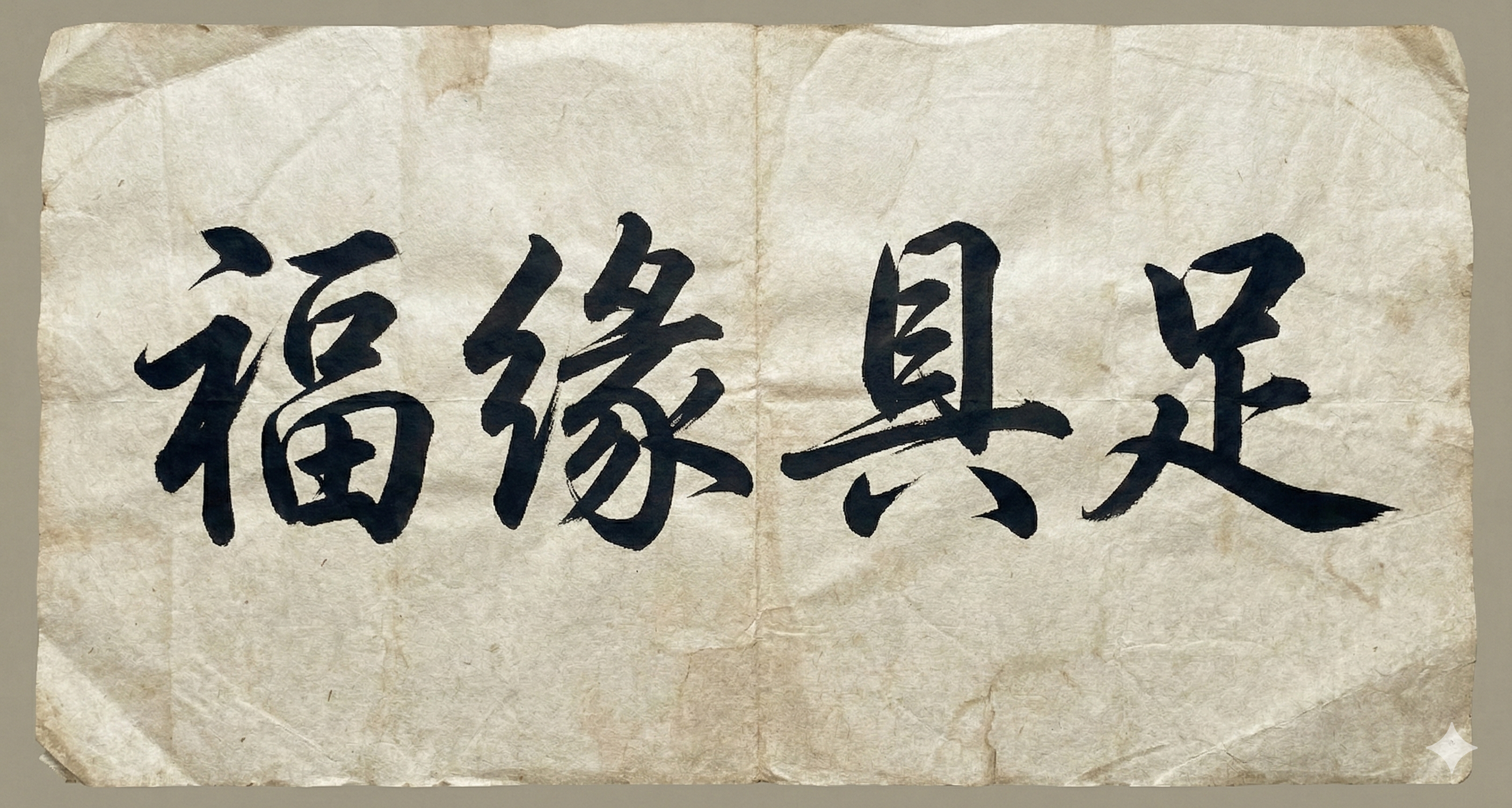
When fear affects work or study, people tend to blame themselves. Writing or engraving can serve as a small transition before a task; there's no set content, just a way to help the body slow down from tension. After finishing, choose a very small task to begin. You don't need to immediately regain full efficiency; finding your rhythm is crucial for recovery. Give yourself some space. Take it slow. Even a little bit counts. If you feel uncomfortable, stop. Give yourself some space. Take it slow. Even a little bit counts. If you feel uncomfortable, stop.
○ Art Therapy Guidance
To restore work and study efficiency, you can draw a small task map. The center represents the task you can complete today, while the outer ring represents tasks that aren't urgent. Don't fill the screen; leave room for rest. The image will remind you that recovery isn't about immediately returning to peak efficiency, but about starting with a manageable small task. Even a little bit counts. Take it slow. It doesn't need to be perfect. Pause if you feel uncomfortable. Even a little bit counts. Take it slow. It doesn't need to be perfect. Pause if you feel uncomfortable.
Please log in before submitting your drawings and feelings.

○ Diary Healing Suggestions
When panic affects your work or studies, please don't let one episode negate your abilities. Today, write down the most impactful point from the course, and also set a small, manageable goal, such as completing a ten-minute task or a low-stress conversation. These small actions should be achievable. Recovery isn't about immediately returning to peak efficiency, but about gradually regaining a stable rhythm. If you can only accomplish a little today, acknowledge that it counts. Keep your small actions light, so you have a real chance to achieve them tomorrow. A journal isn't an exam, but a place where you can find understanding.
Please log in to use.
After completing the emotional exposure training, remind yourself: fear and shame can coexist, but they don't have to dictate my departure.