

Lesson 321: Understanding the Nature of "Prolonged Decline"

Course duration:70 minutes
Prolonged low moods are often not as obvious as a dramatic breakdown, but they gradually erode interest, energy, and self-confidence. This section distinguishes mood swings from persistent depression, explaining the "mild but prolonged" characteristics, allowing you to see the problem earlier and take better care of yourself. When practicing, don't rush to achieve immediate improvement; instead, first identify a small action you can start with. You can also write down your physical reactions, mood changes, and actionable steps as a basis for later review.
○ Course topic audio
Lesson 321: Understanding the Nature of "Prolonged Decline"
Click to view the read-aloud text
In Lesson 321, we gradually delve into "Understanding the Essence of 'Prolonged Depression'." Prolonged depression isn't simply a bad mood; it's more like someone being in a state of low energy for an extended period. It's not a lack of effort, but rather a gradual erosion of the emotional system, physical energy, and expectations for life. You can imagine someone carrying a heavy coat for many years, eventually forgetting that they could have carried a lighter load. Prolonged depression often feels like this; it doesn't necessarily cause daily breakdowns, but it gradually dulls the colors of life, turning "I'm okay," "It's alright," and "I'm used to it" into common phrases. What I want to do with you today isn't to suddenly take off that coat, but to feel its weight, to understand that you haven't been tired for no reason all these years. Perhaps you've become accustomed to saying, "That's just how I am," and to describing your depression in a calm tone. But if this depression has been with you for too long, it deserves to be acknowledged, not simply accepted as a personality trait. Today, you can write a sentence: What is the most obvious manifestation of my prolonged depression? Write only a genuine observation, without judgment. If you feel a little overwhelmed after listening, please pause, drink some water, or look out the window. You're not being defined; you're just finally beginning to understand long-term depression. If this depression is consistently impacting your basic life, please seriously consider seeking professional support offline. You can visualize Lesson 321 in a concrete way: for example, waking up in the morning, feeling no overwhelming sadness, but also lacking the energy to start the day. This imagery in "Recognizing the Nature of 'Long-Term Depression'" is ordinary, yet often more accurate than grand pronouncements. It lets you know that Lesson 321 isn't about being melodramatic, but rather that depression has taken up too much space in the details and needs careful attention. When practicing "Recognizing the Nature of 'Long-Term Depression'," try not to record yourself with a judgmental tone, but rather like you would with someone who has been struggling for a long time—give yourself some patience. After listening to this, you can place your hand on your chest and tell yourself: I didn't suddenly become like this; I've just been tired for too long and need to be understood. Lesson 321 only requires opening up to this one point.

AI Healing Q&A
AI-powered healing and Q&A can help you identify the characteristics of chronic low mood: it may not be intense, but it often lasts a long time, is dull, and draining. You can describe your recent mood, energy levels, and daily functioning. The AI will help you break down "this is how I am" into observable signals and choose a gentle, small action. Take it slow; you don't need to be perfect all at once. Just take one small step today. If the pain intensifies, seek professional support promptly. Give yourself some patience and space. Take it slow; you don't need to finish everything at once.

○ Music therapy guidance
Music therapy can begin with a low-volume, steady sound. Prolonged depression is often like a gray fog—not intense, but constantly draining. Don't force yourself to be happy with music; simply let the melody help you identify your emotions, energy, and physical state. Gently seeing the shape of your depression is the first step in taking care of yourself. Take it slow; you don't need to be perfect all at once. Just take one small step today. If the pain intensifies, seek professional support promptly. Give yourself some patience and space.

○East-West Healing Tea Drinks
For tea, you can choose lily and ophiopogon japonicus tea, red date and goji berry tea, or light tangerine peel tea. Drink slowly, savoring the temperature of the cup and the aroma of the tea, and remind yourself that prolonged low mood cannot be solved by blame; it requires continuous care.
○ Healing Recipes
Lamb and wolfberry soup
Lamb and goji berry soup is a suitable therapeutic recipe after this lesson. The lamb is warming, and the goji berries are slightly sweet; the soup can provide gentle support during periods of prolonged low mood and fatigue. Slowly sip the soup, savoring the warmth, aroma, and feeling of fullness, allowing your body to stabilize first, and then gradually understand that feeling down is not a sign of character failure. If you are still tired, eat small amounts slowly, without turning eating into a chore. You can also write down your emotional changes during the meal, making it a gentle form of self-reflection.
Warm soups, physical support, chronic depression
Open the healing recipe
◉ Eastern Food Therapy · Soups · 321, Lamb and Goji Berry Soup
I. Recommended Dietary Therapy and Reasons
Recommended dishes:Lamb and wolfberry soup
Recommended reasons: Lamb and wolfberry soup is a mild, delicate, and easy-to-eat oriental therapeutic dish, suitable as daily support during periods of prolonged depression and mental and physical recovery. The soup is primarily slow-cooked, emphasizing warmth, lightness, and sustained nourishment, providing physical stability when fatigued, experiencing loss of appetite, or emotional numbness. It doesn't aim for strong stimulation, but rather, through a bowl of warm soup, allows one to slowly restore rhythm, breathing, and a sense of being cared for.
2. Recipe and Method
Recipe (1–2 servings):
- 260g of lamb, cut into chunks and blanched.
- 10 g wolfberry
- 3 slices ginger
- 1000 ml of clean water
- A small amount of chopped green onion, optional
- a pinch of salt
practice:
- Clean the main ingredients thoroughly, and blanch meat or bones in cold water first.
- After scooping them out, rinse off the scum with warm water and put them in a stew pot for later use.
- Add ingredients such as herbs, beans, roots, or dried fruits.
- Pour in water, bring to a boil over high heat, then reduce to a simmer.
- Simmer for 60–90 minutes to allow the flavors to meld and the ingredients to soften.
- Easily cooked leafy greens, goji berries, or chrysanthemums can be added 5–10 minutes later.
- Finally, add a small amount of salt to taste and serve warm.
3. Small rituals for body and mind
When preparing mutton and wolfberry soup, you can first observe the color, aroma and texture of the ingredients, and gradually shift your attention from external matters back to the actions in your hands.
During heating or stirring, slow down and feel the ingredients transform from scattered pieces into a cohesive whole. Remind yourself: I don't need to perform perfectly right away; I just need to gently bring myself back to the present moment.
When you take your first bite, feel the warmth, softness, and simple aroma to let your body know that it is safe and bearable at this moment, and you can relax a little.
4. Dietary Therapy Experience Record
- Record the time of consumption: whether it is breakfast, lunch, dinner, or a supplement when feeling down, tired, or after class practice.
- Observe whether there are any changes in stomach burden, fullness, refreshment, and mental stability within 30–60 minutes after consumption.
- If you consume this soup when you are feeling down, stressed, or have an unstable appetite, you can record whether the mutton and wolfberry soup helps you regain a sense of control over your body.
V. Instructional Videos (approximately 3–5 minutes)
Video Title:Lamb and Goji Berry Soup: A Mild and Stable Oriental Dietary Recipe
6. Precautions
- It is recommended to eat it warm, and it is not recommended to consume large quantities of the cold version when you are physically tired.
- Herbal, sweet, or animal-based ingredients should be used in small amounts according to individual constitution.
- Do not eat too much at one time to avoid overeating or putting extra strain on your stomach.
- For first-time users, it is recommended to try a small amount and observe the body's reaction.
- If you have a chronic illness, are pregnant, have allergies, are taking medication, or have special dietary restrictions, please consult a professional first.
hint:This recipe is for daily physical and mental well-being and is not a substitute for any medical diagnosis or treatment. If you have chronic illnesses, are pregnant, have food allergies, are taking medication, or have special nutritional restrictions, please prioritize following the advice of your healthcare provider and nutritionist.

Mandala Viewing Healing
When viewing a mandala, first focus your gaze on the center, as if gently approaching the core of a long-standing emotional low. You don't need to immediately change your mood; simply observe the colors, lines, and your body's response. This long-term low may have been prolonged and dulled, but right now you are gently seeing it. Seeing is the beginning of healing. Take your time; you don't need to achieve perfection all at once. Just take one small step today. If the pain intensifies, seek professional support promptly. Give yourself some patience and space. Take your time; you don't need to achieve perfection all at once.
● AI Dynamic Geometric Vision Focus and Emotion Regulation Engine ●
AI Dynamic Geometric Vision Focus and Emotion Regulation Engine · v7.0.0
Before we begin, I'd like to know how you feel right now.
There is no standard answer; just choose the one that best reflects how you feel right now.
The experience is over. Tell us how you feel now.
There is still no standard answer; just choose the one that best reflects how you feel right now.
#FF5252
After the fluorescent line crawling is completed and stopped, first select a color, then click on the closed area in the graphic to fill in the color.
AI Digital Mandala Interactive Focus Engine
A–Z Free Selection · Layered Lines · 60 Color Fills
AI Digital Mandala Static Focus EngineAZ Image Coloring · 60 Colors

○ Calligraphy and engraving therapy practice
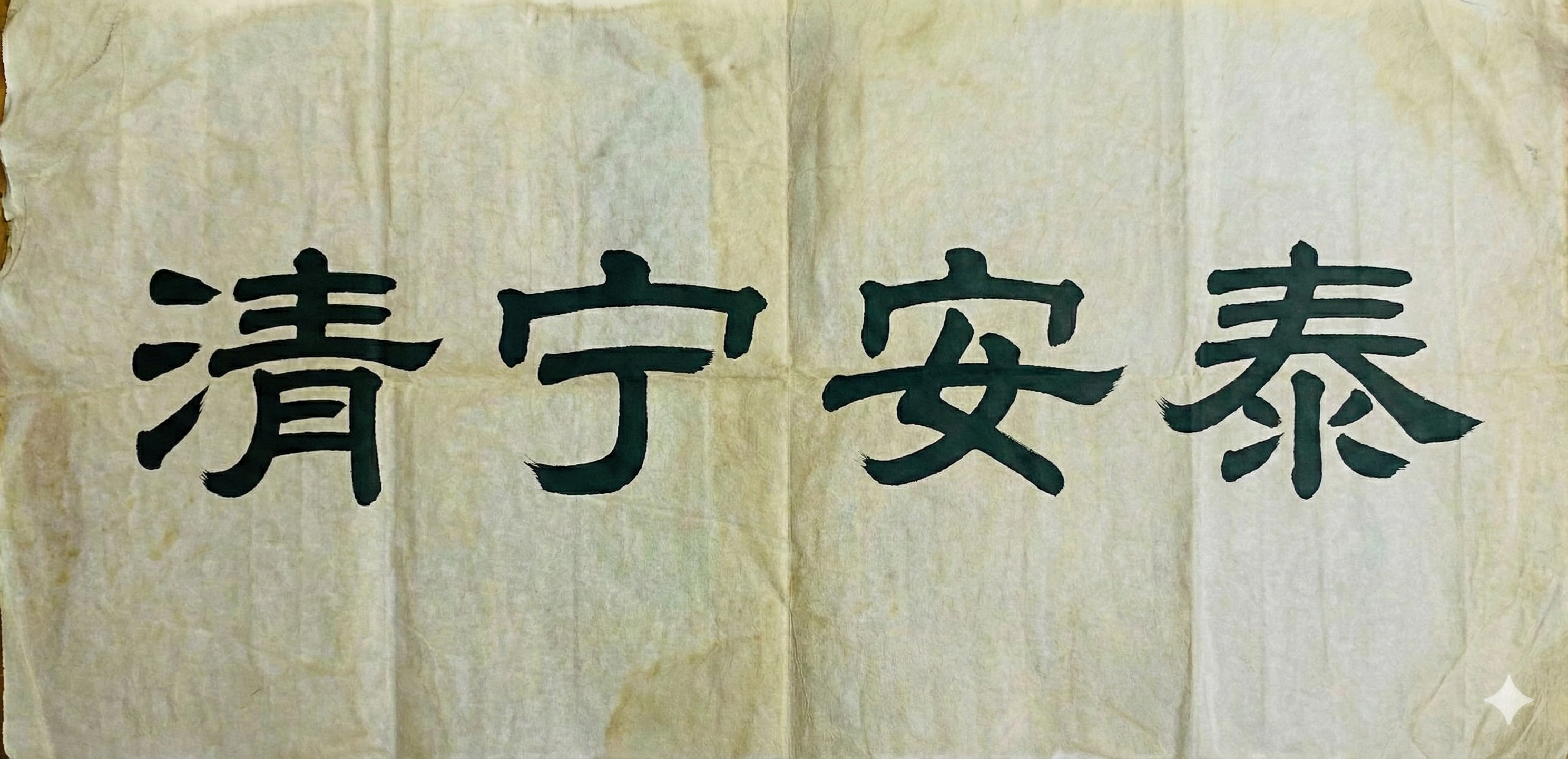
The therapeutic practice of calligraphy and seal carving can begin with sitting quietly. When facing prolonged low mood, don't rush to explain it, nor prescribe specific words; simply feel the movement of your hand, your breathing, and the pauses. Each stroke is a message to yourself: This low mood can be seen, and I can take care of it slowly. Please take it slow. Even a little bit counts. If you feel uncomfortable, stop. Give yourself some space. Please take it slow. Even a little bit counts. If you feel uncomfortable, stop. Give yourself some space. Please take it slow.

○ Art Therapy Guidance
Art therapy guides you to put your long-term feelings of depression onto paper. Don't try to make it look realistic, and don't rush to explain it. Just use color, lines, or shapes to express that light yet lingering, dull yet heavy state. After you finish, take a look: is it like fog, gray clouds, or a slowly pressing weight? Being seen is the beginning. Take your time. It doesn't need to be perfect. If you feel uncomfortable, stop. Even a little bit counts. Take your time. It doesn't need to be perfect. If you feel uncomfortable, stop. Even a little bit counts.
Please log in before submitting your drawings and feelings.

○ Diary Healing Suggestions
Today's journal entry can include the most poignant point: perhaps the realization that prolonged periods of low mood, while not necessarily intense, can slowly erode one's life. Also, write down a small action, such as recording one instance each of your mood, energy level, and functional state today. Don't rush to prove you're okay; gently acknowledge that this low mood deserves to be seen and cared for. After writing, give yourself a gentle affirmation: I'm learning; I don't need to be perfect right away. If you can only accomplish a little today, acknowledge that even that little bit counts. Schedule your small actions lightly, so that you truly have the opportunity to achieve them tomorrow.
Please log in to use.
May you gradually return to a more stable, clear-headed, and gentler version of yourself through today's practice.
This unit's comprehension test
After completing the lesson's main topic, you can access the corresponding lesson's comprehension test here.