

Lesson 432: Festivals and a Sense of Emptiness

Course duration:70 minutes
This lesson begins with "Holidays and Emptiness," exploring low-expectation plans for holidays and using simple rituals and small-scale connections to offset feelings of loss. It helps learners see the rhythmic factors behind emotional changes, reducing self-blame and establishing a foundation for subsequent practices in light exposure, rest, nutrition, and action. The key is to make caregiving concrete, gentle, and sustainable. Instead of rushing to cheer yourself up, focus on restoring a sense of rhythm. Transform self-care from vague wishes into concrete actions.
○ Course topic audio
Lesson 432: Festivals and a Sense of Emptiness
Click to view the read-aloud text
When learning about "Holidays and Emptiness," please put aside self-blame for now. Seasonal mood swings are not simply laziness or a lack of willpower; they often form a cycle with reduced sunlight, difficulty waking up in the morning, excessive sleep, reduced activity, and social withdrawal. Plan for holidays with low expectations, using simple rituals and small-scale connections to counteract feelings of emptiness and loss. The most common misconception when seasonal changes affect mood is: "Why am I so lazy? Am I regressing? Why don't I want to see people again?" In reality, the body may be entering a low-energy conservation mode due to insufficient daylight, shifted wake-up times, reduced activity levels, and temperature changes. What you need is not more self-criticism, but clearer rhythmic support. The first step in this lesson is to record your state. Please write down your wake-up time, bedtime, daylight exposure, afternoon energy, changes in appetite, social willingness, and emotional temperature for the past week. Don't rush to judge whether it's good or bad; just focus on identifying patterns. Seasonal mood swings are most vulnerable to ambiguity. Once you have a record, you can shift from "Why am I like this again?" to understanding where you are being affected. The second step is to choose a low-intensity adjustment action. This could be opening the curtains after waking up, sitting by the window for ten minutes, taking a short walk, doing three minutes of stretching after drinking water, dimming your screen at night, or preparing a protein-rich breakfast. These small actions aren't perfunctory; they're sending a stabilizing signal to your biological clock. The third step is to reduce the feeling of isolation associated with the season. When feeling down, you can avoid high-intensity social interactions, but you should still maintain some connection. For example, send a message to someone you trust to update them, arrange a short walk, or complete a low-stress interaction during the day. Relationships don't need to be bustling; just enough to prevent you from being completely trapped by the season. If seasonal affective disorder is accompanied by severe insomnia, significant functional impairment, intense despair, self-harming thoughts, or decreased sleep with abnormal excitement or increased impulsivity, please contact a doctor, psychologist, or offline crisis resources promptly. Course exercises can help with self-care but cannot replace professional assessment. Finally, give yourself a reassuring reminder: My state is affected by the season, but I am not completely determined by it. Today, a little more sunlight, a small action, a journal entry, or a gentle connection is already building your own seasonal emotional care system. After reading aloud, please write down a time of day most susceptible to seasonal influences, and a minor adjustment you can make tomorrow. The next time you feel sluggish, don't immediately blame yourself; first check if your light exposure, sleep, diet, and activity levels have deviated from their natural rhythms. You're not learning to force yourself to like winter, but to find a tolerable lifestyle within the seasons. Each small adjustment to your rhythm accumulates new experiences of safety and alertness for your body.

AI Healing Q&A
This section is suitable for asking "What should I do now?" AI will combine "holidays and feelings of emptiness" to help you discern the relationship between seasonal influences, your daily rhythms, and self-blaming language, offering gentle advice on offsetting disappointment with low-expectation plans and small rituals. The focus isn't on urging you to cheer up, but rather on finding one small thing you can accomplish today and reminding you to seek professional support when necessary. Making Q&A more relatable. Helping you gradually restore your rhythm. Making the next step clearer.

○ Music therapy guidance
This lesson's musical guidance revolves around "Festival and Emptiness." It's recommended to use soft piano, low-frequency strings, or natural sounds to help the body gradually return to its rhythm from the low expectations, small rituals, disappointment, and emptiness of the holiday season. Keep the volume moderate and use it in conjunction with stretching, drinking water, or morning sunlight, allowing the music to be a starter rather than a stimulus. Let the rhythm slowly return. Give your body some support. Give your emotions a place to settle. Let the rhythm slowly return. Give your body some support.

○East-West Healing Tea Drinks
This lesson can be paired with a spiced cocoa drink. Cocoa with cinnamon and turmeric is suitable for relieving stress and physical discomfort. When preparing, let the water temperature, aroma, and hand gestures serve as stabilizing signals, and then combine this with exercises involving light exposure, recording sleep patterns, or mood changes. It's not a substitute for treatment, but rather helps the body gain a sense of clarity, warmth, and continuous care during seasonal changes. It helps the rhythm slowly return. It makes care concrete. It helps the body gradually stabilize. It helps the rhythm slowly return. It makes care concrete.
○ Healing Recipes
Tomato and Enoki Mushroom Warm Soup
This dish can be paired with a warm tomato and enoki mushroom soup. The soup is sweet and refreshing, perfect for anti-oxidation and afternoon metabolism recovery. When preparing it, keep it warm, light, and easily digestible, allowing the aroma of the broth and ingredients, along with the slow pace of eating, to serve as a safe reminder to your body. It's not a treatment or replacement, but rather a way to make seasonal care more specific and actionable. Make care concrete. Help your rhythm slowly return. Let your body gradually stabilize. Make care concrete.
Open the healing recipe
◉ Japanese Food Therapy · Unit 12 · 432, Tomato and Enoki Mushroom Warming Soup
I. Recommended Dietary Therapy and Reasons
Recommended dishes:Tomato and Enoki Mushroom Warming Soup (Antioxidant & Metabolism Boosting)
Recommended reasons: Tomato and enoki mushroom warm soup is a mild, light, and seasonally beneficial Japanese medicinal dish, suitable for inclusion in seasonal affective disorder (SAD) programs as a support for stabilizing bodily rhythms, replenishing body temperature, and restoring daily appetite. Its sweet and sour flavor is refreshing and helps restore brightness and appetite during the holiday season's emptiness. When soups, porridges, rice dishes, or hot pots are consumed warm, they send clear reassurances to the body, allowing individuals to rediscover a sense of being cared for during periods of coldness, lethargy, drowsiness, or lack of energy. It is suitable for consumption in small, warm portions for breakfast, lunch, or dinner, helping learners integrate food therapy into their rhythm management.
2. Recipe and Method
Recipe (1–2 servings):
- 1 tomato
- 100g of enoki mushrooms
- 550 ml of kombu dashi (broth)
- 80g of tofu
- a pinch of salt
practice:
- Cut the tomatoes into chunks and remove the roots from the enoki mushrooms.
- Tomatoes are added to the broth and cooked to create a sweet and sour flavor.
- Add enoki mushrooms and tofu.
- Simmer over low heat for 5 minutes, then season with a little salt.
- Eat warm.
- Before eating, smell the aroma and observe the color of the soup, then slowly put it in your mouth.
- Adjust the saltiness and portion size according to your physical condition, keeping it mild and not excessive.
3. Small rituals for body and mind
When preparing a tomato and enoki mushroom soup, you can first focus your attention on the water temperature, steam, the color of the ingredients, and your hand movements, allowing your body to gradually return to the present moment from a state of distraction, sluggishness, or low mood.
During heating or stirring, slow down and remind yourself: I don't need to become energetic immediately, I just need to give my body a stable start.
When you take your first bite, feel the warmth as it travels from your mouth into your stomach. View this meal as a small step in your daily rhythmic care, rather than a demand on yourself.
4. Dietary Therapy Experience Record
- Record when you eat it, whether it's breakfast, lunch, dinner, or a supplement when you're feeling down, cold, sluggish, or have difficulty getting up in the morning.
- Observe whether there are any changes in body temperature, satiety, mental alertness, and emotional stability within 30–60 minutes after consumption.
- If you consume it during prolonged cloudy days, a holiday feeling of emptiness, or a lack of energy in winter, you can record whether it helps you regain some motivation.
V. Instructional Videos (approximately 3–5 minutes)
Video Title:Tomato and Enoki Mushroom Warm Soup: A Gentle and Nourishing Dish in the Seasonal Rhythm
6. Precautions
- Soups and hot pot dishes are best eaten warm; it is not recommended to consume large quantities directly after refrigeration.
- Miso, soy sauce, or broth contain sodium, so blood pressure managers should control the amount of seasoning they use.
- Those allergic to seafood, beans, dairy products, mushrooms, or sake lees should replace these foods with the corresponding alternatives.
- For first-time users, it is recommended to consume a small amount and observe the stomach, skin, and sleep reactions.
- It is not advisable to eat too much salt or too much food at night, so as not to affect sleep and water metabolism.
hint:This recipe is for daily physical and mental well-being and is not a substitute for any medical diagnosis or treatment. If you have chronic illnesses, are pregnant, have food allergies, are taking medication, or have special nutritional restrictions, please prioritize following the advice of your healthcare provider and nutritionist.

Mandala Viewing Healing
This lesson suggests viewing a mandala of "a luminous ritual within a festive, hollow space." Maintain natural breathing and observe the orderly expansion of the pattern from the center outwards, bringing your attention back to the present moment from scattered thoughts. After viewing, record one bodily sensation, allowing the mandala to serve as a gentle and stable anchor point, in addition to light therapy, sleep, and emotional reflection. Let the rhythm slowly return. Let viewing be gentle care. Help your body stabilize. Let the rhythm slowly return. Let viewing be gentle care.
● AI Dynamic Geometric Vision Focus and Emotion Regulation Engine ●
AI Dynamic Geometric Vision Focus and Emotion Regulation Engine · v7.0.0
Before we begin, I'd like to know how you feel right now.
There is no standard answer; just choose the one that best reflects how you feel right now.
The experience is over. Tell us how you feel now.
There is still no standard answer; just choose the one that best reflects how you feel right now.
#FF5252
After the fluorescent line crawling is completed and stopped, first select a color, then click on the closed area in the graphic to fill in the color.
AI Digital Mandala Interactive Focus Engine
A–Z Free Selection · Layered Lines · 60 Color Fills
AI Digital Mandala Static Focus EngineAZ Image Coloring · 60 Colors

○ Calligraphy and engraving therapy practice
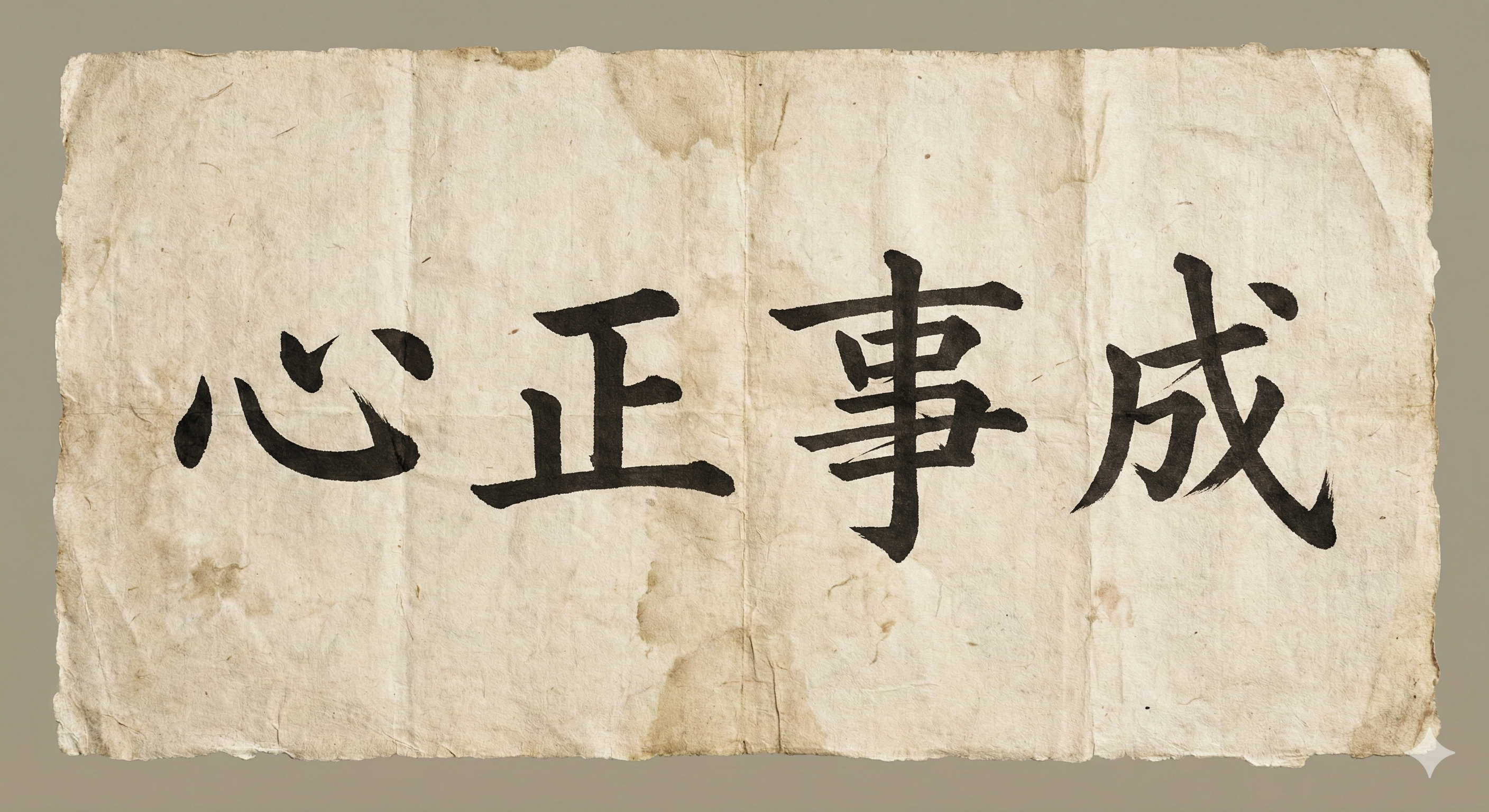
This lesson suggests writing "Frugality, Simplicity, and Peace." For the regular script, maintain a slow, upright, and steady pace, coordinating each stroke with a natural exhale. For the engraved script, focus only on the borders, main characters, and white space, avoiding complex engraving techniques. Through repetitive writing and a square structure, help gradually transform the sluggishness of the season into a clear and actionable order. Let writing become a rhythmic anchor. Help the body gradually stabilize. Let the mind return to the present moment.

○ Art Therapy Guidance
This lesson suggests drawing around the theme of "small rituals within the hollow feeling of a holiday." You can use lines, blocks of color, or simple geometric shapes to represent the body's sluggishness, alertness, withdrawal, or connection. Don't judge the quality of your drawing; simply observe which colors bring a sense of calm to the body and use them as a guide for the next step in rhythmic care. Let the drawing become a rhythmic anchor. Help emotions settle down. Make the care concrete.
Please log in before submitting your drawings and feelings.

○ Diary Healing Suggestions
This lesson's journaling suggestion begins with "Holidays and Emptiness." First, write down the most obvious seasonal signals of the day, then record holiday anticipation, feelings of emptiness, and small rituals, rating them from 0 to 10 for energy and emotion. Next, write down a small, actionable action, such as opening a window, drinking water, going outside for three minutes, or reducing screen time, making caregiving concrete. Let the journaling become a stable anchor. Help the rhythm slowly return. Make the next step clearer. Let the journaling become a stable anchor. Help the rhythm slowly return. Make the next step clearer.
Please log in to use.
May you gradually return to a more stable, clear-headed, and gentler version of yourself through today's practice.