

Lesson 516: Maintaining Self-Structure Amidst Instability

Course duration:70 minutes
This course will help you develop your own comfort toolkit. It can include breathing exercises, music, hot drinks, walks, writing, watching a quiet video, or contacting someone you trust. The course will help you be less panicked when you're feeling overwhelmed and provide you with several gentle options that you can immediately use.
○ Course topic audio
Lesson 516: Maintaining Self-Structure Amidst Instability
Click to view the read-aloud text
Today, I want to gently approach you with the theme: creating your personal comfort toolbox. When emotions are heavy, we often lack the energy to think of solutions. Anxiety urges you to solve problems immediately, and depression makes you feel useless. At times like these, having some simple tools prepared in advance is like placing a small lamp in the darkness. Your comfort toolbox doesn't need to be complicated or expensive; it just needs to suit you. We can divide it into several categories: Physical: Warm water, hot compress, stretching, slow breathing, washing your face, hugging a blanket. Sensory: Quiet music, soft lighting, a favorite scent, a calming picture, or a piece of text that makes you feel safe. Action: Take a three-minute walk, tidy up a small area of your desk, write down a sentence, put your worries on paper. Relationship: Contact a trusted person, send a pre-written request for help, such as "I'm having a hard time right now, can you keep me company?" Professional: Contact information for doctors, counselors, hotlines, or emergency resources. Please write these down, or you can actually put them in a small box or your phone's memo pad. When emotions arise, you don't need to use everything; just choose the easiest one. Remember, this toolbox isn't meant to make you feel better immediately, but to help you feel less panicked, less alone, and have more options to grasp. The tools also need to be tested; some are suitable for early-stage anxiety, some for low energy, and some for before bed. You can gradually adjust and find what truly works. Soothing isn't weakness; it's telling yourself: I deserve to be cared for, and I don't need to wait until I break down to start protecting myself. After reading aloud, please write down the five things you'd most like to put into your soothing toolbox first.

AI Healing Q&A
○ AI-powered healing Q&A: When you're unsure what to do when emotions arise, you can ask AI to help you build a personal comfort toolkit. AI will help you organize your physical, sensory, behavioral, relational, and professional support resources, such as warm water, music, short walks, help requests, and hotline numbers. This way, when difficulties arise, you'll have more options to rely on.

○ Music therapy guidance
○ Music Therapy Guidance: When creating a personal comfort toolkit, you can include music itself. Please select three types of music: calming music for when you're anxious, warm music for when you're feeling down, and slow music for before bed. Write down when to use each type. This way, you won't have to seek comfort immediately when emotions arise.

○East-West Healing Tea Drinks
○ Chamomile Tea: When creating your personal comfort toolkit, consider including chamomile tea in your nighttime comfort category. It's suitable for drinking when feeling tense, irritable, or restless before bed. Please also write down when to use other teas, so that when difficulties arise, you won't need to search for comfort on the fly; gentle options will already be available for you.
○ Healing Recipes
Lesson 516: Developing a Personal Comfort Toolkit
○ Healing Recipe: Steamed Egg with Green Tea: When creating your personal comfort kit, consider including steamed egg with green tea. The eggs are steamed until soft, then infused with a light green tea broth, resulting in a delicate and refreshing taste. It's suitable for when you're feeling emotional or have a poor appetite. Remember this simple food: when difficulties arise, you don't need to search for comfort immediately; a gentle option is already available.
Open the healing recipe
Japanese Food Therapy: Steamed Egg with Green Tea
I. Recommended Dietary Therapy and Reasons
Recommended dishes:Steamed Egg with Green Tea (Gentle and Refreshing)
Recommended reasons:This lesson develops a personal comfort toolkit. Soft and soothing foods can be placed in body-related tools to remind you that you can eat something gentle even when you're feeling emotional.
2. Recipe and Method
Recipe (1–2 servings):
- 2 eggs
- 180 ml of light green tea
- A pinch of salt
- Optional: a small amount of diced soft tofu
- Optional: a small amount of diced shiitake mushrooms
practice:
- Wash the main ingredients thoroughly. Prepare the parts that need to be peeled, sliced, or shredded by cutting them into small, easy-to-eat pieces.
- Mix the egg liquid with light green tea broth, filter, and steam over low heat until it becomes a delicate texture.
- Keep the seasoning light, with less salt and sugar, and avoid using strong flavors that overpower the ingredients, making it easier for the body to accept.
- During the preparation process, you can slow down your movements and treat washing, cutting, boiling, and mixing as a small exercise to bring your attention back to the present moment.
- After serving, let it cool slightly to a comfortable temperature before eating to avoid putting extra strain on your body if it's too hot or too cold.
- Take your first bite slowly, savoring the aroma, temperature, and texture before letting your body decide whether to continue.
- If you have a poor appetite that day, you can eat a small amount. There is no need to force yourself to finish it. The key is to let your body know that you are being taken care of.
3. Small rituals for body and mind
When preparing green tea steamed eggs, you can first arrange the ingredients neatly to see their colors, shapes, and delicate textures. This small action can help your attention gradually shift from anxiety, depression, or recurring worries back to the present moment.
While waiting for your food to finish, give yourself three slow breaths. You don't need to immediately explain all your emotions or solve all your problems; just let your body know that you are safe at this moment.
When you take your first bite, focus on the temperature, aroma, and soft texture. You can gently tell yourself: I'm taking care of myself; I'm willing to slow down; I can start over.
4. Dietary Therapy Experience Record
- Record the time of consumption: whether it is breakfast, lunch, dinner, or a meal to settle down after emotional fluctuations.
- Observe changes in stomach comfort, body temperature, mental stability, and mood intensity within 30–60 minutes after consumption.
- If you consume it on days when you feel particularly anxious or down, you can keep track of whether it helps you slow down or gives your body a greater sense of security.
V. Instructional Videos (approximately 3–5 minutes)
Video Title:Steamed Egg with Green Tea: Japanese Refreshing Food Therapy and Emotional Soothing
6. Precautions
- Dietary therapy should be done in small, light portions, and adjusted according to the body's reaction. It is not recommended to force yourself to finish a meal when you are feeling unwell.
- If you are allergic to seaweed, soy products, eggs, fish, tea, or citrus fruits, please choose suitable alternatives.
- Those with sensitive stomachs, pregnant women, those with chronic diseases, or those currently taking medication should prioritize following the advice of medical professionals and nutritionists.
hint:This recipe is for daily physical and mental well-being and is not a substitute for any medical diagnosis or treatment. If you experience emotional distress, noticeable or persistent physical symptoms, please seek professional help promptly.

Mandala Viewing Healing
When creating a personal comfort toolkit, you can include mandala viewing in the sensory comfort category. Choose a pattern that makes you feel safe and note the times when it's suitable to view it. When emotions arise, you don't need to search for direction temporarily; you can first return to the center of this pattern.
● AI Dynamic Geometric Vision Focus and Emotion Regulation Engine ●
AI Dynamic Geometric Vision Focus and Emotion Regulation Engine · v7.0.0
Before we begin, I'd like to know how you feel right now.
There is no standard answer; just choose the one that best reflects how you feel right now.
The experience is over. Tell us how you feel now.
There is still no standard answer; just choose the one that best reflects how you feel right now.
#FF5252
After the fluorescent line crawling is completed and stopped, first select a color, then click on the closed area in the graphic to fill in the color.
AI Digital Mandala Interactive Focus Engine
A–Z Free Selection · Layered Lines · 60 Color Fills
AI Digital Mandala Static Focus EngineAZ Image Coloring · 60 Colors

○ Calligraphy and engraving therapy practice
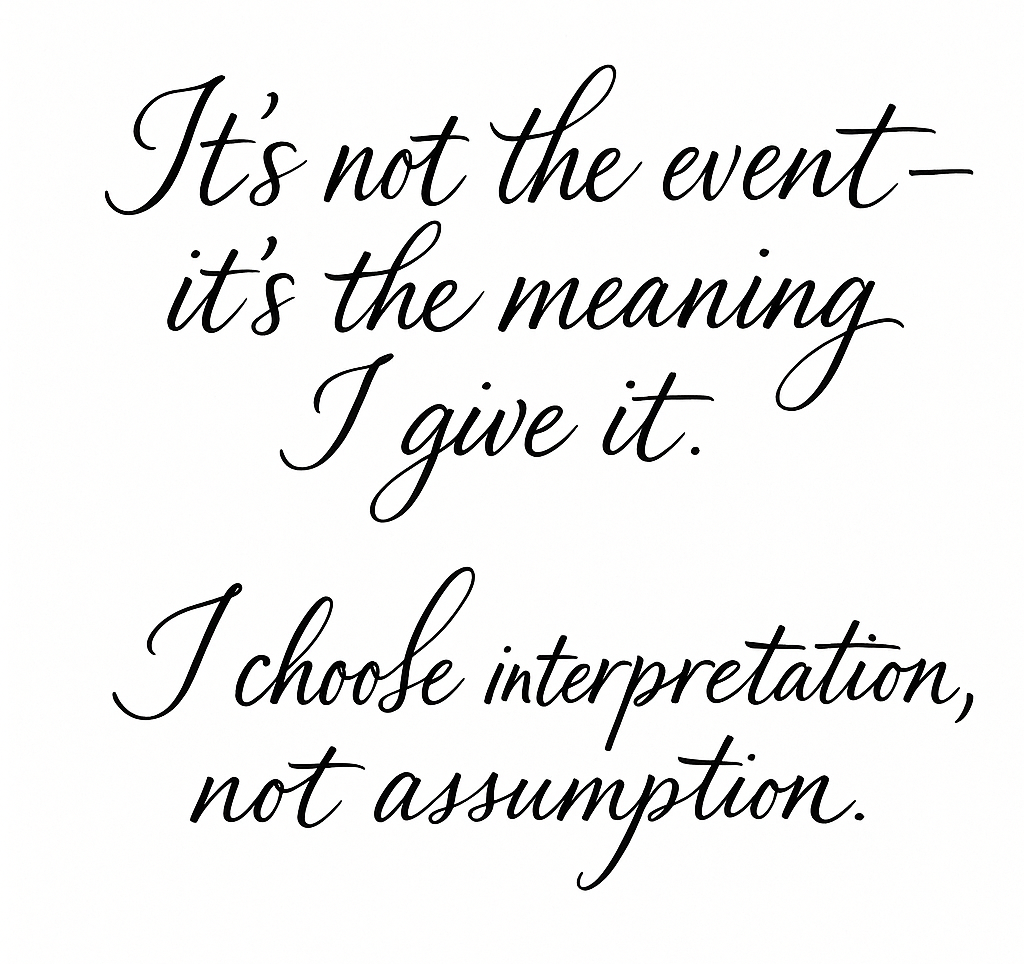
This calligraphy and seal engraving exercise has no specific content and does not require perfect character formation. When facing fluctuations and maintaining basic life structure, please focus your attention on holding the pen, placing the pen, pausing, and breathing, allowing the repetitive hand movements to gradually calm your nerves. Structure is not a constraint, but rather something to help you stand firm amidst fluctuations; practice can become a small fulcrum in your daily life. Please take it slowly. The focus of practice is not on how many strokes you complete, but on retaining a reliable sense of stability in each stroke, gently accompanying yourself through today.

○ Art Therapy Guidance
Please draw a personal comfort toolbox, containing symbols that can help you: music, a teacup, breathing lines, a mandala, a contact, warm water, or a safe resource. Draw only simple symbols for each item. The box doesn't need to be full, just realistically presentable. After drawing it, tell yourself: When difficulties arise, I am not without options.
Please log in before submitting your drawings and feelings.

○ Diary Healing Suggestions
Please divide your personal comfort toolkit into five categories: physical, sensory, action, relationship, and professional support. Write down one or two of the easiest-to-use items in each category. Don't strive for completeness, just ensure they are truly usable. Finally, write down the first tool you use when emotions arise, so you don't panic at the last minute.
Please log in to use.
May you gradually return to a more stable, clear-headed, and gentler version of yourself through today's practice.