

Lesson 571: Cognitive Reappraisal: Changing the Understanding of Events

Course duration:70 minutes
Cognitive reassessment isn't about denying pain, but about offering another perspective on events. You can write down your most troubling thoughts for AI, asking it to help find evidence, alternative explanations, and gentler, more realistic conclusions. Prioritize safety and affordability. You don't have to bear all the changes alone. This is also the beginning of re-caring for yourself. Let Q&A be a gentle respite. If necessary, contact offline professional support promptly. Your feelings deserve to be taken seriously. Seeing things clearly before making choices will lead to greater stability.
○ Course topic audio
Lesson 571: Cognitive Reappraisal: Changing the Understanding of Events
Click to view the read-aloud text
Today, I want to gently approach you with the theme of cognitive reappraisal: changing your understanding of events. Many emotions are not directly caused by the event itself, but rather by our interpretation of the event, which intensifies the emotion. Someone doesn't reply promptly, you might interpret it as them not caring; a canceled plan might be interpreted as always being left behind; a small mistake might be interpreted as being incapable of doing anything right. Please don't blame yourself for thinking this way. When people are tired, stressed, or lack security, the brain is more likely to choose the most dangerous, self-blaming, and pessimistic interpretation because it wants to protect you in advance. However, if you only believe the most painful interpretation every time, the emotions will become increasingly intense, and your body will become increasingly tense. Today, we will practice cognitive reappraisal. It's not about forcing yourself to be optimistic, nor is it about pretending everything is fine; it's about giving events a more realistic, gentler, and more actionable understanding. Please take a piece of paper and write down the most recent event that caused you emotional fluctuations. First, write only the facts, not your evaluations. For example, someone didn't reply for two hours; someone suggested changes in a meeting; the plan was temporarily adjusted. Second, write down your automatic interpretation. Please write honestly; there's no need to embellish. Third, ask yourself: What evidence supports this explanation, and what evidence doesn't? Fourth, write a more balanced explanation. For example, I don't know why the other person didn't reply right now, but I can check later; this revision doesn't mean I failed, it just means the work can be adjusted; the change in plans makes me uneasy, but I can still choose the next step. Finally, please pair your new explanation with a small action: wait, ask, revise, rest, seek help, or set boundaries. Remember, changing your understanding is not denying your feelings, but rather preventing them from being driven by the most extreme thoughts. You can be sad, or you can take a step further; you can be hurt, or you can hold your tongue. With consistent practice, you'll find that the same event can have more than one interpretation, and different interpretations will elicit different physical reactions. A gentler understanding is not weakness, but rather leaving yourself room to act. After reading aloud, please write a sentence: I am willing to check my explanation before choosing a response when strong emotions arise.

AI Healing Q&A
Cognitive reassessment isn't about denying pain, but about offering another perspective on events. You can write down your most troubling thoughts for AI, asking it to help find evidence, alternative explanations, and gentler, more realistic conclusions. Prioritize safety and affordability. You don't have to bear all the changes alone. This is also the beginning of re-caring for yourself. Let Q&A be a gentle respite. If necessary, contact offline professional support promptly. Your feelings deserve to be taken seriously. Seeing things clearly before making choices will lead to greater stability.

○ Music therapy guidance
When conducting cognitive reassessment, listen to a piece of clear and calming music. Write down the event at the beginning of the music, write down the automatic interpretation in the middle, and write down a more balanced understanding at the end. Let the melody help you gradually step back from the most extreme conclusions, making room for inquiry, waiting, modification, or seeking help.

○East-West Healing Tea Drinks
Green tea and jasmine tea are suitable for practicing cognitive reassessment. Green tea brings clarity, while the aroma of jasmine helps to relax the mind. Write down automatic interpretations and other possibilities within the aroma of the tea, allowing yourself to step back from the most painful conclusions and re-examine the event in a more realistic and gentler way.
○ Healing Recipes
Roman Grape Beans are a good choice for cognitive reassessment exercises. The soft bean puree and the gentle sweet and sour taste of the grapes suggest a more balanced understanding of the same thing. While slowly consuming them, write down automatic explanations, evidence, and new possibilities, allowing your body to support clearer judgments while feeling full.
Open the healing recipe
◉ Healing Recipe: Grape and White Bean Puree
I. Recommended Dietary Therapy and Reasons
Recommended dishes:Roman Grape Beans (smooth, filling, and balanced)
Recommended reasons:This lesson exercises cognitive reappraisal, changing our understanding of events. Grape and white bean puree is soft, satisfying, and slightly sweet and sour, suitable for helping the body remain stable while thinking. The white bean puree symbolizes basic support, and the grapes symbolize new interpretive perspectives, reminding you that new understanding is not about denying feelings, but about opening up space for action. Don't try to immediately change your emotions while eating it; simply treat this food as a gentle pause, allowing your body to receive support first, making it easier for your mind to reconsider.
2. Recipe and Method
Recipe (1–2 servings):
- 160 g cooked white beans
- 100 ml of unsweetened grape juice
- 1 tsp olive oil
- A pinch of salt
- A small amount of chopped herbs
practice:
- Wash the main ingredients and prepare the parts that need to be cut into pieces, steamed, boiled until soft, or prepared in advance.
- Simmer white beans and grape juice over low heat until flavorful, then mash into a soft bean paste and mix with a little olive oil.
- Use low heat, stir gently, or bake at a low temperature to allow the ingredients to meld together in a gentle rhythm.
- Keep the seasoning light, with less salt, sugar, and oil, and avoid using strong, pungent flavors that overpower the ingredients.
- Let it cool slightly after serving before eating. Take your first bite slowly to appreciate the temperature, aroma, and texture.
3. Small rituals for body and mind
When preparing grape and white bean paste, you can first arrange the ingredients neatly, noting their color, shape, and texture, so that your attention can gradually shift from emotional reactions, relational stimuli, event interpretations, or self-blame back to the present moment.
During the process, take three slow breaths. Don't rush to explain, respond to, or fix all the problems. Just let your body know: I am doing something small that can be accomplished.
When you take your first bite, first feel the temperature and texture, then gently tell yourself: I am taking care of myself, I am willing to take it slow, and I can choose to take the next step again.
If you're still feeling emotional, stop and don't force yourself to continue. What's truly important isn't eating a complete meal, but rather sending your body a safe, gentle signal that it's time to pause.
4. Dietary Therapy Experience Record
- Record the time of consumption; is it a regular meal or a meal to settle down after emotional fluctuations?
- Observe changes in stomach comfort, body temperature, and mood intensity within 30–60 minutes after consumption.
- Write a sentence: After this dietary therapy, what new action do I want to take care of myself?
V. Instructional Videos (approximately 3–5 minutes)
Video Title:Grape and White Bean Puree: Gentle Food Therapy Support in the Emotional Coping Disorder Course
6. Precautions
- Dietary therapy should be small, mild, and light; there is no need to force yourself to finish a meal when you are not feeling well.
- If you are allergic to grains, beans, nuts, eggs, dairy, fish, honey, or vanilla, please substitute this food.
- This recipe is for daily health maintenance and is not a substitute for medical diagnosis and treatment; please follow medical advice for special physical conditions.
hint:If you experience emotional distress, noticeable or persistent physical symptoms, please seek professional help promptly.

Mandala Viewing Healing
When conducting cognitive reassessment, visualize a clear mandala at the center. Place the facts at the center and the automatic interpretations and other possibilities on the outer ring. Each time your gaze returns to the center, remind yourself: the new understanding is not about denying feelings, but about giving yourself more room for action.
● AI Dynamic Geometric Vision Focus and Emotion Regulation Engine ●
AI Dynamic Geometric Vision Focus and Emotion Regulation Engine · v7.0.0
Before we begin, I'd like to know how you feel right now.
There is no standard answer; just choose the one that best reflects how you feel right now.
The experience is over. Tell us how you feel now.
There is still no standard answer; just choose the one that best reflects how you feel right now.
#FF5252
After the fluorescent line crawling is completed and stopped, first select a color, then click on the closed area in the graphic to fill in the color.
AI Digital Mandala Interactive Focus Engine
A–Z Free Selection · Layered Lines · 60 Color Fills
AI Digital Mandala Static Focus EngineAZ Image Coloring · 60 Colors

○ Calligraphy and engraving therapy practice
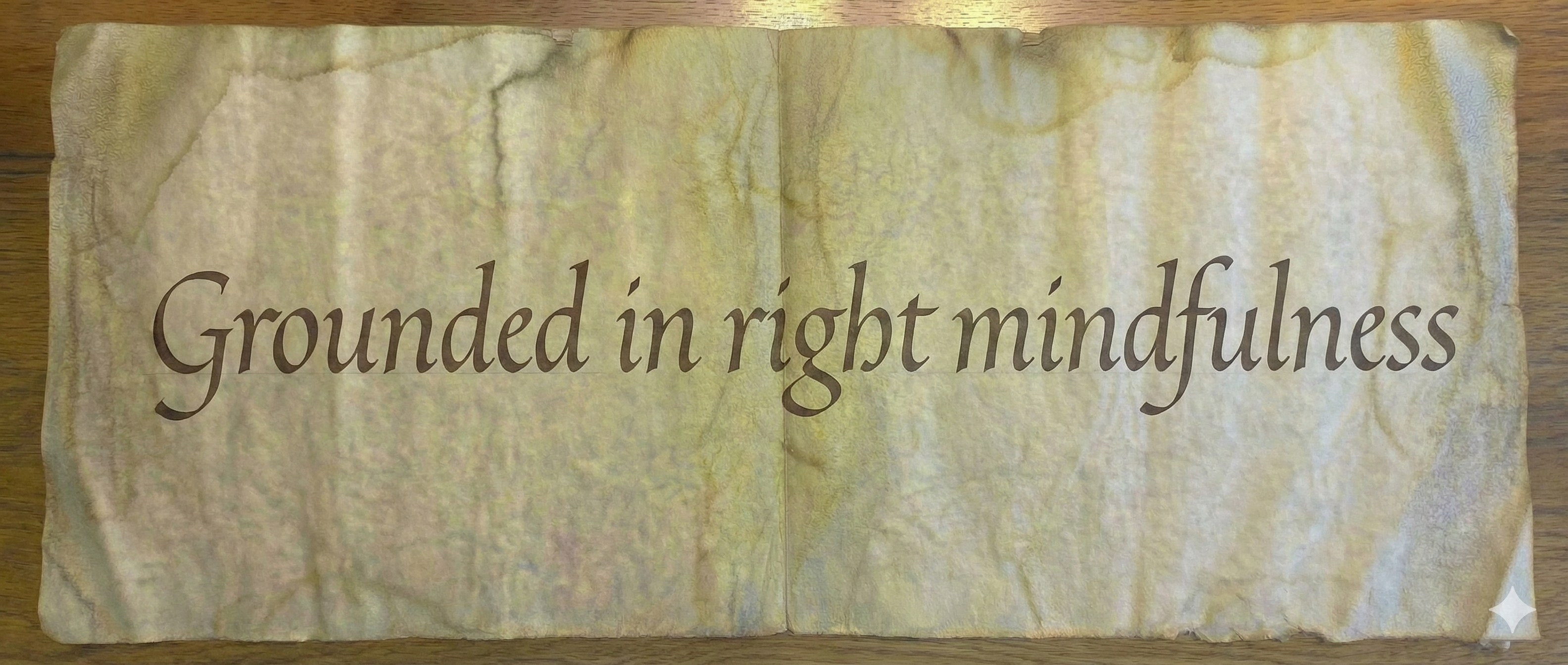
When conducting cognitive reassessment, practice writing or engraving to observe the "second before putting pen to paper." Don't write down specific details; just feel the pause before the judgment arises. This helps you leave room between automatic interpretation and the final reaction, allowing understanding to be more than just one possibility.

○ Art Therapy Guidance
Please draw three interpretations of an event. The first is the most painful interpretation, the second is a more realistic interpretation, and the third is an interpretation that can be acted upon. Use colors to differentiate the physical sensations they evoke. After drawing, choose the one that will help you move forward the most.
Please log in before submitting your drawings and feelings.

○ Diary Healing Suggestions
Write down an event that made you uncomfortable and then conduct a cognitive reassessment. Write down the facts, automatic interpretations, supporting evidence, counter-evidence, and a more balanced understanding. Finally, write down a small action to ensure that the new interpretation isn't just a thought, but can become a real-world next step.
Please log in to use.
May you gradually return to a more stable, clear-headed, and gentler version of yourself through today's practice.