

Lesson 581: How to Identify "Pseudo-Adaptation" Behavior

Course duration:70 minutes
Pseudo-adaptation often manifests as superficial compliance, inner numbness, and post-procedure fatigue. You can describe a situation to the AI where you feel terrible even though you agreed, to help it distinguish between genuine desires and forced habits. Prioritize safety and manageability. You don't have to bear all the changes alone. This is also the beginning of taking care of yourself again. Let Q&A be a gentle respite. If necessary, contact offline professional support promptly. Your feelings deserve to be taken seriously. See things clearly before making a choice; it will be more prudent.
○ Course topic audio
Lesson 581: How to Identify "Pseudo-Adaptation" Behavior
Click to view the read-aloud text
Today, I want to gently approach you with the topic: How to identify pseudo-adaptive behaviors. Sometimes, we seem to adapt very well, able to continue working, care for others, maintain politeness, and organize things efficiently, yet our hearts feel increasingly empty, our bodies increasingly tense, and our true feelings increasingly distant. This state isn't necessarily true resilience; it might be a form of pseudo-adaptation. Common manifestations of pseudo-adaptation include excessive compliance, excessive rationality, self-numbing, and functional avoidance. You might always say it's okay, but you're actually feeling wronged; you might be able to analyze things clearly, but you don't know exactly where your sadness lies; you might maintain efficiency, but you're afraid to stop and feel exhausted. Please don't blame yourself yet. Pseudo-adaptation is often a capability developed in the past for safety, relationships, and survival. It once helped you reduce conflict, fulfill responsibilities, and get through moments without support. But now, it might be distancing you from yourself. Today, please conduct a gentle self-examination. First, write down the last time you outwardly cooperated but inwardly felt uncomfortable. Second, write down your true feelings: resentment, anger, fear, exhaustion, or disappointment. Third, write down your unspoken needs. Fourth, write a small, honest expression, such as "I need some time," "I'm a little tired right now," or "I want to think about it some more." You don't need to overturn all your habits immediately, nor do you need to suddenly become very assertive. Real change begins with allowing yourself to acknowledge discomfort. Next, observe your body. Whenever you say "It's okay," does your chest tighten, your stomach feel heavier, your shoulders stiffen, or your breathing become shallower? Your body is often more honest than your words. It's not adding to the chaos, but reminding you: the real me is still here. Remember, adapting doesn't mean disappearing, being understanding doesn't mean having no needs, and being able to endure doesn't mean you're not in pain. You can retain gentleness, and you can also maintain boundaries; you can understand others, and you can also reconnect with yourself. You can also give yourself a small exercise: change "I should adapt" to "I can assess whether it suits me." This sentence is important because it brings you back from automatic compliance to making choices. At the end of the day, reflect on three moments: when did I say something against my conscience, when did I ignore my physical discomfort, and when could I have actually expressed a little truth? Don't blame yourself for these records; just treat them as signposts on your way home. What pseudo-adaptation needs most is not fierce resistance, but a gradual return to true feelings. Even admitting you're uncomfortable just once today is already a way of bringing yourself back. If you still choose to cooperate today, that's okay too. Change isn't about pushing yourself to the front all at once, but about first knowing where you've retreated. Please give that retreating self some understanding; it's not weakness, it's just learning to be present safely. After reading aloud, please write a sentence: I am willing to see if I am in pseudo-adaptation, and I am also willing to slowly bring back my true feelings.

AI Healing Q&A
Pseudo-adaptation often manifests as superficial compliance, inner numbness, and post-procedure fatigue. You can describe a situation to the AI where you feel terrible even though you agreed, to help it distinguish between genuine desires and forced habits. Prioritize safety and manageability. You don't have to bear all the changes alone. This is also the beginning of taking care of yourself again. Let Q&A be a gentle respite. If necessary, contact offline professional support promptly. Your feelings deserve to be taken seriously. See things clearly before making a choice; it will be more prudent.

○ Music therapy guidance
To identify pseudo-adaptation, listen to quiet music that slows your body down. Write down the scenarios where you appear to be cooperating, then write down your true feelings and unspoken needs. Let the music help you return from functional avoidance and slowly hear the suppressed part of yourself.

○East-West Healing Tea Drinks
Golden milk with burdock is suitable for identifying pseudo-adaptive behaviors. Burdock brings a cleansing and conditioning feeling, while turmeric milk warms the body, helping you slowly stop from functionally forcing yourself. While drinking, write down the difference between the apparent harmony and your true feelings.
○ Healing Recipes
Herbal vegetable broth is helpful in identifying pseudo-adaptive behaviors. The light broth allows the body to gradually slow down from functional strain, revealing the gap between superficial compliance and true feelings. While drinking the broth, write down where you said "it's okay" and where you were actually very tired, allowing your sense of reality to slowly return.
Open the healing recipe
◉ Healing Recipe: Vegetable Soup
I. Recommended Dietary Therapy and Reasons
Recommended dishes:Herbal Vegetable Broth (light and hydrating, helps identify pseudo-adaptation)
Recommended reasons:This lesson identifies pseudo-adaptive behaviors. Vegetable soup is light and hydrating, suitable for drinking when you appear to be functioning well but feel empty and tense inside. It's not heavy or irritating, allowing your body to pause from its strained state and helping you distinguish between true resilience and self-numbing. Don't try to change your mood immediately when consuming it; simply treat this food as a gentle pause, allowing your body to receive support first, making it easier for your mind to make new choices.
2. Recipe and Method
Recipe (1–2 servings):
- 80 g of carrots
- Half an onion
- a small amount of celery
- 100g of cabbage
- 800 ml of clean water
practice:
- Wash the main ingredients and prepare the parts that need to be cut into pieces, steamed, boiled until soft, or prepared in advance.
- Cut the vegetables into chunks, add water and simmer until the soup becomes clear. Season with a small amount and drink warm.
- Use low heat, stir gently, or bake at a low temperature to allow the ingredients to meld together in a gentle rhythm.
- Keep the seasoning light, with less salt, sugar, and oil, and avoid using strong, pungent flavors that overpower the ingredients.
- Let it cool slightly after serving before eating. Take your first bite slowly to appreciate the temperature, aroma, and texture.
3. Small rituals for body and mind
When preparing vegetable soup, you can first arrange the ingredients neatly, noting their color, shape, and texture, allowing your attention to gradually shift from emotional reactions, relational stimuli, event interpretations, or self-blame back to the present moment.
During the process, take three slow breaths. Don't rush to explain, respond to, or fix all the problems. Just let your body know: I am doing something small that can be accomplished.
When you take your first bite, first feel the temperature and texture, then gently tell yourself: I am taking care of myself, I am willing to take it slow, and I can choose to take the next step again.
If you're still feeling emotional, stop and don't force yourself to continue. What's truly important isn't eating a complete meal, but rather sending your body a safe, gentle signal that it's time to pause.
4. Dietary Therapy Experience Record
- Record the time of consumption; is it a regular meal or a meal to settle down after emotional fluctuations?
- Observe changes in stomach comfort, body temperature, and mood intensity within 30–60 minutes after consumption.
- Write a sentence: After this dietary therapy, what new action do I want to take care of myself?
V. Instructional Videos (approximately 3–5 minutes)
Video Title:Vegetable Soup: Gentle Nutritional Support in the Emotional Coping Disorder Course
6. Precautions
- Dietary therapy should be small, mild, and light; there is no need to force yourself to finish a meal when you are not feeling well.
- If you are allergic to grains, beans, nuts, eggs, dairy, fish, honey, or vanilla, please substitute this food.
- This recipe is for daily health maintenance and is not a substitute for medical diagnosis and treatment; please follow medical advice for special physical conditions.
hint:If you experience emotional distress, noticeable or persistent physical symptoms, please seek professional help promptly.

Mandala Viewing Healing
To identify pseudo-adaptation, observe a mandala with a clear difference between the inner and outer circles. The outer circle represents superficial compliance, while the center represents true feelings. Shift your gaze from the outer circle back to the center, reminding yourself: appearing well-adapted does not equate to true inner security.
● AI Dynamic Geometric Vision Focus and Emotion Regulation Engine ●
AI Dynamic Geometric Vision Focus and Emotion Regulation Engine · v7.0.0
Before we begin, I'd like to know how you feel right now.
There is no standard answer; just choose the one that best reflects how you feel right now.
The experience is over. Tell us how you feel now.
There is still no standard answer; just choose the one that best reflects how you feel right now.
#FF5252
After the fluorescent line crawling is completed and stopped, first select a color, then click on the closed area in the graphic to fill in the color.
AI Digital Mandala Interactive Focus Engine
A–Z Free Selection · Layered Lines · 60 Color Fills
AI Digital Mandala Static Focus EngineAZ Image Coloring · 60 Colors

○ Calligraphy and engraving therapy practice
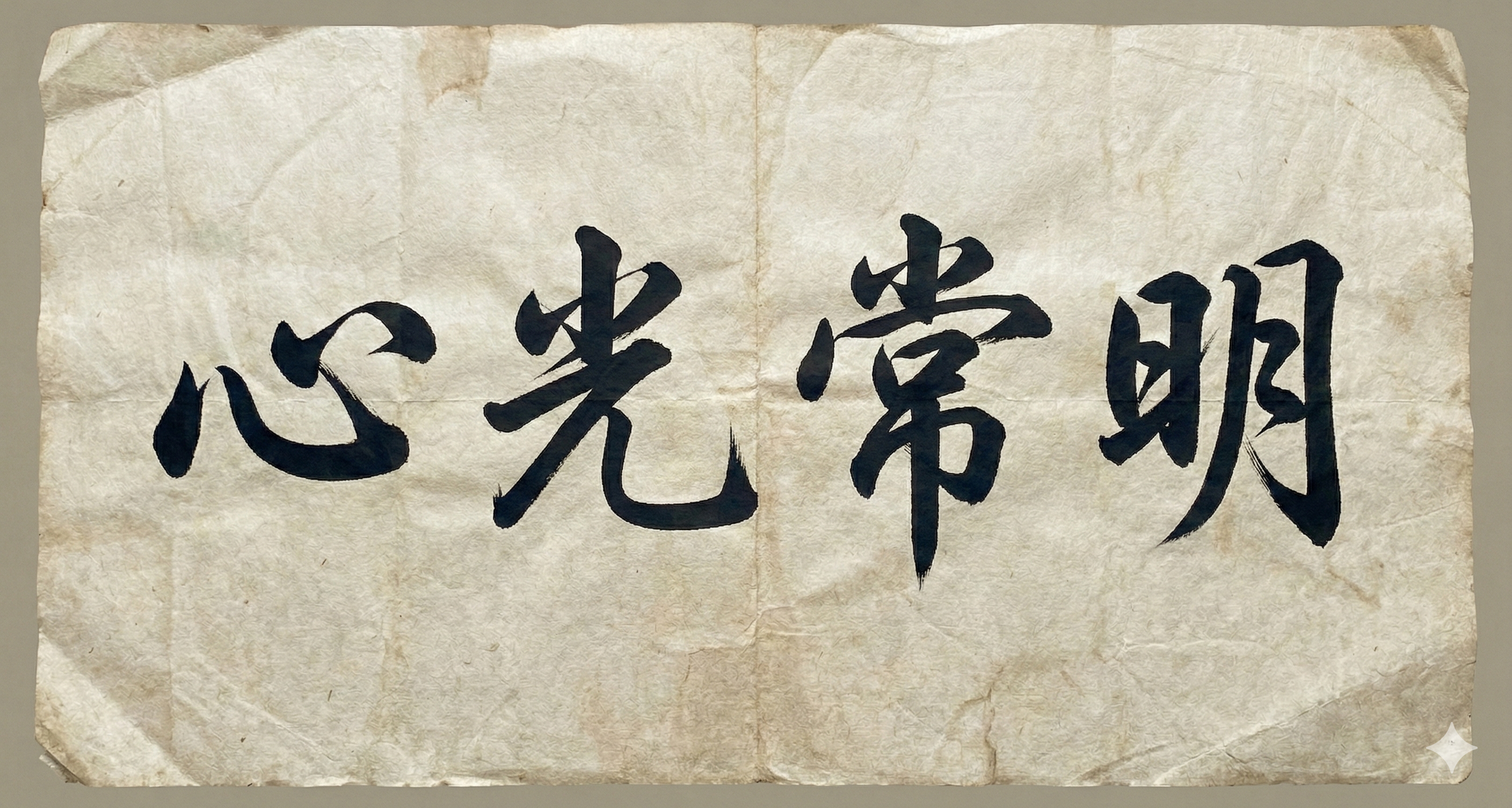
To identify pseudo-adaptation, observe whether you are excessively striving for neatness and accuracy while writing or engraving. Don't write specific content; just observe whether your body is tense. Let practice remind you: superficial completion is not the same as true relaxation; I can slowly hear my own feelings.

○ Art Therapy Guidance
Draw two versions of yourself: one seemingly well-adjusted, the other truly exhausted inside. Don't judge either side; simply use color to represent their differences. Finally, draw a line connecting the two to remind yourself: I am willing to slowly return from this false adaptation.
Please log in before submitting your drawings and feelings.

○ Diary Healing Suggestions
Please write down a scenario where you are experiencing pseudo-adaptation: how I outwardly cooperate, what my true inner feelings are, what signals my body is sending, and what my unspoken needs are. Finally, write a short, honest statement to help yourself gradually return to normalcy.
Please log in to use.
May you gradually return to a more stable, clear-headed, and gentler version of yourself through today's practice.