
Lesson 1314: Distinguishing it from attention problems

Duration:70 minutes
Topic Introduction:Noise, haste, criticism, or inconsistent responses at home can all make children more tense. This section helps parents understand how the home environment affects the emotional system and learn to use a clearer rhythm, quiet space, and predictable responses to encourage children to say, "I'm upset." Prioritize your child's safety. Gentle and consistent companionship is crucial. Put understanding before blame. Take it slow; stability is more important than perfection.
○ Course Topic Audio
Lesson 1314: Distinguishing it from attention problems
Click to view the read-aloud text
In this lesson, please slow down and temporarily set aside the blaming of "Why did this happen again?" Behind many severe emotional outbursts lies excessive physical arousal, insufficient verbal expression, environmental stress, and a lack of security. The better we understand these signals, the more opportunities children have to move from being controlled to being supported. The theme of this lesson is "When I feel tense at home, I need you to see these discomforts." Noise, haste, criticism, or unstable responses at home can make children more prone to tension. This isn't about making excuses for the child or removing boundaries, but about shifting the focus from "This child is bad" to "This child's regulatory system is overloaded." When learning, you can start with observation. Observe which times, sounds, and rule changes at home trigger your child's discomfort. If you only focus on the moment of the outburst, adults can easily be swept away by the sounds, actions, and conflicts; if you look a little further back, you'll find many early signs. Next, please make your responses as short, steady, and clear as possible. Let the child say, "I'm upset," and the family work together to create a more stable environment. Children need to know that adults set boundaries and guide them back to safety; they handle behavior without labeling them as bad as a person. This course content cannot replace assessments and treatment from doctors, psychologists, or school professional teams, but it can help you record, communicate, and seek help more effectively. When this course ends, please don't expect yourself or your child to be perfect immediately. Just remember: stability is more powerful than harshness, and understanding fosters cooperation more than shaming. If your child experiences persistent and severe outbursts, self-harm, aggression, or functional impairment, please contact offline professional resources promptly. If you are a teacher, please record your child's efforts, not just moments of loss of control. If you are a child, remember you are not a bad child; you are simply learning how to manage your emotions. Even a small pause today is a step on the healing path. Please use concrete facts, such as when, where, how long, and how recovery occurred. Such records will help professionals understand your child more accurately and reduce unnecessary blame within the family.

AI Healing Q&A
When children are impulsive, restless, easily interrupted, or forget rules, their emotional outbursts may be related to attention deficit or executive function difficulties. You can describe to the AI whether your child frequently breaks down due to waiting, task switching, or being reminded. The AI will help you think of clearer steps, shorter requests, and more advance notice. It cannot determine whether a child has ADHD, but it can help you organize your observations for further discussion with a doctor or school.
○ Music therapy guidance
Children with attention deficit disorder may be more sensitive to complex music. Musical exercises should be short, clear, and predictable, such as a two- or three-minute fixed melody as a cue before a task transition. Don't ask children to sit for long periods, and avoid talking too much while the music is playing. Let the music be a gentle signal of "ready to begin" or "ready to end," helping them follow the rhythm more easily. Give a specific word of affirmation after each practice session, such as "You just completed the transition," which will help children build confidence more easily.
○Eastern and Western Healing Teas
○ Eastern Healing Tea: Licorice and Goji Berry Tea
introduce:Licorice and goji berry tea combines the gentle harmonizing effects of licorice with the liver-tonifying, kidney-nourishing, and immune-boosting benefits of goji berries. Licorice can harmonize the effects of other herbs and relieve tension; goji berries help alleviate physical weakness and eye fatigue caused by depression, improving physical and mental well-being.
usage:Place 5 goji berries and 1 teaspoon of licorice root in hot water and steep for 5-10 minutes. Add honey to taste before drinking. Drink once a day to help replenish energy and alleviate mood problems caused by anxiety.
Course Reminder:Following the lesson "When Home Makes Me Tense, I Need You to See These Discomforts," please treat tea drinking as a gentle daily support, not a therapeutic substitute. Observe the child's or caregiver's emotional intensity, physical tension, sleep, stomach reaction, and daily stimulation levels before and after drinking tea to help the family gradually establish a stable rhythm.
Notice:Children's tea consumption should be adjusted according to their age, physical condition, sleep patterns, allergy history, and medical advice; drinks containing caffeine, ginseng, turmeric, chili, cocoa, or herbal ingredients should be chosen with caution. If a child experiences persistent severe outbursts, self-harming thoughts, aggression, or chronic insomnia, please contact offline professional resources promptly.
○ Healing Recipes
○ Monastery Diet: Herbal Honey Pear
Recommended dishes:Herbal Honey Pear Recommended reasons:A tense family environment can amplify a child's discomfort. Steamed pear with herbal honey is gentle and soothing, perfect for reminding family members to slow down the pace of life and encouraging children to express "I'm not feeling well." This recipe doesn't aim for anything stimulating, intense, or complex; instead, it uses gentle, repeatable, and low-burden eating activities to support children and caregivers in establishing a predictable rhythm throughout the day. Recipe (1–2 servings): practice: When preparing this dish, please slow down the process and avoid turning the food into a new task. You can invite children to observe the color, temperature, and smell, or adults can quietly finish first, making the dining table a more stable and less rushed place. Before consuming, please pause for three breaths and gently ask yourself or your child: Is your body tense, tired, irritable, or a little calmer right now? There is no need to explain the reason immediately, just pay attention to the signals your body is sending. Take your first bite slowly. If your child is experiencing significant mood swings that day, reduce lecturing and focus on safety, hydration, eating, and rest. A gentle meal is not a substitute for therapy, but it can be a part of daily support. Video Title:Steamed Pear with Herbs and Honey: A dietary approach that supports stable rhythms and gentle care in courses on disruptive mood disorders. hint:If you experience persistent and severe outbursts, self-harming thoughts, aggression, uncontrolled impulses, chronic insomnia, or family safety risks, please contact local emergency services, doctors, psychologists, or offline crisis resources immediately.Click to view healing recipes
◉ Monastery Diet: Herbal Honey Pear
I. Recommended Dietary Therapy and Reasons
2. Recipe and Method
3. Small rituals for body and mind
4. Dietary Therapy Experience Record
V. Instructional Videos (approximately 3–5 minutes)
6. Precautions

○Mandala Healing
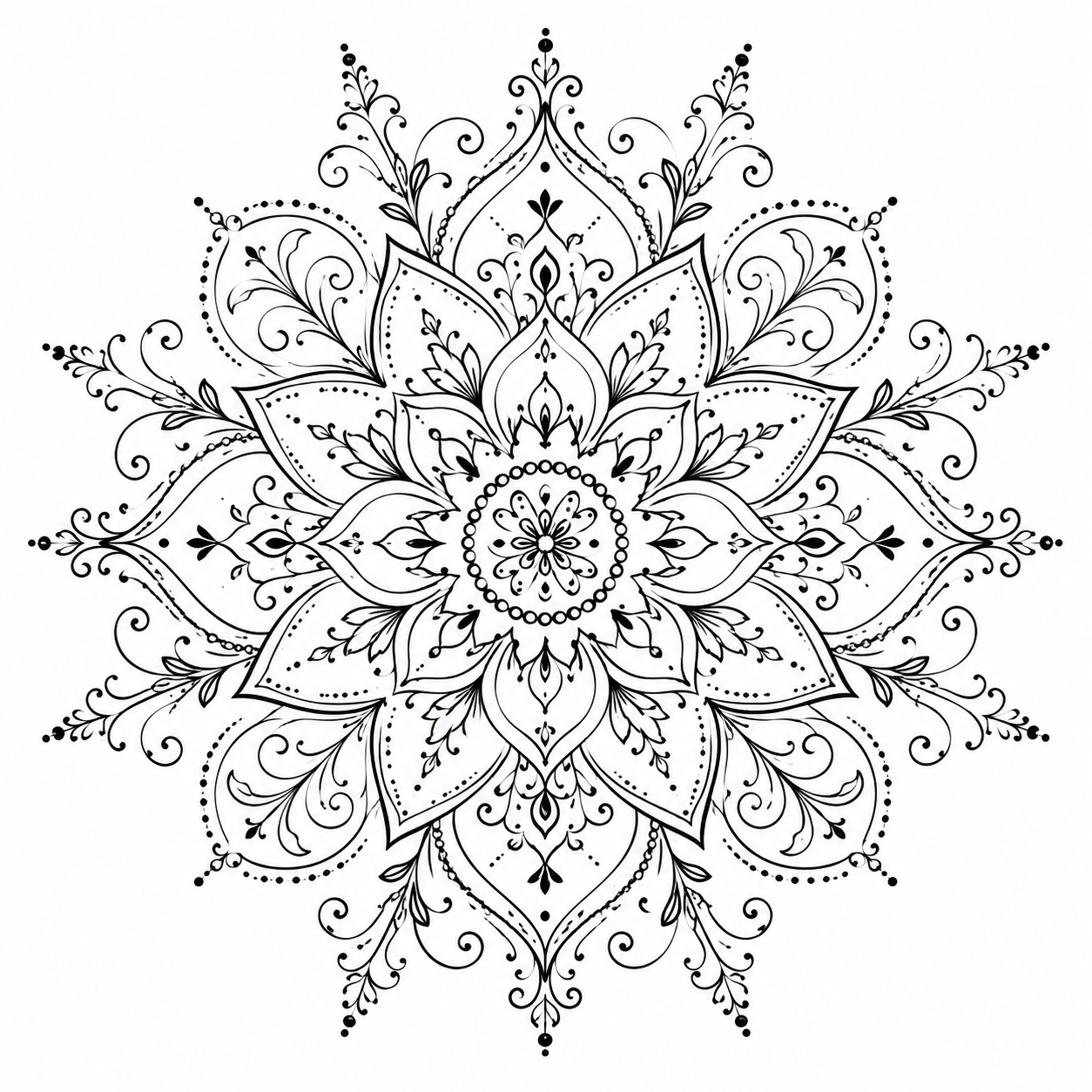
For children with attention deficit, short and clear mandala exercises are suitable. Don't let them stare at complex patterns for extended periods; allow them to focus on the center for ten seconds, then look at the outer edges, and then stop. The simpler the exercise, the easier it is to maintain. The mandala here acts as a task transition cue, helping the child return from confusion to the next step. After completion, specifically affirm their pauses rather than demanding immediate perfection. This protects their attention span while also safeguarding their confidence in the practice. Take it slow.
● AI Dynamic Geometric Vision Focus and Emotion Regulation Engine ●
AI Dynamic Geometric Vision Focus and Emotion Regulation Engine · v7.0.0
Before we begin, I'd like to know how you feel right now.
There is no standard answer; just choose the one that best reflects how you feel right now.
The experience is over. Tell us how you feel now.
There is still no standard answer; just choose the one that best reflects how you feel right now.
#FF5252
After the fluorescent line crawling is completed and stopped, first select a color, then click on the closed area in the graphic to fill in the color.
AI Digital Mandala Static Focus EngineAZ Image Coloring · 60 Colors
AI Digital Mandala Interactive Focus Engine
A–Z Free Selection · Layered Lines · 60 Color Fills

○ Calligraphy and engraving therapy practice
For children with attention deficit, handwriting exercises should be short, clear, and easy to complete. Don't specify what to write, nor require them to sit still for extended periods. Let them complete only a small section, allowing them to experience the beginning and end of a task. After each exercise, affirm their willingness to stay, rather than evaluating their handwriting. This reduces frustration and helps children develop a sense of order and confidence when switching tasks. Please make the exercises easy so the child doesn't perceive them as new pressure. Just keep things stable for now. Okay.


○ Art Therapy Guidance
For children with attention deficit, drawing exercises should be short, simple, and sustainable. Don't expect a complete artwork; just let the child use a few colors to express their current state, even if it's just a small area. The focus of the exercise is not on sitting for a long time, but on experiencing the beginning, pause, and end. If the child completes a small part, please give them specific affirmation for their attempt. This kind of drawing reduces frustration and also helps adults observe whether emotional outbursts are related to task transitions, waiting, or attentional strain.
Please log in before submitting your drawings and feelings.

○ Diary Healing Suggestions
Journaling Healing Suggestion: Please write down the most impactful point from today's lesson. Consider whether arguments, nagging, criticism, or changes at home have made your child more tense. Also, write down a small action, such as slowing down a high-pressure period by five minutes. Remember, a more stable environment provides a greater sense of security for your child's emotional system. It doesn't need to be complete; being truthful is enough. If you're very tired today, just write one sentence. After writing, pause and thank yourself for being willing to face it. If your emotions rise, drink water and breathe before continuing. Please view this step as gentle care, not a task.
Please log in to use.
May you gradually return to a more stable, clear-headed, and gentler version of yourself through today's practice.