

Lesson 2: Introduction to CBT + Basic Relaxation Techniques
Duration:70 minutes
Topic Introduction:Cognitive behavioral therapy (CBT) is an effective psychological approach widely used to manage anxiety and emotional distress. This course will introduce the basic principles of CBT and guide you through some initial relaxation techniques, helping you to relieve tension both physically and mentally and develop rational coping mechanisms.
○ The core points of CBT
- Cognitive Restructuring:Identify irrational thoughts and reinterpret them from a realistic and positive perspective.
- Behavioral intervention:Break the vicious cycle of anxiety and avoidance by setting small goals and tasks.
- Physical relaxation:Use breathing, muscle relaxation, meditation and other techniques to relieve physical tension.
Cognitive behavioral therapy (CBT) sounds like a very professional psychology toolbox, but in layman's terms, it's like a repairman who helps you "fix the automatic thoughts in your brain," along with a few "relaxation machines" to cool down your emotions.Lesson 2: Key Points of CBT 🎧 Click to watch/listen to the reading content
Let's start with CBT. When many people encounter difficulties, their brains automatically pop up with inaccurate thoughts, such as "I'm definitely going to make a mistake" or "They must think I'm terrible." Then, their emotions immediately take off, and their bodies cooperate by entering a tense mode. CBT teaches you to identify these "automatic pop-ups," check if they are false alarms, and replace them with more rational and realistic thoughts. It's like installing antivirus software on a computer to specifically clean up emotional "viruses."
In conversion disorder, symptoms often "collude" with psychological stress—the body uses numbness, trembling, and loss of voice to express your inner burden. CBT will guide you step by step to break down the triggers behind these symptoms, allowing you to see their origins and development, thereby reducing the number of times your body "speaks for you."
Then there's the "relaxation machine," which isn't actually a machine, but a series of techniques to help you relax your mind and body. For example, deep breathing—imagine inhaling a sea breeze while inhaling, and exhaling to blow away the clouds in your heart; progressive muscle relaxation—tense and relax each muscle from your toes to your cheeks, allowing your body to learn to let down its guard; and mindfulness meditation—focusing your attention on the present moment, not dwelling on yesterday, and not worrying about tomorrow in advance.
CBT and relaxation techniques are like a perfect pair: the former helps you repair "faulty psychological circuits," while the latter helps you turn down the volume of your "emotional alarm bells." With long-term combined use, you'll find that symptoms that were previously easily triggered gradually decrease in both frequency and intensity.
In other words, the purpose of this combination of measures is not to eliminate all stress, but to enable your brain and body to calmly cope with stress, like having a reliable repairman and a personal emotional air conditioner. This way, you can face life more easily without worrying about your body constantly sounding the alarm.
▲ AI interaction: Would you like to try a new relaxation exercise?
Thoughts are like flowing water, sometimes fast and sometimes smooth.
CBT teaches us to identify those “automatic” negative thoughts.
When anxiety comes, you can take a deep breath and relax your body.
Slowly feel the air entering your nasal cavity and then gently exhale.
It’s a gentle gift to myself, a reminder: I am in control.
Click the button below to explore CBT introductory exercises suitable for you with AI and receive personalized suggestions based on your pace.
Music can touch the body, like a warm breeze blowing gently.
When your heart beats faster, let the notes accompany you into a slow rhythm.
Close your eyes and feel the melody flowing through your body like a gentle massage.
You will find that your body and mind gradually relax.
○ Oriental Healing Tea· Huangshan Maofeng Tea
Recommended drinks:Huangshan Maofeng Tea
Recommended reasons:Huangshan Maofeng tea is warm and elegant in nature, which helps to calm the mind and reduce internal heat, making it suitable for beginners to drink when relaxing.
practice:Take 3 grams of tea leaves and brew them with 85℃ water for 3 to 5 minutes. It will be fragrant and smooth, and is best drunk while sitting quietly.
○ Briam (Vegetables Stewed in Olive Oil)
Following the ancient Greek medical principle of "vegetables and olive oil are the foundation of health," Briam slow-roasts eggplant, zucchini, potatoes, and tomatoes in olive oil and herbs, resulting in a tender, sweet, and rich flavor. The high fiber and potassium content aids in bowel and blood pressure management. The vegetables make up half the plate, making them delicious even with minimal salt. They can be enjoyed as a main course or as a gentle refresher after a short break. Serve with yogurt or hummus for a hearty, home-cooked meal perfect for the whole family.
High in fiber
Less salt is also delicious
Healing Recipes
/home2/lzxwhemy/public_html/arttao_org/wp-content/uploads/cookbook/briam.html(Please confirm that briam.html has been uploaded)
Lesson 2: Chinese Calligraphy: Regular Script - The Sustainability of Horizontal Strokes
Horizontal strokes are the easiest to reveal impatience and distraction in regular script. Although they seem simple, they are the best test of whether the strokes are even and whether the underlying stability is good.
Writing Instructions:
When starting a horizontal stroke, press down slightly. Maintain a continuous height and speed throughout the stroke, avoiding sudden changes in speed.
Pay attention to the "connection" at both ends of the horizontal stroke, and avoid starting the stroke too heavily, moving it too lightly, or having a weak middle section.
Written words:
With a righteous heart, things will be accomplished.
Motivational words:
A person who can write a horizontal line smoothly is often also able to navigate a process steadily.
Writing Tips:
When practicing, focus your attention on the "writing process," not the ending point. If you find yourself losing focus midway, don't go back to correct it; just write the next character.
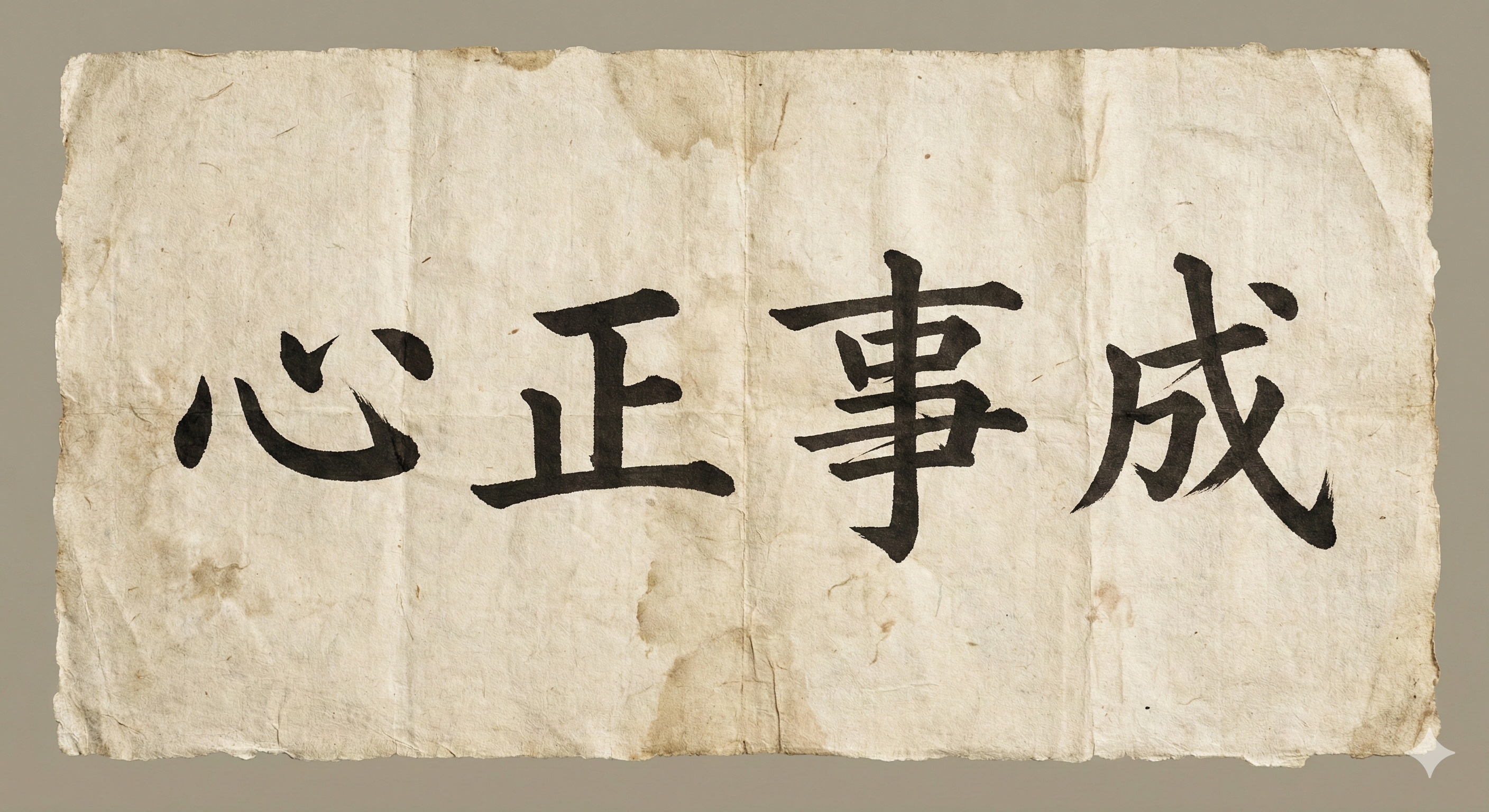
Image Healing: Mandala Stability Guidance 02
The light at the center breathes slowly, like the rise and fall of your chest. Anxiety throws you off rhythm, but the light helps you remember. Each inhale is a return; each exhale is letting go of old tensions. The light is not hurried, only warm and constant. Become a part of the light. No matter how noisy the world is, this rhythm of breathing will bring you back to the center of your heart. You don't need to prove anything, just exist; you don't need to be perfect, just be whole.
Traditional mandalas typically feature symmetry and complex geometric structures, symbolizing the wholeness of the universe and the cycle of life. By drawing traditional mandalas, individuals can perceive inner peace and strength, achieving psychological balance.
◉ Please stare and watch twice.
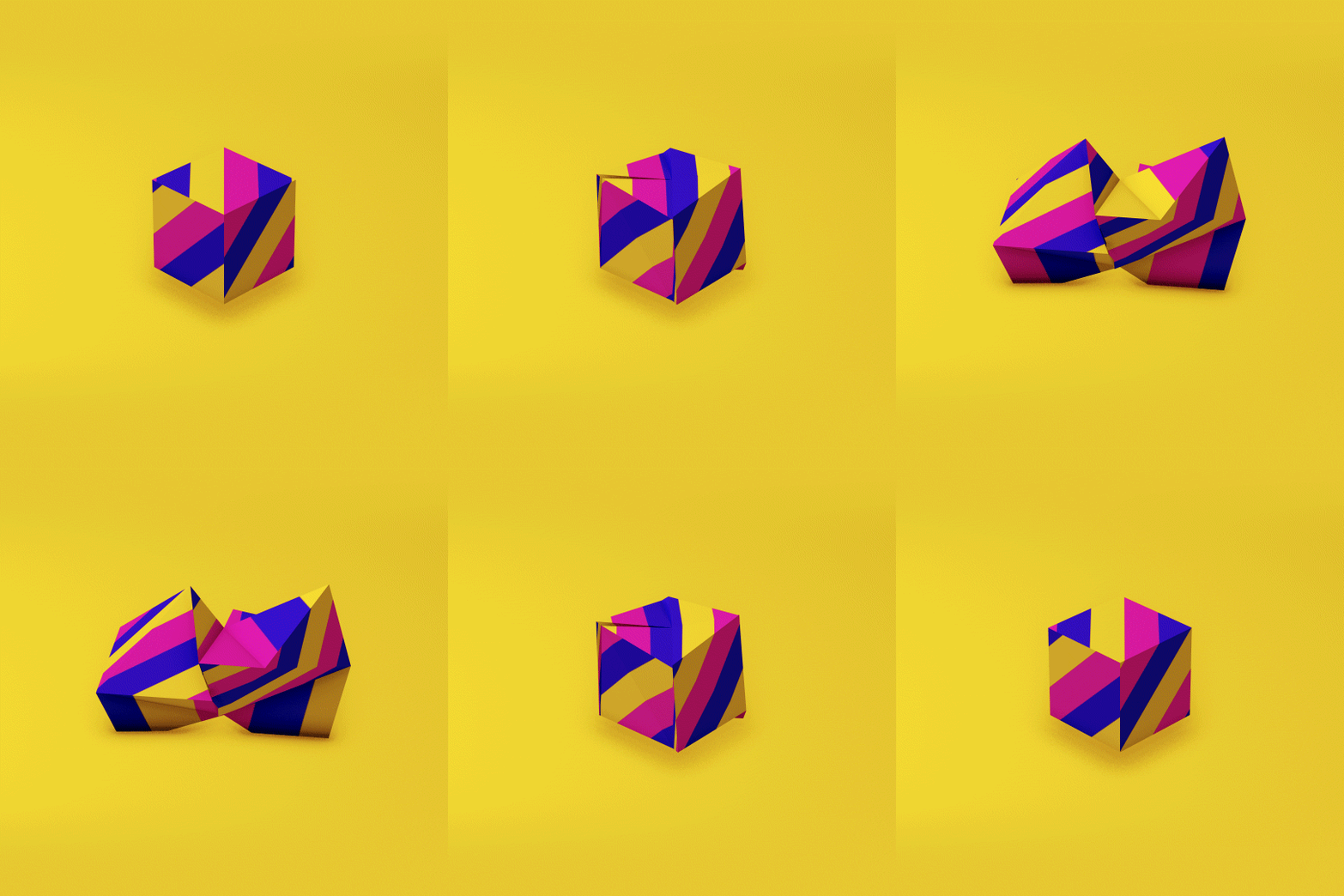
Lesson 2: Relaxing Breathing Flow
Objective: To visualize the relaxation and breathing training in CBT, making the "inhale-pause-exhale-pause" rhythm a visible soothing channel to help the body and mind return from over-mobilization to a stable state.
Steps: Draw a "flow of breath" using soft lines. Use converging lines and points of light for inhalation, and outward-spreading ripples for exhalation. Use a gradient of blue, green, and light purple, and mark the beat numbers (4-2-6-2) at the four corners. After completion, write down a relaxation exercise you can do right now.
Please log in before submitting your drawings and feelings.
○ 2. Introduction to CBT + Suggestions for Initial Journaling of Relaxation Techniques
① Use “event → thought → emotion → behavior” to record a fragment of today (write one sentence for each).
② Find evidence and counter-evidence for the “automatic thought”; write a more balanced alternative thought.
③ Choose a session of abdominal breathing or progressive muscle relaxation: record the steps and duration of the exercise (2–5 minutes).
④ Rating your physical and emotional state before and after the exercise (0-10), describing any significant changes (e.g., heart rate, neck and shoulders, stomach).
⑤ A little trick I learned today and its applicable scenario (when will it be used).
⑥ Tomorrow’s “micro-practice agreement”: time/duration/location/reminder method.
Please log in to use.
Relaxation isn't about escaping, it's about recharging your batteries. May you begin today by gently practicing relaxation.
 EN
EN  ZH
ZH  ES
ES  FR
FR  JA
JA