

Lesson 124: Talking with "Anticipatory Anxiety"

Duration:70 minutes
Topic Introduction:Anticipatory anxiety always sounds the alarm before things even happen. This lesson teaches you to gently respond to this premature pain, rewriting "I'll break down" into "I'm prepared." When practicing, set your goals small, completing only one gentle action. You don't need to change yourself immediately, just understand one more reaction. Each record is the beginning of rebuilding stability. When practicing, set your goals small, completing only one gentle action. You don't need to change yourself immediately, just understand one more reaction.
○ Course topic audio
Lesson 124: Talking with "Anticipatory Anxiety"
Click to view the read-aloud text
The theme of this lesson is "Talking to 'Anticipatory Anxiety'." The focus of this panic disorder course is not to prove you're strong, nor to demand you remain calm immediately during an attack, but rather to understand how panic rapidly escalates in the body and how it's amplified by the interpretation of the disaster. Anticipatory anxiety always sounds the alarm before the event even occurs. This lesson teaches how to gently respond to worst-case scenarios, preparing me to develop a new internal language. The most difficult aspect of a panic attack is its rapid onset and incredibly real physical sensations. A rapid heartbeat, chest tightness, dizziness, numbness in the hands, difficulty breathing, and nausea can all immediately trigger the worst-case scenario. Remember, intense discomfort is not the same as a real disaster; often, it's a warning sign from the body in a state of high arousal. The first step in this lesson is to change the interpretation of the disaster into a physical description. You can rewrite "I'm going to die" as "My heart is racing"; "I'm going to lose control" as "I'm currently in a state of high arousal"; "I can't hold on" as "I need to slow down for a minute." This change in language isn't about comforting yourself, but about giving your nervous system new instructions. The second step is to return to actionable steps. Place your feet firmly on the ground, slowly lengthen your exhale, relax your shoulders and neck, observe three real objects around you, and repeat a reassurance phrase: "This is the peak of panic, I am experiencing it, it will subside." Don't rush to banish the feeling; simply accompany your body through this phase within manageable limits. The third step is post-event reflection, not judgment. Write down what happened before the episode, the highest point your body reached, how long it lasted, what you did, and whether the worst outcome actually occurred. This record helps the brain update its risk assessment, making the next panic less unfamiliar than the first. If you experience persistent chest pain, risk of fainting, severe difficulty breathing, strong suicidal thoughts, or symptoms significantly different from before, seek immediate medical help. The exercises in this course are suitable for psychoeducation and self-regulation, but cannot replace a doctor's diagnosis. Finally, give yourself a reassuring reminder: "The panic is intense, but it's the peak, not the end. I can slowly rebuild my sense of security through breathing, landing, verbal communication, and reflection." Today, recognizing even one signal, performing a reassuring action, or minimizing self-blame is already a step towards regaining control. After reading aloud, please write down one on-site calming action, one safety phrase, and one post-event reflection question. When the next seizure occurs, you don't need to perfectly execute all the techniques; just do the simplest step first. What you are learning is not to never have an attack again, but to no longer be completely overwhelmed by it when it does occur. Every time you safely navigate an attack, it becomes evidence you can recall for the next one. After reading aloud, please write down one on-site calming action, one safety phrase, and one post-event reflection question. When the next seizure occurs, you don't need to perfectly execute all the techniques; just do the simplest step first. What you are learning is not to never have an attack again, but to no longer be completely overwhelmed by it when it does occur.

AI Healing Q&A
To engage in dialogue with "anticipatory anxiety," you can tell the AI the scenario of the episode, your physical sensations, catastrophic thoughts, and your most feared outcome. We first distinguish between facts, interpretations, and fears, then find an actionable on-the-spot reassurance or debriefing step. When practicing, keep your goals small, completing only one gentle action. You don't need to change yourself immediately; you just need to understand one more reaction. Each recording is the beginning of rebuilding stability. When practicing, keep your goals small, completing only one gentle action.

○ Music therapy guidance
After learning to talk to "anticipatory anxiety," it's recommended to choose slow, low-stimulation music with a clear sense of repetition to allow your heart rate and breathing to gradually calm down. While listening, don't analyze the melody; simply observe whether your shoulders, neck, chest, and abdomen begin to relax. When practicing, keep your goals small, completing only one gentle movement. You don't need to change yourself immediately; you just need to understand one more reaction. Each record is the beginning of rebuilding stability. When practicing, keep your goals small, completing only one gentle movement.
○Eastern and Western Healing Teas
This lesson suggests choosing a mild, low-stimulation hot beverage to help stabilize your body's rhythm after learning to confront "anticipatory anxiety." You can use light black tea, osmanthus oolong, chamomile tea, or sip warm water slowly in small amounts. When practicing, keep your goals small, completing only one gentle movement. You don't need to change yourself immediately; simply try to understand one more reaction. Each record is the beginning of rebuilding stability. When practicing, keep your goals small, completing only one gentle movement.
○ Healing Recipes
Chestnut and Yam Porridge
Chestnut and yam porridge is a suitable healing recipe after this lesson. Based on the principles of gentleness, stability, and low burden, it replenishes the body's energy after learning and engaging in dialogue with "anticipatory anxiety," reducing the amplification of panic experiences caused by hunger, fatigue, and tension. Eat slowly, observing your heartbeat, breathing, hunger, satisfaction, and the body's sense of stabilization. It doesn't aim for elaborate plating, but rather serves as a gentle replenishment after panic regulation exercises. Let the food become part of your sense of security, helping your body return from high arousal to stability.

○Mandala Healing
After completing the dialogue with "anticipatory anxiety," please quietly observe the mandala image. Don't rush to analyze the colors and shapes; simply let your gaze move between the center, the edges, and the repetitive rhythm to help your nervous system return from high arousal to order. During practice, keep your goals small, completing only one gentle movement. You don't need to change yourself immediately; simply try to understand one more reaction. Each record is the beginning of rebuilding a sense of stability. During practice, keep your goals small, completing only one gentle movement.
● AI Balance Psychological Simulation Engine ●
AI Balance Psychology Simulator
AI Mandala Color Healing EngineAZ Image Coloring · 40 Colors
○ Calligraphy and engraving therapy practice
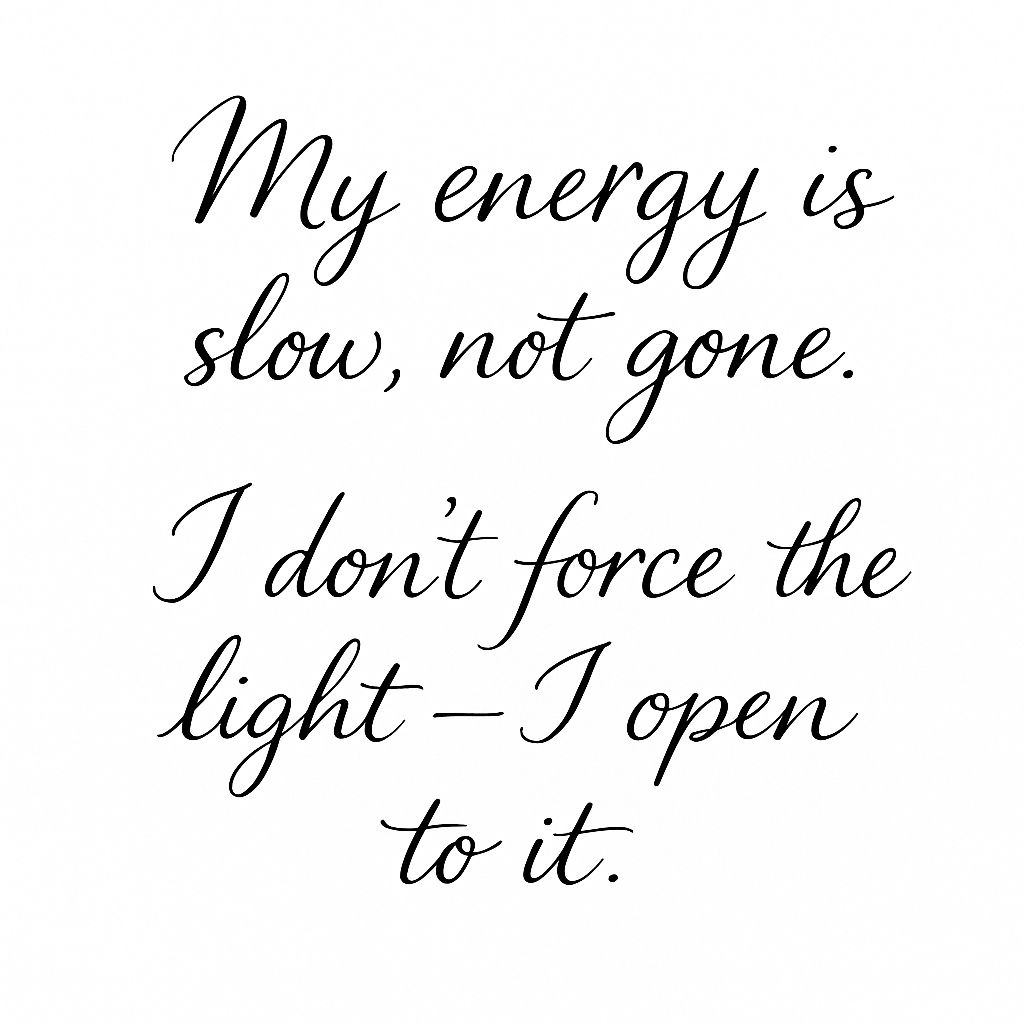
This lesson's writing exercises revolve around engaging in a dialogue with "anticipatory anxiety." Choose a word, such as safety, breathing, staying, returning, or bearable, and write it repeatedly with slow strokes, allowing the hand rhythm to guide your body in a slower pace. When practicing, keep your goals small, completing only one gentle movement. You don't need to change yourself immediately; simply try to understand one more reaction. Each record is the beginning of rebuilding a sense of stability. When practicing, keep your goals small, completing only one gentle movement.

○ Art Therapy Guidance
Drawing exercises can help you visualize the peaks of panic, physical sensations, or catastrophic images that arise during your dialogue with "anticipatory anxiety" as lines, blocks of color, and spatial distances. Don't try to make it realistic; simply externalize the fear from your body onto the paper. When practicing, keep your goals small, completing only one gentle action. You don't need to change yourself immediately; just try to understand one more reaction. Each record is the beginning of rebuilding a sense of stability. When practicing, keep your goals small, completing only one gentle action.
Please log in before submitting your drawings and feelings.
○ Diary Healing Suggestions
For this journaling exercise, please write down three points related to your dialogue with "anticipatory anxiety": the most obvious physical signal today, the strongest catastrophic thought, and one reassuring action you'd be willing to try. Journaling is not about self-criticism, but about building observational skills. When practicing, keep your goals small, completing only one gentle action. You don't need to change yourself immediately, just understand one more reaction. Each journal entry is the beginning of rebuilding a sense of stability. When practicing, keep your goals small, completing only one gentle action.
Please log in to use.
After engaging in dialogue with "anticipatory anxiety," remind yourself: I don't have to live in the worst-case scenario in advance; I am already prepared and able to respond.