

Lesson 417: How to Use Natural Rhythms to Improve Concentration
Course duration:70 minutes
This lesson begins by discussing "how to use natural rhythms to improve focus," breaking down getting out of bed into three steps: getting dressed, opening the door, and going downstairs. It uses natural light and physical activation to reduce resistance. This helps learners see the rhythmic factors behind emotional changes, reducing self-blame and establishing a foundation for subsequent exercises on light, rest, nutrition, and action. The key is to make self-care concrete, gentle, and sustainable. Instead of rushing to cheer yourself up, focus on restoring a sense of rhythm first. Transform self-care from a vague desire into concrete action.
○ Course topic audio
Lesson 417: How to Use Natural Rhythms to Improve Concentration
Click to view the read-aloud text
When learning "How to Use Natural Rhythms to Improve Focus," put aside self-blame for now. Seasonal mood swings aren't simply laziness or a lack of willpower; they often form a cycle with reduced sunlight, difficulty waking up, excessive sleep, reduced activity, and social withdrawal. Break down getting out of bed into three steps: getting dressed, opening the door, and going downstairs. Use natural light and physical activation to reduce resistance and improve focus. When seasonal changes affect your mood, the most common misconception is: "Why am I so lazy? Am I regressing? Why don't I want to see people again?" In reality, your body may be entering a low-energy conservation mode due to insufficient daylight, shifted wake-up times, reduced activity, and temperature changes. What you need isn't more self-criticism, but clearer rhythmic support. The first step in this lesson is to record your state. Write down your wake-up time, sleep time, daylight exposure, afternoon energy, changes in appetite, social willingness, and emotional temperature for the past week. Don't rush to judge whether it's good or bad; just focus on identifying patterns. Seasonal mood swings are most vulnerable to ambiguity. Once you have a record, you can shift from "Why am I like this again?" to understanding where you are being affected. The second step is to choose a low-intensity adjustment action. This could be opening the curtains after waking up, sitting by the window for ten minutes, taking a short walk, doing three minutes of stretching after drinking water, dimming your screen at night, or preparing a protein-rich breakfast. These small actions aren't perfunctory; they're sending a stabilizing signal to your biological clock. The third step is to reduce the feeling of isolation associated with the season. When feeling down, you can avoid high-intensity social interactions, but you should still maintain some connection. For example, send a message to someone you trust to update them, arrange a short walk, or complete a low-stress interaction during the day. Relationships don't need to be bustling; just enough to prevent you from being completely trapped by the season. If seasonal affective disorder is accompanied by severe insomnia, significant functional impairment, intense despair, self-harming thoughts, or decreased sleep with abnormal excitement or increased impulsivity, please contact a doctor, psychologist, or offline crisis resources promptly. Course exercises can help with self-care but cannot replace professional assessment. Finally, give yourself a reassuring reminder: My state is affected by the season, but I am not completely determined by it. Today, a little more sunlight, a small action, a journal entry, or a gentle connection is already building your own seasonal emotional care system. After reading aloud, please write down a time of day most susceptible to seasonal influences, and a minor adjustment you can make tomorrow. The next time you feel sluggish, don't immediately blame yourself; first check if your light exposure, sleep, diet, and activity levels have deviated from their natural rhythms. You're not learning to force yourself to like winter, but to find a tolerable lifestyle within the seasons. Each small adjustment to your rhythm accumulates new experiences of safety and alertness for your body.

AI Healing Q&A
This section is suitable for asking "What should I do now?" AI will combine information on "how to use natural rhythms to improve focus" to help you distinguish the relationship between seasonal influences, daily rhythms, and self-blaming language. It will offer gentle suggestions on breaking down the steps of getting out the door and using natural light to activate focus. The focus isn't on urging you to cheer up, but on finding one small thing you can accomplish today and reminding you to seek professional support when necessary. This makes the answers more relatable to daily life and helps you gradually restore your rhythm.
○ Music therapy guidance
This lesson's music guidance revolves around "how to use natural rhythms to improve focus." It's recommended to use soft piano, low-frequency strings, or natural sounds to help the body gradually return to its rhythm from natural light, the steps of getting out of bed, physical activation, and focus recovery. Keep the volume moderate and coordinate with stretching, drinking water, or morning sunlight, allowing the music to be an initiation rather than a stimulus. Let the rhythm return slowly. Give your body some support. Give your emotions a place to settle. Let the rhythm return slowly.

○East-West Healing Tea Drinks
This lesson can be paired with ginseng and honey tea. Gentle and nourishing, it's suitable for those experiencing anxiety, weakness, and sleep disturbances. To prepare, use water temperature, aroma, and hand gestures as stabilizing signals, and combine this with light exposure, sleep journaling, or mood tracking exercises. It's not a substitute for treatment, but rather a way to help the body gain a sense of clarity, warmth, and continuous care during seasonal changes. It helps the rhythm slowly return. It makes care concrete. It helps the body gradually stabilize. It helps the rhythm slowly return. It makes care concrete.
○ Healing Recipes
Chicken Stew with Carrot Broth
This dish can be paired with chicken stewed in carrot broth. Stewing carrots and chicken broth together provides vitamin A and protein, which is beneficial for boosting immunity. The cooking principle is to keep it warm, light, and easily digestible, allowing the aroma of the broth and ingredients, along with a slow, deliberate eating pace, to serve as a safe reminder to the body. It's not a treatment or replacement, but rather a way to make seasonal care more specific and actionable. Make care concrete. Help the rhythm slowly return. Let the body gradually stabilize. Make care concrete.

Mandala Viewing Healing
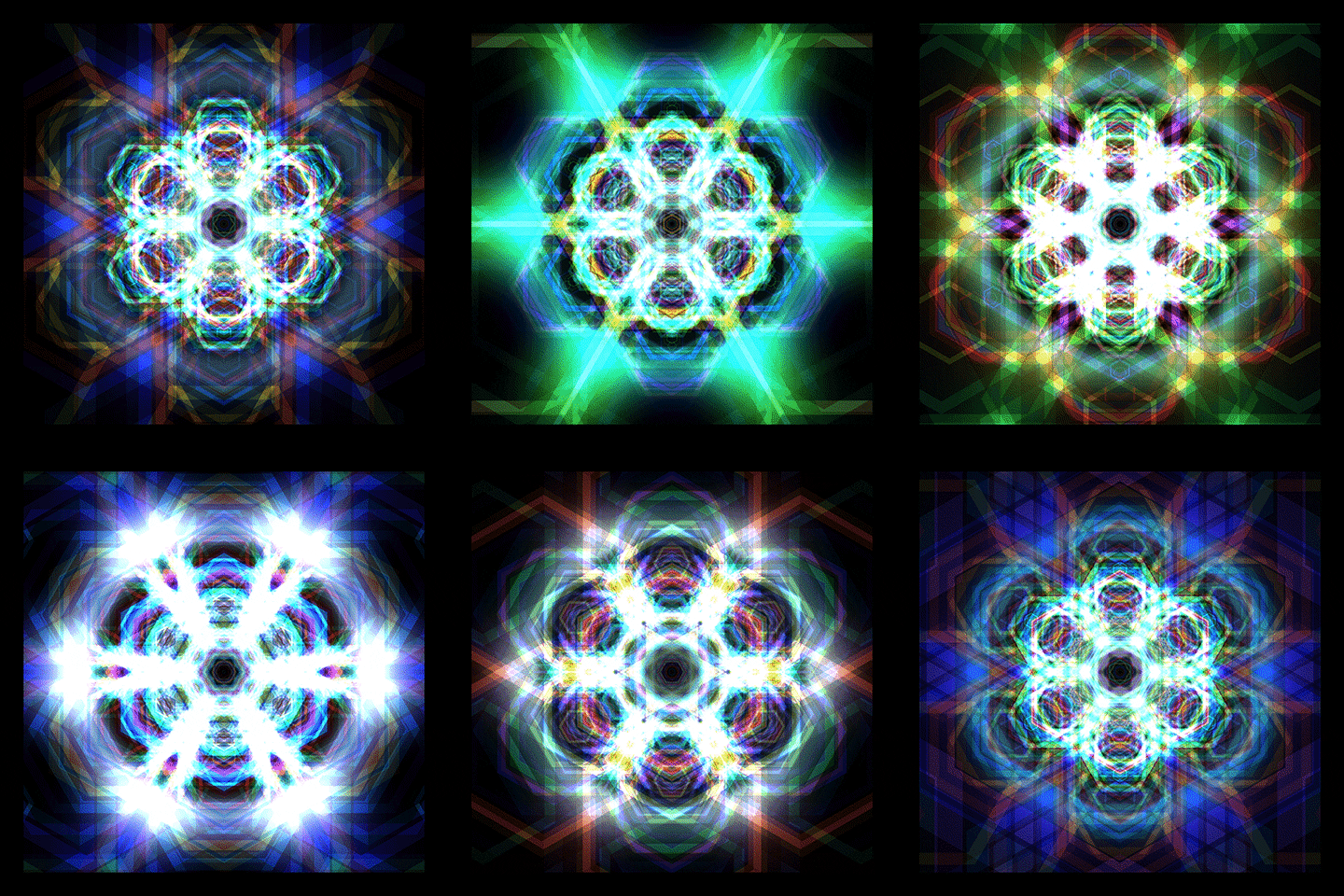
This lesson suggests viewing a "Focus Center in Natural Light" mandala. Maintain natural breathing and observe the orderly expansion of the pattern from the center outwards, bringing your attention back to the present moment from scattered thoughts. After viewing, record one bodily sensation, allowing the mandala to serve as a gentle and stable anchor point, in addition to light therapy, sleep, and emotional reflection. Let your rhythm slowly return. Let viewing be gentle care. Help your body stabilize. Let your rhythm slowly return. Let viewing be gentle care.
● AI Balance Psychological Simulation Engine ●
AI Balance Psychology Simulator
AI Mandala Color Healing EngineAZ Image Coloring · 40 Colors

○ Calligraphy and engraving therapy practice
This lesson suggests writing with "focus, concentration, and clarity." For the regular script, maintain a slow, upright, and steady pace, coordinating each stroke with a natural exhale; for the engraved script, focus only on the borders, main characters, and white space, avoiding complex carving techniques. Through repetitive writing and a square structure, help gradually transform the sluggishness of the season into a clear and actionable order. Let writing become a rhythmic anchor. Help the body gradually stabilize. Let the mind return to the present moment.

○ Art Therapy Guidance
This lesson suggests drawing around the "focused light spot in the natural rhythm." You can use lines, blocks of color, or simple geometric shapes to represent the body's sluggishness, alertness, withdrawal, or connection. Don't judge the quality of your drawing; simply observe which color makes the body feel slightly calmer and use it as a guide for the next step in rhythmic care. Let the image become a rhythmic anchor. Help emotions settle down. Make care concrete.
Please log in before submitting your drawings and feelings.

○ Diary Healing Suggestions
This lesson's journaling suggestion begins with "How to Use Natural Rhythms to Improve Focus." First, write down the most obvious seasonal signs of the day, then record natural light, your steps before leaving home, and the restoration of focus, rating your energy and mood from 0 to 10. Next, write down a small, actionable action, such as opening a window, drinking water, leaving home for three minutes, or reducing screen time, making the care more concrete. Let the journaling become a stable anchor. Help the rhythm slowly return. Make the next step clearer. Let the journaling become a stable anchor. Help the rhythm slowly return.
Please log in to use.
May you gradually return to a more stable, clear-headed, and gentler version of yourself through today's practice.