
Lesson 1025: Identification and Diagnosis of Childhood Psychological Trauma

Duration:70 minutes
Topic Introduction:Learn to identify clues to childhood trauma in a gentle and careful manner, including mood swings, physical tension, relationship fear, fragmented memories, and behavioral reactions. This emphasizes observation and understanding, avoiding hasty conclusions, and also reminds us when professional evaluation and support are needed.
○ Course Topic Audio
Lesson 1025: Identification and Diagnosis of Childhood Psychological Trauma
Click to view the read-aloud text
Today, we'll delve into the lesson "Identification and Diagnosis of Childhood Trauma." Identifying childhood trauma requires patience; it's not about drawing conclusions based on a single sentence. We'll focus on experiences, symptoms, physical reactions, relationship patterns, functional impact, and duration, while also differentiating traumatic reactions from other psychological distress. The purpose of the assessment isn't labeling, but rather finding a more appropriate direction for care. If this topic resonates with you, please slow down, check if your feet are firmly planted, and relax your shoulders slightly. You don't need to immediately recall everything, nor do you need to prove you're healed. The most important aspect of trauma recovery isn't rushing headlong into it, but rather slowly seeing, understanding, and gradually reconnecting with yourself at a safe pace. While learning, you can choose to linger on only one sentence that resonates with you, or break the lecture into smaller segments. If you experience significant tension, numbness, panic, a desire to escape, a urge to cry, or a mental blank, please pause, drink water, look at the real objects around you, and bring yourself back to the present. After listening, perform a small act of self-care: tidy a quiet corner, write down a gentle response to yourself, take three slow breaths, or contact someone you trust. If you are experiencing real-world violence, control, threats, or have strong suicidal thoughts, please contact offline professionals, emergency services, or trusted supporters first. You deserve to be protected and to recover slowly and safely. Remember, today's learning is not about blaming any vulnerable part of yourself, but about allowing the parts of yourself that have been unheard in the past to finally be seen gently. Hearing this already shows you are trying to take care of yourself; even a small step is a real source of recovery. You can take your time; you don't have to understand everything at once. Every pause, every breath, every choice to be safe is building new experiences for yourself. Remember, today's learning is not about blaming any vulnerable part of yourself, but about allowing the parts of yourself that have been unheard in the past to finally be seen gently. Hearing this already shows you are trying to take care of yourself; even a small step is a real source of recovery.

AI Healing Q&A
Learn to identify clues to childhood trauma in a gentle and careful manner, including mood swings, physical tension, fear of relationships, fragmented memories, and behavioral reactions. This emphasizes observation and understanding, avoiding hasty conclusions, and also reminds us when professional evaluation and support are needed. May you feel you are not alone when acknowledging your wounds.

○ Music therapy guidance
When identifying trauma, listen to clear, quiet, and non-stimulating piano music. Let the melody help slow your mind, gently observe the experience, physical reactions, and life impact. Assessment is not about labeling, but about finding a more appropriate direction for care. After listening, gently move your fingers and note the part of your body that feels most at ease. There's no need to judge the quality of the practice; just allow yourself a moment of gentle companionship. If your emotions are still fluctuating, that's okay. Take a sip of water and take it slow. Please take it slow. Please take it slow.

○Eastern and Western Healing Teas
Eastern Healing Tea - 5. Goji Berry and Chrysanthemum Tea. Introduction: Goji berry and chrysanthemum tea is a classic Chinese herbal tea with liver-cleansing and vision-improving properties, as well as nourishing the liver and kidneys. Goji berries help improve liver health and boost immunity, while chrysanthemums have heat-clearing and detoxifying effects, helping to relieve physical discomfort caused by anxiety and stress, especially eye fatigue. Usage: Place 1 teaspoon of goji berries and a few chrysanthemum flowers in hot water and steep for 5-10 minutes. Add honey to taste before drinking. Suitable for prolonged eye strain or when feeling down. Drink 1-2 times daily to help restore physical and mental energy.
○ Healing Recipes
○ Western Ancient Roman Dietary Therapy: Boiled Chickpea Stew
Recommended dishes:Cooked Chickpea Stew Recommended reasons:This lesson revolves around "Identification and Diagnosis of Childhood Psychological Trauma." Boiled chickpeas, served as a gentle post-lesson meal, can help learners gradually shift their focus from the heavy content back to their bodies, diet, and current lives. It provides relatively stable protein and a feeling of fullness, suitable for replenishing the body with solid support after learning about trauma-themed topics. This recipe cannot replace psychotherapy, medical evaluation, or crisis intervention; it is only intended as a supplement to daily self-care. Recipe (1–2 servings): practice: Before preparing this dish or drink, please stop and look at yourself: Are you feeling tired, tense, numb, afraid, wanting to escape, or simply have no appetite? Please don't blame these reactions; they may be your mind and body trying to protect themselves after childhood trauma has been triggered. Before eating or drinking, take three slow breaths and feel the temperature of the cup or bowl, the color of the food, and the support under your feet. If the course content makes you feel significantly out of control, causes strong flashbacks, intensifies your fear, or gives rise to self-harm thoughts, please stop learning immediately and contact offline professionals or emergency resources. Take your first bite slowly. Daytime meals can be combined with sunlight, short breaks, and gentle activity; when eating in the evening, please control the portion size and avoid overeating, excessive sweetness, excessive salt, or drinking too much water to prevent sleep. Video Title:Boiled chickpeas (Stew) – A method of physical reassurance and gentle nutrition in courses supporting the identification and diagnosis of childhood trauma. hint:If childhood trauma-related reactions continue to worsen, significantly affecting sleep, diet, work, interpersonal relationships, or accompanied by intense fear, dissociation, depression, and self-harming thoughts, please contact an in-person doctor, psychologist, trauma therapist, or emergency resources promptly.Click to view healing recipes
◉ Ancient Roman Diet: Chickenpea Stew
I. Recommended Dietary Therapy and Reasons
2. Recipe and Method
3. Small rituals for body and mind
4. Dietary Therapy Experience Record
V. Instructional Videos (approximately 3–5 minutes)
6. Precautions
○Mandala Healing
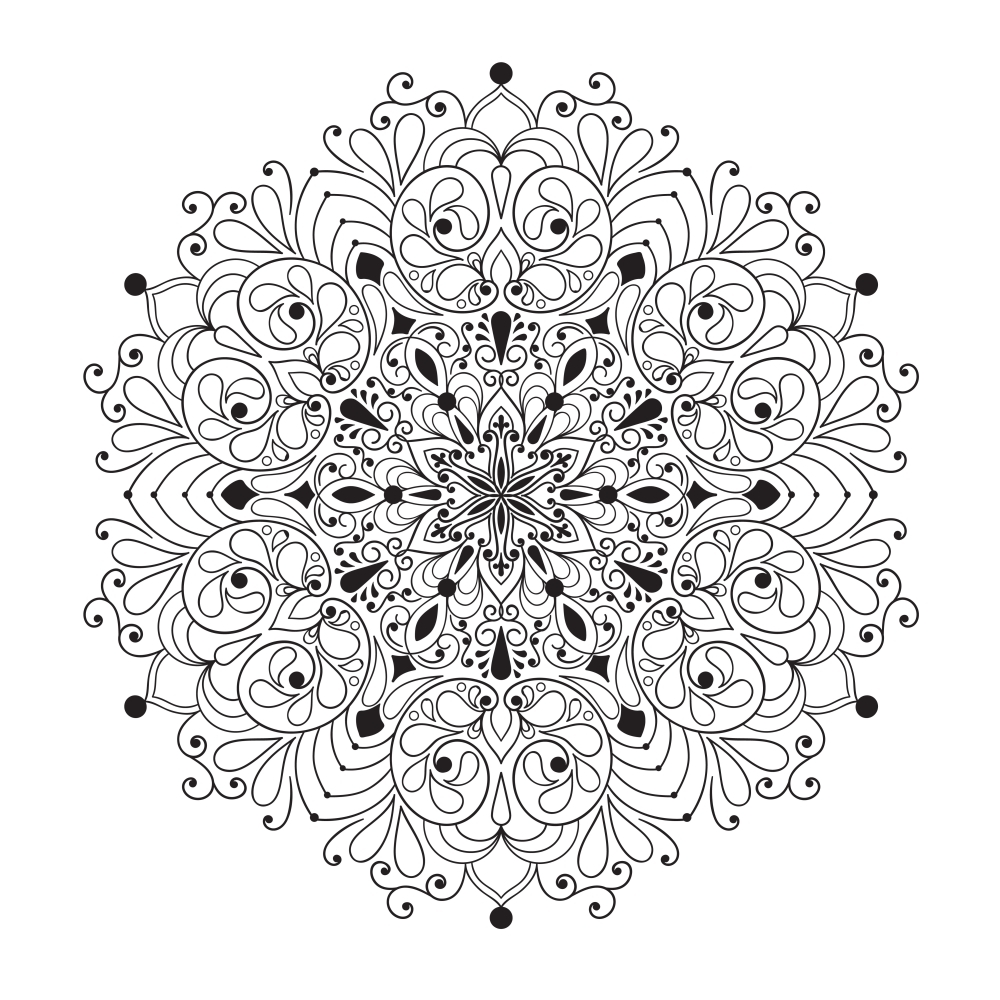
When identifying trauma, look at a mandala with a clear structure and soft colors. Let your gaze move in circles to help your mind clear away from confusion. Assessment is not about labeling yourself, but about gently seeing your needs and the direction for help. After viewing, blink gently and note the most comfortable part of your body. There's no need to judge the practice; just allow yourself to be gently accompanied for a moment. If your emotions are still fluctuating, that's okay. Take a sip of water and take it slow. This is not a task, but giving your heart a safe haven.
● AI Dynamic Geometric Vision Focus and Emotion Regulation Engine ●
AI Dynamic Geometric Vision Focus and Emotion Regulation Engine · v7.0.0
Before we begin, I'd like to know how you feel right now.
There is no standard answer; just choose the one that best reflects how you feel right now.
The experience is over. Tell us how you feel now.
There is still no standard answer; just choose the one that best reflects how you feel right now.
#FF5252
After the fluorescent line crawling is completed and stopped, first select a color, then click on the closed area in the graphic to fill in the color.
AI Digital Mandala Static Focus EngineAZ Image Coloring · 60 Colors
AI Digital Mandala Interactive Focus Engine
A–Z Free Selection · Layered Lines · 60 Color Fills

○ Calligraphy and engraving therapy practice
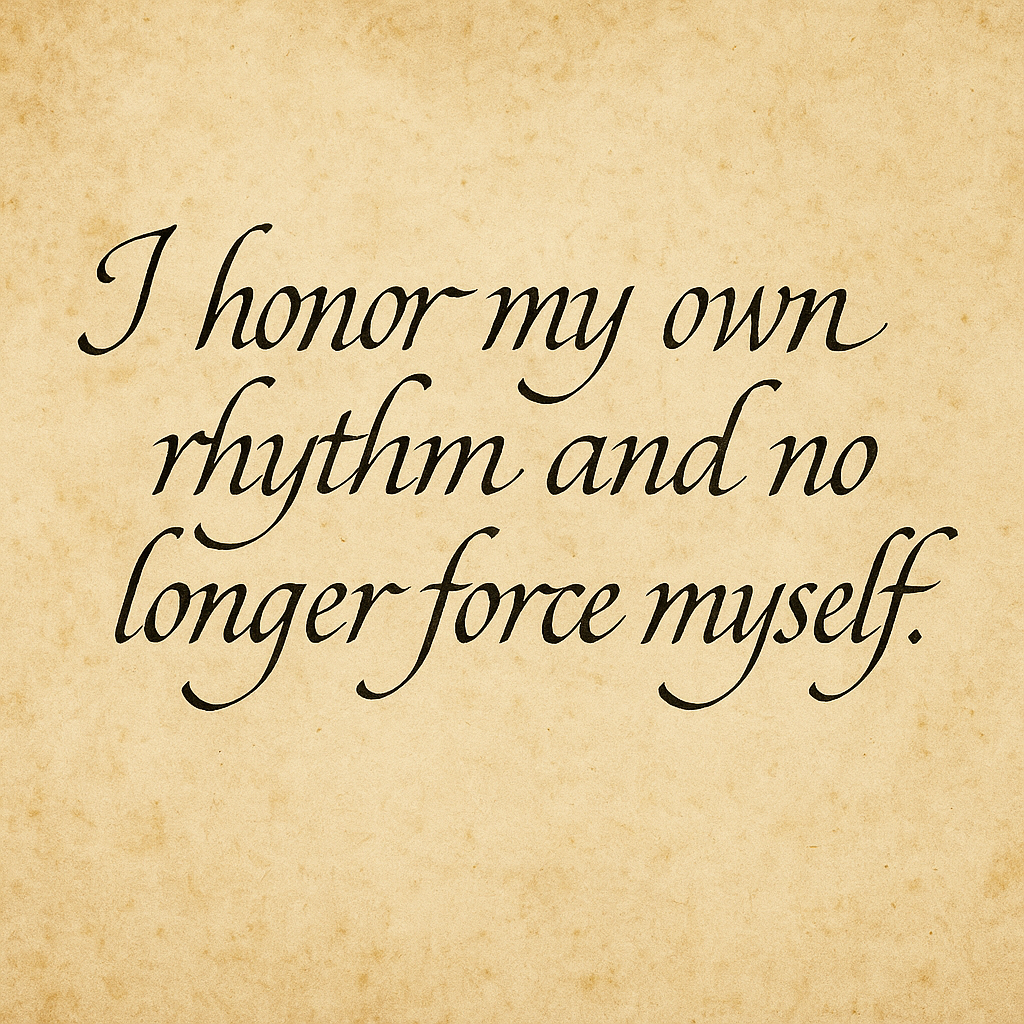
When recognizing traumatic reactions, the body often senses them before words do. When writing or engraving, pay attention to changes in your fingers, neck, chest, and stomach. Specific details are not required; simply let stable movements help you see the reactions. Seeing is not about diagnosing yourself, but about preparing clues for professional help. Take care of yourself first. Do just a little today. Don't push yourself. Put safety first. You are not alone. May you be supported. You can pause now. Take your time. Take care of yourself first. Do just a little today.

○ Art Therapy Guidance
If you're unsure which reactions are related to trauma, draw a silhouette of your body and place tension, numbness, fear, or fatigue in the corresponding areas. Don't rush to diagnose yourself; just observe where these feelings are. After drawing, add a touch of soft color to the area that needs the most care. Take care of yourself first. Do just a little today. Don't push yourself too hard. Put safety first. You are not alone. May you be supported. You can pause now. Take your time. Take care of yourself first. Do just a little today. Don't push yourself too hard.
Please log in before submitting your drawings and feelings.

○ Diary Healing Suggestions
Today's journal entry can start with your body: What recent reactions might be related to past experiences? Please record the time, emotions, body position, and intensity. Don't label yourself or self-diagnose. Keeping these clues is to help you take better care of yourself. Take care of yourself first. Do just a little today. No need to push yourself. Safety first. You are not alone. May you be supported. You can pause now. Take it slow. Take care of yourself first. Do just a little today. No need to push yourself.
Please log in to use.
May you gradually return to a more stable, clear-headed, and gentler version of yourself through today's practice.
This unit's comprehension test
After completing the lesson's main topic, you can access the corresponding lesson's comprehension test here.