

Lesson 1066: Early Trauma and Imbalance in Attachment Relationships

Duration:70 minutes
Topic Introduction:Early attachment trauma can bring both longing and fear when you try to get close to others. You're not contradictory or difficult to get along with; it's just that past relationships have taught your body to be wary. We're here to help you gradually understand this imbalance. When learning, please slow down, only approaching your feelings within a safe range, allowing yourself to stabilize first before understanding. Please remember that your reactions have their reasons; they don't need to be blamed, just gently seen and cared for.
○ Course Topic Audio
Lesson 1066: Early Trauma and Imbalance in Attachment Relationships
Click to view the read-aloud text
Early trauma often affects attachment relationships. If a caregiver is inconsistent, controlling, neglectful, humiliating, or frightening in childhood, the child develops a conflicting experience: "I need to be close to you, but being close might also hurt me." In adulthood, this pattern may manifest as anxiety, avoidance, excessive people-pleasing, or a strong fear of abandonment in relationships. You might crave intimacy but feel tense when someone actually gets close; you might appear independent but secretly crave a response. Please don't say you're too complicated; attachment imbalance isn't intentional, but rather a result of an impacted early security template. Repair isn't about forcing yourself to immediately trust others, but about gradually learning to distinguish: who is stable, who is dangerous; what constitutes healthy closeness, and what constitutes a loss of boundaries. Every time you become more aware of your own reactions, you're paving the way for a new, secure relationship. This learning isn't about forcing you to change immediately, but about helping you understand yourself better, allowing your heart to gradually find peace through understanding. You can approach at your own pace, or pause when necessary; respecting one's limits is itself part of the repair process. Remember, healing isn't a one-time event, but a gradual process of reclaiming power for yourself through each gentle choice. If you feel a little tense while listening to this, please exhale slowly, look at the real objects around you, and reassure yourself that you are safe at this moment. This learning is not about forcing you to change immediately, but about helping you understand yourself a little more, allowing your heart to gradually find peace in being understood. You can approach things at your own pace, or pause when needed; respecting your limits is itself part of the healing process. Please remember, healing is not a one-time event, but a gradual process of returning power to yourself through each gentle choice.

AI Healing Q&A
When interacting with AI, you can first express your fear, withdrawal, gripping, or unease when approaching others, as well as your body's signals. AI will use gentle questions to help you process your reactions, resources, and next steps, but it will not replace doctors, psychologists, or crisis intervention. If you experience self-harm risk, increased dissociation, or a feeling of loss of control, please seek help immediately. Do just a little today. Don't force yourself. Put safety first. You are not alone. You can pause now. May you be supported. Take your time. Take care of yourself first. Do just a little today.

○ Music therapy guidance
When early attachment was hurt, the fluctuating sounds in music might trigger emotions. Please choose gentle, stable melodies without sudden changes, allowing for both closeness and distance. If you're afraid to connect, let the music keep you at a comfortable distance. Do just a little today. No need to force yourself. Put safety first. You are not alone. You can pause now. May you be supported. Please take your time. Take care of yourself first. Do just a little today. No need to force yourself. Put safety first.
○Eastern and Western Healing Teas
○ Oriental Healing Tea - Lotus Leaf and Chrysanthemum Tea Introduction: Lotus leaf and chrysanthemum tea combines the cooling and heat-relieving properties of lotus leaves with the eye-brightening and calming properties of chrysanthemum. Lotus leaves have diuretic, anti-swelling, and heat-clearing and detoxifying effects, while chrysanthemum can relieve stress and help alleviate eye fatigue and headaches caused by anxiety. This tea helps clear dampness from the body and soothe emotional instability caused by depression. Instructions: Place a few lotus leaves and a few chrysanthemum flowers in hot water and steep for 5-7 minutes. Drink once daily to help clear dampness from the body and soothe anxiety.
○ Healing Recipes
○ Mediterranean Diet: Spinach Olive Plate
Recommended dishes:Spinach Olive Plate Recommended reasons:This lesson revolves around "early trauma and the imbalance of attachment relationships." The Spinach Olive Plate, served as a gentle post-lesson meal, helps to gradually shift attention away from the complex topic of trauma and back to the body, food, and daily life. It's refreshing, simple, and brightly colored, making it a low-burden way to reconnect with the senses after mental and physical stress. This recipe is not a substitute for psychotherapy, medical evaluation, or crisis intervention; it should only be used as a supplement to daily self-care. Recipe (1–2 servings): practice: Before preparing this dish or soup, please stop and look at yourself: Are you feeling tired, tense, numb, ashamed, wanting to escape, or simply have no appetite? Please don't blame these reactions; they may be your mind and body trying to protect themselves after complex traumatic issues have been touched upon. Before eating, take three slow breaths and feel the temperature of the cup/bowl, the color of the food, and the support under your feet. If the course content makes you feel significantly out of control, experiences strong flashbacks, increased dissociation, escalated fear, or suicidal thoughts, please stop learning and contact offline professionals or emergency resources. Take your first bite slowly. Daytime meals can be combined with sunlight, short breaks, and gentle activity; when eating in the evening, please control the portion size and avoid overeating, excessive sweetness, excessive salt, or drinking too much water to prevent sleep. Video Title:Spinach and Olive Plate: A course supporting physical settling and gentle nutrition within a program addressing early trauma and attachment imbalances. hint:If complex trauma-related reactions continue to worsen, significantly affecting sleep, diet, work, interpersonal relationships, or accompanied by intense fear, dissociation, depression, and self-harming thoughts, please contact an in-person doctor, psychologist, trauma therapist, or emergency resources immediately.Click to view healing recipes
◉ Mediterranean Diet: Spinach and Olive Plate
I. Recommended Dietary Therapy and Reasons
2. Recipe and Method
3. Small rituals for body and mind
4. Dietary Therapy Experience Record
V. Instructional Videos (approximately 3–5 minutes)
6. Precautions

○Mandala Healing
When early attachment is wounded, both closeness and withdrawal can be unsettling. Observe the adjacent yet spaced shapes in a mandala and feel how they coexist. You too can have the desire for closeness and the need to protect your boundaries. Stable relationships are not about coercion, but about gradually learning safe distance. Do just a little today. No need to force it. Put safety first. You are not alone. You can pause now. May you be supported. Please take your time. Take care of yourself first. Do just a little today. No need to force it. Put safety first.
● AI Dynamic Geometric Vision Focus and Emotion Regulation Engine ●
AI Dynamic Geometric Vision Focus and Emotion Regulation Engine · v7.0.0
Before we begin, I'd like to know how you feel right now.
There is no standard answer; just choose the one that best reflects how you feel right now.
The experience is over. Tell us how you feel now.
There is still no standard answer; just choose the one that best reflects how you feel right now.
#FF5252
After the fluorescent line crawling is completed and stopped, first select a color, then click on the closed area in the graphic to fill in the color.
AI Digital Mandala Static Focus EngineAZ Image Coloring · 60 Colors
AI Digital Mandala Interactive Focus Engine
A–Z Free Selection · Layered Lines · 60 Color Fills

○ Calligraphy and engraving therapy practice
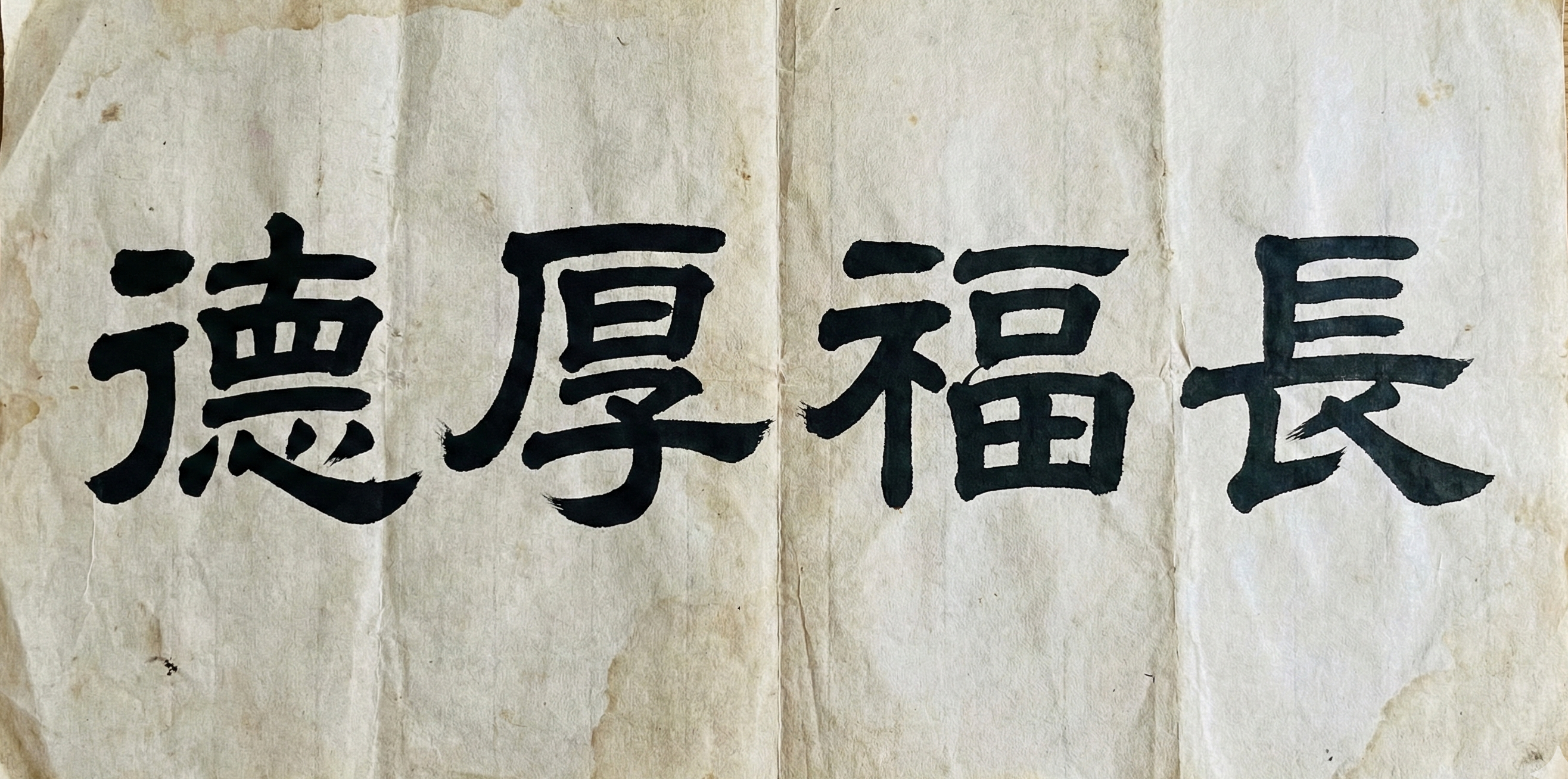
When early attachment is wounded, both approaching and withdrawing can be stressful. When writing in seal script, observe the distance and pauses between strokes; don't make them too full. This exercise will remind you: relationships can have rhythm, approaching can take time, and boundaries deserve respect. Do just a little today. No need to force it. Put safety first. You are not alone. You can pause now. May you be supported. Please take your time. Take care of yourself first. Do just a little today. No need to force it. Put safety first.

○ Art Therapy Guidance
When early attachment is wounded, both approaching and withdrawing can cause tension. Draw two circles at different distances, one representing yourself and the other representing important relationships. You can adjust their distance or draw a soft boundary. The drawing doesn't require an answer; it's just an exercise in seeing that connections need both security and space. Do just a little today. Don't force it. Put security first. You are not alone. You can pause now. May you be supported. Take your time. Take care of yourself first. Do just a little today. Don't force it. Put security first. You are not alone. You can pause now.
Please log in before submitting your drawings and feelings.

○ Diary Healing Suggestions
When early attachment was hurt, closeness and distance in relationships can be very sensitive. Please record the last moment you wanted to hold on or run away: what happened, how did you feel physically, and what were you most afraid of losing? Don't blame this reaction. Finally, write down a small exercise about maintaining appropriate distance, such as responding slower, confirming boundaries, or settling yourself first. Do just a little today. Don't force yourself. Put safety first. You are not alone. You can pause now. May you be supported. Please take it slow. Take care of yourself first. Do just a little today. Don't force yourself. Put safety first. You are not alone.
Please log in to use.
May you gradually return to a more stable, clear-headed, and gentler version of yourself through today's practice.