

Lesson 1181: Bipolar II Disorder – Alternating Hypomania and Depression

Duration:70 minutes
Topic Introduction:This section helps you gently understand the overall picture of bipolar II disorder: alternating periods of hypomania and depression; hypomania does not equate to true stability, and depression is not weakness. The key learning point is to see the emotional rhythms, functional impact, and long-term care direction, establishing a clear and self-critical foundation for subsequent management. Please allow yourself to learn at your own pace. Understanding just one point today is good enough. There's no need to rush to change everything.
○ Course Topic Audio
Lesson 1181: Bipolar II Disorder – Alternating Hypomania and Depression
Click to view the read-aloud text
Bipolar II is often more insidious. During hypomania, a person may feel finally better: more energy, faster thinking, increased social interaction, improved work efficiency, and even less desire to sleep. However, behind this high energy may lie impulsive decisions, overcommitment, distractibility, and deeper depression later on. Because hypomania doesn't appear as severe loss of control, many people are treated as simple depression for a long time, thus delaying the course of the disease. This course aims to help you understand the cycle between hypomania and depression, and to distinguish between true recovery and temporary over-excitement. You will practice recording your mood curves, sleep duration, spending behavior, social impulses, and task volume, and you will also understand how caffeine, alcohol, staying up late, and stress trigger fluctuations. Recovery is not about denying your abilities during hypomania, but about ensuring that those abilities are not overdrawn. Please treat regular sleep, medical cooperation, family communication, and relapse warnings as protection, not restriction. You can be creative and energetic, and you can also learn to keep them in a safer, more sustainable position. This course will help you rethink hypomania. It can sometimes bring efficiency and inspiration, but if the cost is sleep deprivation, impulsive spending, relationship conflicts, and subsequent depression, it needs to be carefully managed. This is where you learn to maintain rhythm even when you're feeling better, rather than piling on all your plans. During periods of depression, avoid labeling yourself as lazy, as that could be part of the illness. Long-term journaling is helpful; it allows you to see that your outbursts aren't random but rather regular, triggered, and preventable. Maintaining communication with your doctor and explaining your early warning signs to your family will make recovery safer. You don't need to be afraid of your energy; you just need to learn to care for it. Gradually, you'll distinguish between genuine improvement and the illusion of heightened emotions. Maintaining rhythm even when you're feeling well is a crucial ability for long-term stability in Bipolar II. Please also observe the positive feelings during hypomania. It's not about denying them, but about preventing them from pushing you beyond your limits. True stability means being able to stand firm at high points and have support when you're down. Maintaining sleep and boundaries is protecting your true abilities. These abilities also need to be cared for.

AI Healing Q&A
AI-powered healing and Q&A can help you organize your concerns about bipolar II disorder into clear questions. When asking, please describe your hypomania, depression, sleep, functional impact, and medication use. The AI will gently assist in clarifying your rhythms and care direction, but it cannot replace a doctor's diagnosis. After asking your question, please record a small action. If you are feeling overwhelmed, please prioritize your safety. Contact your doctor or real-life support if needed. Take your time; you don't need to say everything at once. Please prioritize sleep and safety. This is only an aid to organize your thoughts and is not a substitute for treatment.

○ Music therapy guidance
For music therapy, choose piano or low-stimulation string music with a stable rhythm and gentle melody to help you understand that alternating periods of hypotension and depression are not a personality issue. While listening, focus on your breathing and your feet, allowing your body to confirm that you are safe in this moment. After listening, please record a bodily sensation. Don't listen for too long; safety is paramount. If your emotions are significantly heightened, choose a slower sound. If you feel heavy, first connect with real-world support. Let the music guide you back to the present moment. Prioritize sleep and safety. Take it slow.

○Eastern and Western Healing Teas
○ Oriental Healing Tea - Huangshan Maofeng. Introduction: Huangshan Maofeng is a famous tea from Anhui Province, named for the fine hairs covering its leaves, which resemble peaks. The tea has a rich aroma and a fresh, mellow, and sweet taste. Huangshan Maofeng has the effects of clearing heat and detoxifying, lowering blood lipids, and anti-aging. It can also help regulate the stomach and intestines and promote digestion. Its unique flavor and rich nutrients make it an excellent daily beverage. Usage: Take 1 teaspoon of Huangshan Maofeng and steep it in 80°C water for 3 minutes. Add a small amount of honey to taste before drinking. Suitable for drinking in the morning or afternoon to help cleanse the body of toxins and boost vitality.
○ Healing Recipes
○ Ancient Roman Diet: Herb Olive Chicken
Recommended dishes:Herb Olive Chicken Recommended reasons:Herb-roasted chicken drumsticks, based on simple grains, olive oil, herbs, beans, or mild proteins, are a suitable daily dietary reference for maintaining a stable rhythm in bipolar II disorder courses. They don't aim for strong stimulation or heavy flavors, but rather help the body obtain clear, gentle, and sustainable energy. When facing the topic of "A General Overview of Bipolar II Disorder," regular eating and low-burden meals can remind learners that emotional care also needs to start from the physical foundation. Recipe (1–2 servings): practice: When preparing herb-roasted chicken legs with olives, first place the ingredients separately on a plate and observe their color, shape, and aroma. This process helps to gradually shift your focus from emotional fluctuations back to what you are doing. There's no need to strive for perfection while cooking; simply slow down your movements and take longer breaths. Before taking your first bite, remind yourself: I am gently supporting my body today with a simple meal. If you're in a good mood today, slow down your movements; if you're in a bad mood, minimize your steps. Food is not a task, but a gentle respite for your mind and body. Video Title:Herb and Olive Roasted Chicken Legs: A Mild and Stable Ancient Roman Nutritional Recipe hint:Please understand diet within the overall care plan: regular sleep, medication as prescribed, follow-up visits, psychological support, and a stable lifestyle remain important foundations for the long-term management of bipolar II disorder.Click to view healing recipes
◉ Ancient Roman Diet: Herb Olive Chicken
I. Recommended Dietary Therapy and Reasons
2. Recipe and Method
3. Small rituals for body and mind
4. Dietary Therapy Experience Record
V. Instructional Videos (approximately 3–5 minutes)
6. Precautions

○Mandala Healing
When viewing the mandala, first focus your gaze on the center, then slowly look towards the outer rings. The hypomania and depression in bipolar II disorder resemble different rings, not a sign of personality failure. The pattern helps you gently understand rhythms, fluctuations, and long-term care. After viewing, please record a physical sensation. Don't look for too long; safety is paramount. If you feel unwell, please pause. Take it slow; be patient. Let your gaze and breathing slow down. Prioritize sleep and safety. A little progress today is good enough.
● AI Dynamic Geometric Vision Focus and Emotion Regulation Engine ●
AI Dynamic Geometric Vision Focus and Emotion Regulation Engine · v7.0.0
Before we begin, I'd like to know how you feel right now.
There is no standard answer; just choose the one that best reflects how you feel right now.
The experience is over. Tell us how you feel now.
There is still no standard answer; just choose the one that best reflects how you feel right now.
#FF5252
After the fluorescent line crawling is completed and stopped, first select a color, then click on the closed area in the graphic to fill in the color.
AI Digital Mandala Static Focus EngineAZ Image Coloring · 60 Colors
AI Digital Mandala Interactive Focus Engine
A–Z Free Selection · Layered Lines · 60 Color Fills

○ Calligraphy and engraving therapy practice
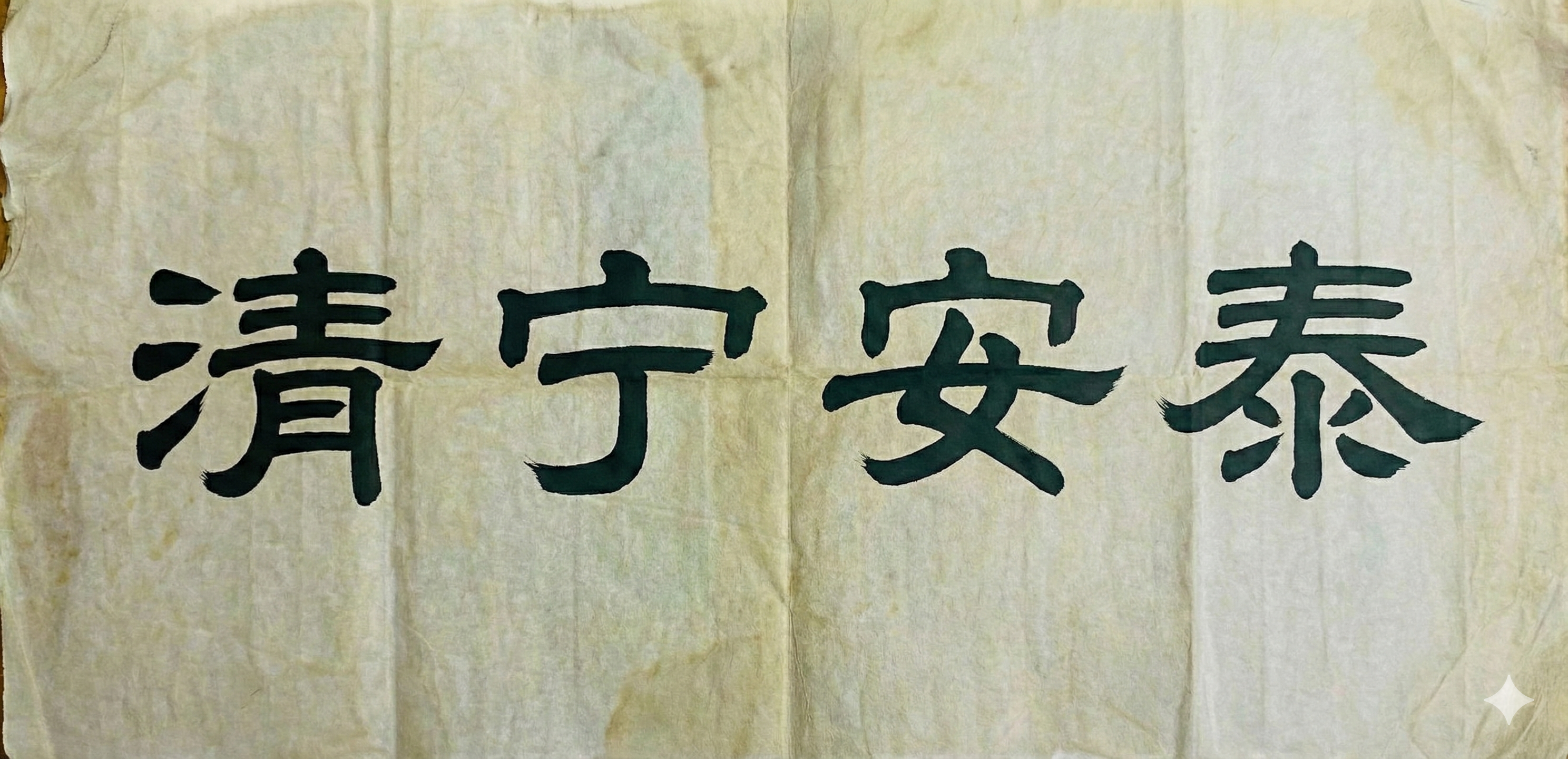
Writing and engraving exercises are merely gentle companions to stabilize your focus; no specific content is prescribed. Please focus on your posture, pen grip, breathing, and stroke rhythm, feeling that even amidst restlessness and depression, there is still a place to slowly find peace. Relax your wrist after practicing. Don't strive for perfect neatness. If you feel discomfort, please stop. Please prioritize safety. Completing just a little today is good enough. Let your breathing gradually catch up with your movements. No specific content is prescribed, only the rhythm matters. Please be gentle with yourself. Take your time; don't force yourself.

○ Art Therapy Guidance
Art therapy is used to externalize the fluctuations in hypomania and depression characteristic of bipolar II disorder. Let colors, lines, and space connect with your feelings; don't rush to interpret the artwork, just observe which parts resemble acceleration and which resemble depression. Stop and look at your work after you finish. Don't explain it to anyone. If you feel uncomfortable, please stop. Safety first. Completing just a little today is good. Let the colors accompany you slowly. Don't strive for beauty, just strive for observability. Be gentle with yourself.
Please log in before submitting your drawings and feelings.

○ Diary Healing Suggestions
Journaling Healing Suggestion: Please write down the most impactful point you gained about your overall understanding of Bipolar II disorder today, and a small action you'd like to try. You can start with hypomania, depression, sleep, or functional impact. Journaling isn't about labeling yourself, but about helping you more gently understand your emotional rhythms and long-term care direction. After writing, please pause and feel your body. It doesn't have to be complete, just be truthful. If you feel overwhelmed, prioritize your safety. Accomplishing even a small thing today is commendable. Please keep this journal for your future self. Take it slow; there's no need to rush to change everything. When needed, contact real-world support.
Please log in to use.
May you gradually return to a more stable, clear-headed, and gentler version of yourself through today's practice.
This unit's comprehension test
After completing the lesson's main topic, you can access the corresponding lesson's comprehension test here.