

Lesson 1311: Destructive Mood Disorders and Common Rebellion

Duration:70 minutes
Topic Introduction:Anger is often an outer emotion, beneath which may lie resentment, fear, shame, or misunderstanding. This section helps children and caregivers learn to see deeper needs beyond anger, transforming "getting angry" from a form of punishment into an entry point for understanding the child's inner pain. Please put understanding before blame. Take it slow; stability is more important than perfection. Every act of seeing is the beginning of support. Please prioritize the child's safety.
○ Course Topic Audio
Lesson 1311: Destructive Mood Disorders and Common Rebellion
Click to view the read-aloud text
In this lesson, please slow down and temporarily set aside the blaming of "Why did you do that again?" Behind many severe emotional outbursts lie over-arousal of the body, insufficient verbal expression, environmental stress, and a lack of security. The better we can understand these signals, the more opportunities children have to move from being controlled to being supported. The theme of this lesson is "Behind anger lies the grievance I dare not express." Understand that behind anger may lie grievances, fear, shame, frustration, or being ignored. This is not about absolving the child, nor is it about abolishing boundaries, but rather shifting the focus from "This child is bad" to "This child's regulatory system is overloaded." When learning, you can start with observation. Observe what feelings the child truly wants to protect when they yell. If you only focus on the moment of the outburst, adults can easily be swept away by the sound, actions, and conflict; if you look a little further ahead, you will find many early signs have already appeared. Next, please make your responses as short, steady, and clear as possible. First, acknowledge the emotion, then slowly guide the expression, making anger an entry point to the child. The child needs to know that adults will set boundaries and accompany them back to safety; they will handle behavior and will not define them as bad as a whole. This course content cannot replace assessments and treatments by doctors, psychologists, or school professional teams, but it can help you record, communicate, and seek help more effectively. When this course ends, please don't expect yourself or your child to be perfect immediately. Just remember: stability is more powerful than harshness, and understanding fosters cooperation more effectively than shaming. If your child experiences persistent and severe outbursts, self-harm, aggression, or functional impairment, please contact offline professional resources promptly. Please use concrete facts, such as when, where, how long, and how recovery occurred. Such documentation will help professionals understand your child more accurately and reduce unnecessary blame within the family. If you are a parent, please take care of your own breathing first, because adult stability becomes a stability your child can borrow. If you are a teacher, please record your child's efforts, not just moments of loss of control. If you are a child, please remember you are not a bad child; you are simply learning how to manage your emotions.

AI Healing Q&A
If you're worried that this is rebellion or an emotional disorder, you can describe to the AI whether your child only rebels under specific rules, or is irritable, tense, and difficult to calm down most of the time. The AI will help you distinguish between behavioral problems, developmental stages, and clues to persistent emotional distress. Please don't rush to label your child, and don't ignore long-term distress. Gentle observation, stable boundaries, and professional assessment can work together to help families find direction.

○ Music therapy guidance
Ordinary rebellion and persistent emotional distress require more careful observation. Music therapy can help you see if your child is also chronically tense, irritable, or unable to enjoy relaxing moments even when calm. Choose a piece of calming music and observe if they can remain in a sense of security for a while. Please don't draw conclusions based on a single reaction; continuous recording and professional consultation are more reliable. If your child doesn't respond to music, it's not a failure; some children need more time, so you can start with quiet companionship. Just be gentle.

○Eastern and Western Healing Teas
○ Eastern Healing Tea - Green Tea and Jasmine Tea
introduce:Green tea with jasmine is a classic oriental beverage, blending the freshness of green tea with the aroma of jasmine. Green tea is rich in antioxidants, while jasmine has relaxing and anxiety-reducing effects. This drink helps cleanse the body of toxins, improves mood, and relieves discomfort caused by anxiety and tension. It is suitable for daily consumption and helps maintain a balance between body and mind.
usage:Take 1 teaspoon of green tea leaves and a few dried jasmine flowers, and steep them in hot water for 5-7 minutes. Drink 1-2 cups daily to help refresh, relax, and reduce daily stress.
Course Reminder:After completing the course "Behind Anger Lies the Unspoken Grievances I Dare Not Speak Of," please treat tea drinking as a gentle daily support, not a therapeutic substitute. Before and after drinking tea, observe the child's or caregiver's emotional intensity, physical tension, sleep, stomach reactions, and daily stimulation levels to help the family gradually establish a stable rhythm.
Notice:Children's tea consumption should be adjusted according to their age, physical condition, sleep patterns, allergy history, and medical advice; drinks containing caffeine, ginseng, turmeric, chili, cocoa, or herbal ingredients should be chosen with caution. If a child experiences persistent severe outbursts, self-harming thoughts, aggression, or chronic insomnia, please contact offline professional resources promptly.
○ Healing Recipes
○ Monastery Diet: Bean Barley Mix
Recommended dishes:Boiled beans and glutinous rice (Bean Barley Mix) Recommended reasons:Behind anger may lie resentment. Boiled beans and whole grains are satisfying and stable, helping children and adults slow down during a meal and see the deeper needs beneath the anger. This recipe doesn't aim for stimulation, intensity, or complexity, but rather supports children and caregivers in establishing a predictable rhythm throughout the day through gentle, repeatable, and low-burden eating actions. Recipe (1–2 servings): practice: When preparing this dish, please slow down the process and avoid turning the food into a new task. You can invite children to observe the color, temperature, and smell, or adults can quietly finish first, making the dining table a more stable and less rushed place. Before consuming, please pause for three breaths and gently ask yourself or your child: Is your body tense, tired, irritable, or a little calmer right now? There is no need to explain the reason immediately, just pay attention to the signals your body is sending. Take your first bite slowly. If your child is experiencing significant mood swings that day, reduce lecturing and focus on safety, hydration, eating, and rest. A gentle meal is not a substitute for therapy, but it can be a part of daily support. Video Title:Boiled Beans and Whole Grains: A Dietary Approach to Supporting Stable Rhythms and Gentle Care in Courses on Disruptive Mood Disorders hint:If you experience persistent and severe outbursts, self-harming thoughts, aggression, uncontrolled impulses, chronic insomnia, or family safety risks, please contact local emergency services, doctors, psychologists, or offline crisis resources immediately.Click to view healing recipes
◉ Monastery Diet: Bean Barley Mix
I. Recommended Dietary Therapy and Reasons
2. Recipe and Method
3. Small rituals for body and mind
4. Dietary Therapy Experience Record
V. Instructional Videos (approximately 3–5 minutes)
6. Precautions

○Mandala Healing
Ordinary rebellion and persistent emotional distress require patient observation. Mandala practice can help you see if the child can remain calmly focused on the gentle patterns, or if they remain tense, resistant, and irritable. Please don't judge a child based on a single reaction, and don't mistake non-cooperation for deliberate defiance. Some children need more time to approach quiet. First, let the patterns exist in the space to gradually build a sense of security. As the child feels more secure, they are more likely to move from resistance to willingness to try. Please take it slowly.
● AI Dynamic Geometric Vision Focus and Emotion Regulation Engine ●
AI Dynamic Geometric Vision Focus and Emotion Regulation Engine · v7.0.0
Before we begin, I'd like to know how you feel right now.
There is no standard answer; just choose the one that best reflects how you feel right now.
The experience is over. Tell us how you feel now.
There is still no standard answer; just choose the one that best reflects how you feel right now.
#FF5252
After the fluorescent line crawling is completed and stopped, first select a color, then click on the closed area in the graphic to fill in the color.
AI Digital Mandala Static Focus EngineAZ Image Coloring · 60 Colors
AI Digital Mandala Interactive Focus Engine
A–Z Free Selection · Layered Lines · 60 Color Fills

○ Calligraphy and engraving therapy practice
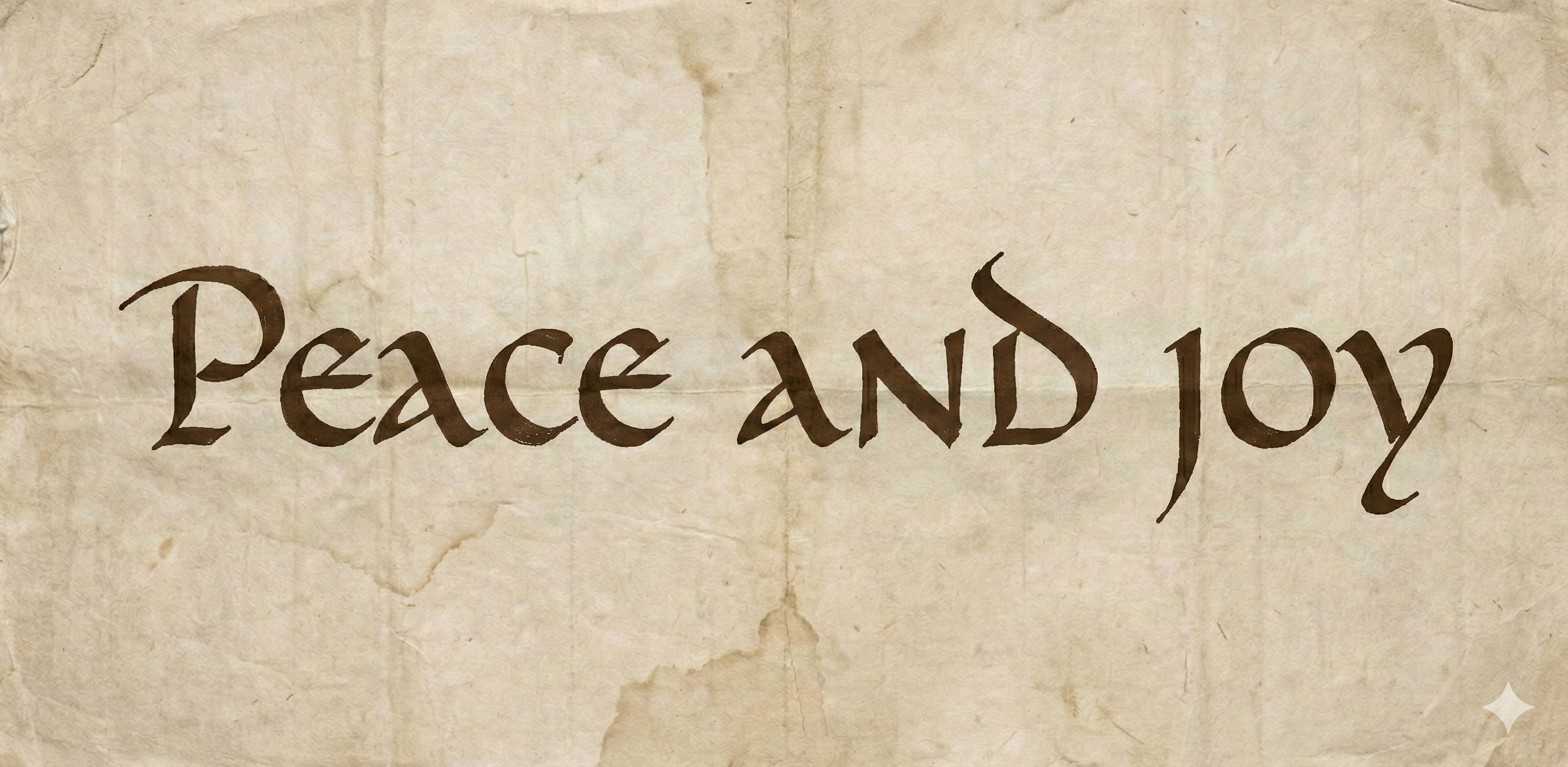
Distinguishing between persistent emotional distress and ordinary rebellion requires patient observation. Calligraphy practice doesn't require children to prove obedience; simply observe whether they can pause briefly when calm and whether they are easily soothed by the rhythm of the strokes. If they resist, don't immediately label it as deliberate defiance. Some children need more time to become willing to approach quiet. Let the practice continue; a sense of security will gradually grow. Allow for setbacks; even a small improvement is precious. Take it slow.
○ Art Therapy Guidance
Distinguishing between persistent emotional distress and ordinary rebellion requires careful observation. When drawing, encourage children to express their usual emotional state, and then depict a particular conflict as another layer. Don't rush to conclusions from the drawing; only observe whether the tension is long-term and whether recovery is difficult. Drawings are not diagnostic tools, but they can help adults slow down their judgment. The more children are understood, the less they are trapped by labels, and the more willing they are to accept support.
Please log in before submitting your drawings and feelings.
○ Diary Healing Suggestions
Journaling Healing Suggestions: Please write down the most touching point from today's lesson, especially if anger may be hiding resentment, fear, or misunderstanding. Then write down a small action, such as asking yourself in your mind next time your child is angry: What does he/she really want me to know? Please treat anger as an entry point, not just a problem that needs to be suppressed. After writing, please pause and thank yourself for being willing to face it. If your emotions rise, please drink water and breathe before continuing. Please see this step as gentle care, not a task. It doesn't need to be complete; being truthful is already good. If you are very tired today, writing just one sentence is also acceptable.
Please log in to use.
May you gradually return to a more stable, clear-headed, and gentler version of yourself through today's practice.